
Have you ever woken up feeling like you barely slept, even after spending hours in bed? Or maybe you find it super hard to fall asleep at night, tossing and turning for what feels like forever? Getting enough good quality sleep is one of the most important things you can do for your body and your brain, but it’s not always easy!
Think of sleep like charging your favorite electronic device. If you don’t charge it properly, it won’t work its best, right? Your body and brain are the same! When you get good sleep, you feel more energetic, think more clearly, learn better, and even have a stronger immune system to fight off germs.
“Sleep hygiene” might sound like a fancy grown-up term, but it just means all the habits and routines that help you get awesome, refreshing sleep. It’s about setting up your bedtime routine and your sleep environment in the best way possible. And guess what? You don’t need any special gadgets or expensive things to do it!
In this article, we’re going to explore 10 super simple, budget-friendly sleep hygiene hacks that can help you fall asleep faster, stay asleep longer, and wake up feeling truly refreshed and ready to conquer your day. Get ready to become a sleep expert!
1. Stick to a Sleep Schedule: Your Body’s Internal Clock
Your body loves routine, especially when it comes to sleep! Imagine your body has its own internal clock, called the circadian rhythm. This clock tells you when to feel sleepy and when to wake up. When you go to bed and wake up around the same time every day, even on weekends, you help this clock work smoothly. It’s like training your body to know exactly when it’s “sleep time” and “wake-up time.” This consistency helps you fall asleep faster and wake up feeling more refreshed naturally. Building a consistent sleep schedule for kids is the foundational sleep hygiene tip for children and is key for improving sleep quality in youth.
2. Create a Relaxing Bedtime Routine: Wind Down Slowly
Going from busy play or screen time straight to bed can be tough for your brain to switch off. That’s where a relaxing bedtime routine comes in! About 30-60 minutes before you want to be asleep, start a calming routine. This could include taking a warm bath or shower, reading a book (a real one, not on a screen!), listening to quiet music, or doing some gentle stretching. The goal is to signal to your body and brain that it’s time to slow down and prepare for sleep. This gentle transition is a powerful bedtime routine for better sleep and a top sleep hack for kids to help them wind down before bed.
3. Power Down Screens Before Bed: Ditch the Blue Light
This is a big one for many kids! Phones, tablets, computers, and TVs all give off “blue light,” which can trick your brain into thinking it’s still daytime. This makes it harder for your body to produce melatonin, a natural hormone that helps you feel sleepy. Try to turn off all screens at least an hour before you plan to go to sleep. Instead, pick up a book, draw, or listen to an audiobook. Avoiding screen time before bed for children is a crucial sleep hygiene strategy for youth and helps protect sleep cycles in kids.
4. Make Your Bedroom a Sleep Sanctuary: Dark, Quiet, and Cool
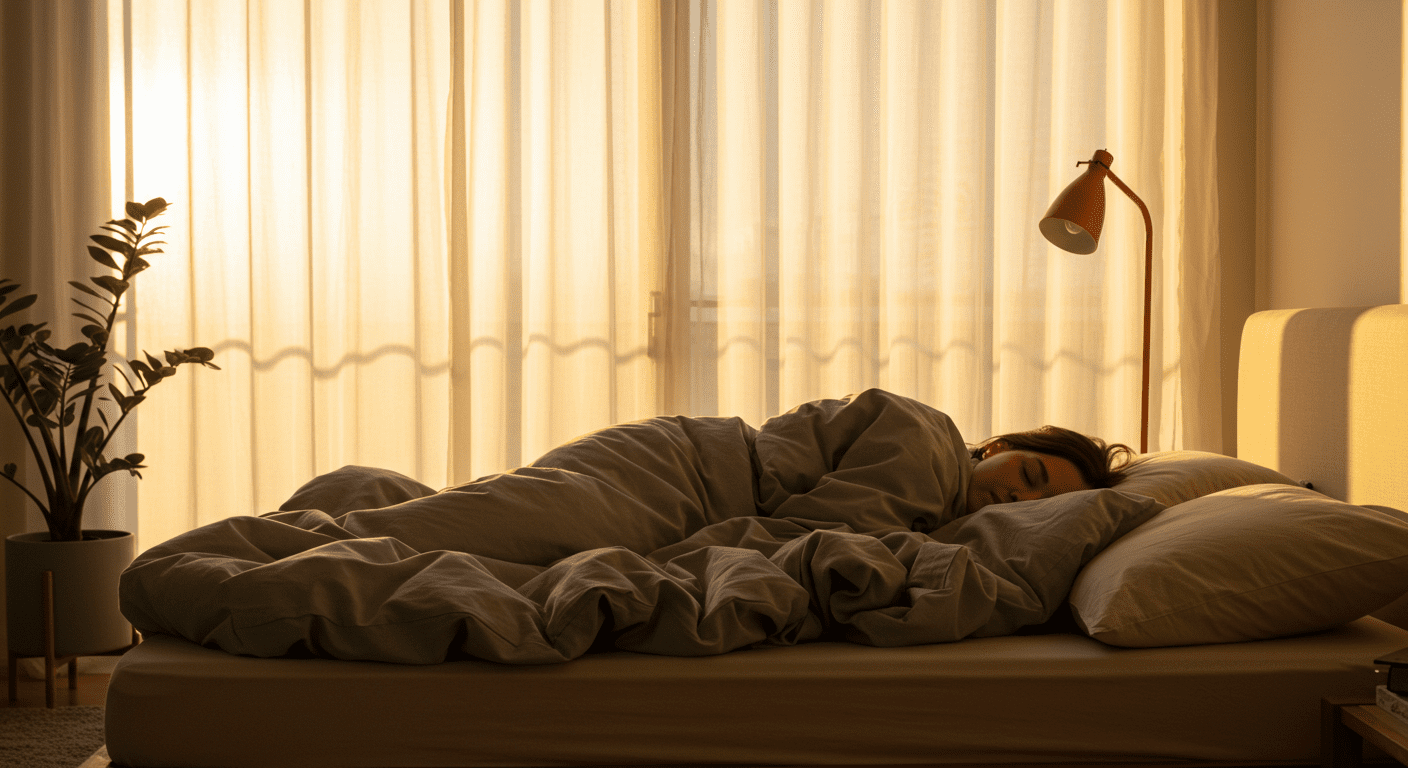
Your bedroom should be a cozy, comfortable cave just for sleeping! Make sure it’s dark enough by using curtains or blinds to block out light. Keep it quiet – if outside noises bother you, try using a fan for gentle background noise (white noise). And aim for a cool temperature, around 65-70 degrees Fahrenheit (18-21 degrees Celsius), which is usually best for sleep. A dark, quiet, cool bedroom creates the ideal sleep environment for kids and is one of the most effective sleep tips for children to optimize sleep conditions.
5. Avoid Caffeine (and Sugary Drinks): No Late-Night Boosts
Caffeine is a stimulant found in things like soda, energy drinks, and coffee. It gives you a burst of energy, but it can stay in your system for many hours, making it really hard to fall asleep. Sugary drinks can also give you an energy rush that makes it difficult to wind down. It’s best to avoid these types of drinks, especially in the afternoon and evening. Sticking to water or milk is best for your body, especially as you get closer to bedtime. Limiting caffeine intake for children and sugary drinks is a key healthy habit for good sleep and supports natural sleep aids for kids.
6. Get Enough Physical Activity During the Day: Tire Yourself Out
Being active during the day isn’t just good for your body; it also helps you sleep better at night! When you play, run, jump, and move, you use up energy, which makes your body naturally tired and ready for rest when bedtime comes. Just be careful not to do really vigorous exercise too close to bedtime (like within an hour or two), as that can actually energize you instead of tiring you out. Aim for at least 60 minutes of moderate to vigorous activity every day. Daily physical activity for kids promotes deeper sleep naturally and is a great energy regulation for sleep hack.
7. Don’t Eat Heavy Meals Right Before Bed: Light and Early
Eating a big, heavy meal right before you go to sleep can make it harder for your body to focus on resting, because it’s busy digesting food. Try to finish your main meals a few hours before bedtime. If you’re feeling a little hungry closer to bedtime, a light snack like a banana, a small bowl of cereal with milk, or some yogurt is fine. These are easier for your body to digest. Practicing healthy eating habits for sleep by avoiding late-night heavy meals for children helps your body focus on rest and is an important diet for better sleep hack.
8. Use Your Bed for Sleep Only: No Play Zone
Your brain is smart and learns to associate places with activities. If you play games, do homework, or watch TV in your bed, your brain might start to think of your bed as a place for activity, not for sleep. Try to keep your bed just for sleeping and relaxing before sleep. If you’re struggling to fall asleep, get out of bed and do something calming in another room until you feel sleepy, then try again. Establishing your bed as a sleep-only zone helps reinforce sleep associations for kids and is a powerful behavioral sleep hack.
9. Try Progressive Muscle Relaxation: Loosen Up Your Body
Sometimes, when you’re trying to fall asleep, your body feels tense even if your mind is tired. Progressive muscle relaxation is a simple technique where you tense and then relax different muscle groups in your body, one by one. Start with your toes, squeeze them tightly for a few seconds, then relax them. Move up to your calves, thighs, stomach, arms, shoulders, and face. This helps you notice where you’re holding tension and then release it, making your body feel more relaxed and ready for sleep. This relaxation technique for kids is a simple body scan for sleep that promotes muscle relaxation for sleep.
10. Learn to Breathe Deeply: Calm Your Mind and Body
When you’re stressed or anxious, your breathing tends to be shallow and fast. Deep breathing, on the other hand, can help calm your nervous system and signal to your body that it’s time to relax. Lie in bed and place one hand on your tummy. Breathe in slowly and deeply through your nose, feeling your tummy rise like a balloon. Then, breathe out slowly through your mouth, letting your tummy fall. Focus only on your breath. Doing this for a few minutes can help quiet your mind and prepare your body for sleep. This deep breathing for sleep is a natural anxiety reduction for kids and a fantastic mindfulness for sleep hack.
Sweet Dreams Are Possible!
Getting great sleep is a skill, and like any skill, it gets better with practice! By trying out these 10 sleep hygiene hacks, you’re giving your body and brain the best possible chance to get the refreshing rest they need. Remember, even small changes can make a big difference. Be patient with yourself, celebrate your efforts, and get ready to wake up feeling energized and ready for a brand new day! Sweet dreams!
Further Reading
- The Sleep Book for Kids by Alice Holt and Hannah Barnaby
- Relax Kids: The Wishing Star by Marneta Viegas
- Goodnight, Goodnight, Construction Site by Sherri Duskey Rinker (for younger kids, but the principles apply to relaxing before bed!)
- Mindful Kids: 50 Mindfulness Activities for Kindness, Focus, and Calm by Whitney Stewart
- A Little Spot of Calm: A Story About Finding Your Calm by Diane Alber




Leave a Reply