
The specter of a third global conflict, once relegated to the realm of dystopian fiction, has increasingly crept into mainstream geopolitical discourse. While headlines often focus on existing high-tension zones, a deeper analysis reveals a complex web of interconnected issues that could ignite a wider conflagration. These potential flashpoints, often simmering beneath the surface of daily news cycles, represent critical junctures where miscalculation, escalation, or deliberate action could shatter the fragile international order. Understanding these less-publicized risks is crucial for anticipating and potentially mitigating the pathways to global conflict.
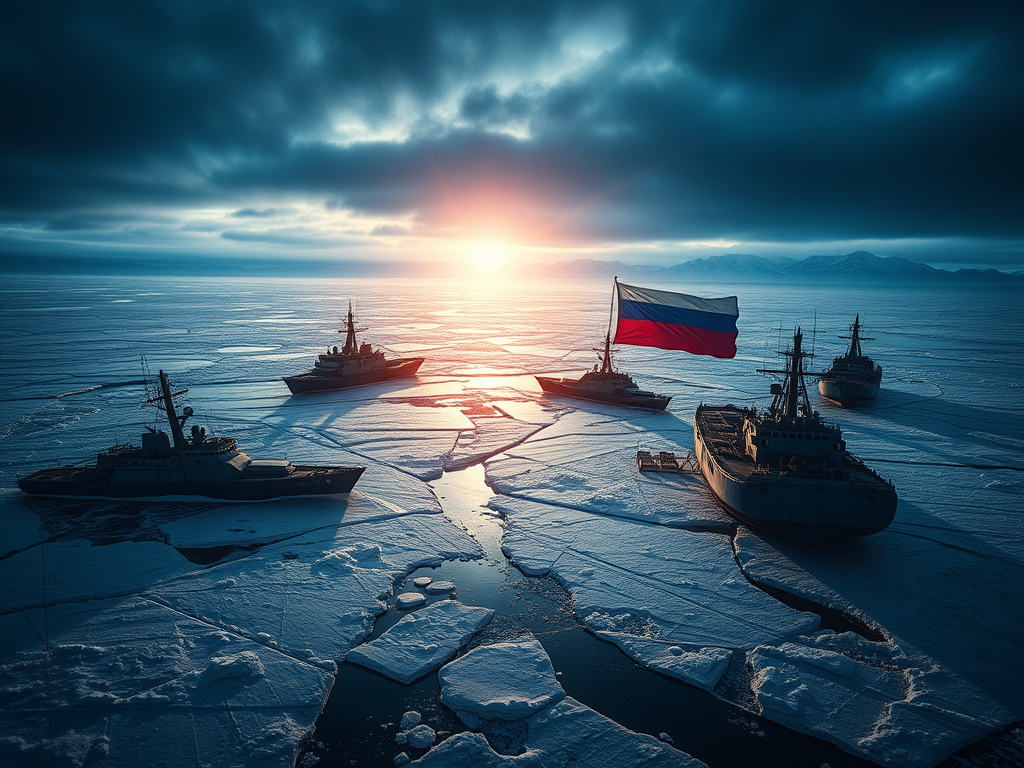
1. The Arctic: A Frozen Battlefield for Resources and Influence.
Climate change is rapidly transforming the Arctic, melting ice caps and opening up new shipping routes and access to vast untapped natural resources, including oil, gas, and critical minerals (Fiveable). This newfound accessibility has intensified competition among Arctic states – primarily the United States, Russia, Canada, Norway, and Denmark – each vying for territorial claims, resource exploitation rights, and strategic military positioning (Geographical Magazine). Russia has been particularly assertive, increasing its military presence and infrastructure in the region (Newsweek). While cooperation on scientific research and environmental protection has historically been a feature of Arctic governance, the escalating geopolitical tensions elsewhere could easily spill over, transforming this once-remote region into a strategic flashpoint. Disputes over the Northwest Passage, the Northern Sea Route, and continental shelf extensions could lead to naval standoffs and resource-driven conflicts.
2. The Eastern Mediterranean: A Congested Sea of Competing Interests.
The Eastern Mediterranean is a complex arena where historical grievances, energy discoveries, and regional power struggles intersect. The discovery of significant natural gas reserves has further inflamed existing tensions between Turkey, Greece, Cyprus, and Israel, each seeking to assert their maritime boundaries and energy rights (S&P Global). Turkey’s increasingly assertive foreign policy, its involvement in regional conflicts, and its strained relationships with NATO allies add another layer of complexity (Warwick Economics Summit). Competing claims over exclusive economic zones (EEZs), coupled with military build-ups and naval exercises, create a high risk of accidental or intentional escalation. Furthermore, the ongoing instability in Libya and Syria adds to the volatile mix, with external powers backing opposing factions and further complicating the security landscape in the Eastern Mediterranean.
3. The South China Sea: Navigating a Minefield of Sovereignty Claims.
The South China Sea remains one of the most prominent and dangerous geopolitical hotspots. China’s expansive territorial claims, its construction of artificial islands equipped with military facilities, and its assertive actions towards other claimant states (Vietnam, the Philippines, Malaysia, Brunei, and Taiwan) continue to raise international alarm (Fiveable). The United States and its allies conduct regular freedom of navigation operations (FONOPs) to challenge China’s claims, increasing the potential for military encounters (Newsweek). Any miscalculation or aggressive move in this vital waterway, through which trillions of dollars in trade pass annually, could have devastating global economic and security consequences. The strategic importance of the sea lanes and the rich fishing grounds further exacerbate the tensions, making this a persistent and highly volatile flashpoint.
4. The Balkans: An Unfinished Chapter of Ethnic and Political Division.
Despite efforts at integration and stabilization, the Western Balkans remain susceptible to renewed ethnic tensions and political instability. Lingering historical grievances, nationalist sentiments, and external interference, particularly from Russia, continue to undermine fragile peace agreements (Newsweek). Bosnia and Herzegovina, with its complex multi-ethnic structure, remains a key area of concern, with secessionist rhetoric and a lack of unified governance posing significant risks. Serbia’s relationship with Kosovo also remains fraught, with periodic escalations of tensions. Any significant internal conflict or external provocation in the Balkans could draw in regional powers and potentially trigger a wider crisis in Europe. The unresolved status of various minority groups and the influence of nationalist ideologies create fertile ground for future instability.
5. The Korean Peninsula: A Nuclear Sword Hanging Over Northeast Asia.
The Democratic People’s Republic of Korea’s (DPRK) relentless pursuit of nuclear weapons and ballistic missile technology continues to be a major threat to regional and international security (Fiveable). Despite international sanctions and diplomatic efforts, North Korea has consistently advanced its weapons programs, conducting tests and issuing bellicose rhetoric. The potential for miscalculation, accidental escalation, or even a preemptive strike remains a significant concern. The involvement of multiple nuclear-armed powers in the region (the United States, China, and potentially South Korea and Japan in response to a crisis) amplifies the dangers. Any conflict on the Korean Peninsula could quickly escalate, with devastating consequences for the region and beyond. The unpredictable nature of the North Korean regime further complicates efforts to de-escalate tensions.
6. Sub-Saharan Africa: A Continent Grappling with Instability and External Competition.
Several regions within Sub-Saharan Africa are experiencing increasing instability, driven by factors such as ethnic conflicts, resource competition, political fragility, and the rise of extremist groups (ACLED). The Sahel region, in particular, has become a hotbed of conflict involving various militant organizations, government forces, and international interventions. The Central African Republic, the Democratic Republic of Congo, and parts of East Africa also face persistent violence and humanitarian crises (Crisis Group). Furthermore, increasing competition among global powers for influence and resources in Africa could exacerbate existing tensions and potentially draw external actors into regional conflicts, transforming localized crises into broader geopolitical confrontations. The proliferation of small arms and the involvement of non-state actors add to the complexity and volatility of the security landscape.
7. Cyberspace: The New Domain of Shadow Warfare.
The digital realm has become a critical domain for state and non-state actors to conduct espionage, sabotage, and influence operations. Major cyberattacks targeting critical infrastructure, government institutions, and financial systems have become increasingly frequent and sophisticated (BlackRock Investment Institute). While often deniable, these attacks can have significant real-world consequences, potentially disrupting essential services, undermining trust, and escalating international tensions. A large-scale cyberattack attributed to a state actor could be viewed as an act of war, potentially triggering conventional military responses. The lack of clear international norms and rules of engagement in cyberspace further increases the risk of miscalculation and unintended escalation. The interconnectedness of the digital world means that a conflict in cyberspace could have rapid and far-reaching global consequences.
8. Outer Space: The Next Frontier for Strategic Competition.
As nations become increasingly reliant on space-based assets for communication, navigation, surveillance, and even military purposes, outer space is emerging as a new arena for strategic competition (Geopolitical Futures). The development of anti-satellite weapons and the increasing militarization of space raise concerns about the potential for conflict in this critical domain. Disrupting or destroying an adversary’s space capabilities could have devastating consequences for their military and civilian infrastructure. While a full-scale “space war” may seem far-fetched, the growing competition for orbital slots, the development of offensive counter-space technologies, and the lack of comprehensive international agreements governing activities in space create a potential flashpoint for future conflict.
9. Water Scarcity: A Looming Crisis Multiplied by Geopolitics.
Climate change and population growth are exacerbating water scarcity in many regions around the world, particularly in the Middle East, North Africa, and parts of Asia (Modern Diplomacy). Competition for access to limited freshwater resources, especially in transboundary river basins, can fuel tensions between nations. Disputes over dam construction, water diversion projects, and water sharing agreements could escalate into political crises and even violent conflicts. Water scarcity can also exacerbate existing social and economic grievances, potentially leading to internal instability that could have regional implications. As the impacts of climate change intensify, water is likely to become an increasingly critical geopolitical resource, making water-stressed regions potential flashpoints.
10. Global Supply Chain Vulnerabilities and Resource Nationalism:
The COVID-19 pandemic and recent geopolitical events have exposed the fragility of global supply chains and the risks associated with over-reliance on single sources for critical goods and raw materials (S&P Global). This has led to a growing trend of resource nationalism, with countries seeking to secure their access to essential resources, including critical minerals necessary for green technologies and defense industries. Competition for these resources, coupled with disruptions to global trade flows due to geopolitical tensions or conflicts, could lead to economic coercion, trade wars, and even military interventions in resource-rich regions. The intertwining of economic security and national security is making resource access a potential trigger for international disputes.
While predicting the exact spark that could ignite a global conflict remains impossible, understanding these potential flashpoints beyond the headlines provides a more nuanced and comprehensive view of the evolving geopolitical landscape. These interconnected challenges, driven by competing interests, historical grievances, technological advancements, and environmental pressures, highlight the urgent need for proactive diplomacy, international cooperation, and a renewed commitment to peaceful conflict resolution to avert the unthinkable.




Leave a Reply