
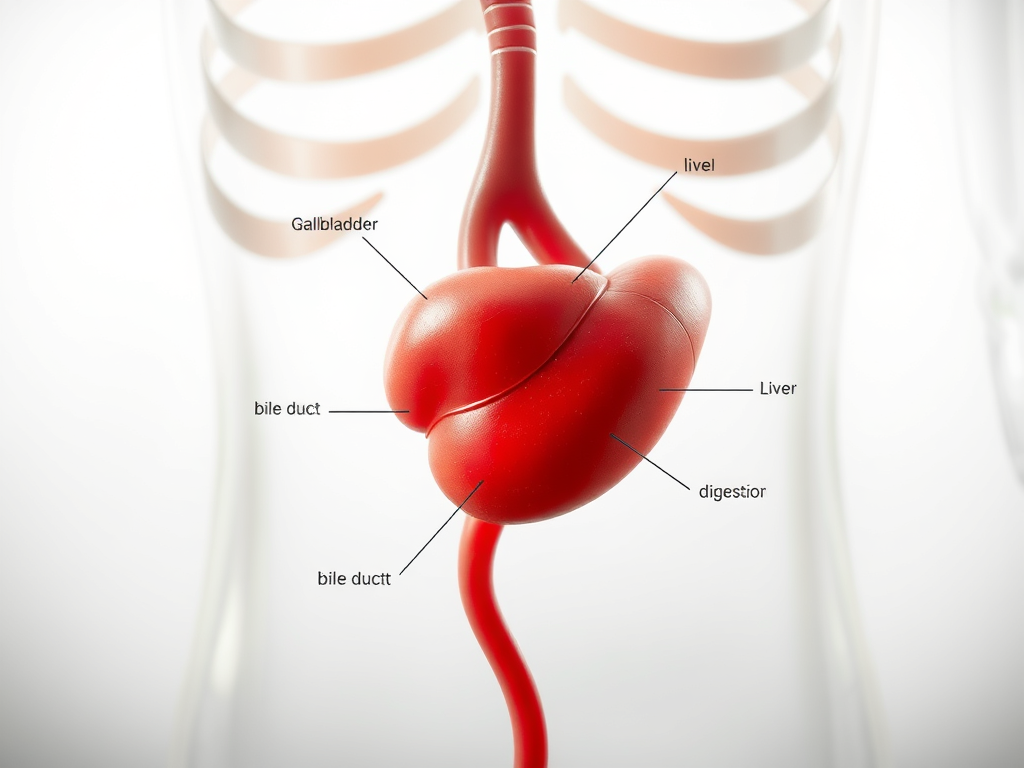
The gallbladder, a small but mighty organ tucked beneath your liver, often goes unnoticed until it causes trouble. When issues arise, understanding your condition and treatment options is paramount. To foster a more informed and productive conversation with your doctor, here are ten key questions they secretly wish you’d ask about your gallbladder health.
1. “Based on my symptoms and test results, what exactly is happening with my gallbladder?”
Instead of passively accepting a diagnosis, delve deeper. Understanding the specific issue – whether it’s gallstones (and their size and location), inflammation (cholecystitis), or something else – will empower you to grasp the rationale behind treatment recommendations and potential complications.
2. “What are all of my treatment options, not just surgery?”
While surgery (cholecystectomy) is a common and often effective solution for gallbladder problems, it’s not the only approach. Ask about non-surgical options, such as lifestyle modifications, dietary changes, or, in rare cases, medications to dissolve certain types of gallstones. Understanding the full spectrum of possibilities allows for a more collaborative decision-making process.
3. “What are the potential benefits and risks of each treatment option you’ve presented?”
Every medical intervention comes with a balance of potential benefits and risks. Don’t hesitate to ask your doctor to clearly outline these for each treatment option, including surgery. This includes the likelihood of symptom relief, potential complications, recovery time, and long-term implications.
4. “If surgery is recommended, can you explain the specific type of procedure I’ll be undergoing (laparoscopic vs. open) and why that approach is best for me?”
As discussed earlier, laparoscopic and open cholecystectomy are different procedures with varying recovery times and risks. Understanding which approach your surgeon plans to use and the reasons behind that choice will help you prepare mentally and physically for the surgery.
5. “What can I expect during the recovery period after surgery? What are the potential short-term and long-term side effects?”
Knowing what to expect post-operatively can alleviate anxiety and help you plan accordingly. Ask about pain management, dietary restrictions, activity limitations, and potential bowel changes. Understanding the typical recovery timeline and potential long-term adjustments will aid in a smoother transition back to your normal life.
6. “Are there any specific lifestyle or dietary changes I can make now to manage my symptoms or potentially prevent future problems if surgery isn’t immediately necessary?”
Even if surgery is eventually required, adopting certain lifestyle and dietary modifications might help manage your current symptoms and potentially slow down the progression of gallbladder issues. Ask for specific recommendations tailored to your situation.
7. “What are the ‘red flag’ symptoms I should watch out for that would indicate a serious complication requiring immediate medical attention?”
Being aware of potential warning signs after diagnosis or surgery is crucial for timely intervention. Ask your doctor to clearly outline the symptoms that should prompt an immediate call or visit to the emergency room.
8. “How will my other medical conditions or medications affect my gallbladder treatment, and vice versa?”
Your overall health profile and current medications can influence the best course of treatment for your gallbladder issues. Ensure your doctor is aware of your complete medical history and ask how these factors might interact with the proposed treatment plan.
9. “What is your experience performing this type of surgery (if applicable), and what is the typical success rate and complication rate at this hospital/clinic?”
It’s reasonable to inquire about your surgeon’s experience and the general outcomes at the medical facility where you’ll be treated. This information can provide a degree of reassurance and help you feel more confident in your care.
10. “Who should I contact if I have questions or concerns after my appointment or after my surgery?”
Knowing who to reach out to for follow-up questions or concerns, especially during the recovery period, is essential for peace of mind and effective management of any issues that may arise. Get clear contact information and instructions before leaving your appointment or the hospital.
By asking these thoughtful and specific questions, you can move beyond a passive patient role and become an active participant in your gallbladder health journey. This will not only lead to a better understanding of your condition and treatment but also foster a stronger, more collaborative relationship with your doctor.




Leave a Reply