
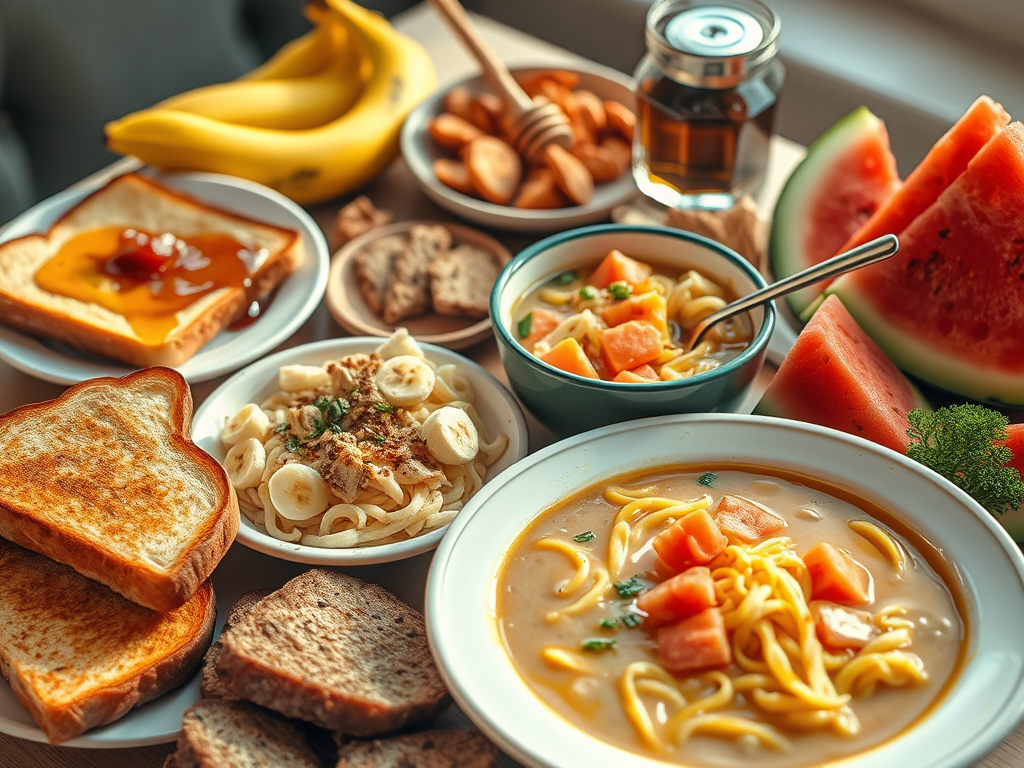
The celebratory clinking of glasses and convivial laughter of the night before often give way to a less jovial dawn. The dreaded hangover, with its throbbing head, queasy stomach, and pervasive fog, is a stark reminder of overindulgence. While time is the ultimate healer, the right (and wrong) foods can significantly impact your recovery trajectory. Navigating the culinary landscape of a hangover can be tricky, so we’ve compiled a definitive guide: ten champion foods to embrace and ten treacherous temptations to steer clear of.
The Saviors: Ten Foods to Welcome with Open Arms
1. Toast (Especially with Honey or Jam): Simple carbohydrates are your friend when battling a hangover. Alcohol consumption can lead to lower blood sugar levels, contributing to fatigue and weakness. Plain toast provides a gentle source of glucose to help stabilize these levels. Adding a touch of honey or jam offers an extra energy boost and can be easier on a sensitive stomach.
2. Bananas: This potassium-rich fruit is a hangover superhero. Alcohol can deplete electrolytes, including potassium, leading to muscle weakness and cramping. Bananas are a readily available and easily digestible way to replenish these lost stores, helping to restore balance and alleviate discomfort.
3. Eggs (Prepared Simply): Eggs are a nutritional powerhouse, packed with protein and cysteine, an amino acid that can help break down acetaldehyde, a toxic byproduct of alcohol metabolism that contributes to hangover symptoms. Opt for simple preparations like scrambled or poached, avoiding excessive grease or heavy sauces.
4. Chicken Noodle Soup (Broth-Based): This comforting classic is more than just a remedy for a cold. The broth provides hydration and electrolytes (sodium), while the noodles offer easily digestible carbohydrates. The chicken provides protein for sustained energy. It’s a gentle and nourishing option when your stomach is feeling delicate.
5. Plain Crackers or Pretzels: Similar to toast, plain crackers or pretzels offer easily digestible carbohydrates to help settle your stomach and raise blood sugar levels gently. Their blandness can also be appealing when strong flavors are off-putting.
6. Watermelon: Dehydration is a major contributor to hangover misery. Watermelon boasts a high water content, helping to rehydrate your body. It also contains L-citrulline, an amino acid that some studies suggest may help alleviate muscle soreness associated with hangovers.
7. Ginger (Tea or Plain): Ginger has long been recognized for its anti-nausea properties. Sipping on ginger tea or nibbling on a small piece of crystallized ginger can help calm a turbulent stomach and reduce feelings of queasiness.
8. Coconut Water: This natural beverage is rich in electrolytes, including potassium, sodium, and magnesium, all of which can be depleted by alcohol. It’s a more palatable and beneficial alternative to sugary sports drinks for rehydration.
9. Spinach (in a Smoothie or Lightly Cooked): Dark leafy greens like spinach are packed with vitamins and minerals, including folate, which alcohol can deplete. Incorporating spinach into a gentle smoothie or lightly sautéing it provides valuable nutrients to aid recovery without being too heavy.
10. Oatmeal: This complex carbohydrate provides a sustained release of energy, helping to combat the fatigue associated with a hangover. It’s also gentle on the stomach and can help absorb lingering stomach acid. Adding a drizzle of honey or some mashed banana can enhance its benefits.
The Villains: Ten Foods to Avoid at All Costs
1. Greasy, Fatty Foods (Burgers, Fries, Pizza): While the immediate craving for greasy comfort food might be strong, these options can actually worsen your hangover symptoms. They are difficult to digest, especially when your stomach is already irritated, and can lead to increased nausea and indigestion.
2. Sugary Cereals and Pastries: These offer a quick spike in blood sugar, followed by an inevitable crash, which can exacerbate fatigue and irritability. The refined sugars provide little nutritional value and can further dehydrate you.
3. Coffee (Initially, on an Empty Stomach): While caffeine can temporarily alleviate headache symptoms by constricting blood vessels, it’s also a diuretic and can further contribute to dehydration. Additionally, the acidity of coffee can irritate an already sensitive stomach. If you do opt for coffee, ensure you’ve had some food and plenty of water first.
4. Spicy Foods: Irritating an already inflamed digestive system with spicy foods is a recipe for disaster. They can worsen nausea, heartburn, and general discomfort. Stick to bland and easily digestible options until your stomach has settled.
5. Citrus Juices (on an Empty Stomach): While Vitamin C is beneficial in the long run, the high acidity of citrus juices like orange or grapefruit juice can irritate an empty and sensitive stomach, potentially leading to heartburn and discomfort.
6. Processed Meats (Bacon, Sausage): These are often high in salt and unhealthy fats, which can further dehydrate you and contribute to inflammation. Their strong flavors can also be off-putting when you’re feeling nauseous.
7. Milk and Dairy Products (for Some): While not universally problematic, dairy can be difficult for some people to digest, especially when their system is already under stress from alcohol. It can lead to bloating and stomach upset.
8. Chocolate: While the sugar might offer a temporary lift, chocolate can be difficult to digest and may exacerbate heartburn in some individuals due to its caffeine and fat content.
9. Leftover Alcohol (Hair of the Dog): While the idea of “hair of the dog” might seem appealing for a fleeting moment of relief, it ultimately just delays the inevitable and can prolong the hangover. It’s a temporary fix that doesn’t address the underlying dehydration and toxic buildup.
10. Artificially Sweetened Foods and Drinks: Some artificial sweeteners can have a laxative effect and may further upset your digestive system, adding another layer of unpleasantness to your hangover. Stick to natural, easily digestible sugars in moderation if needed.
Navigating a hangover is about gentle recovery and replenishing what your body has lost. By choosing the right foods and avoiding the wrong ones, you can significantly ease your discomfort and get back to feeling like yourself much sooner. Listen to your body, prioritize hydration, and opt for easily digestible, nutrient-rich options to help your system bounce back.




Leave a Reply