
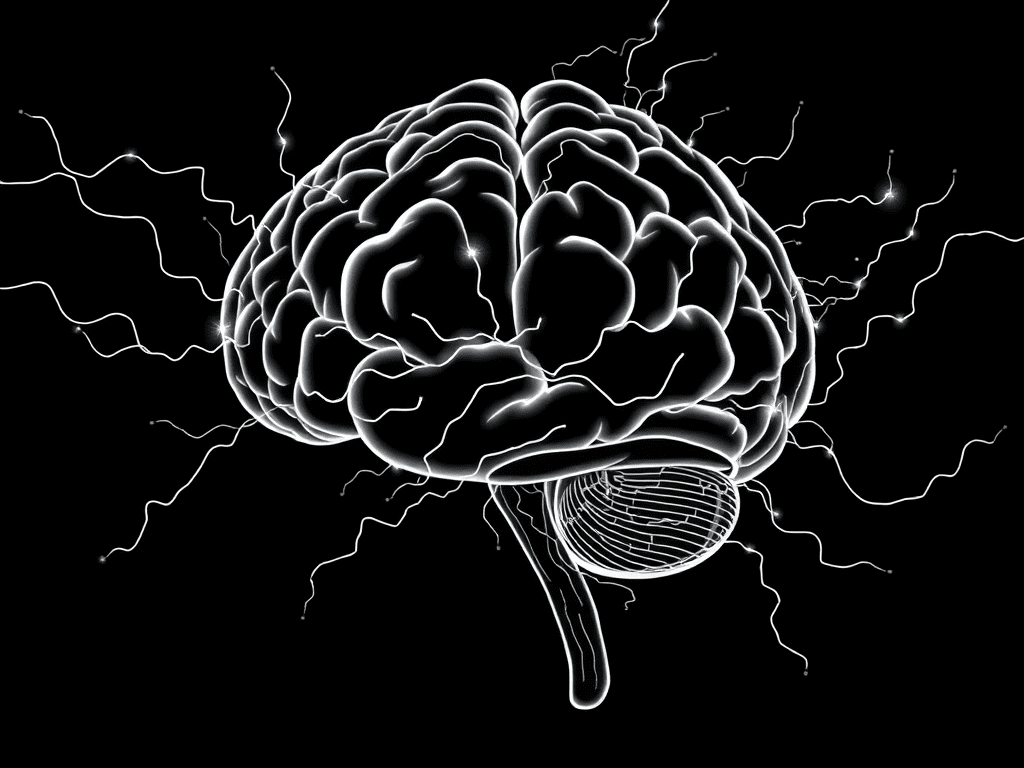
If you or someone you know experiences migraine attacks, you understand they are much more than just bad headaches. Migraine is a complex condition rooted deep within the brain. For a long time, scientists were puzzled by what exactly happens during these intense episodes. But thanks to incredible migraine brain research, we’re starting to unlock the secrets of the migraine brain. Scientists have made some truly mind-blowing discoveries that change how we think about migraine, leading to better understanding and even new treatments. Get ready to explore ten scientific breakthroughs that reveal the fascinating, and sometimes surprising, inner workings of the brain during migraine.
1. It’s Not Just a Headache, It’s a Brain Event
For years, many thought migraines were caused primarily by problems with blood vessels in the head swelling and shrinking. While blood vessel changes do happen during a migraine, groundbreaking migraine brain research has shown that’s not the root cause. The real action starts in the brain. Migraine is now understood as a neurological event – think of it like a temporary, complex storm of activity within your brain cells and nerve pathways. This understanding shifted everything! Knowing that migraine originates in the brain itself helps explain the wide range of symptoms beyond head pain, like nausea, sensitivity to light and sound, and even aura. It tells us what causes migraines science-wise is related to brain function, not just plumbing issues in blood vessels. This was a huge leap in understanding this often-invisible condition.
2. The Electrical Wave That Causes Aura (Cortical Spreading Depression)
Ever heard of migraine aura? These are temporary sensory changes some people experience before or during a migraine attack, like seeing flashing lights, zig-zag lines, or feeling tingling. Scientists discovered a fascinating brain phenomenon responsible for this: Cortical Spreading Depression (CSD). Imagine dropping a pebble into a calm pond and seeing ripples spread slowly across the surface. CSD is similar, but it’s a slow wave of intense electrical activity followed by a period of quietness, moving across the surface of the brain (the cortex). This wave disrupts normal brain cell function in its path, leading to the visual or sensory symptoms of aura. Actually identifying this electrical event helped provide a clear biological explanation for aura migraine explanation and showed direct evidence of brain changes during migraine attack. It’s a real, measurable event happening inside the head.
3. Meet CGRP: The Molecule That Shouts “Pain!”
One of the most significant breakthroughs in recent migraine brain research was identifying a tiny molecule with a big role in migraine pain: Calcitonin Gene-Related Peptide (CGRP). Think of CGRP as a messenger molecule. During a migraine attack, certain nerves release CGRP. This molecule then attaches to blood vessels, potentially causing them to widen (dilate), and importantly, it plays a key role in transmitting pain signals and increasing inflammation within the brain’s protective layers (the meninges). It essentially shouts “Pain!” through your nervous system. Discovering the crucial role of CGRP was a game-changer because it provided a specific target for new treatments. This CGRP migraine breakthrough directly answered part of the question, what causes migraines science-wise, by pinpointing a key player in the pain process.
4. Migraine Brains Are Wired Differently (Even Between Attacks)
Scientists using advanced brain imaging techniques have discovered subtle but real differences in the brains of people who get migraines compared to those who don’t, even when they aren’t having an attack. These migraine brain differences might involve the structure (like the thickness of certain brain areas) or the function (how different parts of the brain communicate or react to stimuli). For example, some studies suggest that migraine brains might be more sensitive or responsive to sensory input like light, sound, or smells. This doesn’t mean there’s anything “wrong” with the migraine brain; it just suggests it might be wired in a way that makes it more susceptible to migraine attacks under certain conditions. This ongoing migraine brain research helps explain why some people are predisposed to migraine while others aren’t.
5. The Brainstem: Migraine’s Possible “On Switch”
Deep inside your brain, at the base connecting to the spinal cord, is the brainstem. It controls many essential functions, like breathing and sleeping. Exciting migraine brain research suggests that certain areas within the brainstem, like a part called the pons, might act as a kind of “migraine generator” or control center. Studies using brain scans have shown increased activity in the brainstem before the headache pain even starts, suggesting it could be involved in kicking off the migraine cascade. While the exact mechanism of what causes migraines science-wise is still being unravelled, understanding the brainstem’s role helps pinpoint where a migraine attack might originate, offering clues for how to potentially switch it off early. This area is thought to be involved in the very first brain changes during migraine attack.
6. Your Genes Play a Role (It Can Run in Families)
Have you noticed that migraines often seem to run in families? That’s not just a coincidence! Migraine genetics research has shown that genes definitely play a part. While migraine isn’t caused by a single “migraine gene” for most people (it’s usually a combination of many genes interacting with environmental factors), your genetic makeup can make you more likely to develop migraine. For some rare and severe types of migraine, like familial hemiplegic migraine (which causes temporary weakness on one side of the body), scientists have even identified specific gene mutations responsible. This breakthrough helps us understand that migraine has a biological basis and isn’t just triggered by external factors alone. Ongoing migraine brain research continues to uncover more about the genetic links, paving the way for more personalized understanding and potentially treatments in the future.
7. Triggers Don’t Cause Migraine, They Activate It
People with migraine often identify specific “triggers” – things that seem to set off an attack, like stress, bright lights, certain foods, or changes in sleep patterns. For a long time, it was thought these triggers caused the migraine. However, a key scientific breakthrough is understanding that triggers likely don’t cause the underlying susceptibility to migraine. Instead, for someone with a pre-wired migraine brain, these factors act more like switches, pushing the brain over a threshold and initiating an attack that was potentially already brewing. Understanding migraine triggers science this way is empowering. While avoiding triggers is helpful, it shifts the focus to the brain’s inherent sensitivity, clarifying what causes migraines science involves – an interaction between a susceptible brain and internal or external factors.
8. The Brain Gets Extra Sensitive (Allodynia Explained)
During a migraine attack, have you ever noticed that things that normally don’t hurt suddenly feel painful? Maybe brushing your hair, wearing glasses, or even a light touch on the skin becomes uncomfortable? This phenomenon has a name: allodynia. A major breakthrough was understanding that this happens because the nervous system becomes hypersensitive during a migraine, a process called central sensitization. It’s like the “volume knob” for sensory input gets turned way up. Pain signals become amplified, and normal sensory signals get misinterpreted as painful. This finding helps explain why migraine attacks can be so debilitating and why the pain can sometimes feel widespread. Recognizing these brain changes during migraine attack validates the experiences of people with migraine and highlights migraine brain differences in processing sensory information during an episode.
9. Imaging Shows the Brain Changing During Attacks
Seeing is believing! One of the most powerful breakthroughs in migraine brain research came with the advent of advanced neuroimaging techniques like functional MRI (fMRI) and PET scans. These tools allow scientists to peer inside the brain and actually see what’s happening during the different phases of a migraine attack. They can observe brain changes during migraine attack, such as shifts in blood flow, altered activity in specific brain regions (like the brainstem and cortex), and the effects of CSD. This visual evidence has been crucial in confirming that migraine is a genuine biological event with measurable changes in brain function, helping to dispel old myths that it was “all in the head” in a psychological sense. It provides concrete proof of the complex neurological processes involved.
10. New Treatments Target the Brain’s Own Chemistry (Like Anti-CGRP)
Perhaps the most hopeful breakthroughs are those leading directly to better treatments. By understanding the specific molecules and pathways involved in migraine, like the CGRP migraine breakthrough, scientists have been able to develop targeted therapies. The development of CGRP inhibitors – medicines specifically designed to block the activity of CGRP – is a prime example. These treatments, available as injections or pills, represent a new era in migraine management because they were rationally designed based on migraine brain research about the condition’s underlying biology. This contrasts with older treatments that were often borrowed from therapies for other conditions. These new migraine treatments science offers hope by directly addressing the unique chemistry of the migraine brain, leading to more effective relief for many people.
Conclusion
The journey into understanding the migraine brain has been incredible. These ten breakthroughs, driven by dedicated migraine brain research, have transformed our view of migraine from just a headache to a complex neurological event with identifiable brain changes and chemical players. While there’s still more to learn, this growing knowledge chips away at stigma, empowers people with migraine, and most importantly, fuels the development of more effective, targeted treatments. The science truly is mind-blowing, offering ever-increasing hope for the millions affected by migraine worldwide.
Further Reading
Want to dive deeper into the amazing brain or learn more about migraine? Check out these resources:
- The Migraine Trust (migrainetrust.org): A UK charity with excellent information, including resources specifically for children and teens affected by migraine.
- American Migraine Foundation (americanmigrainefoundation.org): Provides reliable patient guides, information about research, and resources for living with migraine.
- BrainFacts.org: Run by the Society for Neuroscience, this website offers trustworthy and accessible information about brain science in general.
- The Brain: All About Our Nervous System and More! by Seymour Simon: A well-regarded book for young readers explaining the basics of how the brain and nervous system work, providing good background context.




Leave a Reply