
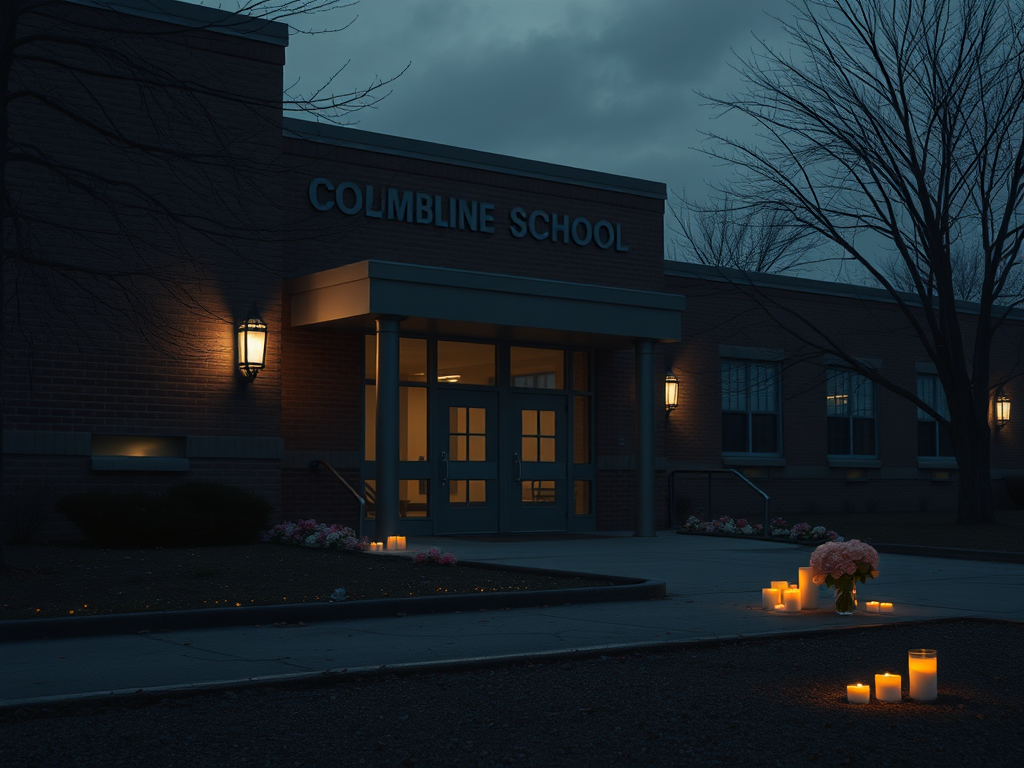
The events at Columbine High School on April 20, 1999, were a turning point in modern American history. What happened that day was a tragedy of immense scale, forever changing the lives of those involved and sparking nationwide discussions about safety, mental health, and violence. It was a deeply shocking event because it happened in a place where young people were supposed to feel safe – their school. While it is a difficult topic, understanding what happened and why it matters is important for learning from the past and working towards a safer future. This event brought many complex issues into the spotlight, and its impact is still felt today in schools and communities across the country. Let’s look at ten key aspects of this significant historical event.
1. What Happened on April 20, 1999?
On the morning of April 20, 1999, two students attacked Columbine High School in Littleton, Colorado. They were heavily armed and carried bombs. Their initial plan involved setting off bombs in the cafeteria, intending to shoot survivors fleeing the building. When the bombs failed to detonate as planned, they began shooting students and staff outside and then moved inside the school. The attack resulted in the deaths of 12 students and one teacher, and injured many others, before the two attackers took their own lives. The Columbine High School massacre explained a horrific reality: that extreme violence could shatter the peace of a seemingly ordinary school day, leaving a community and a nation in shock and grief.
2. Why Did It Shock the Nation?
The Columbine High School massacre sent shockwaves across the United States and around the world primarily because of where it happened – a school – and who the victims were – mostly teenagers. Before Columbine, school shootings, especially on this scale, were rare and seemed almost unimaginable to many people. The idea that students could plan and carry out such a violent attack against their classmates and teachers was horrifying. It shattered a sense of innocence and safety associated with schools. The extensive media coverage brought the tragedy into homes everywhere, forcing people to confront difficult questions about youth violence, bullying, mental health, and safety in public spaces.
3. Understanding the Attackers’ Motives (Complex and Debated)
Understanding why the attackers did what they did is complex and has been the subject of much investigation and debate. It wasn’t a single, simple reason. Factors believed to have contributed include psychological problems, experiences with bullying, fascination with violence, and access to weapons. They left behind writings and videos expressing anger, feelings of alienation, and plans for violence. While attempts have been made to find clear answers, the mix of personal issues, social dynamics, and access to means remains a challenging puzzle. Focusing on warning signs of school violence and promoting mental health support has become a critical area of study and prevention efforts since Columbine.
4. The Emergency Response on That Day
The response of law enforcement and emergency services on the day of the massacre was a critical and, in some ways, challenging part of the event. Police arrived quickly but were initially trained to set up a perimeter and wait for specialized SWAT teams before entering a building with active shooters. This protocol meant there was a delay before officers entered the school to confront the attackers and help the injured. The scale and nature of the attack were unprecedented, and the response highlighted the need for new strategies for handling active shooter situations. This directly led to significant changes in police training across the country, emphasizing immediate entry and neutralization of the threat.
5. Changes in School Security Since Columbine
One of the most visible and enduring impacts of the Columbine High School massacre was the dramatic increase in changes in school security since Columbine. Schools across the nation implemented new measures to try and prevent similar tragedies. These changes included installing metal detectors, security cameras, locked doors, visitor sign-in procedures, and increasing the presence of school resource officers (police officers assigned to schools). Schools also developed detailed emergency plans for lockdowns and evacuations. While these measures aim to create a safer physical environment, they also changed the atmosphere of schools, making security a much more prominent part of the daily experience for students and staff.
6. The Focus on Warning Signs of School Violence
Following Columbine, there was a strong focus on identifying potential warning signs of school violence. Experts and educators began studying the behaviors and communications of individuals who perpetrate school attacks, looking for patterns or indicators that might signal a risk. This led to increased awareness campaigns for students, parents, and teachers about recognizing concerning behaviors, threats, or signs of distress in young people. The goal was to encourage people to report potential threats so that individuals could receive help before violence occurred. This proactive approach to identifying and addressing risks became a key part of school safety strategies.
7. The Role of Mental Health and School Violence
The Columbine tragedy also brought the complex relationship between mental health and school violence to the forefront of public discussion. While it’s crucial to remember that most people with mental health conditions are not violent, and violence is caused by many factors, the event highlighted the need for better mental health support for young people. Discussions focused on making mental health services more accessible in schools and communities, reducing the stigma associated with seeking help, and training educators to recognize signs of mental distress in students. Understanding and supporting the mental well-being of students is now recognized as a vital component of school safety efforts.
8. Impact on the Debate Over Gun Control After Columbine
The Columbine High School massacre significantly intensified the debate over gun control after Columbine. The fact that the attackers were able to acquire weapons, including a semi-automatic rifle and shotguns, fueled arguments for stricter gun laws. Discussions focused on issues like background checks for gun sales, bans on certain types of firearms, and waiting periods for purchasing guns. While legislative changes have been contentious and varied across different states and at the federal level, Columbine remains a key event cited by advocates on both sides of the gun control debate, underscoring the enduring societal challenge of balancing gun rights with public safety.
9. The Legacy of Columbine and School Shootings
Sadly, the Columbine High School massacre was not the last school shooting in the United States. It was followed by other tragic events in the years since. However, Columbine is often seen as a turning point because of its scale at the time and the profound impact it had on the national consciousness and subsequent responses to school violence. It created a tragic legacy that continues to influence discussions about school safety, emergency preparedness, and the factors that contribute to such violence. Its impact can be seen in everything from school architecture to national policy debates, making it a significant event in the history of school shootings in the US.
10. Lessons Learned from Columbine About Preparedness and Awareness
Beyond the specific changes in security and policy, one of the major lessons learned from Columbine is the critical importance of preparedness and awareness. For schools, this meant developing detailed emergency plans and practicing drills so students and staff know how to respond in a crisis. For communities, it meant fostering open communication about potential threats and encouraging people to speak up if they see or hear something concerning. For individuals, it highlighted the need for awareness of mental health issues and the importance of fostering a supportive and inclusive environment to prevent alienation and potential pathways to violence. While the event was a tragedy, the focus on learning and preparing has aimed to make schools safer places.
The Columbine High School massacre was a deeply painful event that revealed vulnerabilities in our society and our schools. It forced difficult conversations and led to significant changes aimed at increasing safety and addressing the complex root causes of violence. By understanding this event’s historical context, its impact on safety protocols, the lessons learned about warning signs and mental health, and its ongoing relevance to debates like gun control, we can appreciate the lasting significance of this tragedy and the ongoing efforts to prevent similar events in the future.
Further Reading
To learn more about historical events, societal challenges, and the importance of community and safety, consider exploring these books:
- Fault Lines in the Constitution: The Framers, Their Fights, and the Flaws that Affect Us Today by Cynthia Levinson and Sanford Levinson 1 (Explores foundational US debates relevant to rights and laws) 1. www.gatewayreadingcouncil.org www.gatewayreadingcouncil.org
- The Ostrich and the Emu: And Other Animal Pairs That Drive Us Crazy by Matt Simon (Explores complex systems in nature, can draw parallels to complex societal issues)
- Turning 15 on the Road to Freedom: My Story of the 1965 Selma Voting Rights March by Lynda Blackmon Lowery (A memoir about a young person navigating a difficult historical event and fighting for change)
- Hidden Figures: The True Story of Four Black Women and the Space Race by Margot Lee Shetterly (Illustrates overcoming obstacles and making significant contributions, relevant to tackling big problems)




Leave a Reply