
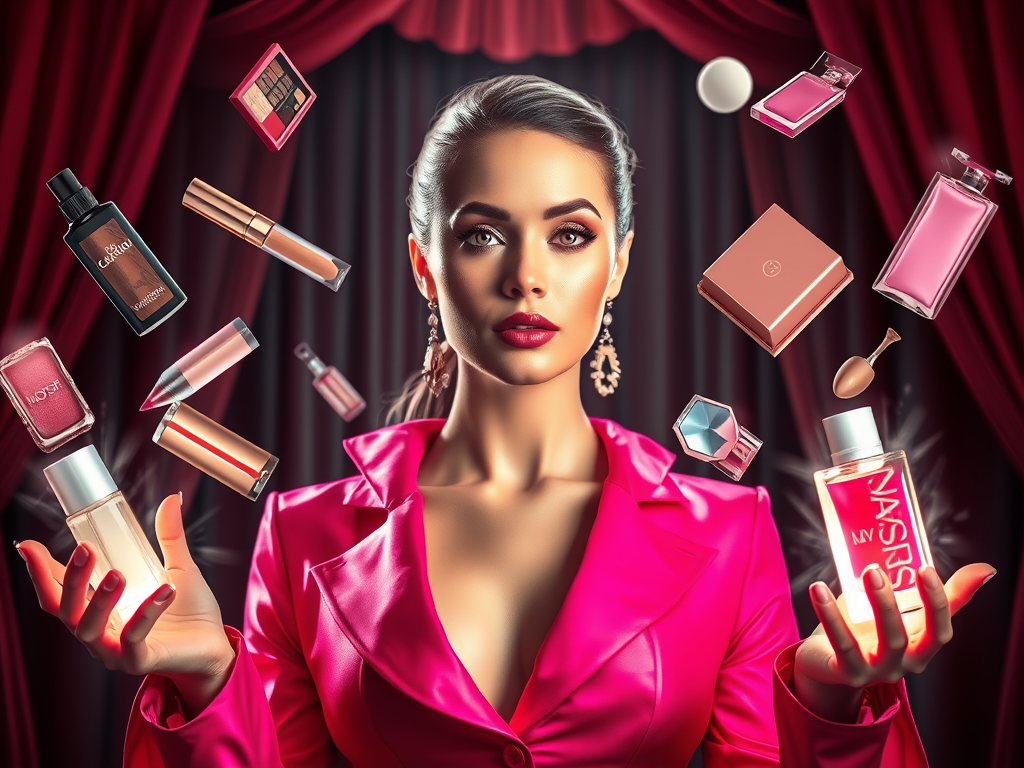
Hey everyone! Do you ever flip through a magazine, scroll online, or watch an ad and see super stylish people with flawless skin and perfect hair? It’s hard not to! The fashion and beauty industries are amazing at creating dazzling images and exciting new trends. They can be a fun way to express yourself and feel good. But sometimes, what they’re selling isn’t quite the whole truth. It’s like a magic show – what you see isn’t always what’s real.
These industries are businesses, and their main goal is to sell products. To do that, they sometimes create illusions that can make us feel like we need to buy certain things to be happy, popular, or beautiful. But guess what? You already have everything you need to be awesome, just by being you! Understanding these illusions is the first step to breaking free from their pressure and feeling truly confident. Let’s pull back the curtain on some of these “magic tricks” and learn how to see them for what they are.
1. The “Perfect Body” Illusion: Why Everyone Looks Flawless (Hint: They Don’t!)
Have you ever seen a model in an ad and thought, “Wow, their skin is like glass, and they don’t have a single hair out of place!”? This is one of the biggest fashion and beauty industry secrets. The truth is, those images are almost always heavily edited. Think of it like a digital makeover! Editors use special software to smooth skin, erase pimples or scars, make eyes bigger, teeth whiter, and even change body shapes. It’s called airbrushing or photoshopping. So, that “perfect” person you see? They don’t wake up looking exactly like that either! This illusion of unrealistic beauty standards can make us feel bad if our real bodies don’t match up.
How to Break Free: Remember that ads are selling a fantasy, not reality. Look for brands that show unedited or minimally edited photos – they’re out there! Follow social media accounts that celebrate all body types and realness. Most importantly, focus on what your body can do – run, jump, dance, hug – rather than just how it looks. Your worth isn’t measured by how closely you match an airbrushed photos truth. Real bodies have bumps, marks, and all sorts of unique features, and that’s what makes everyone interesting and human!
2. The “You Need This to Be Happy/Popular” Illusion: Linking Stuff to Feelings
Ads are super clever at making us think that buying a certain lipstick, a new pair of sneakers, or a trendy jacket will magically make us happier, more confident, or super popular. They show people laughing with friends, looking powerful, or getting lots of attention, all while using their product. This is a powerful marketing trick in ads. They’re not just selling a thing; they’re selling an idea or a feeling. The illusion is that the product creates the happiness, not the person or the situation. Think about it: will a specific brand of soda really make your friendships stronger? Probably not as much as being a kind and supportive friend yourself.
How to Break Free: Next time you see an ad, ask yourself: “What feeling are they trying to sell me?” and “Can I achieve this feeling without buying this product?” Often, happiness and confidence come from within, from our relationships, our hobbies, and how we treat ourselves and others. True popularity comes from being a good person, not from owning the latest “it” item. Focus on feeling good about your looks and your life in ways that don’t depend on constant buying.
3. The “Endless Trend Cycle” Illusion: Keeping You Chasing “New”
Have you noticed how fashion trends seem to change faster than the seasons? One minute skinny jeans are in, the next it’s all about baggy ones. This constant stream of “new” is another of the big fashion and beauty industry secrets. It’s designed to make you feel like what you bought last month, or even last week, is already “out.” This creates a sense of urgency, making you want to buy more to keep up. This is especially true with “fast fashion,” where clothes are made cheaply and quickly to match these fast-changing trends. The illusion is that you must have the latest thing to be stylish or fit in.
How to Break Free: Develop your own personal style! What clothes make you feel comfortable and confident, regardless of what’s “trending”? Look for timeless pieces that you genuinely love and can wear for a long time. Learn a bit about fast fashion problems for kids and adults – like how it can be bad for the environment and the people who make the clothes. You can also try swapping clothes with friends, shopping at second-hand stores, or learning to mend and customize what you already own. Being truly stylish is about creativity, not just constant consumption.
4. The “Miracle Product” Illusion: One Cream to Fix Everything?
“Erase wrinkles overnight!” “Get rid of acne in 24 hours!” “Grow luscious long hair in a week!” The beauty industry often sells the idea of “miracle” products that promise instant, dramatic results. These claims can be very tempting, especially if you’re feeling insecure about something. They use impressive-sounding scientific words or show amazing before-and-after pictures (which, as we know, can be part of the airbrushed photos truth). While some products can certainly help with skincare or haircare, the idea that one single item can magically transform you without any effort or side effects is usually an illusion.
How to Break Free: Be skeptical of claims that sound too good to be true. Read ingredient lists and do a little research on what those ingredients actually do. Remember that healthy skin and hair often come from good habits like a balanced diet, enough sleep, and a consistent, gentle care routine, not just one expensive potion. If you have concerns about your skin or hair, it’s always best to talk to a trusted adult or a dermatologist rather than relying on marketing tricks in ads for “miracle” cures. You can often save money on beauty products by choosing simpler, effective options.
5. The “Luxury Equals Quality” Illusion: Does a Big Price Tag Always Mean Better?
We often see super expensive designer clothes, bags, or makeup and assume they must be way better than more affordable options. The high price tag itself can create an illusion of superior quality, exclusivity, and desirability. Sometimes, luxury items are made with higher-quality materials or craftsmanship. But other times, you’re paying a lot for the brand name, the fancy packaging, and the image they’ve built around it through advertising featuring celebrity beauty secrets vs reality. A simple t-shirt from a luxury brand might not be much different in material or construction than one from a more budget-friendly store.
How to Break Free: Don’t let the price tag alone convince you. Learn to look for signs of good quality yourself – check the stitching, the feel of the fabric, and the ingredients in beauty products. Read reviews from different sources. Sometimes, a less expensive item can be just as good, or even better, for your needs. The real value comes from how well something works for you and how much you genuinely enjoy it, not just from how much it cost or what logo is on it. This way, you can decide if it’s worth it to save money on beauty products or clothes, or if a particular item is a worthwhile investment for you.
6. The “Celebrity Endorsement” Illusion: If They Use It, It Must Be Amazing!
When your favorite singer, actor, or influencer says they absolutely love a certain face cream or brand of jeans, it’s easy to believe it must be fantastic. This is the power of celebrity endorsements, a common marketing trick in ads. Celebrities have a huge influence, and brands pay them a lot of money to promote their products. The illusion is that the celebrity genuinely uses and adores this product in their everyday life, and that by using it, you’ll get a little piece of their glamorous lifestyle. The reality is often that it’s a paid partnership, a business deal.
How to Break Free: Remember that celebrities are often being paid to say good things about a product. It’s their job in that moment! Just because they promote it doesn’t automatically mean it’s the best product for you or that it’s solely responsible for their success or looks. Think about celebrity beauty secrets vs reality – they often have access to professional stylists, chefs, trainers, and dermatologists. Instead of buying something just because a celebrity endorses it, research the product itself and see if it fits your needs and values. Make choices based on what you like, not just who else likes it.
7. The “Limited Edition & Scarcity” Illusion: Buy It NOW Before It’s Gone!
“Only 100 made!” “Available for 24 hours only!” “Selling out fast!” Have these phrases ever made your heart beat a little faster and your finger hover over the “buy now” button? This is the illusion of scarcity. Brands create this feeling that if you don’t act immediately, you’ll miss out on something amazing and unique. It plays on our fear of missing out (FOMO). This tactic is designed to rush your decision-making, so you don’t have time to think too hard about whether you really need or even want the item. It’s another of the clever fashion and beauty industry secrets to drive sales.
How to Break Free: When you feel that urge to buy something because it’s “limited,” take a pause. Ask yourself: “Would I want this as much if there were thousands available and I could buy it any time?” Usually, the answer helps you see if it’s genuine desire or just the pressure of scarcity. Most “limited edition” items are not truly essential, and often similar things will come along later. Give yourself a cooling-off period – wait 24 hours before buying. If you still really want it and can afford it, then make your choice calmly, not in a rush.
8. The “Exclusion Makes It Cool” Illusion: If It’s Hard to Get, It Must Be Better
Sometimes, brands make their products seem super exclusive, either through high prices, limited availability, or an image that suggests “only certain kinds of people” use them. This can make owning these items feel like being part of a special club. The illusion is that this exclusivity automatically makes the product (and by extension, you) cooler or more important. It taps into our natural desire to belong and be seen as special. But often, this exclusivity is a carefully crafted marketing strategy, one of the more subtle marketing tactics fashion beauty industries use, designed to increase demand and perceived value rather than reflecting true superiority.
How to Break Free: True coolness comes from your personality, your kindness, your talents, and your unique way of seeing the world – not from owning something that’s hard to get. Question why something feels “exclusive.” Is it genuinely about unique quality, or is it more about making you feel like you’re missing out if you don’t have it? Focus on inclusivity and expressing your individuality in ways that don’t rely on brand status. Remember, the best “clubs” are those built on shared interests and genuine connections, not on what products you own. Feeling good about your looks and life is about self-acceptance, not exclusive brands.
9. The “Beauty Comes in a Bottle (or Jar)” Illusion: External Fixes for Internal Feelings
Feeling a bit down or insecure? The beauty industry often subtly suggests that a new makeup product, a fancy face mask, or a trendy hairstyle can be a quick fix for those feelings. Ads show people transforming from looking sad or unsure to radiant and confident, seemingly just by using a product. While self-care rituals like doing your makeup or having a spa day at home can be enjoyable and relaxing, the illusion is that these external things can solve deeper feelings of insecurity or unhappiness. This is one of the core fashion and beauty industry secrets – linking self-worth to products.
How to Break Free: Recognize that it’s okay to have off days or feel insecure sometimes – everyone does! While pampering yourself can be a nice mood booster, true and lasting confidence comes from within. Focus on activities that build your self-esteem: learn a new skill, help someone else, spend time on hobbies you love, or talk about your feelings with a trusted friend or family member. Understand that feeling good about your looks is part of overall well-being, which includes mental and emotional health, not just what you put on your face or body. If you’re struggling with persistent bad feelings, it’s always okay to seek support.
10. The “You Are What You Wear” Illusion: Equating Identity with Brands
Fashion is a fantastic way to express yourself, show your personality, and feel creative. But sometimes, there’s an illusion that the brands you wear define who you are as a person. Ads might suggest that people who wear a certain label are more adventurous, sophisticated, or cool. This can pressure you into thinking you need specific brands to project a certain image or to fit in with a particular group, which links back to unrealistic beauty standards and social pressures. While clothes can be part of your identity, they are not the whole story.
How to Break Free: Remember that you are so much more than the labels you wear or the trends you follow. Your character, your values, your kindness, your humor, your intelligence – these are the things that truly define you. Use fashion as a fun tool for self-expression, not as a crutch for your identity. Mix and match, create your own style, and wear what makes you feel good, whether it’s a designer piece, a thrift store find, or something your grandma knitted! Don’t let brands tell you who you are. You tell the world who you are, and let your clothes be one fun way you do it. Break free from the idea that you need to buy into an image; create your own.
Breaking free from these illusions isn’t about rejecting fashion and beauty altogether. It’s about becoming a smarter, more conscious consumer. It’s about understanding the messages you’re being sent and choosing what you want to believe and buy into. When you know these fashion and beauty industry secrets, you take back the power. You can enjoy the fun and creativity of these worlds on your own terms, without letting them dictate your happiness or your worth. True style and beauty shine from the inside out!
Further Reading
If you’re interested in learning more about these topics, check out these books:
- The Body Image Workbook for Teens: Activities to Help You Feel Good in Your Own Skin by Julia V. Taylor MA
- Ad Nauseam: A Survivor’s Guide to American Consumer Culture by Carrie McLaren and Jean Kilbourne
- Overdressed: The Shockingly High Cost of Cheap Fashion by Elizabeth L. Cline
- You Are a Badass: How to Stop Doubting Your Greatness and Start Living an Awesome Life by Jen Sincero (While not solely about fashion/beauty, it’s great for building self-worth)
- Liked: Whose Approval Are You Living For? by Kari Kampakis (Focuses on social media pressures relevant to teens)
Here at Zentara.blog, our mission is to take those tricky subjects and unlock them, making knowledge exciting and easy to grasp for everyone. But the adventure doesn’t stop on this page! We’re constantly exploring new frontiers and sharing discoveries across the digital universe.
Want to dive deeper into more mind-bending Top 10s and keep expanding your world? Come join us on our other platforms – we’ve got unique experiences waiting for you on each one!
- Get inspired by visual wonders and bite-sized facts: See the world through Zentara’s eyes on Pinterest! Pin our fascinating facts and stunning visuals to your own boards. Explore Pins on Pinterest: https://uk.pinterest.com/zentarablog/
- Discover quick insights and behind-the-scenes peeks: Hop over to Tumblr for snippets, quotes, and unique content you won’t find anywhere else. It’s a different flavour of discovery! Follow the Fun on Tumblr: https://www.tumblr.com/zentarablog
- Ready for deep dives you can listen to or watch? We’re bringing our accessible approach to video and potentially audio! Subscribe to our YouTube channel and tune into future projects that make learning pop! Subscribe on YouTube: https://www.youtube.com/@ZentaraUK
- Seeking even more knowledge in one place? We’ve compiled some of our most popular topic deep dives into fantastic ebooks! Find them on Amazon and keep the learning journey going anytime, anywhere. Find Our Ebooks on Amazon: https://www.amazon.co.uk/s?k=zentara+uk&crid=2273NA7RAJ1EU&sprefix=zentara+uk%2Caps%2C90&ref=nb_sb_noss
- Connect with us and fellow knowledge seekers: Join the conversation on BlueSky! We’re sharing updates, thoughts, and maybe even asking you what wonders we should explore next. Chat with Us on BlueSky: https://bsky.app/profile/zentarablog.bsky.social
- Perfect for learning on the move! We post multiple 10-minute podcasts per day on Spotify. Pop on your headphones and fill your day with fascinating facts while you’re out and about! Listen on Spotify: https://open.spotify.com/show/3dmHbKeDufRx95xPYIqKhJ
Every click helps us keep bringing honest, accessible knowledge to everyone. Thanks for exploring with us today – see you out there in the world of discovery!




Leave a Reply