
Hey there! Have you ever wondered how you remember your best friend’s name, what you had for dinner last night, or how to ride a bike even years later? It all comes down to something incredible happening inside your head: memory! Memory is like your brain’s amazing filing system, constantly taking in information, sorting it, and storing it so you can access it later. It’s what makes you you, holding onto your experiences, knowledge, and skills.
But memory isn’t just one simple thing. It’s a complex process with different stages and types, and it works in ways that are truly mind-boggling! Sometimes it feels perfect, like when you can recall a favorite song lyric instantly. Other times, it can be frustrating, like when you forget where you put your keys! Scientists are still learning so much about memory, but they’ve already discovered some super cool facts about how this vital part of our brain functions.
Ready to unlock some secrets about your own amazing memory? Let’s dive into ten fascinating facts about how memory works!
1. Your Brain Has Different Types of Memory
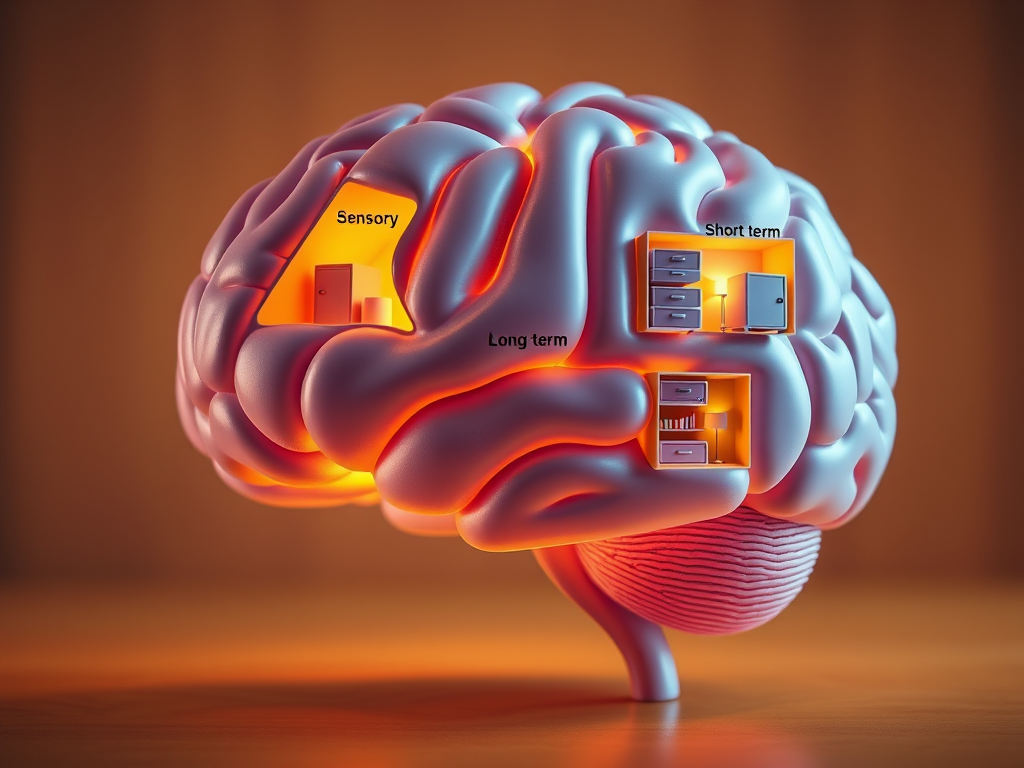
Think of your memory like a house with different rooms, each used for different kinds of storage. Scientists often talk about a few main types of memory. First, there’s sensory memory. This is super brief, lasting only a second or two. It’s like a quick snapshot of everything your senses are taking in right now – the sight of these words, the feeling of the chair you’re sitting on, the sounds around you. Most of this information fades instantly unless you pay attention to it. If you do pay attention, it moves to short-term memory. This is like your brain’s temporary workspace. It holds a small amount of information for a short period, maybe 20-30 seconds, unless you actively try to remember it (like repeating a phone number to yourself). Finally, there’s long-term memory. This is where information you want to keep for a long time goes – days, years, or even a lifetime. It has a huge capacity and stores everything from facts you learned in school to memories of your childhood. Understanding these different types of memory helps explain how memory works in stages, from noticing something briefly to storing it for the future.
2. Short-Term Memory Is Like a Mental Scratchpad
Let’s focus a bit more on short-term memory, also sometimes called working memory. Imagine you’re trying to remember a list of groceries your parent just told you: milk, eggs, bread, cheese. Your brain holds onto that list for a little bit, just long enough for you to maybe write it down or walk to the kitchen. This is your short-term memory in action. It’s like having a small notepad in your brain where you can jot down temporary notes. However, this notepad only has so much space! You can usually only hold about 7 items (give or take a couple) in short-term memory at one time. And if you get distracted, that information can disappear quickly. This is why cramming right before a test often doesn’t work for long-term learning – the information might only be sitting in your short-term memory, and if you don’t move it to long-term storage, you’ll forget it soon after the test. It’s essential for understanding how memory works in the moment, allowing us to process information actively before it’s saved or discarded.
3. Long-Term Memory Has a Massive Capacity
While short-term memory is limited, long-term memory is practically boundless. Think of it not like a notepad, but like an enormous library or a gigantic hard drive in your brain. It can store an incredible amount of information: facts about history, faces of everyone you’ve ever met, how to speak your language, the feelings associated with important events, and countless skills. No one knows exactly how much information the human brain can store in long-term memory, but scientists believe the capacity is incredibly vast, perhaps virtually unlimited. When you learn something new that you understand and engage with, your brain works to transfer it from short-term memory into this massive long-term memory storage. This process takes time and effort, often involving sleep! Unlike the fleeting nature of short-term memory, information stored well in long-term memory can potentially last a lifetime, forming the foundation of your knowledge and identity.
4. Forming Memories Involves Changing Brain Connections
How does information actually get stored in your brain? It’s not like writing in a notebook! Instead, memories are stored as patterns of connections between brain cells, called neurons. When you learn something new or have an experience, specific neurons in your brain become active. If this happens repeatedly or the experience is significant, the connections between those neurons get stronger. Think of it like walking a path in a field. The first time you walk it, there might be no clear path. But the more you walk it, the more worn down and clearer the path becomes. Similarly, the more you review information or recall a memory, the stronger the connections between the relevant neurons become, making it easier to access that memory later. This process of strengthening connections is called synaptic plasticity, and it’s a fundamental part of how the brain stores memories. It highlights that memory isn’t static; it’s a dynamic process of building and modifying the very structure of your brain.
5. The Hippocampus Is Key to Making New Memories
There’s a small, seahorse-shaped area deep inside your brain called the hippocampus, and it plays a crucial role in forming new memories, especially those about events and facts (called declarative memories). The hippocampus acts like a kind of sorting station and organizer for new information coming in from your senses and short-term memory. It helps link together the different pieces of a memory – the sights, sounds, emotions, and location – and then helps transfer this consolidated information to other parts of the brain for long-term memory storage. If the hippocampus is damaged, like from an injury or illness, a person might struggle to create new memories, even if they can still remember things from before the damage occurred. This is why the hippocampus is considered so vital to understanding how memory works, acting as a gateway for turning experiences into lasting recollections. Without a properly functioning hippocampus, much of what you experience would simply vanish, unable to be filed away in your brain’s long-term library.
6. Sleep Is Super Important for Memory
You might think your brain rests completely when you sleep, but it’s actually very busy, especially with memory! Sleep, particularly deep sleep and REM (Rapid Eye Movement) sleep, plays a critical role in consolidating memories. This is the process where your brain stabilizes and strengthens the new memories you formed while awake and moves them from temporary storage (like the hippocampus) to more permanent storage locations in the brain’s cortex. It’s like your brain is reviewing and filing away the day’s events and lessons. If you don’t get enough sleep, your brain doesn’t have enough time to complete this crucial filing process. This can make it harder to remember what you learned the previous day and can even affect your ability to learn new things the next day. So, getting enough quality sleep isn’t just important for feeling rested; it’s essential for helping how memory works effectively, allowing you to learn and remember things for the long haul. Prioritizing sleep is a simple but powerful way of improving memory.
7. Forgetting Is a Normal Part of Memory
It might seem annoying when you forget something, but forgetting is actually a normal and even necessary part of how memory works. Imagine if you remembered absolutely everything – every single leaf on every tree you’ve ever seen, every single word you’ve ever heard. Your brain would be completely overwhelmed! Forgetting helps clear out less important information, making it easier to access the memories that are actually useful. There are different reasons why we forget. Sometimes, a memory simply fades over time if you don’t access it. This is called decay. Other times, new information can interfere with old memories, making them harder to retrieve. This is interference. Sometimes, you just can’t find the right “cue” to access a memory, even though it’s still stored somewhere in your brain. While frustrating at times, forgetting allows our memory system to be efficient and focus on what’s most relevant, which is a key part of how memory works effectively over a lifetime.
8. Memory Can Be Tricked or Changed
Our memories feel so real and solid, but fascinating research shows that memory isn’t like a perfect video recording. When you recall a memory, you’re actually reconstructing it using the information stored in your brain, and this reconstruction process can sometimes be influenced by new information or suggestions. This means memories can sometimes be inaccurate, change over time, or even be completely false (called false memories). For example, if someone tells you a story about an event you both witnessed, their version might subtly influence your own recollection. This isn’t usually intentional; it’s just part of how memory works. Our brains try to make sense of things and fill in gaps, which can sometimes lead to distortions. Understanding that memory is reconstructive helps us appreciate its flexibility but also reminds us that it’s not always a perfectly reliable record of the past. This is why eyewitness testimony, while valuable, needs to be treated with care.
9. Emotions Play a Big Role in Memory
Have you ever noticed how you tend to remember things that happened when you felt a strong emotion, whether happy, sad, scared, or excited? There’s a reason for that! The brain structures involved in processing emotions, particularly a small almond-shaped area called the amygdala, are closely connected to the hippocampus, which is crucial for forming new memories. When something happens that triggers a strong emotional response, the amygdala signals the hippocampus to pay extra attention and prioritize storing that experience. This creates stronger memory traces, making it easier to recall emotional events later. This is an important part of how memory works and why significant life events, like a first day of school or a special birthday party, often stay with us so vividly. Our emotions act like a highlighter for our brain, telling it which experiences are most important to remember for the future. This connection is also why strong emotions can sometimes make it harder to remember details of less emotional events that happened around the same time.
10. You Can Improve Your Memory Skills
While the basic way how memory works is built into your brain, you can definitely improve your ability to learn and remember things! It takes practice and using smart strategies. One effective way is active recall – instead of just rereading notes, try to remember the information from scratch. This strengthens the memory trace. Another technique is spaced repetition, reviewing information at increasing intervals over time. This helps move information into long-term memory. Making connections between new information and things you already know, using mnemonic devices (like acronyms or rhymes), explaining the information to someone else, and organizing information into categories also help how memory works better for you. And don’t forget the basics: getting enough sleep, eating healthy foods, exercising regularly, and staying hydrated all support overall brain health, which is fundamental to improving memory. Memory is a skill you can practice and get better at over time!
Further Reading
- Your Fantastic Elastic Brain: Stretch It, Shape It by JoAnn Deak
- The Human Brain Book by Rita Carter (Note: This is a visual guide and parts may be complex, but images are accessible)
- Memory: What It Is and How to Improve It by Karen Dolby
Here at Zentara.blog, our mission is to take those tricky subjects and unlock them, making knowledge exciting and easy to grasp for everyone. But the adventure doesn’t stop on this page! We’re constantly exploring new frontiers and sharing discoveries across the digital universe.
Want to dive deeper into more mind-bending Top 10s and keep expanding your world? Come join us on our other platforms – we’ve got unique experiences waiting for you on each one!
- Get inspired by visual wonders and bite-sized facts: See the world through Zentara’s eyes on Pinterest! Pin our fascinating facts and stunning visuals to your own boards. Explore Pins on Pinterest: https://uk.pinterest.com/zentarablog/
- Discover quick insights and behind-the-scenes peeks: Hop over to Tumblr for snippets, quotes, and unique content you won’t find anywhere else. It’s a different flavour of discovery! Follow the Fun on Tumblr: https://www.tumblr.com/zentarablog
- Ready for deep dives you can listen to or watch? We’re bringing our accessible approach to video and potentially audio! Subscribe to our YouTube channel and tune into future projects that make learning pop! Subscribe on YouTube: https://www.youtube.com/@ZentaraUK
- Seeking even more knowledge in one place? We’ve compiled some of our most popular topic deep dives into fantastic ebooks! Find them on Amazon and keep the learning journey going anytime, anywhere. Find Our Ebooks on Amazon: https://www.amazon.co.uk/s?k=zentara+uk&crid=2273NA7RAJ1EU&sprefix=zentara+uk%2Caps%2C90&ref=nb_sb_noss
- Connect with us and fellow knowledge seekers: Join the conversation on BlueSky! We’re sharing updates, thoughts, and maybe even asking you what wonders we should explore next. Chat with Us on BlueSky: https://bsky.app/profile/zentarablog.bsky.social
- Perfect for learning on the move! We post multiple 10-minute podcasts per day on Spotify. Pop on your headphones and fill your day with fascinating facts while you’re out and about! Listen on Spotify: https://open.spotify.com/show/3dmHbKeDufRx95xPYIqKhJ
Every click helps us keep bringing honest, accessible knowledge to everyone. Thanks for exploring with us today – see you out there in the world of discovery!




Leave a Reply