
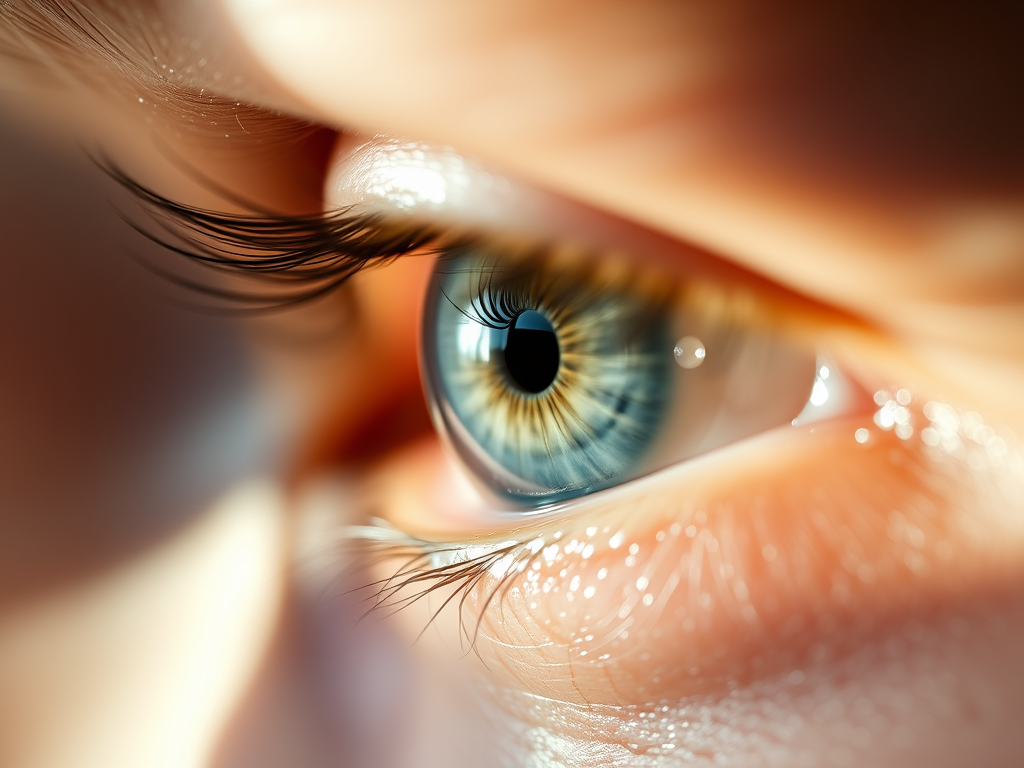
Have you ever found yourself tearing up during a sad movie, when you’re super frustrated, or even when you’re incredibly happy? Crying is one of those mysterious things humans do that can feel a bit confusing. It’s not just about feeling sad, even though that’s what most people think! In fact, tears are incredibly important for our eyes, our bodies, and even our minds.
Scientists and psychologists have spent years studying why we cry, and they’ve discovered some truly amazing things. It turns out that tears aren’t just drops of salty water; they’re packed with special chemicals and messages. They help us in more ways than you might imagine, from keeping our eyeballs healthy to helping us communicate without saying a single word.
Before we dive into the top 10 reasons, did you know there are actually three main types of tears?
- Basal Tears: These are like your eye’s natural, everyday windshield wipers. They’re always in your eyes, keeping them moist, healthy, and clean, protecting them from dust and dirt.
- Reflex Tears: These are the emergency tears that gush out when something irritates your eye, like chopping onions, getting dust in your eye, or when you cough or vomit. Their job is to wash away nasty stuff quickly.
- Emotional Tears (or Psychic Tears): These are the tears we shed when we’re feeling strong emotions – whether it’s sadness, joy, anger, frustration, or even intense relief. These are the tears we’re mostly going to talk about today, as they have the most fascinating psychological connections!
So, put on your scientific thinking caps, because we’re about to explore the top 10 scientific reasons why we cry, unraveling the amazing psychology of tears!
1. The Eye’s Best Friend: Keeping Things Clear with Basal Tears
Let’s start with the tears you don’t even notice – the basal tears. These aren’t about emotions at all, but they’re incredibly important for the basic biological function of tears. Imagine your eyes are like tiny, super-sensitive cameras. Just like a camera lens needs to be clean to see clearly, your eyes need to be constantly lubricated and washed. Basal tears are always present, forming a thin, protective layer over your eyeball.
These tears contain water, oils, mucus, and even tiny antibodies (which are like little bodyguards fighting off germs!). They keep your eyes moist, prevent them from drying out, and help your vision stay sharp. Every time you blink, you’re spreading a fresh layer of these vital basal tears across your eye, washing away microscopic dust particles and keeping the surface smooth. Without them, your eyes would quickly become dry, irritated, and very uncomfortable, making it hard to see anything clearly. So, even when you’re not feeling any strong emotions, your eyes are always working hard, producing tears to keep themselves healthy and ready for action.
2. The Speedy Eye Wash: Flushing Out Trouble with Reflex Tears
Have you ever been chopping an onion and suddenly felt a burning sensation, followed by a waterfall of tears? Or perhaps a tiny speck of dust flew into your eye, and your vision blurred as your eyes watered uncontrollably. These are reflex tears jumping into action! Their scientific purpose is incredibly straightforward: to protect your eyes from irritants and potential harm. These tears are designed to gush out in large quantities, like a powerful internal hose, to quickly wash away anything that shouldn’t be in your eye.
The moment an irritant is detected – whether it’s a chemical released by an onion, a tiny eyelash, or a puff of smoke – a signal is sent to your brain. Your brain then commands your tear glands to produce a flood of reflex tears. These tears have a slightly different chemical makeup than basal tears, containing more antibodies to fight off any potential infection from the irritant. They are an amazing, automatic defense system, showing how vital the biological function of tears is for our safety. It’s your body’s quick and effective way of literally crying out for help to clear things up!
3. The Body’s Emotional Release Valve: Processing Strong Feelings
Now let’s talk about the tears that most people think of when they hear the word “crying”: emotional tears. These are triggered by powerful feelings, whether it’s deep sadness, overwhelming joy, frustration, anger, or even relief. When you experience a surge of emotion that becomes too intense to handle inside, your brain signals your body to release these special tears. Think of your emotional system as a pressure cooker; when the pressure builds up too much, the safety valve (crying) opens to release some of that tension.
This emotional release is a key reason why we cry. It’s not just a sign of weakness; it’s a natural, healthy way for your body to cope with overwhelming feelings. Scientists believe that crying helps to process and acknowledge the depth of your emotions. It’s like your body is saying, “Okay, this feeling is really big, and I need to let some of it out.” Often, after a good cry, you might feel a sense of calm or lightness, almost as if a heavy weight has been lifted. This unique connection between our feelings and our tears is a core part of the psychology of tears.
4. Sending Signals Without Words: A Universal Language of Distress
One of the most fascinating reasons why we cry is its role as a powerful, non-verbal form of communication. Imagine a baby crying. They can’t speak, but their tears immediately signal distress, hunger, or discomfort to their parents. This communication function continues into adulthood. When an adult cries, it often sends a strong message to others: “I’m in pain,” “I need comfort,” or “I’m overwhelmed.” These tears can trigger feelings of empathy and care in those around us.
This goes beyond just sadness. Tears of joy, for instance, can communicate intense happiness and connection, inviting others to share in the emotion. Psychologists suggest that emotional tears are a unique form of “social signal.” They make us vulnerable and can disarm potential aggressors or strengthen bonds with loved ones. It’s a way of saying, “I need help,” or “I’m truly feeling this,” without having to utter a single word. This shows how crucial tears are not just for internal relief but also for building and maintaining our relationships and for fostering empathy within our communities.
5. Stress Buster Tears: Releasing Harmful Chemicals from the Body
When we experience stress or strong emotions, our bodies produce certain chemicals. Scientists have found that emotional tears actually contain some of these stress-related chemicals, like cortisol, a hormone associated with stress, and manganese, which affects mood. While the exact science is still being explored, one theory suggests that crying helps our bodies literally get rid of some of these substances.
Think of it like a mini-detox for your emotional system. When you cry, it’s not just water leaving your body; it’s also a way to expel some of the chemical byproducts of stress and emotional tension. This can help to restore a sense of calm and balance within your body. This potential biological function of tears means that crying isn’t just a psychological release, but a physical one too. It’s a way your body helps you reset after a tough emotional experience, making you feel lighter and less burdened, similar to how sweating can release toxins after exercise.
6. The Body’s Natural Painkillers: Endorphins and Emotional Relief
One of the most comforting aspects of crying is the feeling of relief that often follows, and there’s a scientific reason for that! When we cry intensely, especially during strong emotional moments, our bodies may release endorphins. These are natural chemicals produced by your brain that act as your body’s own painkillers and mood boosters. They create feelings of pleasure and well-being, helping to reduce pain and discomfort.
This is why, even though crying can be intense, you might sometimes feel a sense of calm or even mild euphoria afterwards. It’s your brain giving you a little chemical hug. The release of endorphins explains why crying can be a form of self-soothing and can help to alleviate both emotional and physical pain. It’s a powerful feedback loop: your tears signal distress, your body responds by releasing comforting chemicals, helping you to feel better. This is a key part of the psychology of tears – how a seemingly negative action leads to a positive outcome.
7. Resetting Our Emotional Thermostat: Regulating Mood and Balance
Imagine your emotions are like a thermostat. Sometimes, when you’re under a lot of pressure or experiencing intense feelings, your emotional thermostat can get a bit out of whack, leading to emotional overload. Crying acts like a reset button, helping to bring your emotional temperature back to a balanced state. It’s a natural mechanism for emotional regulation.
When emotions become overwhelming, crying allows you to discharge that excess energy and tension. It’s like venting steam from a kettle to prevent it from boiling over. This process helps your nervous system to calm down and return to a more stable state. After a good cry, many people report feeling more composed, clear-headed, and better able to think through their problems. This isn’t just about feeling better; it’s about your body actively working to restore your inner balance, ensuring you don’t stay stuck in an overly anxious or distressed state for too long.
8. Empathy Unleashed: Connecting Through Shared Vulnerability
Humans are social creatures, and tears play a significant role in helping us connect with one another. When we see someone else cry, it often triggers a powerful response in us: empathy. Empathy is the ability to understand and share the feelings of another. Seeing tears can make us feel compassion, a desire to offer comfort, and a deeper connection to that person.
This shared experience of vulnerability can strengthen bonds between people. It communicates, “I am open and human,” which can encourage others to be open and human with you too. In a way, tears can bridge emotional gaps, allowing us to truly see and feel what someone else is going through. This builds trust and support, which are vital for our social well-being. So, crying isn’t just about what’s happening inside you; it’s also about how you relate to the people around you and build stronger, more understanding relationships.
9. Learning from Our Experiences: A Catalyst for Self-Reflection
While crying is often an immediate response to strong emotions, it can also serve as a powerful catalyst for self-reflection and deeper understanding. When we cry, especially during moments of sadness or frustration, it can slow us down and force us to pay attention to what we are truly feeling. This can lead to important insights about ourselves, our situations, and our relationships.
Think of it as a moment of pause where your mind processes complex information. The emotional intensity of crying can help solidify memories or even trigger a desire to understand why you’re feeling a certain way. This self-reflection can lead to growth, problem-solving, and a better understanding of your own emotional triggers. It’s not just a release, but a potential pathway to learning and personal development, helping you to navigate future challenges with more wisdom.
10. The Mystery of Unique Chemical Compositions: Emotional Tears Are Special
Scientists are still unraveling all the secrets of tears, especially emotional tears. What we do know is that these tears have a different chemical composition compared to basal or reflex tears. They contain higher levels of protein and are thought to carry specific neurotransmitters, hormones, and proteins that are directly linked to stress and emotional states.
This unique chemical makeup is what makes emotional tears so fascinating. Some researchers hypothesize that this difference might be part of the body’s way of literally “shedding” emotional burden or unwanted substances that accumulate during stress. While more research is needed to fully understand every component and their exact purpose, the fact that emotional tears are chemically distinct hints at their complex and vital role in our overall physical and mental well-being. It’s a remarkable example of how our bodies respond to our deepest feelings, further highlighting the profound psychology of tears and their biological functions.
The Amazing Power of Tears
So, the next time you find yourself shedding tears, remember that it’s not just a random act. It’s a complex and powerful process that serves many crucial purposes – from keeping your eyes healthy to helping you manage stress, communicate, and connect with others. Crying is a natural and healthy part of being human, and understanding the science and psychology behind it can help us appreciate its amazing power.
Further Reading
Want to dive even deeper into the incredible world of tears and human emotions? Check out these fascinating books:
- “The Little Book of Tears” by J. S. L. A. Jouve
- “Why We Sleep: Unlocking the Power of Sleep and Dreams” by Matthew Walker (Contains sections on how emotions are processed during sleep and their link to waking emotional states)
- “The Whole-Brain Child: 12 Revolutionary Strategies to Nurture Your Child’s Developing Mind” by Daniel J. Siegel and Tina Payne Bryson (Offers insights into emotional regulation and brain development)
- “Permission to Feel: Unlocking the Power of Emotions to Help Our Kids, Ourselves, and Our Society Thrive” by Marc Brackett
- “The Book of Moods: How to Understand Your Emotions and Get Where You Want to Be” by Lauren Martin
Here at Zentara.blog, our mission is to take those tricky subjects and unlock them, making knowledge exciting and easy to grasp for everyone. But the adventure doesn’t stop on this page! We’re constantly exploring new frontiers and sharing discoveries across the digital universe.
Want to dive deeper into more mind-bending Top 10s and keep expanding your world? Come join us on our other platforms – we’ve got unique experiences waiting for you on each one!
- Get inspired by visual wonders and bite-sized facts: See the world through Zentara’s eyes on Pinterest! Pin our fascinating facts and stunning visuals to your own boards. Explore Pins on Pinterest: https://uk.pinterest.com/zentarablog/
- Discover quick insights and behind-the-scenes peeks: Hop over to Tumblr for snippets, quotes, and unique content you won’t find anywhere else. It’s a different flavour of discovery! Follow the Fun on Tumblr: https://www.tumblr.com/zentarablog
- Ready for deep dives you can listen to or watch? We’re bringing our accessible approach to video and potentially audio! Subscribe to our YouTube channel and tune into future projects that make learning pop! Subscribe on YouTube: https://www.youtube.com/@ZentaraUK
- Seeking even more knowledge in one place? We’ve compiled some of our most popular topic deep dives into fantastic ebooks! Find them on Amazon and keep the learning journey going anytime, anywhere. Find Our Ebooks on Amazon: https://www.amazon.co.uk/s?k=Zentara+UK&ref=nb_sb_noss
- Connect with us and fellow knowledge seekers: Join the conversation on BlueSky! We’re sharing updates, thoughts, and maybe even asking you what wonders we should explore next. Chat with Us on BlueSky: https://bsky.app/profile/zentarablog.bsky.social
- Perfect for learning on the move! We post multiple 10-minute podcasts per day on Spotify. Pop on your headphones and fill your day with fascinating facts while you’re out and about! Listen on Spotify: https://open.spotify.com/show/3dmHbKeDufRx95xPYIqKhJ
Every click helps us keep bringing honest, accessible knowledge to everyone. Thanks for exploring with us today – see you out there in the world of discovery!




Leave a Reply