
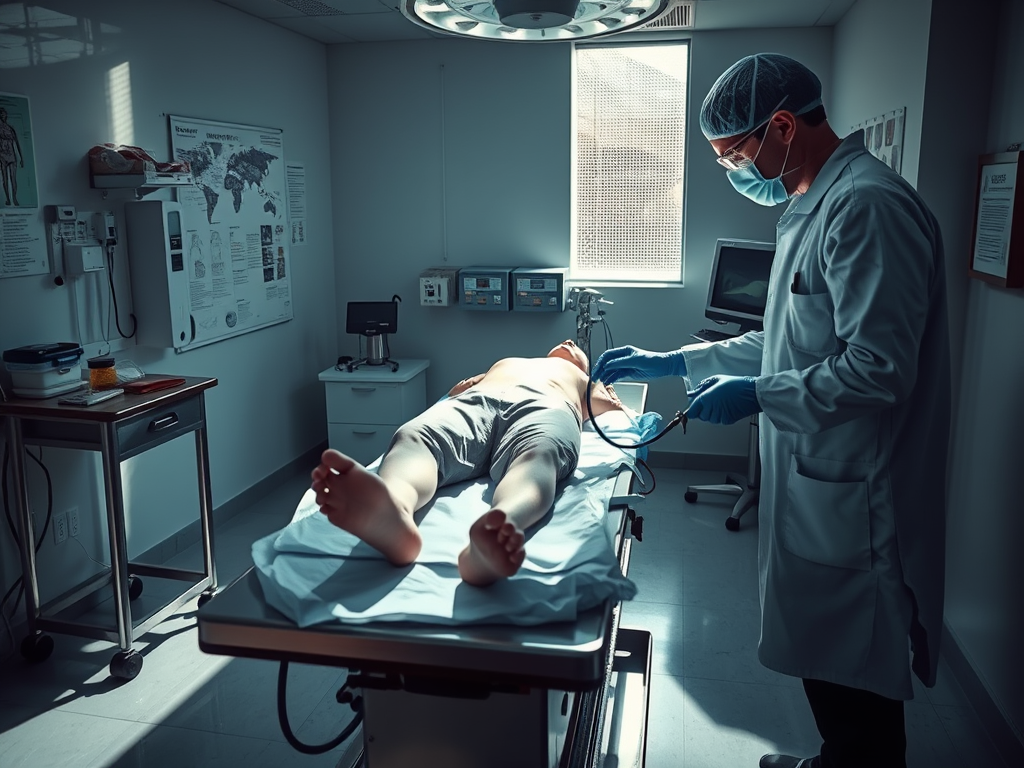
Forensic science is often portrayed on television as a glamorous field, with quick solutions to complex crimes. While the reality involves meticulous work, scientific rigor, and often lengthy investigations, the underlying principle remains the same: applying scientific methods to legal questions. It’s a vast and ever-evolving discipline, acting as a crucial bridge between the laboratory and the courtroom. At its core, forensic science is about unraveling mysteries, piecing together fragments of evidence, and ultimately, helping to deliver justice.
Imagine a puzzle where each piece is a clue – a fingerprint, a strand of hair, a digital footprint, or even a microscopic spore. A forensic scientist is the master puzzle solver, using specialized knowledge from various scientific fields to fit these pieces together, reconstruct events, and identify individuals. It’s not just about solving sensational murders; forensic science also plays a vital role in civil cases, insurance claims, and even historical investigations.
The field is remarkably diverse, encompassing a wide array of scientific specializations. Each branch offers a unique lens through which to examine evidence, contributing a specific set of skills and analytical techniques. From the very small, like DNA molecules, to the very large, like structural collapses, forensic scientists analyze a myriad of physical and digital traces left behind. Understanding these different branches helps to appreciate the breadth and depth of expertise required to bring scientific truth to light in legal proceedings. This article will delve into ten particularly fascinating branches of forensic science, exploring how each contributes to the intricate process of criminal investigation and justice.
1. Forensic Pathology: Unraveling the Secrets of Death
Forensic pathology is arguably one of the most well-known branches of forensic science, often seen in crime dramas. At its heart, forensic pathology involves the medical investigation of death. Forensic pathologists, who are licensed physicians with specialized training, perform autopsies to determine the cause and manner of death. Think of them as detectives for the deceased, carefully examining every organ, tissue, and injury to understand how someone died and under what circumstances.
This field is crucial for distinguishing between natural death, accident, suicide, and homicide. For instance, a pathologist might examine internal bleeding patterns, defensive wounds, or the presence of foreign objects to reconstruct the events leading to death. They also collect biological samples for further toxicological or DNA analysis. Beyond individual cases, forensic pathologists play a vital role in public health by identifying trends in deaths, such as drug overdoses or unusual disease outbreaks. Their findings provide critical evidence in court, offering expert testimony that can significantly influence legal outcomes.
2. Forensic Toxicology: Tracing Poisons and Drugs
Forensic toxicology is the scientific discipline dedicated to detecting and identifying drugs, poisons, and other chemical substances in biological samples. When a death is suspected to involve poisoning or drug overdose, or when a person is suspected of being under the influence of substances during a crime, a forensic toxicologist steps in. They are like chemical detectives, using sophisticated laboratory techniques to analyze blood, urine, hair, and other bodily fluids for the presence of various compounds.
Their work can determine not only what substances are present but also how much and what effect they might have had on an individual. For example, a toxicologist might find a lethal dose of a particular drug in a deceased person, or detect traces of a sedative in a victim of assault. This information is critical for understanding behavior at the time of an incident, establishing impairment, or confirming a cause of death. Forensic toxicology is also vital in cases of drug-facilitated crimes, driving under the influence, and workplace drug testing, ensuring public safety and holding individuals accountable for their actions.
3. Forensic Anthropology: Giving a Voice to the Bones
When human remains are found, and they are significantly decomposed or skeletonized, forensic anthropologists become indispensable. They are experts in the study of human skeletal remains, using their knowledge of anatomy, growth, and development to identify individuals and interpret trauma. Imagine them as historical detectives, piecing together the story of a person’s life and death from their bones.
A forensic anthropologist can determine various characteristics from skeletal remains, including age at death, sex, ancestry, and even approximate height. They can also identify skeletal anomalies, old injuries, or unique features that can help with identification, much like an old scar can identify a living person. Furthermore, they can analyze perimortem (around the time of death) and postmortem (after death) injuries to determine the type of trauma sustained and differentiate it from post-mortem damage. This information is vital in missing person cases, mass disaster victim identification, and ancient crime investigations, providing crucial leads when other forms of identification are impossible.
4. Digital Forensics: Unmasking Cyber Clues
In our increasingly digital world, a significant portion of evidence can be found not at a physical crime scene, but within computers, smartphones, and other electronic devices. Digital forensics, also known as computer forensics or cyber forensics, is the branch of forensic science dedicated to the recovery and investigation of material found in digital devices, often in relation to computer crime. Think of digital forensic specialists as digital archaeologists, sifting through layers of data to uncover hidden truths.
They employ specialized software and techniques to extract data that has been deleted, encrypted, or otherwise concealed. This can include emails, text messages, Browse history, financial transactions, and even location data. Digital forensics is crucial in investigating cybercrimes like hacking, fraud, and online exploitation, but it also plays a vital role in traditional crimes where digital devices are used to plan or execute illicit activities. The ability to recover and analyze this digital breadcrumb trail is paramount for establishing motives, timelines, and connections between individuals, making it an ever-growing and critical field.
5. Forensic Ballistics: The Science of Firearms
Forensic ballistics is the study of firearms, ammunition, and projectile trajectories, primarily in relation to criminal investigations. When a firearm is involved in a crime, forensic ballistic experts are called upon to analyze the weapon, spent cartridges, and bullets recovered from the scene or a victim. They are like specialized engineers, understanding the unique mechanical signatures left by firearms.
Every firearm leaves unique microscopic markings on the bullet and spent cartridge case it fires, much like a person’s unique fingerprint. Ballistic experts use comparison microscopes to match these markings to a specific weapon, establishing whether a particular gun was used in a crime. They can also determine the type of firearm used, the distance from which a shot was fired, and even reconstruct the trajectory of a bullet. This branch is fundamental in cases involving shootings, suicides, and accidental discharges, providing critical links between a weapon, a victim, and a suspect, and helping to paint a clear picture of the events that transpired.
6. Forensic Entomology: Insects as Witnesses
While it might sound macabre, forensic entomology is the study of insects in a legal context, most commonly in death investigations. Insects, particularly those that feed on decomposing organic matter, arrive at a body in predictable sequences and at predictable rates. Forensic entomologists are like biological clocks, using the life cycles of these insects to estimate the time of death, known as the Post Mortem Interval (PMI).
Different insect species colonize a body at different stages of decomposition, and their developmental rates are influenced by environmental factors like temperature. By identifying the species of insects present and their developmental stage (e.g., egg, larva, pupa), an entomologist can provide a surprisingly accurate estimate of how long a body has been exposed. This field is incredibly valuable in cases where traditional methods for estimating time of death are no longer viable due to advanced decomposition. Beyond PMI, forensic entomology can also provide clues about whether a body has been moved, the presence of drugs in a victim’s system (through analyzing insect larvae that fed on the tissue), and even identify geographic origins of illicit materials.
7. Forensic Odontology: The Teeth Tell a Tale
Forensic odontology is the application of dental science to legal matters, primarily in the identification of human remains and bite mark analysis. Teeth are incredibly resilient, often surviving conditions that destroy other forms of evidence, making them invaluable in identification. Think of forensic odontologists as dental detectives, using the unique architecture of a person’s mouth to solve mysteries.
Every individual’s dental structure, including fillings, crowns, extractions, and the alignment of their teeth, is unique, much like a fingerprint. Forensic odontologists compare dental records (X-rays, dental casts) of missing persons with the teeth found in unknown remains to establish a positive identification. This is particularly crucial in mass casualty incidents like plane crashes or natural disasters where other identification methods are impossible. They also analyze bite marks found on victims or objects at a crime scene. While bite mark analysis has faced scrutiny in recent years, it can still provide valuable investigative leads and, in some cases, contribute to identifying a perpetrator, especially when unique dental characteristics are present.
8. Forensic Document Examination: Decoding Handwriting and Ink
Forensic document examination, often referred to as questioned document examination, is the scientific analysis of documents to determine authenticity, authorship, and alterations. This field goes far beyond just handwriting analysis; it encompasses the scrutiny of inks, papers, printing methods, typewriters, and even the sequences of strokes. Imagine forensic document examiners as meticulous textual detectives, uncovering the secrets hidden within a piece of paper.
They use a range of specialized tools, from microscopes to infrared and ultraviolet light, to detect alterations, erasures, and obliterations. For instance, different inks might appear identical to the naked eye but glow differently under specific light wavelengths, revealing additions or changes. Handwriting analysis involves comparing known samples with questioned documents to determine if the same person wrote both. This branch is vital in cases of forgery, fraud, ransom notes, anonymous letters, and disputed wills, providing crucial evidence to establish the legitimacy or fabrication of a document and identify its creator.
9. Forensic Botany: Plant Clues in Crime Scenes
Forensic botany is the application of plant science to legal investigations. While perhaps less widely known than other branches, plant evidence can be surprisingly abundant and informative at a crime scene. Forensic botanists are like botanical Sherlock Holmeses, reading the subtle signs left by plants to reconstruct events.
Plant evidence can include pollen, seeds, leaves, wood fragments, and even algae. For example, specific pollen grains found on a suspect’s clothing might link them to a particular geographic location or a specific crime scene. The presence of certain plant species in a victim’s stomach contents could indicate their last meal or where they were before death. Dendrochronology, the study of tree rings, can even be used to determine the age of wooden objects or the time of year a tree was cut, which can be relevant in cases of illegal logging or determining how long a body has been buried. In aquatic environments, the types of diatoms (microscopic algae) found in a drowning victim’s lungs can indicate the body of water where they drowned. Forensic botany provides a unique and often overlooked source of evidence, connecting individuals, objects, and locations to a crime.
10. Forensic Engineering: Analyzing Failures and Accidents
Forensic engineering is the investigation of materials, products, structures, or components that fail or do not operate as intended, causing personal injury or damage to property. This branch is less about criminal intent and more about understanding why something went wrong, often in civil litigation or accident investigations. Think of forensic engineers as structural and mechanical detectives, dissecting disasters to prevent future ones.
They apply principles of engineering to determine the root cause of failures, such as bridge collapses, building fires, machinery malfunctions, or vehicle accidents. This might involve analyzing design flaws, manufacturing defects, material fatigue, or improper maintenance. For example, a forensic engineer might examine the wreckage of a collapsed bridge to identify structural weaknesses, or investigate a faulty electrical system to determine the origin of a fire. Their expertise is crucial for insurance claims, product liability lawsuits, and safety improvements, ensuring accountability and contributing to the development of safer designs and practices across various industries.
Further Reading
- “Forensics: The Anatomy of Crime” by Val McDermid
- “The Forensic Casebook: The Science of Crime Scene Investigation” by Ngaire E. Genge
- “Death’s Acre: Inside the Legendary Forensic Lab the Body Farm Where the Dead Do Tell Tales” by Bill Bass and Jon Jefferson
- “The Killer Across the Table: Unlocking the Secrets of Serial Killers and Predators with the FBI’s Original Mindhunter” by John E. Douglas and Mark Olshaker
- “Digital Forensics for Dummies” by Bryan Bergeron
Here at Zentara.blog, our mission is to take those tricky subjects and unlock them, making knowledge exciting and easy to grasp for everyone. But the adventure doesn’t stop on this page! We’re constantly exploring new frontiers and sharing discoveries across the digital universe. Want to dive deeper into more mind-bending Top 10s and keep expanding your world? Come join us on our other platforms – we’ve got unique experiences waiting for you on each one!
Get inspired by visual wonders and bite-sized facts: See the world through Zentara’s eyes on Pinterest!
Pin our fascinating facts and stunning visuals to your own boards. Explore Pins on Pinterest: https://uk.pinterest.com/zentarablog/
Discover quick insights and behind-the-scenes peeks: Hop over to Tumblr for snippets, quotes, and unique content you won’t find anywhere else. It’s a different flavour of discovery! Follow the Fun on Tumblr: https://www.tumblr.com/zentarablog
Ready for deep dives you can listen to or watch? We’re bringing our accessible approach to video and potentially audio! Subscribe to our YouTube channel and tune into future projects that make learning pop! Subscribe on YouTube: https://www.youtube.com/@ZentaraUK
Seeking even more knowledge in one place? We’ve compiled some of our most popular topic deep dives into fantastic ebooks! Find them on Amazon and keep the learning journey going anytime, anywhere. Find Our Ebooks on Amazon: https://www.amazon.co.uk/s?k=Zentara+UK&ref=nb_sb_noss
Connect with us and fellow knowledge seekers: Join the conversation on BlueSky! We’re sharing updates, thoughts, and maybe even asking you what wonders we should explore next. Chat with Us on BlueSky: https://bsky.app/profile/zentarablog.bsky.social
Perfect for learning on the move! We post multiple 10-minute podcasts per day on Spotify. Pop on your headphones and fill your day with fascinating facts while you’re out and about! Listen on Spotify: https://open.spotify.com/show/3dmHbKeDufRx95xPYIqKhJ
Follow us on Instagram for bytesize knowledge! We post multiple posts per day on our official Instagram account. https://www.instagram.com/zentarablog/ Every click helps us keep bringing honest, accessible knowledge to everyone. Thanks for exploring with us today – see you out there in the world of discovery!




Leave a Reply