
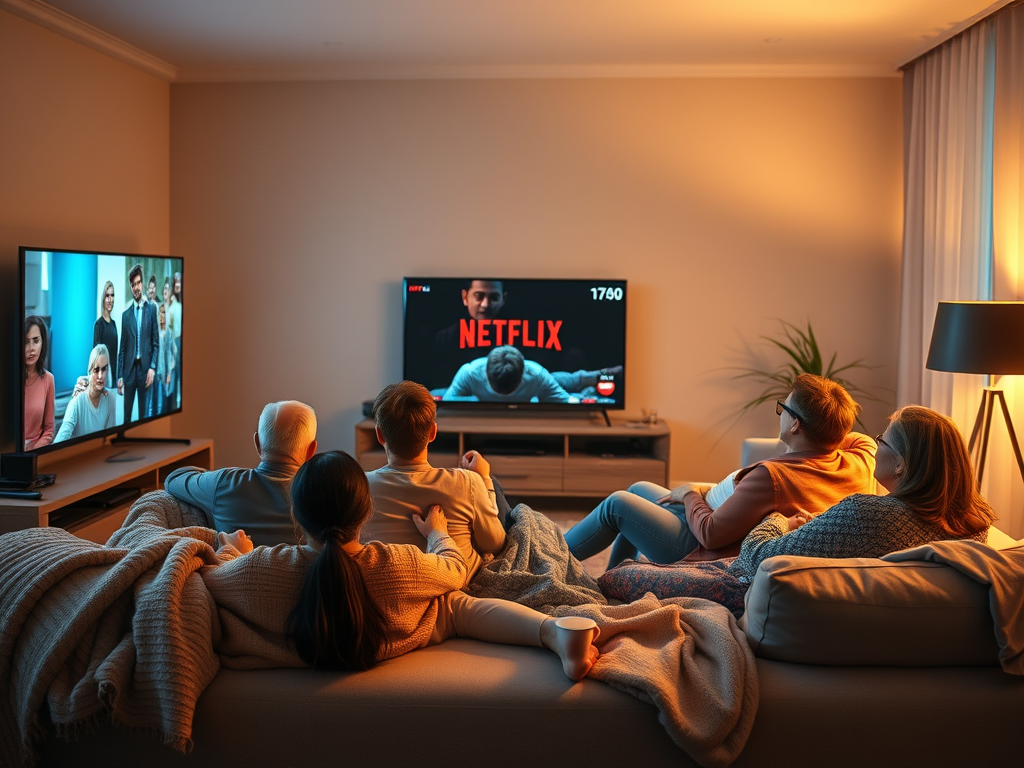
Before the 21st century, watching television was a largely passive, scheduled activity. Viewers tuned in at specific times to catch their favorite shows, endured commercial breaks, and waited patiently for the next episode a week later. Then came Netflix. What began as a DVD-by-mail service rapidly transformed into a global streaming powerhouse, fundamentally rewiring the way we consume television. It wasn’t just an alternative; it was a revolution that empowered viewers, challenged traditional broadcasters, and ultimately reshaped the entire entertainment industry.
Netflix’s pioneering spirit, coupled with its aggressive investment in technology and content, created a paradigm shift. It moved television from a linear, broadcast model to an on-demand, personalized experience, putting control directly into the hands of the consumer. This transition wasn’t without its growing pains for the established players, but it undeniably ushered in a new era of content creation and consumption that continues to evolve.
The impact of Netflix extends far beyond simply offering a catalog of shows. It changed viewer expectations, forced competitors to adapt, and even influenced the very nature of storytelling on screen. This article will explore ten profound ways Netflix reshaped TV consumption, highlighting its role as a disruptor, an innovator, and a trendsetter that forever altered our relationship with the small screen.
1. The Birth of Binge-Watching: Rewriting the Rules of Engagement
Perhaps Netflix’s most iconic and impactful innovation was the popularization, if not the invention, of “binge-watching.” Before Netflix, the standard television model involved weekly episode releases, creating a prolonged anticipation. With its 2013 release of House of Cards, Netflix dropped an entire season at once, allowing viewers to consume content at their own pace. Imagine watching an entire novel unfold in one sitting, rather than reading a chapter a week. This immediate gratification satisfied a growing consumer demand for control and convenience. It transformed viewing from a scheduled event into an immersive experience, where viewers could lose themselves in a narrative for hours, even days. This model not only changed audience expectations but also influenced how writers and producers structured their stories, moving towards more complex, multi-episode arcs designed for continuous consumption. Binge-watching quickly became a cultural phenomenon, forever altering the rhythm of TV consumption.
2. On-Demand Anywhere, Anytime: Unleashing Viewer Control
Netflix liberated television from the confines of fixed schedules and specific devices. Before streaming, if you missed an episode, you had to wait for a rerun, record it on a VCR, or purchase a DVD. Netflix allowed subscribers to watch what they wanted, when they wanted, and on virtually any internet-connected device – from smart TVs and laptops to tablets and smartphones. Imagine a vast library of content available at your fingertips, accessible whether you’re at home on the sofa, commuting on a train, or even on vacation abroad. This unprecedented level of viewer control eliminated the need to “tune in” at a specific time and empowered consumers to build their own viewing schedules. It fundamentally shifted the power dynamic from broadcasters to viewers, making convenience and accessibility the new benchmarks for entertainment consumption.
3. The Rise of “Cord-Cutting”: Threatening Traditional Cable TV
Netflix’s ad-free, subscription-based model, offering a vast library of content at a fraction of the cost of traditional cable or satellite packages, directly fueled the “cord-cutting” phenomenon. Consumers, tired of paying for hundreds of channels they didn’t watch and frustrated by escalating bills, found a compelling alternative in streaming services. Imagine slowly detaching from an expensive bundle of services, opting instead for a leaner, more personalized entertainment diet. This trend significantly eroded the subscriber base of traditional pay-TV providers, forcing them to adapt by launching their own streaming platforms or offering “skinny bundles.” While cable TV still exists, its dominance has been severely challenged, and streaming has now surpassed traditional broadcast and cable viewing in terms of total TV usage, marking a monumental shift in the industry landscape.
4. Personalized Recommendations: The Algorithm as Curator
Netflix was a pioneer in leveraging data and algorithms to provide highly personalized content recommendations. Instead of relying solely on general popularity or genre, Netflix’s sophisticated algorithm analyzes a user’s viewing history, ratings, and even the time of day they watch, to suggest titles they might enjoy. Imagine having a personal concierge who knows your exact taste in entertainment and constantly serves up new options. This personalized approach transformed content discovery from a passive act of channel surfing into an active, data-driven exploration. It broadened viewers’ horizons, introducing them to shows and movies they might never have found otherwise, and created a deeply engaging user experience that kept subscribers hooked. This innovation became a gold standard, influencing recommendation engines across countless digital platforms today.
5. Original Content Production: From Distributor to Creator
Initially, Netflix primarily licensed content from traditional studios and networks. However, recognizing the value of exclusive programming and the need to differentiate itself in an increasingly crowded market, Netflix made a monumental shift into producing its own “Originals.” Beginning seriously with House of Cards in 2013, they invested billions into creating high-quality, diverse content across genres, languages, and formats. Imagine a bookstore that starts writing its own bestselling novels. This bold move transformed Netflix from merely a content aggregator into a major Hollywood studio, capable of attracting top talent and winning prestigious awards. This strategy ensured a continuous flow of exclusive, must-see content that drove subscriber growth and retention, forcing traditional networks to step up their own original programming efforts to compete.
6. Global Content Strategy: Breaking Down Geographic Barriers
Netflix’s global aspirations set it apart from most traditional broadcasters, which historically focused on regional markets. Netflix pursued an aggressive international expansion strategy, not just by licensing content for different territories but by investing heavily in local-language original productions. Imagine a platform that offers not only Hollywood blockbusters but also critically acclaimed series from Korea, Spain, Germany, and India, all accessible worldwide. This “local-for-global” approach, exemplified by hits like Squid Game (South Korea) or La Casa de Papel (Spain), resonated deeply with international audiences, recognizing diverse tastes and narratives. It democratized content consumption globally, allowing viewers to easily discover and enjoy stories from cultures far removed from their own, fostering a more interconnected and diverse viewing landscape.
7. Data-Driven Content Decisions: The Algorithm as Greenlighter
Beyond recommendations, Netflix famously used its vast trove of user data to inform its content creation decisions. While traditional studios relied on intuition, test audiences, and executive mandates, Netflix analyzed viewing patterns, completion rates, and genre popularity to identify potential hits and greenlight new projects. Imagine a studio that knows exactly what its audience wants before a single script is even written. This data-driven approach, while sometimes criticized for potentially leading to formulaic content, allowed Netflix to make informed bets on what would resonate with its massive subscriber base. It reduced risk, increased the likelihood of a show finding its audience, and pushed the industry towards a more analytical approach to content development and commissioning.
8. The “Golden Age of Television”: Elevating Storytelling Quality
Many critics and viewers agree that the rise of streaming, with Netflix at the forefront, ushered in a “golden age of television.” With less pressure from advertisers (initially, at least) and no need to fill specific time slots, creators on streaming platforms had greater creative freedom to explore complex narratives, develop nuanced characters, and produce high-budget, cinematic-quality series. Imagine television shows that rival Hollywood films in their production values and storytelling depth. This environment allowed for more serialized storytelling, more adult themes, and a greater willingness to take risks. Netflix’s commitment to quality original programming, often with diverse voices and global appeal, pushed the creative boundaries of the medium, inspiring a wave of ambitious and compelling television across the industry.
9. Shift in Content Ownership and Licensing: The Streaming Wars
Netflix’s success spurred a massive shift in content ownership and licensing. As more companies recognized the potential of direct-to-consumer streaming, they began to pull their content from Netflix to launch their own competing platforms (e.g., Disney+, HBO Max, Paramount+, Peacock). Imagine content creators deciding to open their own exclusive stores rather than selling their products through a large marketplace. This led to the “streaming wars,” characterized by intense competition for subscribers and exclusive content. This fragmented the streaming landscape, requiring consumers to subscribe to multiple services to access all their desired shows. While it created more choices, it also complicated the viewing experience, shifting the industry from a few dominant players to a vast, competitive ecosystem.
10. Redefining “Appointment TV”: Live Events and Interactive Content
While Netflix initially focused on on-demand, non-linear content, its evolving strategy now shows a willingness to redefine “appointment TV” for the streaming era. This includes venturing into live events, such as comedy specials, reunion shows, and even sports (like its recent NFL Christmas Day games). Imagine Netflix not just offering recorded shows, but also creating shared, real-time viewing experiences. Furthermore, Netflix has experimented with interactive content, allowing viewers to make choices that influence the storyline (e.g., Bandersnatch). These moves indicate a broader vision beyond just passive consumption, aiming to capture the communal and interactive aspects of traditional television while maintaining the flexibility and personalization that defined its rise. It shows that the future of TV consumption is still being written, with Netflix continuing to lead the charge in innovation.
Further Reading
- That Will Never Work: The Birth of Netflix and the Amazing Life of an Idea by Marc Randolph
- No Rules Rules: Netflix and the Culture of Reinvention by Reed Hastings and Erin Meyer
- The Content Trap: A Strategist’s Guide to Digital Change by Bharat Anand
- Streaming, Sharing, Stealing: Big Data and the Future of Entertainment by Michael D. Smith and Rahul Telang
Here at Zentara.blog, our mission is to take those tricky subjects and unlock them, making knowledge exciting and easy to grasp for everyone. But the adventure doesn’t stop on this page! We’re constantly exploring new frontiers and sharing discoveries across the digital universe. Want to dive deeper into more mind-bending Top 10s and keep expanding your world? Come join us on our other platforms – we’ve got unique experiences waiting for you on each one!
Get inspired by visual wonders and bite-sized facts: See the world through Zentara’s eyes on Pinterest!
Pin our fascinating facts and stunning visuals to your own boards. Explore Pins on Pinterest: https://uk.pinterest.com/zentarablog/
Discover quick insights and behind-the-scenes peeks: Hop over to Tumblr for snippets, quotes, and unique content you won’t find anywhere else. It’s a different flavour of discovery! Follow the Fun on Tumblr: https://www.tumblr.com/zentarablog
Ready for deep dives you can listen to or watch? We’re bringing our accessible approach to video and potentially audio! Subscribe to our YouTube channel and tune into future projects that make learning pop! Subscribe on YouTube: https://www.youtube.com/@ZentaraUK
Seeking even more knowledge in one place? We’ve compiled some of our most popular topic deep dives into fantastic ebooks! Find them on Amazon and keep the learning journey going anytime, anywhere. Find Our Ebooks on Amazon: https://www.amazon.co.uk/s?k=Zentara+UK&ref=nb_sb_noss
Connect with us and fellow knowledge seekers: Join the conversation on BlueSky! We’re sharing updates, thoughts, and maybe even asking you what wonders we should explore next. Chat with Us on BlueSky: https://bsky.app/profile/zentarablog.bsky.social
Perfect for learning on the move! We post multiple 10-minute podcasts per day on Spotify. Pop on your headphones and fill your day with fascinating facts while you’re out and about! Listen on Spotify: https://open.spotify.com/show/3dmHbKeDufRx95xPYIqKhJFollow us on Instagram for bytesize knowledge! We post multiple posts per day on our official Instagram account. https://www.instagram.com/zentarablog/ Every click helps us keep bringing honest, accessible knowledge to everyone. Thanks for exploring with us today – see you out there in the world of discovery!




Leave a Reply