
High blood pressure, or hypertension, is a silent threat affecting millions worldwide, significantly increasing the risk of heart disease, stroke, and kidney problems. While medications are often necessary, a powerful and scientifically proven intervention lies in the food we eat. The Dietary Approaches to Stop Hypertension, or DASH Diet, is not just a diet; it’s a comprehensive eating plan designed specifically to lower blood pressure naturally and promote overall heart health.
Developed by the National Institutes of Health, the DASH diet emphasizes whole, unprocessed foods rich in potassium, calcium, and magnesium, while significantly limiting sodium, saturated fats, and added sugars. It’s a balanced, flexible approach that doesn’t rely on restrictive fads but on sound nutritional principles, making it a sustainable lifestyle change rather than a temporary fix. Its effectiveness has been demonstrated in numerous clinical trials, showing remarkable reductions in blood pressure, often within weeks, and contributing to long-term cardiovascular well-being.
The beauty of the DASH diet lies in its simplicity and its focus on everyday foods that are readily available. It’s about making smart, informed choices that collectively work to support your circulatory system and reduce the strain on your heart. This article will explain ten key ways the DASH diet helps lower blood pressure naturally, breaking down its core components and highlighting how you can integrate these powerful principles into your daily eating habits for a healthier future.
1. Prioritizing Fruits and Vegetables: Potassium Powerhouses
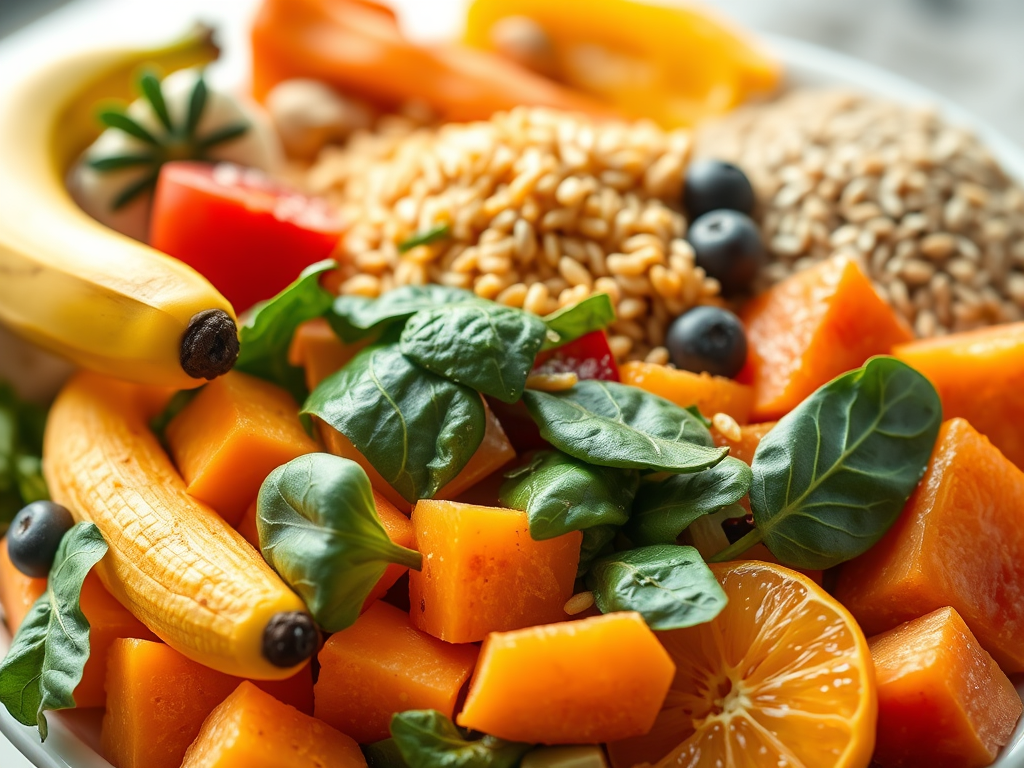
At the core of the DASH diet is a generous emphasis on fruits and vegetables, recommending 4-5 servings of each per day. Imagine your plate overflowing with vibrant colours, each bite delivering a powerful dose of essential nutrients. These foods are naturally low in sodium and packed with potassium, a crucial mineral that counteracts the effects of sodium in the body. Potassium helps relax blood vessel walls, reducing pressure and promoting efficient blood flow. Think of it as a natural vasodilator. Including a wide variety of fruits like bananas, oranges, and apricots, and vegetables like spinach, sweet potatoes, and tomatoes, provides a rich array of vitamins, fiber, and antioxidants that further support cardiovascular health. This abundance of plant-based foods is a fundamental pillar of the DASH diet’s blood pressure-lowering efficacy.
2. Embracing Whole Grains: Fiber and Magnesium for Vascular Health
The DASH diet strongly encourages the consumption of whole grains over refined grains, recommending 6-8 servings daily. Imagine switching from white bread to whole-wheat, or from white rice to brown rice or quinoa. Whole grains like oats, barley, and whole-wheat pasta are rich in dietary fiber, which not only aids digestion but also plays a role in blood pressure regulation. Fiber contributes to feelings of fullness, helping with weight management, which in turn can positively impact blood pressure. Moreover, whole grains are good sources of magnesium, another vital mineral for blood pressure control. Magnesium helps regulate muscle and nerve function, including the relaxation of blood vessel walls, similar to potassium. Their sustained energy release also prevents blood sugar spikes, further benefiting overall cardiovascular health.
3. Opting for Low-Fat Dairy: Calcium for Blood Vessel Function
The DASH diet incorporates 2-3 servings of fat-free or low-fat dairy products daily, such as skim milk, low-fat yogurt, and cheese. Imagine calcium, a key mineral found abundantly in dairy, playing an active role in the proper functioning of your blood vessels. Calcium is essential for muscle contraction and relaxation, including the smooth muscles that line your arteries. Adequate calcium intake helps blood vessels maintain their tone and respond appropriately to changes in blood flow, thereby contributing to healthy blood pressure levels. Furthermore, these dairy products often come fortified with Vitamin D, which also plays a role in cardiovascular health. Choosing low-fat versions helps to limit saturated fat intake, aligning with overall heart-healthy guidelines and making dairy a beneficial component of the DASH eating plan.
4. Including Lean Meats, Poultry, and Fish: Quality Protein with Less Fat
While not strictly vegetarian, the DASH diet recommends moderate portions of lean meats, poultry, and fish (6 ounces or less daily). Imagine focusing on smaller, leaner cuts of protein rather than large, fatty portions. Lean protein sources provide essential amino acids without excessive saturated fat, which can negatively impact heart health and cholesterol levels. Fish, particularly fatty fish like salmon and mackerel, are also excellent sources of omega-3 fatty acids, which have anti-inflammatory properties and can further support cardiovascular well-being. By emphasizing lean proteins, the DASH diet helps to keep overall saturated fat and cholesterol intake low, both of which are important for maintaining healthy blood pressure and reducing the risk of heart disease.
5. Nuts, Seeds, and Legumes: A Trio of Heart-Healthy Nutrients
The DASH diet advises 4-5 servings per week of nuts, seeds, and legumes (beans and lentils). Imagine these small powerhouses packed with magnesium, potassium, and fiber – all critical for blood pressure management. Nuts like almonds and walnuts, seeds like sunflower and pumpkin seeds, and legumes such as black beans, lentils, and chickpeas are rich sources of these minerals, which work synergistically to support vascular health and electrolyte balance. Many of these also provide healthy monounsaturated and polyunsaturated fats, which contribute to better cholesterol levels and overall heart health. Their fiber content further aids in satiety and blood sugar regulation. Incorporating these nutrient-dense foods adds flavor, texture, and powerful blood pressure-lowering benefits to your diet.
6. Limiting Sodium Intake: The Cornerstone of DASH
Perhaps the most well-known aspect of the DASH diet, and central to its effectiveness, is its emphasis on significantly reducing sodium intake. The standard DASH diet recommends limiting sodium to 2,300 milligrams (mg) per day, while a lower-sodium version suggests 1,500 mg per day. Imagine consciously avoiding the salt shaker and scrutinizing food labels for hidden sodium. Excess sodium causes your body to retain fluid, increasing blood volume and putting extra pressure on your artery walls, leading to higher blood pressure. By drastically cutting down on processed foods, fast food, and excessive added salt, the DASH diet directly addresses a primary driver of hypertension. This reduction alone can lead to noticeable drops in blood pressure, making it a cornerstone strategy for natural hypertension management.
7. Moderating Sweets and Added Sugars: Reducing Empty Calories
The DASH diet limits sweets and added sugars to 5 servings or fewer per week. Imagine reducing your intake of fizzy drinks, candies, pastries, and highly sweetened desserts. Foods high in added sugars contribute to empty calories, often leading to weight gain, which is a significant risk factor for high blood pressure. High sugar intake can also contribute to inflammation and insulin resistance, negatively impacting cardiovascular health. By consciously reducing these sugary treats, the DASH diet encourages a more nutrient-dense eating pattern, helps with weight management, and indirectly supports healthier blood pressure levels by minimizing detrimental dietary components. This moderation allows for occasional treats while prioritizing overall nutritional quality.
8. Restricting Saturated and Trans Fats: Protecting Arterial Health
A key tenet of the DASH diet is to limit foods high in saturated and trans fats, such as fatty meats, full-fat dairy products, tropical oils (like coconut and palm oil), and many processed snacks. Imagine choosing lean protein sources and healthy oils, protecting your arteries from plaque buildup. Saturated and trans fats can raise LDL (“bad”) cholesterol levels, leading to atherosclerosis (hardening and narrowing of the arteries), which significantly increases blood pressure and the risk of heart disease. By emphasizing healthier fats found in fish, nuts, seeds, and vegetable oils (like olive and canola oil), the DASH diet promotes arterial flexibility and overall cardiovascular health, directly contributing to lower blood pressure.
9. Controlled Portions and Mindful Eating: Holistic Approach
Beyond the specific food groups, the DASH diet subtly encourages controlled portion sizes and mindful eating. While it doesn’t strictly count calories for everyone, its emphasis on whole, high-fiber foods naturally promotes satiety, making it easier to manage overall food intake and prevent overeating. Imagine paying closer attention to your body’s hunger and fullness cues, rather than eating mindlessly. This mindful approach to eating helps with weight management, a critical factor in blood pressure control. Losing even a small amount of weight can have a significant positive impact on blood pressure readings. By fostering a balanced intake of nutrients within reasonable portion sizes, the DASH diet provides a sustainable framework for long-term health and weight management, supporting natural blood pressure reduction.
10. Long-Term Sustainability: A Lifestyle, Not a Fad
One of the most remarkable aspects of the DASH diet is its long-term sustainability. It is not a fad diet with extreme restrictions but a balanced, flexible eating pattern that can be maintained indefinitely. Imagine adopting an eating plan that feels natural, enjoyable, and fits seamlessly into your daily life, rather than one you dread. Its principles are aligned with general healthy eating guidelines, making it easy to adapt to various cuisines and personal preferences. The scientific evidence overwhelmingly supports its effectiveness in lowering blood pressure and reducing the risk of heart disease, stroke, and even some cancers and diabetes. This proven, sustainable approach empowers individuals to take control of their health through dietary choices, offering a powerful, natural path to better blood pressure management and a healthier life.
Further Reading
- The DASH Diet for Hypertension by Thomas J. Moore and Michael J. Pikosky
- The DASH Diet Weight Loss Solution: 2 Weeks to Lower Blood Pressure and Lose Weight by Marla Heller
- Your Guide to Lowering Your Blood Pressure with DASH (National Heart, Lung, and Blood Institute)
- The Complete DASH Diet for Beginners: The Smart Way to Eat, Lower Blood Pressure, and Get Healthy by Jennifer Koslo
Here at Zentara.blog, our mission is to take those tricky subjects and unlock them, making knowledge exciting and easy to grasp for everyone. But the adventure doesn’t stop on this page! We’re constantly exploring new frontiers and sharing discoveries across the digital universe. Want to dive deeper into more mind-bending Top 10s and keep expanding your world? Come join us on our other platforms – we’ve got unique experiences waiting for you on each one!
Get inspired by visual wonders and bite-sized facts: See the world through Zentara’s eyes on Pinterest!
Pin our fascinating facts and stunning visuals to your own boards. Explore Pins on Pinterest: https://uk.pinterest.com/zentarablog/
Discover quick insights and behind-the-scenes peeks: Hop over to Tumblr for snippets, quotes, and unique content you won’t find anywhere else. It’s a different flavour of discovery! Follow the Fun on Tumblr: https://www.tumblr.com/zentarablog
Ready for deep dives you can listen to or watch? We’re bringing our accessible approach to video and potentially audio! Subscribe to our YouTube channel and tune into future projects that make learning pop! Subscribe on YouTube: https://www.youtube.com/@ZentaraUK
Seeking even more knowledge in one place? We’ve compiled some of our most popular topic deep dives into fantastic ebooks! Find them on Amazon and keep the learning journey going anytime, anywhere. Find Our Ebooks on Amazon: https://www.amazon.co.uk/s?k=Zentara+UK&ref=nb_sb_noss
Connect with us and fellow knowledge seekers: Join the conversation on BlueSky! We’re sharing updates, thoughts, and maybe even asking you what wonders we should explore next. Chat with Us on BlueSky: https://bsky.app/profile/zentarablog.bsky.social
Perfect for learning on the move! We post multiple 10-minute podcasts per day on Spotify. Pop on your headphones and fill your day with fascinating facts while you’re out and about! Listen on Spotify: https://open.spotify.com/show/3dmHbKeDufRx95xPYIqKhJFollow us on Instagram for bytesize knowledge! We post multiple posts per day on our official Instagram account. https://www.instagram.com/zentarablog/ Every click helps us keep bringing honest, accessible knowledge to everyone. Thanks for exploring with us today – see you out there in the world of discovery!




Leave a Reply