
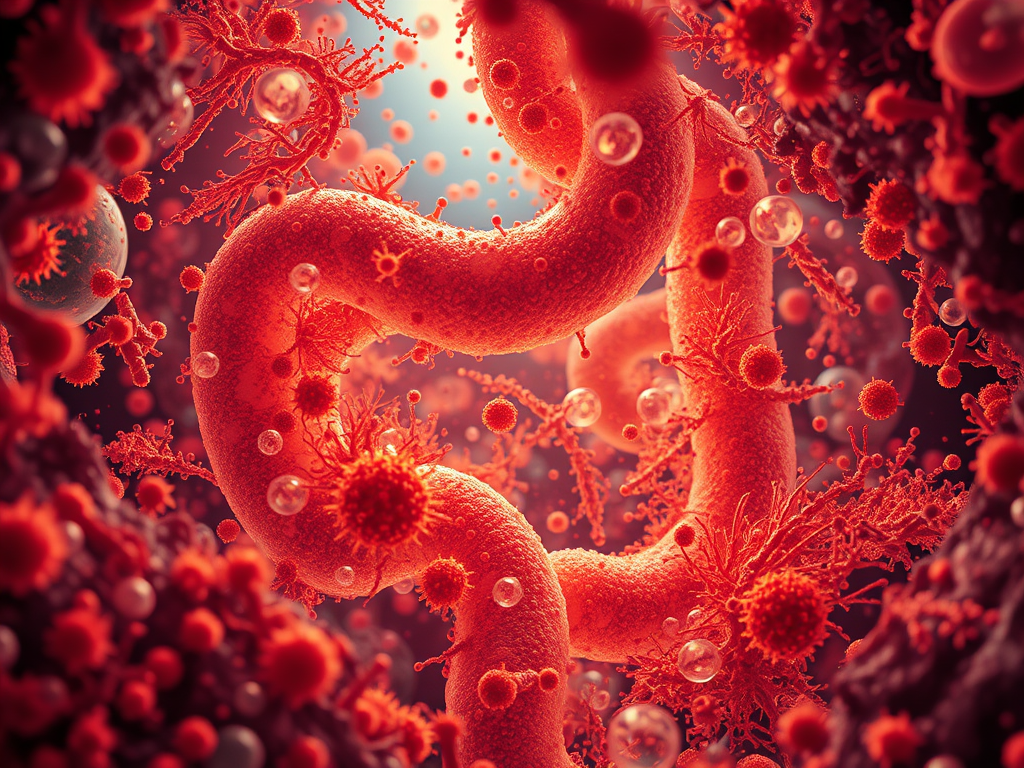
Imagine a bustling, microscopic city living inside you, a community of trillions of inhabitants that outnumber your own cells. This isn’t science fiction; it’s your gut microbiome. For a long time, the gut was viewed simply as a digestive tube, responsible for breaking down food and absorbing nutrients. We now know that this view is profoundly incomplete. The gut microbiome—the collective term for the microorganisms, including bacteria, fungi, and viruses, that reside in your digestive tract—is a dynamic ecosystem that plays a fundamental role in nearly every aspect of your health, from your immune system to your mood and even your metabolism.
The science of the gut microbiome is one of the most exciting and rapidly evolving fields in modern medicine. Researchers are uncovering a complex, symbiotic relationship between these tiny organisms and their human host, revealing that a healthy gut is central to a healthy life. The balance of this internal ecosystem can be influenced by everything from the foods we eat to the environment we live in. An imbalance, or “dysbiosis,” can be a contributing factor in a host of chronic diseases. This article will demystify the gut microbiome, providing ten essential facts that shed light on this incredible inner world and its profound influence on your well-being.
1. You’re More Microbe Than Human
One of the most mind-bending facts about the gut microbiome is its sheer scale. While earlier estimates suggested that microbial cells outnumber human cells by a factor of ten to one, more recent research has refined this to a more balanced, but still staggering, ratio. The human body contains an estimated 30 trillion human cells, but the gut alone is home to roughly 38 trillion microbial cells. This means you are, in a very real sense, more microbial than human. This microscopic community, which weighs as much as two pounds, is unique to each individual, much like a fingerprint. It is established at birth and evolves throughout your life based on diet, lifestyle, and environment. This vast, unique ecosystem is a constant partner, working behind the scenes to keep you healthy.
The genetic material within these microbes, known as the gut microbiome, is even more impressive. While the human genome contains approximately 23,000 genes, the collective genome of your gut microbiota contains millions of genes. These genes code for enzymes and proteins that perform tasks our own bodies can’t, such as digesting complex carbohydrates and synthesizing essential vitamins. Understanding this microbial genetic potential is key to unlocking new ways to treat disease and improve health.
2. Your Gut Microbiome Acts as a Second Brain
The concept of the gut-brain axis is a revolutionary idea that has reshaped our understanding of human health. The gut is not just a passive organ; it’s a sophisticated communication hub, sending and receiving signals from the central nervous system. This bidirectional communication network links the brain’s emotional and cognitive centers with the digestive system. The gut-brain axis relies on a number of pathways, including the vagus nerve, which acts as a superhighway between the brain and the gut.
The microbiome plays a crucial role in this communication by producing neuroactive compounds. Gut bacteria can synthesize neurotransmitters like serotonin and dopamine, which are key to regulating mood, sleep, and appetite. In fact, a significant portion of the body’s serotonin is produced in the gut. An imbalance in the gut microbiome can disrupt this delicate communication, contributing to a range of psychological conditions, including anxiety and depression. This is why you might feel “butterflies” in your stomach when you’re nervous or experience digestive issues when you’re stressed. It’s a clear, physical manifestation of the gut-brain axis in action.
3. A Healthy Gut Is a Diverse Gut
In the world of the gut microbiome, diversity is a sign of health and resilience. A rich and diverse community of microorganisms is better equipped to perform a wide range of functions, from digesting different types of food to defending against pathogens. It’s like having a well-rounded team with a variety of skills; they are more adaptable and better able to handle challenges. A diverse microbiome is more robust and can quickly recover from disruptions, such as a course of antibiotics or a bout of illness.
Conversely, a lack of microbial diversity, known as dysbiosis, is associated with a host of chronic diseases, including inflammatory bowel disease, obesity, type 2 diabetes, and certain autoimmune conditions. The Western diet, which is typically low in fiber and high in processed foods, is a major contributor to a loss of diversity. The most effective way to cultivate a diverse microbiome is to consume a wide variety of plant-based foods. Each different type of plant fiber acts as a unique food source for specific beneficial bacteria, helping to maintain a thriving and balanced inner ecosystem.
4. Gut Bacteria Are the Gatekeepers of Your Immune System
Your immune system is a complex defense network, and the gut microbiome is its main training ground and primary partner. A remarkable 70% of your body’s immune cells reside in the gut-associated lymphoid tissue (GALT). The microbiome plays a critical role in educating these immune cells, teaching them to distinguish between harmless food particles and harmful pathogens. It’s an essential form of quality control that prevents an overactive or underactive immune response.
Beneficial gut bacteria produce short-chain fatty acids (SCFAs) like butyrate, which are powerful anti-inflammatory compounds. These SCFAs strengthen the gut lining, a physical barrier that prevents toxins and pathogens from entering the bloodstream. When the gut barrier is compromised—a condition sometimes called “leaky gut”—it can trigger a systemic inflammatory response, which is a common underlying factor in many chronic diseases. By maintaining a healthy gut microbiome, you are directly supporting the health and functionality of your entire immune system.
5. You Can Feed Your Microbiome with Prebiotics
We often hear about the benefits of probiotics, but the concept of prebiotics is equally, if not more, important. While probiotics are the living, beneficial bacteria found in fermented foods and supplements, prebiotics are the non-digestible fibers that act as food for those good bacteria. Think of it this way: probiotics are the seeds, and prebiotics are the fertilizer. You need both for a healthy garden.
Prebiotics are a type of dietary fiber found in a wide range of plant foods. Excellent sources include garlic, onions, leeks, asparagus, bananas, oats, and apples. When you eat these foods, the prebiotic fibers travel undigested to your large intestine, where they are fermented by your gut bacteria. This fermentation process produces those all-important short-chain fatty acids (SCFAs) that nourish the gut lining and regulate immune function. A diet rich in prebiotic foods is the most sustainable and effective way to promote a thriving and diverse gut microbiome.
6. Probiotics Are Live Bacteria That Can Help
The term probiotic comes from the Greek words “pro” (for) and “bios” (life), literally meaning “for life.” These are live microorganisms that, when consumed in adequate amounts, confer a health benefit on the host. The most common probiotics are strains of Lactobacillus and Bifidobacterium, which are found in fermented foods like yogurt, kefir, sauerkraut, kimchi, and kombucha.
While probiotics can’t permanently colonize your gut—they are more like temporary visitors—they can provide a number of benefits. They can help to restore the balance of the gut microbiome after a disturbance, such as a course of antibiotics. They can also aid in digestion, reduce inflammation, and help manage symptoms of conditions like irritable bowel syndrome (IBS). It is important to note that not all probiotics are created equal. The effectiveness of a probiotic depends on the specific strain, the dose, and the individual’s unique microbiome.
7. Your Microbiome Can Affect Your Weight and Metabolism
The gut microbiome plays a surprisingly significant role in regulating metabolism and body weight. Studies have shown a clear link between a person’s microbiome composition and their risk of obesity. It’s not just about the number of calories you eat; it’s about how your gut bacteria process those calories. Certain types of gut bacteria are more efficient at extracting energy from food, which can lead to weight gain.
The microbiome also influences metabolism by producing compounds that regulate appetite and blood sugar. For instance, some gut bacteria produce hormones that signal to the brain when you are full. An imbalanced microbiome can disrupt these signals, leading to overeating and weight gain. Future weight management strategies may involve tailoring a person’s diet or providing specific probiotic strains to modulate their gut bacteria, helping to rebalance their metabolism and support a healthy body weight.
8. Antibiotics Are a “Nuclear Bomb” for Your Gut
Antibiotics are life-saving drugs that have revolutionized medicine, but they come with a significant side effect: they don’t discriminate between bad bacteria and good bacteria. A course of antibiotics can be likened to a “nuclear bomb” for your gut microbiome, wiping out a significant portion of your beneficial bacteria. This can lead to a state of dysbiosis that can take weeks, or even months, to fully recover from.
The post-antibiotic disruption can lead to a number of side effects, including digestive issues and a greater susceptibility to opportunistic infections, such as Clostridium difficile. It is crucial to be mindful of antibiotic use and to take steps to support your gut health after a course of treatment. Eating fermented and prebiotic foods can help to repopulate the gut with beneficial bacteria and restore diversity, mitigating some of the negative effects of the drugs.
9. The Gut Microbiome Is Linked to Mental Health
The connection between the gut and mental health is one of the most exciting and cutting-edge areas of research. The gut-brain axis provides a physical pathway for this link, but the mechanisms are even more fascinating. Gut bacteria can influence mental health by producing a range of compounds that impact the central nervous system. These include short-chain fatty acids, which can cross the blood-brain barrier, and a variety of neurotransmitters and hormones.
Emerging research has shown a strong correlation between a person’s gut microbiome composition and their risk for a variety of conditions, including depression, schizophrenia, and autism spectrum disorder. While this research is still in its early stages, it raises the possibility of new therapeutic approaches that target the microbiome to improve mental health. These could include specific dietary interventions, or even “psychobiotics,” which are probiotics with a direct benefit for psychological well-being.
10. The Future of Medicine Is Personalized and Gut-Focused
The future of medicine is moving toward a highly personalized approach, and the gut microbiome is at the center of this revolution. Scientists are working to create detailed maps of a person’s unique microbial community, which could one day be used to predict their risk for disease, tailor nutritional plans, and even personalize drug treatments. For example, a person’s gut bacteria can influence how they respond to certain medications, including chemotherapy drugs.
Microbiome research is also paving the way for new therapies, such as fecal microbiota transplantation (FMT), which involves transferring a healthy person’s gut bacteria to a sick person. While this is currently used primarily to treat severe C. difficile infections, its potential for treating a wider range of conditions is being explored. The ability to manipulate and restore the gut microbiome offers a powerful new toolkit for improving human health, moving us toward a future where our inner ecosystem is as important as our own genome in defining our health destiny.
Further Reading
- The Mind-Gut Connection: How the Hidden Conversation Within Our Bodies Impacts Our Mood, Our Choices, and Our Overall Health by Emeran Mayer
- Gut: The Inside Story of Our Body’s Most Underrated Organ by Giulia Enders
- Fiber Fueled: The Plant-Based Gut Health Program for a Healthy Body, Immune System, and Mind by Will Bulsiewicz
- The Good Gut: Taking Control of Your Weight, Your Mood, and Your Long-Term Health by Justin Sonnenburg and Erica Sonnenburg
- 10% Human: How Your Body’s Microbes Hold the Key to Health and Happiness by Alanna Collen
Here at Zentara.blog, our mission is to take those tricky subjects and unlock them, making knowledge exciting and easy to grasp for everyone. But the adventure doesn’t stop on this page! We’re constantly exploring new frontiers and sharing discoveries across the digital universe. Want to dive deeper into more mind-bending Top 10s and keep expanding your world? Come join us on our other platforms – we’ve got unique experiences waiting for you on each one!
Get inspired by visual wonders and bite-sized facts: See the world through Zentara’s eyes on Pinterest!
Pin our fascinating facts and stunning visuals to your own boards. Explore Pins on Pinterest: https://uk.pinterest.com/zentarablog/
Discover quick insights and behind-the-scenes peeks: Hop over to Tumblr for snippets, quotes, and unique content you won’t find anywhere else. It’s a different flavour of discovery! Follow the Fun on Tumblr: https://www.tumblr.com/zentarablog
Ready for deep dives you can listen to or watch? We’re bringing our accessible approach to video and potentially audio! Subscribe to our YouTube channel and tune into future projects that make learning pop! Subscribe on YouTube: https://www.youtube.com/@ZentaraUK
Seeking even more knowledge in one place? We’ve compiled some of our most popular topic deep dives into fantastic ebooks! Find them on Amazon and keep the learning journey going anytime, anywhere. Find Our Ebooks on Amazon: https://www.amazon.co.uk/s?k=Zentara+UK&ref=nb_sb_noss
Connect with us and fellow knowledge seekers: Join the conversation on BlueSky! We’re sharing updates, thoughts, and maybe even asking you what wonders we should explore next. Chat with Us on BlueSky: https://bsky.app/profile/zentarablog.bsky.social
Perfect for learning on the move! We post multiple 10-minute podcasts per day on Spotify. Pop on your headphones and fill your day with fascinating facts while you’re out and about! Listen on Spotify: https://open.spotify.com/show/3dmHbKeDufRx95xPYIqKhJFollow us on Instagram for bytesize knowledge! We post multiple posts per day on our official Instagram account. https://www.instagram.com/zentarablog/ Every click helps us keep bringing honest, accessible knowledge to everyone. Thanks for exploring with us today – see you out there in the world of discovery!




Leave a Reply