
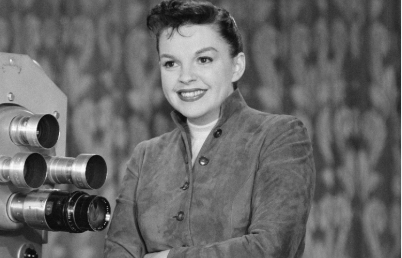
Judy Garland, a name that evokes a dazzling spectrum of emotions, remains one of the most iconic and beloved performers of Hollywood’s Golden Age. Her unparalleled voice, a conduit for both profound sorrow and infectious joy, captivated audiences for decades. Yet, behind the larger-than-life persona was a life marked by extraordinary highs and devastating lows. To truly understand the legend, we must journey through the pivotal moments that shaped the woman and the star. These are the top 10 defining moments in the life of Judy Garland, a chronicle of her triumphs, her struggles, and her enduring legacy.
1. The Birth of a Vaudeville Prodigy in the Gumm Sisters Trio
Long before she clicked her ruby slippers, Frances Ethel Gumm was a pint-sized powerhouse of talent. Born into a family of vaudevillians, the stage was her cradle. Alongside her two older sisters, Mary Jane and Virginia, she formed “The Gumm Sisters.” It was here, in the dusty footlights of small-town theaters, that the seeds of Judy Garland’s prodigious talent were sown. Even as a young child, her voice possessed a startling maturity and emotional depth that belied her years. Performing in this family act was more than just a childhood pastime; it was an intensive, albeit unconventional, apprenticeship. She learned the art of captivating an audience, the nuances of comedic timing, and the sheer grit required to be a performer. This early exposure to the relentless demands of show business undoubtedly shaped her work ethic and her innate understanding of stagecraft. It was also during this period that the pressures of performance and the constant need for approval began to intertwine with her sense of self-worth, a theme that would echo throughout her life. The Gumm Sisters trio was the crucible in which Frances Gumm began her transformation into the singular sensation that would become Judy Garland.
2. Signing with MGM and the Creation of “Judy Garland”
The year 1935 marked a seismic shift in the life of thirteen-year-old Frances Gumm. A successful audition at Metro-Goldwyn-Mayer (MGM), the titan of Hollywood studios, catapulted her into a world of glamour, opportunity, and immense pressure. It was here that studio head Louis B. Mayer, recognizing her immense talent but deeming her name “common,” orchestrated her transformation. Frances Gumm became Judy Garland, a name that would soon be synonymous with cinematic magic. This signing was a double-edged sword. On one hand, it provided her with a platform to showcase her extraordinary gifts to the world, leading to roles that would cement her status as a Hollywood legend. On the other, it subjected her to the rigid and often cruel machinations of the studio system. Concerns about her weight and appearance led to a tightly controlled diet and the administration of amphetamines to keep her energy levels high during grueling filming schedules, and barbiturates to help her sleep. This early introduction to prescription medication would tragically blossom into a lifelong battle with addiction. Her time at MGM was a whirlwind of professional triumphs and personal turmoil, a gilded cage where her star ascended while her personal struggles deepened.
3. Soaring “Over the Rainbow” in The Wizard of Oz
For millions around the globe, Judy Garland will forever be Dorothy Gale, the girl from Kansas who dreamed of a land “somewhere over the rainbow.” The 1939 Technicolor marvel, The Wizard of Oz, was more than just a film; it was a cultural phenomenon that launched Garland into the stratosphere of international stardom. Her heartfelt and poignant rendition of “Over the Rainbow” became her signature song, an anthem of hope and yearning that resonated deeply with audiences. The role of Dorothy was a perfect marriage of Garland’s youthful innocence and her preternatural ability to convey profound emotion. While the film’s production was fraught with difficulties, including on-set accidents and the intense pressure to deliver a hit, Garland’s performance was a beacon of sincerity and charm. She was awarded a special miniature Academy Award for her outstanding performance as a screen juvenile, a testament to her remarkable talent. The Wizard of Oz was a defining moment not just in her career, but in the history of cinema. It immortalized Judy Garland as a symbol of youthful optimism and the enduring power of dreams, a legacy that continues to enchant audiences of all ages.
4. The Transition to Adult Roles in “Meet Me in St. Louis”
By the mid-1940s, Judy Garland was at a professional crossroads. No longer the “girl next door” of her earlier films, she yearned for more substantial, adult roles that would allow her to showcase her dramatic range. The 1944 musical masterpiece, Meet Me in St. Louis, provided that perfect opportunity. Under the masterful direction of Vincente Minnelli, whom she would later marry, Garland delivered a nuanced and captivating performance as Esther Smith. The film was a visual and emotional triumph, capturing the warmth and nostalgia of turn-of-the-century American family life. It also gifted the world with some of Garland’s most iconic musical numbers, including “The Trolley Song” and the deeply moving “Have Yourself a Merry Little Christmas.” Her portrayal of Esther demonstrated a newfound maturity and sophistication, proving that she was more than capable of transitioning from juvenile star to leading lady. Meet Me in St. Louis was a critical and commercial success, solidifying her position as one of MGM’s most valuable assets. This film marked a significant evolution in her career, showcasing her growth as an actress and her ability to anchor a major motion picture with both her musical talent and her dramatic prowess.
5. The Heartbreak of Leaving MGM and Her First Comeback
The late 1940s and early 1950s were a tumultuous period for Judy Garland. The relentless pressures of stardom, coupled with her ongoing struggles with addiction and emotional instability, began to take a heavy toll. Her unreliability on set and a series of personal crises led to her suspension from several films and ultimately, in 1950, to the termination of her contract with MGM after 15 years. For an artist who had known no other professional home, this was a devastating blow. The years immediately following her departure from the studio were marked by a profound sense of loss and uncertainty. However, it was during this dark period that Garland’s indomitable spirit began to shine through. She embarked on a series of triumphant concert appearances, most notably a record-breaking run at the Palace Theatre in New York City. These live performances allowed her to connect with her audience on a deeply personal level, free from the constraints of the studio system. This first, powerful comeback demonstrated her incredible resilience and her unwavering dedication to her craft. It was a testament to the fact that while MGM may have created a star, the true magic of Judy Garland belonged to her and her adoring public.
6. A Star is Reborn: Her Triumphant Return to the Big Screen
The mid-1950s witnessed one of the most remarkable comebacks in Hollywood history. After a four-year absence from the silver screen, Judy Garland returned in the 1954 musical drama, A Star Is Born. This was a project deeply personal to Garland, and she poured her heart and soul into the role of Vicki Lester, a rising star whose career blossoms as her husband’s, an alcoholic actor, declines. The film was a tour de force for Garland, showcasing the full breadth of her dramatic and vocal talents. Her raw and emotionally charged performance earned her an Academy Award nomination for Best Actress. The film’s signature ballad, “The Man That Got Away,” became an instant classic and a staple of her concert repertoire. A Star Is Born was a powerful and poignant reflection of Garland’s own experiences with the highs and lows of fame, and her performance resonated with a searing authenticity. Although she famously lost the Oscar in what many considered a major upset, her comeback was a resounding success. The film reaffirmed her status as a cinematic icon and a performer of unparalleled depth and vulnerability.
7. “The Greatest Night in Show Business History”: Judy at Carnegie Hall
On the evening of April 23, 1961, Judy Garland took to the stage of New York’s prestigious Carnegie Hall and delivered a performance that has since become the stuff of legend. This concert, often hailed as “the greatest night in show business history,” was the pinnacle of her career as a live performer. For over two hours, she held the sold-out audience in the palm of her hand, delivering a powerhouse performance that was both electrifying and deeply intimate. The resulting live album, Judy at Carnegie Hall, won five Grammy Awards, including Album of the Year, a rare feat for a live recording. The concert was a testament to her incredible stamina and her unique ability to forge an almost spiritual connection with her audience. Free from the artifice of a movie set, she was simply Judy, raw, vulnerable, and utterly magnificent. The Carnegie Hall concert was more than just a performance; it was a cultural event that captured the essence of her artistry. It cemented her legacy not just as a movie star, but as one of the greatest live entertainers of all time.
8. The Trials and Tribulations of “The Judy Garland Show”
In the early 1960s, Judy Garland ventured into the burgeoning world of television with her own variety series, The Judy Garland Show. The show was a platform for her to showcase her immense talent and to perform alongside some of the biggest names in entertainment, including a young Barbra Streisand in a now-iconic duet. For many, the musical segments of the show were pure magic, capturing the lightning-in-a-bottle quality of her live performances. However, behind the scenes, the show was plagued by a multitude of problems, including creative clashes, network interference, and Garland’s own ongoing personal struggles. The immense pressure of producing a weekly television show took a significant toll on her health and well-being. Despite critical acclaim for many of its episodes, The Judy Garland Show struggled in the ratings and was canceled after just one season. The experience was a bittersweet one for Garland. While it allowed her to create some truly unforgettable television moments, it also exposed her to the harsh realities and relentless demands of the television industry, further exacerbating the personal demons she fought so valiantly.
9. The Final, Poignant Performances in London
The final years of Judy Garland’s life were a whirlwind of concert appearances, often in smaller, more intimate venues. In the winter of 1968, she embarked on a five-week run of shows at London’s Talk of the Town nightclub. These performances were a stark and often heartbreaking contrast to the triumphs of her earlier career. By this point, years of addiction and personal turmoil had taken their toll on her once-powerhouse voice. Some nights, she was brilliant, her old magic shining through. On other nights, she was fragile and unsteady, struggling to get through her set. These final performances were a raw and unflinching look at a legend in decline, a testament to her desperate need to perform and her deep-seated connection with her audience, even in the face of immense personal struggle. Her marriage to her fifth husband, Mickey Deans, during this period was a brief and tumultuous one. These final London performances, with all their unpredictability and poignant vulnerability, serve as a powerful and enduring image of a brilliant talent battling against the shadows that would soon consume her.
10. Her Untimely Death and Enduring Legacy as a Gay Icon
On June 22, 1969, just twelve days after her 47th birthday, Judy Garland was found dead in her London home from an accidental overdose of barbiturates. The world mourned the loss of a truly singular talent. Her funeral in New York City drew thousands of grief-stricken fans, a testament to the profound impact she had on so many lives. In the decades since her death, Judy Garland’s legacy has not only endured but has grown in stature. She is remembered as one of the greatest entertainers of the 20th century, a performer whose voice could convey a universe of emotions. Beyond her artistic achievements, she has also become a beloved and enduring icon within the LGBTQ+ community. Her own struggles and her ability to convey a sense of hope and resilience in the face of adversity resonated deeply with a community that was itself fighting for acceptance and visibility. The timing of her death, just days before the Stonewall Riots that would ignite the modern gay rights movement, has further solidified her place in LGBTQ+ history. Judy Garland’s life was a complex tapestry of light and shadow, triumph and tragedy. Yet, through it all, her voice, her talent, and her indomitable spirit continue to shine brightly, a timeless beacon for anyone who has ever dared to dream of a place “somewhere over the rainbow.”
Further Reading
- Get Happy: The Life of Judy Garland by Gerald Clarke
- Me and My Shadows: A Family Memoir by Lorna Luft
- Judy and I: My Life with Judy Garland by Sid Luft
- Rainbow’s End: The Judy Garland Show by Coyne Steven Sanders
- Judy Garland: The Other Side of the Rainbow by Michael Freedland
Here at Zentara.blog, our mission is to take those tricky subjects and unlock them, making knowledge exciting and easy to grasp for everyone. But the adventure doesn’t stop on this page! We’re constantly exploring new frontiers and sharing discoveries across the digital universe. Want to dive deeper into more mind-bending Top 10s and keep expanding your world? Come join us on our other platforms – we’ve got unique experiences waiting for you on each one!
Get inspired by visual wonders and bite-sized facts: See the world through Zentara’s eyes on Pinterest!
Pin our fascinating facts and stunning visuals to your own boards. Explore Pins on Pinterest: https://uk.pinterest.com/zentarablog/
Discover quick insights and behind-the-scenes peeks: Hop over to Tumblr for snippets, quotes, and unique content you won’t find anywhere else. It’s a different flavour of discovery! Follow the Fun on Tumblr: https://www.tumblr.com/zentarablog
Ready for deep dives you can listen to or watch? We’re bringing our accessible approach to video and potentially audio! Subscribe to our YouTube channel and tune into future projects that make learning pop! Subscribe on YouTube: https://www.youtube.com/@ZentaraUK
Seeking even more knowledge in one place? We’ve compiled some of our most popular topic deep dives into fantastic ebooks! Find them on Amazon and keep the learning journey going anytime, anywhere. Find Our Ebooks on Amazon: https://www.amazon.co.uk/s?k=Zentara+UK&ref=nb_sb_noss
Connect with us and fellow knowledge seekers: Join the conversation on BlueSky! We’re sharing updates, thoughts, and maybe even asking you what wonders we should explore next. Chat with Us on BlueSky: https://bsky.app/profile/zentarablog.bsky.social
Perfect for learning on the move! We post multiple 10-minute podcasts per day on Spotify. Pop on your headphones and fill your day with fascinating facts while you’re out and about! Listen on Spotify: https://open.spotify.com/show/3dmHbKeDufRx95xPYIqKhJFollow us on Instagram for bytesize knowledge! We post multiple posts per day on our official Instagram account. https://www.instagram.com/zentarablog/ Every click helps us keep bringing honest, accessible knowledge to everyone. Thanks for exploring with us today – see you out there in the world of discovery!




Leave a Reply