
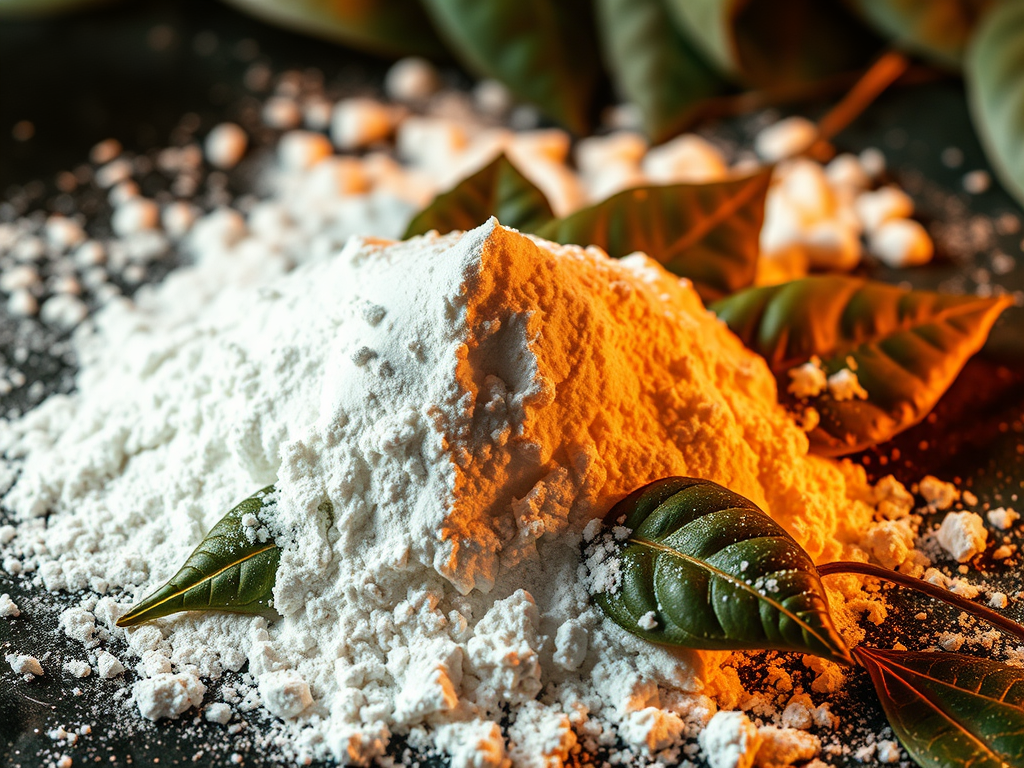
Cocaine is one of the most culturally loaded substances on the planet. For many, the word immediately conjures images of 1980s excesses, high-stakes crime dramas, or the devastating reality of the “war on drugs.” Yet, the story of this white powder is far older, more complex, and more intertwined with our daily lives than most people realize. From its origins as a sacred leaf in the Andes to its status as the world’s first local anesthetic, the history of cocaine is a journey through botany, medicine, and global economics.
Understanding cocaine requires looking past the headlines to the fundamental science and history of the substance. It is a drug of contradictions: a powerful medicine that became a public health crisis, and a natural plant alkaloid that has fueled both scientific breakthroughs and environmental destruction. Whether you are interested in the history of cocaine or the biological effects of cocaine on the brain, these ten facts offer a comprehensive look at a substance that has shaped the modern world in ways both seen and unseen.
1. The Sacred Leaf: A Botanical History Spanning Millennia
Long before it was a processed white powder, cocaine existed solely within the leaves of the Erythroxylum coca plant. For over 4,000 years, indigenous peoples in the Andean regions of South America—modern-day Peru, Bolivia, and Colombia—have utilized the coca leaf for survival. In these high-altitude environments, where oxygen is scarce and the terrain is unforgiving, chewing the leaves or brewing them into tea provided a mild stimulant effect similar to a strong cup of coffee.
The indigenous cultures, most notably the Incas, regarded the plant as divine. It wasn’t just a tool for endurance; it was a cornerstone of religious ritual and social bonding. The leaves contain about 0.5% to 1.0% of the cocaine alkaloid, meaning that traditional consumption via chewing never produced the intense “rush” associated with the refined drug. Instead, it suppressed hunger, increased physical stamina, and alleviated the symptoms of altitude sickness. To this day, coca leaf products remain legal and culturally significant in many parts of the Andes, where you can find everything from coca-infused tea bags to energy bars. This ancient relationship highlights the difference between a natural plant and the highly concentrated, refined chemical that would eventually emerge from European laboratories in the 19th century.
2. The 19th-Century Isolation: From Plant to Powder
The transition of cocaine from a botanical curiosity to a global pharmaceutical powerhouse happened in the mid-1800s. While European explorers had observed the effects of the coca leaf for centuries, it wasn’t until the rise of organic chemistry that the “magic” ingredient could be isolated. In 1855, German chemist Friedrich Gaedcke first isolated the alkaloid, calling it “erythroxyline.” However, it was Albert Niemann, a doctoral student at the University of Göttingen, who refined the process and gave the substance its now-infamous name: cocaine.
Niemann’s work paved the way for the history of cocaine as a modern drug. Once isolated, the substance was far more potent and easier to transport than bulky leaves. The medical community of the 1860s and 70s greeted cocaine as a “miracle drug.” It was seen as a panacea for everything from depression to asthma. This era of cocaine facts is often overlooked, but it represents a time when the drug was legally and enthusiastically embraced by the Western world’s brightest minds. They believed they had found a tool that could effectively “turn off” pain and fatigue without the heavy sedation associated with opium or alcohol. This optimism, however, was about to meet the harsh reality of addiction.
3. Sigmund Freud’s “Magical” Obsession: The Über Coca Era
One of the most famous proponents of cocaine was the father of psychoanalysis himself, Sigmund Freud. In 1884, a young Freud published a glowing monograph titled Über Coca (“On Coca”). Having experimented with the drug himself to treat his own depression and “nervous exhaustion,” Freud became an unofficial spokesman for the substance. He praised its ability to create a “lasting euphoria” and even recommended it as a cure for morphine and alcohol addiction.
Freud’s endorsement significantly influenced the history of cocaine use in European medicine. He even sent samples to his fiancée and family members, believing it was entirely harmless. However, Freud’s enthusiasm eventually soured. He witnessed his close friend, Ernst von Fleischl-Marxow, descend into a horrific state of “cocaine psychosis” after attempting to use the drug to kick a morphine habit. Freud eventually retracted his public support for the drug as reports of “cocainism” and dependency began to flood medical journals. Despite his later silence on the topic, the “Freudian era” of cocaine remains a pivotal moment when the drug’s psychological power was first documented—and tragically underestimated.
4. The Original “Real Thing”: Cocaine in Coca-Cola
It is perhaps the most famous piece of cocaine trivia: the original recipe for Coca-Cola included cocaine. When John Pemberton created the iconic soda in 1886, it was marketed as a “brain tonic” and “nerve stimulant.” The name itself is a giveaway—the “Coca” referred to the coca leaf extract, while the “Cola” referred to the caffeine-rich kola nut. At the time, each bottle contained an estimated nine milligrams of cocaine.
While the Coca-Cola Company eventually removed the active drug from its recipe around 1903 (replacing it with “spent” or decocainized leaves), the relationship between the company and the plant didn’t end there. To this day, a specialized chemical plant in New Jersey, operated by the Stepan Company, is the only facility in the United States authorized by the DEA to import coca leaves. They process the leaves to create a non-narcotic flavoring for Coca-Cola and then sell the extracted cocaine to pharmaceutical companies for medical uses of cocaine. This means that the world’s most popular soda still relies on the very same plant that produces the drug, maintaining a unique and legal link to the Andes.
5. Modern Medicine’s Best-Kept Secret: Topical Anesthesia
Despite its reputation as an illicit substance, cocaine remains a Schedule II drug in the United States, meaning it has a “currently accepted medical use.” Specifically, it is a highly effective local anesthetic and vasoconstrictor. While modern synthetics like lidocaine have largely replaced it for routine dental work or minor stitches, medical cocaine (usually a 4% or 10% solution) is still used in specialized ear, nose, and throat (ENT) surgeries.
Cocaine is unique because it provides two benefits simultaneously: it numbs the area and constricts the blood vessels. This is crucial for surgeries involving the nasal passages, which are notoriously prone to heavy bleeding. By shrinking the blood vessels, the surgeon has a clearer field of vision and the patient loses less blood. It is also used to treat severe, uncontrolled nosebleeds. While strictly regulated and administered only by professionals, the existence of medical uses of cocaine in 2025 serves as a reminder that the chemical itself is a tool—one that can be used to heal when handled with scientific precision.
6. The Dopamine Hijack: How It Rewires the Brain
To understand cocaine addiction, one must understand the brain’s “reward system.” Normally, the brain releases a chemical called dopamine when we do something beneficial, like eating a good meal or exercising. Once the dopamine has done its job, it is reabsorbed back into the nerve cells by a “transporter” protein, ending the signal. Cocaine acts as a molecular “blocker” for these transporters.
When cocaine enters the system, it clogs these transporters, preventing the dopamine from being reabsorbed. This leads to a massive buildup of dopamine in the space between cells, causing a continuous, intense signal to the brain’s reward centers. This is what creates the characteristic “rush” and feelings of extreme confidence. However, the brain is highly adaptive; to compensate for this overstimulation, it begins to shut down dopamine receptors. This leads to the “crash”—a state where nothing feels pleasurable anymore without the drug. This cycle of “binge and crash” is a fundamental aspect of the effects of cocaine on the brain, explaining why users often feel a desperate need to redose shortly after the initial high wears off.
7. The Crack vs. Powder Myth: Same Drug, Different Route
For decades, there has been a significant social and legal distinction between “powder” cocaine (cocaine hydrochloride) and “crack” cocaine (cocaine base). Historically, this led to massive disparities in sentencing, with crack offenses carrying much harsher penalties. However, from a pharmacological perspective, they are essentially the same drug. The primary difference is the chemical form and the method of administration.
Powder cocaine is a salt that dissolves in water, making it suitable for snorting or injecting. Crack is created by boiling the powder with baking soda and water to remove the hydrochloride, resulting in “rocks” that can be smoked. The reason crack is often perceived as “more addictive” isn’t because the chemical is different, but because smoking allows the drug to reach the brain in seconds, whereas snorting takes several minutes. The faster a drug hits the brain, the higher the potential for addiction. Understanding this cocaine fact is essential for discussing modern drug policy and the Fair Sentencing Act, as it highlights how the method of use, rather than the substance itself, influenced social perceptions and legal outcomes.
8. The Environmental Toll: “Narco-Deforestation”
When people think of the damage caused by the drug trade, they usually think of violence and addiction. However, one of the most enduring and hidden cocaine facts is its devastating impact on the environment. To produce cocaine, vast tracts of the Amazon rainforest and Andean cloud forests are cleared to make room for illicit coca plantations. This is known as “narco-deforestation.”
The production process itself is an environmental nightmare. Jungle laboratories, hidden deep within the forest to avoid detection, use massive amounts of toxic chemicals to extract cocaine from the leaves. Gasoline, kerosene, sulfuric acid, and ammonia are frequently used and then dumped directly into the soil and local waterways. This chemical runoff poisons the local ecosystem, killing fish and making water unsafe for indigenous communities. Furthermore, because these plantations are illegal, farmers often use banned, high-potency pesticides to protect their crops. The demand for cocaine in the West is, in a very literal sense, eating away at the world’s most vital carbon sinks and biodiversity hotspots.
9. The White Powder in Literature and Pop Culture
Cocaine’s influence extends far into the world of fiction and art, reflecting society’s changing attitudes toward the drug. In the late 19th century, before the drug was stigmatized, it was a common trope in “gentlemanly” literature. Most famously, Arthur Conan Doyle’s Sherlock Holmes was a frequent user of a “seven-percent solution” of cocaine, which he injected to ward off the “dull routine of existence” between cases. At the time, this was seen as a sign of his intellectual restlessness rather than a moral failing.
By the 1980s, the depiction shifted dramatically. Movies like Scarface and Bright Lights, Big City portrayed cocaine as the ultimate symbol of greed, power, and eventual downfall. This cultural obsession reflects the drug’s “status” as a high-priced commodity. Unlike many other drugs, cocaine has historically been associated with wealth and “fast” living, a reputation that has persisted even as the price has dropped and purity levels have fluctuated. This cultural footprint is a key part of the history of cocaine, showing how we use the drug as a mirror to examine our own societal values regarding success and excess.
10. The 2025 Landscape: Production and Purity Trends
As of late 2025, the global cocaine market is in a state of unprecedented change. Despite decades of eradication efforts, global production reached record highs in recent years. Advancements in agricultural techniques and the use of “super-coca” plants that yield more alkaloid have allowed producers to create more drugs with less land. Furthermore, the “purity” of street cocaine has increased in many markets, even as it is increasingly “cut” or adulterated with dangerous synthetic substances like levamisole or, more recently, fentanyl.
The modern landscape is also defined by a shift in global routes. While the United States remains a massive market, demand in Europe and Oceania has surged. This has led to the rise of new, powerful cartels and a diversification of smuggling methods, including the use of “narco-subs”—sophisticated, semi-submersible vessels capable of carrying tons of product across the Atlantic. These cocaine facts illustrate that the drug is not a relic of the 1980s, but a dynamic and evolving force in the global economy, continuing to challenge law enforcement and public health systems worldwide.
Further Reading
- Cocaine: An Unauthorized Biography by Dominic Streatfeild
- A comprehensive and incredibly engaging history that covers everything from the botanical origins to the CIA’s alleged involvement in the crack trade.
- Andean Cocaine: The Making of a Global Drug by Paul Gootenberg
- A scholarly yet accessible look at how a local Andean plant became a global commodity, focusing on the historical and economic drivers.
- An Anatomy of Addiction: Sigmund Freud, William Halsted, and the Miracle Drug Cocaine by Howard Markel
- A fascinating dual biography of two medical giants whose lives and careers were deeply impacted by their early experiments with cocaine.
- Marching Powder by Rusty Young
- The true story of an English drug smuggler’s life in Bolivia’s San Pedro prison, offering a gritty, first-hand look at the “bottom” of the cocaine trade.
Keep the Discovery Going!
Here at Zentara, our mission is to take tricky subjects and unlock them, making knowledge exciting and easy to grasp. But the adventure doesn’t stop at the bottom of this page. We are constantly creating new ways for you to learn, watch, and listen every single day.
📺 Watch & Learn on YouTube
Visual learner? We publish 4 new videos every day, plus breaking news shorts to keep you smarter than the headlines. From deep dives to quick facts, our channel is your daily visual dose of wonder.
Click here to Subscribe to Zentara on YouTube
🎧 Listen on the Go on Spotify
Prefer to learn while you move? Tune into the Zentara Podcast! We drop a new episode daily, perfect for your commute, workout, or coffee break. Pop on your headphones and fill your day with fascinating facts.
Click here to Listen on Spotify
Every click, view, and listen helps us keep bringing honest knowledge to everyone. Thanks for exploring with us today—see you out there in the world of discovery!




Leave a Reply