
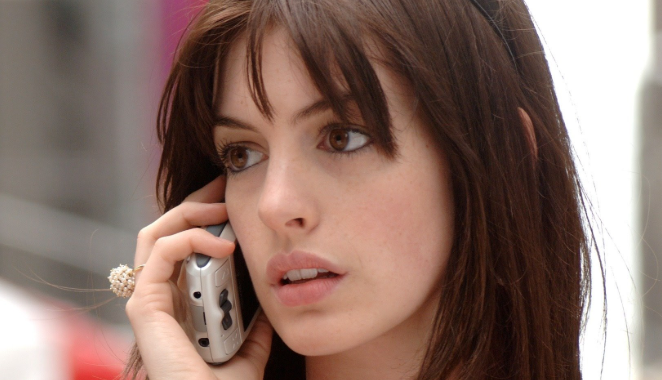
Released in 2006, The Devil Wears Prada didn’t just walk into theaters; it strutted in 4-inch Chanel boots and changed the landscape of the “career girl” movie forever. While many initially dismissed it as a simple “chick flick,” it has since evolved into a cinematic masterclass on power dynamics, the cost of ambition, and the relentless machinery of the high-fashion industry. Based on Lauren Weisberger’s best-selling novel, the film features a powerhouse performance by Meryl Streep as the formidable Miranda Priestly and a star-making turn for Anne Hathaway.
Even if you’ve seen the movie enough times to recite the “Cerulean” speech by heart, there are layers to this production that remain hidden beneath its designer surface. From Devil Wears Prada production secrets to the unexpected origins of its most famous lines, the journey from the page to the screen was as high-stakes as a Runway cover shoot. Whether you’re interested in Meryl Streep Miranda Priestly inspiration or the logistical nightmares of the film’s wardrobe, these ten facts will give you a “grounded” look at a “glamorous” world.
1. Meryl Streep Inspired Miranda Priestly from Men, Not Just Anna Wintour
While it is widely assumed that Miranda Priestly is a direct caricature of Vogue editor-in-chief Anna Wintour, Meryl Streep drew her Miranda Priestly inspiration from a much wider pool. Streep famously stated that she didn’t want to do a “cheap” imitation of Wintour. Instead, she looked to men for the character’s terrifying presence.
She modeled Miranda’s quiet, whispery voice after Clint Eastwood, noting that the most powerful people in a room never have to shout to be heard. For the character’s dry wit and “steely” demeanor, she looked to theater director Mike Nichols. This decision shifted Miranda from being a “mean boss” trope into a complex, authoritative figure. This evergreen search intent for understanding Meryl’s process reveals that the character’s power comes from a deliberate subversion of gendered expectations in leadership.
2. The Film Had One of the Most Expensive Wardrobes in History
You can’t make a movie about Runway magazine with off-the-rack clothing. The Devil Wears Prada fashion budget is legendary, but even with a healthy allocation, the film’s costume designer, Patricia Field (of Sex and the City fame), had to get creative. The total value of the clothing used in the film was estimated to be around $1 million, yet the actual budget for costumes was only about $100,000.
Field utilized her immense influence in the fashion world to borrow high-end pieces from designers who were initially hesitant to be associated with the film. Chanel, in particular, wanted to see Anne Hathaway in their clothes, providing several key pieces that helped transition Andy Sachs from “lumpy cerulean sweater” to fashion icon. This hidden detail in Devil Wears Prada highlights the symbiotic relationship between Hollywood and high fashion, proving that style is often about who you know.
3. Anne Hathaway Was Actually Ninth in Line for the Role of Andy
It is hard to imagine anyone else playing the earnest, fish-out-of-water Andy Sachs, but Anne Hathaway casting was far from a sure thing. The studio, Fox 2000, was desperate to cast a massive star, and Hathaway was ninth on their list. The first choice was Rachel McAdams, who famously turned down the role multiple times because she wanted to move away from mainstream projects at the time.
Other actresses considered included Scarlett Johansson, Natalie Portman, and Juliette Lewis. Hathaway was so eager for the part that she reportedly traced the words “Hire Me” in the sand of a Zen garden in an executive’s office. Her persistence paid off, and her chemistry with Streep became the heart of the movie. This Devil Wears Prada trivia serves as a classic Hollywood reminder that sometimes the “right” person for the job has to fight the hardest to get in the door.
4. The “Cerulean” Speech Was Almost Cut
The “Cerulean” monologue—where Miranda systematically deconstructs Andy’s disdain for fashion—is arguably the most famous scene in the movie. It provides the actionable insights into how the fashion industry dictates global commerce. However, during the scripting phase, many felt the scene was too educational or slowed down the pace.
Meryl Streep insisted on its inclusion, recognizing that the audience needed to understand that Miranda wasn’t just a tyrant; she was a genius who saw the world through a lens of color and influence. The speech was meticulously researched to ensure technical accuracy, tracing a color’s journey from a high-fashion runway to a bargain bin. This scene transformed the film from a workplace comedy into a serious look at the fundamental aspects of the fashion industry, making it an essential resource for fashion students today.
5. Emily Blunt’s Character Wasn’t Originally British
Emily Blunt’s performance as the high-strung, “one flu away from my goal weight” assistant, Emily Charlton, was her breakout role. Interestingly, the character was originally written as American. When Blunt auditioned, she decided to play the character with a sharp, clipped British accent, believing it added an extra layer of snobbery and “edge” to the role.
The director, David Frankel, loved the choice so much that the character was rewritten as British on the spot. Blunt also improvised several of her most iconic lines, including the moment she tells Andy, “I’m hearing ‘this’ and I want to hear ‘nothing’.” Her portrayal added a layer of comedic desperation that perfectly complemented the tension between Andy and Miranda, solidifying her place in Devil Wears Prada cast history.
6. Many Real Designers Feared Anna Wintour’s Reaction
Despite the film being a massive cultural moment, the real fashion world reaction was initially cold. Many top designers, including those mentioned in the film, were terrified that if they made a cameo or lent clothes, they would be “blacklisted” by Anna Wintour and Vogue.
Gisele Bündchen, the world-famous supermodel, only agreed to appear in the film on the condition that she didn’t play a model. Instead, she played one of the “Clackers” (the assistants nicknamed for the sound of their heels). For a long time, the only major fashion figure to embrace the film was Valentino Garavani, who made a brief appearance. It wasn’t until the film became a runaway success that the industry fully embraced its “love-letter” status to the hard work behind the glamour.
7. Stanley Tucci Was Cast Only 72 Hours Before Filming
Stanley Tucci’s portrayal of Nigel, the creative director and Andy’s mentor, is one of the most beloved parts of the film. He provides the soul and the “intermediate level” knowledge Andy needs to survive. However, the role of Nigel was the hardest to cast, and the production was dangerously close to filming without a Nigel.
Tucci was eventually approached and accepted the role just three around three days before his first scene. Despite the rush, he brought a warmth and professional dignity to the character that wasn’t fully present on the page. His performance highlighted the career growth and mentorship themes that make the movie evergreen, proving that even in a cutthroat environment, there is room for genuine guidance.
8. The “Active Silence” of the First Meeting
In the scene where Andy first meets Miranda, Meryl Streep made a specific acting choice that changed the entire energy of the film. While the script had Miranda being loud and abrasive, Streep decided to use “active silence.” She spent the meeting looking through Andy, barely acknowledging her presence, and speaking in a low, controlled volume.
This choice forced the actress (Hathaway) and the audience to lean in, creating an atmosphere of intense focus and intimidation. This Devil Wears Prada production secret illustrates how Streep uses stillness as a weapon. By refusing to give Andy any emotional feedback, Miranda establishes her total dominance, a key element in the film’s exploration of workplace power dynamics.
9. There Is a “Deleted” Ending That Changes Andy’s Choice
Fans of the film often debate the ending, where Andy tosses her phone into a fountain and walks away from the high-pressure world of Runway. However, there is an alternate, “softer” ending that was filmed but ultimately cut. In this version, Miranda has a brief moment of vulnerability in the car, showing a flash of gratitude toward Andy before quickly snapping back to her cold exterior.
The filmmakers decided to cut this because they felt it undermined Miranda’s character. They wanted her to remain an “enigma” until the very last frame. Keeping Miranda’s armor intact ensured the film avoided the “happy ending” trope, maintaining its status as a beginner or intermediate level study on the sacrifices required for peak professional success.
10. The Movie’s Title Became a Cultural Shorthand
Since its release, “The Devil Wears Prada” has transcended the film itself to become a linguistic shorthand for any demanding, high-fashion, or high-pressure workplace environment. This evergreen search intent is why the movie remains relevant 20 years later. It captured a specific “zeitgeist” of the early 2000s—the transition from print to digital, the rise of the “assistant” culture, and the shifting definitions of femininity in the workplace.
The film’s legacy is built on its refusal to be “just” a comedy. By taking the fashion industry seriously, it forced the audience to take the characters seriously. This enduring appeal is why it remains a go-to resource for anyone looking to understand the intersection of ambition, style, and identity.
Further Reading
If you’re fascinated by the intersection of fashion, power, and the making of this modern classic, these books offer an excellent “behind-the-scenes” look:
- The Devil Wears Prada (Novel) by Lauren Weisberger – The original source material that started it all, offering more internal monologue from Andy.
- Anna: The Biography by Amy Odell – A deep dive into the life of Anna Wintour, the woman often cited as the inspiration for Miranda Priestly.
- The Chiffon Trenches: A Memoir by André Leon Talley – The late Vogue editor’s memoir provides a real-life look at the “Nigel” experience in the fashion world.
- Fashionopolis: The Price of Fast Fashion and the Future of Clothes by Dana Thomas – For those who want to understand the “Cerulean” speech on a global, economic level.
Leave a Reply