
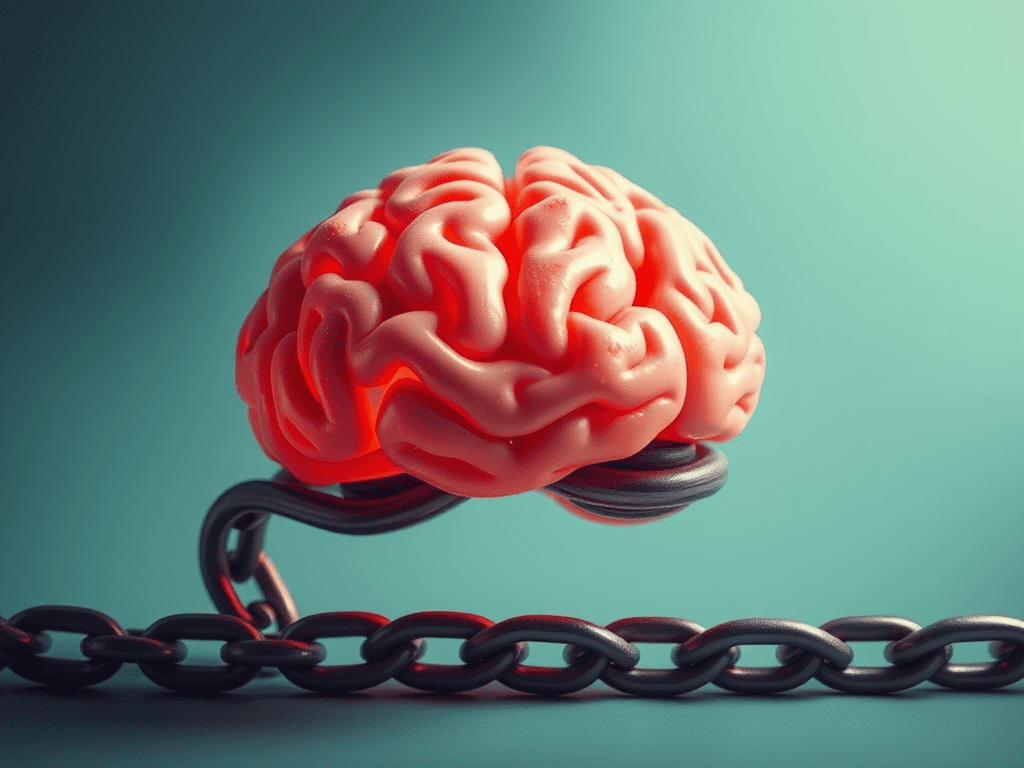
Have you ever heard someone say something about mental illness that just didn’t sound right? Maybe that it’s not a real illness, or that people who have one are just weak? Unfortunately, there are a lot of misunderstandings and myths floating around about mental health. These myths can be really harmful, creating stigma around mental health, which makes people feel ashamed or scared to talk about their problems or ask for help.
So, what is mental illness? Think of it like any other health condition, such as asthma or diabetes, but instead of affecting your lungs or blood sugar, it affects your brain, influencing your thoughts, feelings, and behaviors. It’s not a choice, a weakness, or something imaginary. Just like physical illnesses, mental illnesses are real, they can be treated, and people affected by them deserve understanding and support. Knowing the facts is super important to challenge these harmful ideas. Let’s bust some of the most common myths and learn the truth together. Here are 10 mental illness myths debunked!
1. Myth: Mental Illness Isn’t Real / It’s Just “All in Your Head”
This is one of the biggest and most damaging myths – the idea that mental illness is somehow less real than a physical illness. Some people might say, “Just cheer up!” or “It’s all in your head,” implying it’s imaginary or something you can simply decide to stop experiencing. This is completely untrue. Mental illness is not real myth is harmful because it dismisses genuine suffering. Mental illnesses are actual health conditions with biological, psychological, and social factors involved. They affect the brain’s chemistry, structure, and function, leading to real symptoms like changes in mood, thinking patterns, energy levels, and behavior. Just because you can’t always see the cause on an X-ray doesn’t make the illness any less real or valid than a broken bone. Dismissing it as “all in your head” ignores the physical reality within the brain and prevents people from seeking the medical care they need and deserve.
2. Myth: Mental Illness is a Sign of Weakness or Laziness
Another common misconception is that developing a mental illness means someone is weak, lacks willpower, or isn’t trying hard enough. The mental illness weakness myth suggests that if a person were just stronger or more motivated, they could overcome it on their own. This is like saying someone with the flu is weak because they can’t just “will” their fever away. Mental illness has nothing to do with a person’s character, strength, or laziness. It’s a health issue, not a personality flaw. Many factors can contribute, including genetics, brain chemistry, life experiences (like trauma), and environmental stress. In fact, living with a mental illness often requires incredible strength and resilience every single day. It takes courage to face the challenges, seek help, and work towards recovery. Judging someone as weak only adds to the stigma around mental health and makes their journey harder.
3. Myth: People with Mental Illness are Violent or Dangerous
Thanks to sensationalized portrayals in movies and news media, many people wrongly believe that individuals with mental illness are typically violent and dangerous. This is a harmful stereotype that fuels fear and discrimination. The reality is that the vast majority of people with mental illness are no more likely to be violent than anyone else in the general population. Mental health facts for students and everyone else need to highlight that individuals with serious mental illness are actually more likely to be victims of violence than perpetrators. While a very small subset of specific symptoms in certain severe, untreated conditions can sometimes be linked to aggression, it’s absolutely not the norm. Associating mental illness with violence is inaccurate and creates unfair prejudice, making people unnecessarily afraid and isolating those who need support and community connection.
4. Myth: People with Mental Illness Can Just “Snap Out of It”
“Just pull yourself together!” “Think positive!” “Snap out of it!” People often say these things with good intentions, but they reflect a deep misunderstanding of mental illness. This myth suggests that recovery is simply a matter of willpower or changing one’s attitude instantly. You can’t just “snap out of” depression any more than you can “snap out of” diabetes or a broken leg. Common mental disorders like anxiety, depression, OCD, or bipolar disorder involve complex changes in brain function and chemistry that don’t just disappear with positive thinking alone. While a positive attitude and coping strategies are helpful parts of recovery, they are usually not enough on their own. Treatment often involves therapy, medication, lifestyle changes, and support systems, all of which take time and effort. Telling someone to “snap out of it” minimizes their struggle and can make them feel even more isolated and misunderstood.
5. Myth: Mental Illness Only Affects Adults
Some people think that kids and teenagers don’t experience “real” mental health problems, believing they are just moody, going through a phase, or seeking attention. This is false. Mental illness can affect anyone, regardless of age, race, gender, or background. In fact, many mental health conditions begin to emerge during childhood or adolescence. Mental health facts for students often emphasize that recognizing signs early is crucial. Conditions like anxiety disorders, depression, ADHD (Attention-Deficit/Hyperactivity Disorder), eating disorders, and others frequently start when people are young. Dismissing a young person’s struggles as just “teen angst” or typical kid behavior can prevent them from getting the help they need early on, potentially making things worse later. It’s vital to take young people’s mental health concerns seriously and provide appropriate support.
6. Myth: You Can’t Recover from a Mental Illness
There’s a common belief that once someone is diagnosed with a mental illness, they are “stuck” with it forever and have no hope of getting better or living a fulfilling life. This myth fuels hopelessness and despair. While it’s true that some mental illnesses are chronic (long-lasting) conditions that may require ongoing management, recovery is absolutely possible. Can people with mental illness recover? Yes! Recovery doesn’t always mean the illness completely disappears forever, but it means learning to manage symptoms, regaining control over one’s life, and achieving personal goals like working, studying, having relationships, and enjoying hobbies. With the right treatment (like therapy and/or medication), support systems, and coping strategies, many people with mental illness live full, productive, and meaningful lives. Hope is a crucial part of the recovery journey.
7. Myth: Mental Illness is Caused By Bad Parenting or Personal Failure
People sometimes wrongly blame individuals or their families for mental illness, suggesting it’s the result of poor upbringing, a character flaw, or some personal mistake. This myth adds guilt and shame to an already difficult situation. The truth is that the causes of mental illness are complex and varied. What is mental illness caused by? It’s usually a combination of factors, including genetics (family history), biology (brain chemistry and structure), environment (life experiences like stress, trauma, or abuse), and psychological factors. It’s not caused by one single thing, and it’s certainly not someone’s “fault” – not the person experiencing it, nor their parents or family. Blaming individuals or families is inaccurate and unfair, and it prevents open conversations and seeking help due to fear of judgment. Understanding the real causes helps foster compassion instead of blame.
8. Myth: Talking About Mental Illness Makes It Worse
Some people worry that discussing mental health problems, especially with young people, might plant ideas in their heads, encourage attention-seeking behavior, or make existing problems worse. The opposite is actually true. Keeping silent about mental health struggles increases stigma around mental health and leaves people feeling isolated and alone. Talking openly and honestly about mental illness helps to normalize the experience, reduces shame, and encourages people to seek help when they need it. Creating safe spaces where people feel comfortable sharing their feelings and experiences is crucial for early intervention and support. Asking someone how they’re doing and listening without judgment won’t make them worse; it can actually be a lifeline, letting them know they’re not alone and that help is available. Avoiding the conversation, however, can be truly damaging.
9. Myth: People with Mental Illness Can’t Hold Jobs or Live Normal Lives
This myth suggests that having a mental illness automatically means someone is incapable of working, maintaining relationships, or participating fully in community life. This stereotype limits opportunities and contributes to discrimination in workplaces and social settings. While symptoms of mental illness can sometimes impact daily functioning, especially if untreated, many people with common mental disorders and even serious mental illness are fully capable of working, studying, raising families, and leading productive lives, especially with appropriate treatment and support. Their ability to contribute to society is often underestimated. People with mental health conditions succeed in all sorts of jobs and roles. Focusing on abilities rather than disabilities, providing reasonable accommodations when needed, and challenging this myth allows everyone the chance to reach their potential. Recovery often involves integrating back into everyday life activities.
10. Myth: Only People Who Seem “Crazy” Have a Mental Illness
Often, the media portrays mental illness in extreme ways, leading people to believe you have to look or act visibly distressed or bizarre to have a mental health condition. This is far from the truth. Many people struggling with mental illness don’t fit these stereotypes at all. Someone can be experiencing significant internal struggles with anxiety, depression, or another condition while still appearing “fine” or high-functioning on the outside. What is mental illness like? It varies hugely! People learn to cope and mask their symptoms. Believing that only visibly unwell people have mental illness prevents us from recognizing the struggles of friends, family, classmates, or colleagues who might need support but don’t “look” like they have a problem. It also stops people from seeking help because they think their problem isn’t “bad enough” if they don’t fit the extreme stereotype.
Busting these myths is a huge step towards creating a world where mental health is treated with the same seriousness and understanding as physical health. Knowing the facts helps reduce the harmful stigma around mental health, encourages people to seek help without fear of judgment, and fosters more compassion and support for everyone. Remember, mental illnesses are real health conditions, not signs of weakness, and recovery is possible. By challenging misinformation and speaking openly, we can all help make a difference.
Further Reading
If you want to explore more about mental health, emotions, and resilience, these books are great places to start:
- Turtles All the Way Down by John Green – A novel offering insight into living with anxiety and OCD, written with honesty and empathy.
- Some Kind of Happiness by Claire Legrand – A story that sensitively explores themes of childhood depression and anxiety within a compelling narrative.
- Why Has Nobody Told Me This Before? by Dr Julie Smith – A practical guide written by a clinical psychologist, offering easy-to-understand insights and tools for managing emotional well-being (suitable for older teens and interested younger readers).


Leave a Reply to Top 10 Philosophical Thought Experiments That Will Challenge Your Assumptions – ZentaraCancel reply