
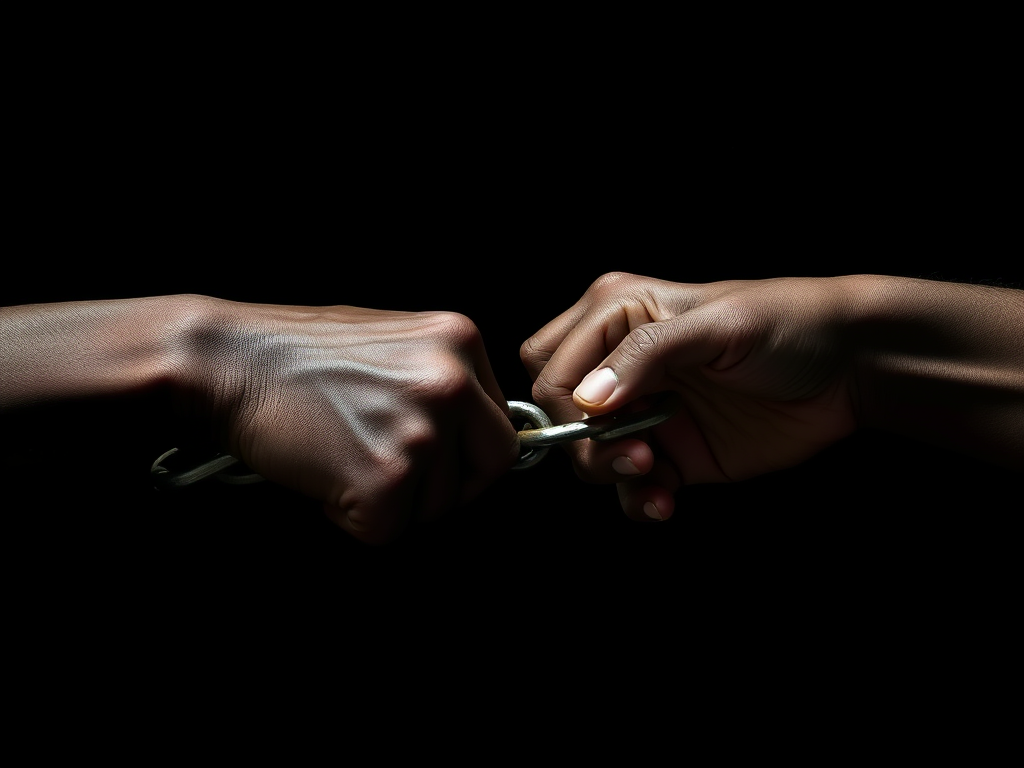
The Rwandan Genocide, a period of unfathomable horror that unfolded in 1994, stands as one of the darkest chapters in modern human history. In approximately 100 days, from April to July, an estimated 800,000 to 1,000,000 people, predominantly Tutsi but also moderate Hutu and Twa, were systematically murdered. This wasn’t merely a civil war, but a meticulously planned and executed extermination campaign driven by deep-seated ethnic hatred and political manipulation.
The sheer speed and scale of the killings, often perpetrated by neighbors against neighbors using rudimentary weapons, shocked the world and exposed a devastating failure of international intervention. Understanding the Rwandan Genocide is not just about recounting atrocities; it is about grasping the dangerous consequences of ethnic division, the chilling effectiveness of propaganda, and the profound moral imperative for prevention and responsibility. This article will delve into 10 crucial and enduring facts about the Rwandan Genocide, exploring its complex roots, the mechanics of its execution, and its lasting legacy, in an attempt to ensure that such horrors are never forgotten and hopefully, never repeated.
1. Deep-Seated Ethnic Divisions: Hutu and Tutsi
The roots of the Rwandan Genocide lie in the complex and often manipulated ethnic divisions between the Hutu and Tutsi populations. While often perceived as distinct “tribes,” the differences between Hutu and Tutsi were historically more socio-economic than strictly ethnic. Before colonial rule, “Hutu” generally referred to those who farmed, and “Tutsi” to those who owned cattle, allowing for social mobility between the groups. They shared a common language (Kinyarwanda) and culture.
However, Belgian colonial rule (from 1916 to 1962) exacerbated and rigidified these divisions. The Belgians favored the Tutsi minority, seeing them as naturally superior and more “European,” granting them preferential treatment in education and administrative positions. This created a resentful Hutu majority. Identity cards were introduced, explicitly stating “Hutu” or “Tutsi,” formalizing and entrenching ethnic labels that had previously been more fluid. After Rwanda gained independence in 1962, the Hutu majority came to power, leading to cycles of anti-Tutsi violence and discrimination throughout the 1960s, 70s, and 80s. These decades of engineered ethnic tension and cycles of violence created a highly volatile environment ripe for the genocidal horrors of 1994.
2. The Role of “Hutu Power” Ideology
The ideology that fueled the Rwandan Genocide was a virulent strain of Hutu extremism known as “Hutu Power.” This was not just a political movement; it was a deeply ingrained propaganda campaign that systematically demonized the Tutsi population. Hutu Power proponents argued that the Tutsi were not true Rwandans but foreign invaders who had historically oppressed the Hutu majority. They propagated the idea that the only way for Hutu to achieve security and prosperity was to eliminate the Tutsi threat entirely.
This ideology was disseminated through various channels, including government-controlled media (like the infamous Radio Télévision Libre des Mille Collines, RTLM), newspapers, and public speeches. It promoted a narrative of Hutu victimhood and Tutsi conspiracy, culminating in calls for “Hutu self-defense” against an alleged Tutsi plot to re-enslave them. The language used was dehumanizing, often referring to Tutsis as “inyenzi” (cockroaches) to strip them of their humanity and make their extermination seem justifiable. This widespread and relentless extremist propaganda was crucial in mobilizing ordinary citizens to participate in the atrocities, transforming neighbors into killers through fear, hatred, and misinformation.
3. The Assassination of President Habyarimana: The Catalyst
While the groundwork for the genocide was laid over decades, the immediate catalyst for the widespread killings was the assassination of Rwandan President Juvénal Habyarimana on April 6, 1994. Habyarimana, a Hutu, was returning from peace talks in Arusha, Tanzania, aimed at establishing a power-sharing government with the Tutsi-led Rwandan Patriotic Front (RPF) rebel group. His plane was shot down by a surface-to-air missile as it approached Kigali International Airport, killing everyone on board, including the President of Burundi.
Though the perpetrators of the assassination remain disputed, Hutu extremists quickly blamed the RPF. This event ignited the long-simmering tensions and provided the pretext for the meticulously planned slaughter. Within hours of the crash, roadblocks were set up, and organized killings began, targeting Tutsi and moderate Hutu political opponents. The assassination served as the ultimate trigger, unleashing a torrent of organized violence that had been prepared for months, if not years, transforming a volatile political climate into an active genocidal campaign. It was the spark that ignited the inferno.
4. The Role of Radio Télévision Libre des Mille Collines (RTLM)
Radio Télévision Libre des Mille Collines (RTLM), an independent radio station, played a chilling and instrumental role in inciting and coordinating the Rwandan Genocide. Far from being a neutral news outlet, RTLM became the primary mouthpiece for Hutu Power ideology, broadcasting relentless propaganda, hate speech, and direct instructions for the killings.
The station, operating before and throughout the genocide, continuously dehumanized Tutsis, referring to them as “cockroaches” (inyenzi) and “snakes,” and urging Hutu citizens to “cut down the tall trees” – a clear euphemism for killing Tutsis. It broadcast the names and locations of Tutsi individuals and moderate Hutu opponents, effectively providing “kill lists” and directing militias to specific neighborhoods and hiding places. Its broadcasts urged Hutu to act and warned them against helping Tutsis. The widespread reach of radio in Rwanda, even in remote villages, made RTLM an incredibly effective tool for mass mobilization and psychological manipulation. Its role demonstrated the devastating power of hate propaganda via mass media in fostering violence and coordinating atrocities on a national scale.
5. The Speed and Scale of the Killings
The speed and scale of the killings during the Rwandan Genocide were unprecedented and remain horrifying aspects of the event. In approximately 100 days, from April to July 1994, between 800,000 and 1,000,000 people were systematically murdered. This translates to an average of over 8,000 killings per day, making it one of the most efficient genocides in history.
The vast majority of the victims were Tutsi, comprising about 70% of the Tutsi population, along with moderate Hutu and Twa who opposed the extremism. The killings were primarily carried out by Hutu militias, notably the Interahamwe and Impuzamugambi, often with the direct or indirect complicity of the Rwandan Armed Forces (FAR) and local authorities. The weapons used were predominantly machetes, clubs, and other rudimentary tools, making the violence brutally intimate and personal, often perpetrated by neighbors against neighbors. The decentralized yet highly organized nature of the killings, facilitated by RTLM’s broadcasts and local leadership, allowed for the rapid and widespread extermination campaign, demonstrating a horrific level of organized savagery on a mass scale that shocked the international community.
6. The Role of the Interahamwe and Impuzamugambi Militias
The systematic nature of the Rwandan Genocide was largely executed by organized and highly motivated civilian militias, primarily the Interahamwe (“those who work together” or “those who attack together”) and the Impuzamugambi (“those who have the same goal”). These were youth wings of the ruling Hutu political parties, which had been armed, trained, and indoctrinated for months, if not years, leading up to the genocide.
The militias were instrumental in carrying out the killings on the ground, often with machetes, clubs, and other basic weapons. They set up roadblocks, preventing Tutsis from escaping, and went house-to-house, targeting individuals based on their identity cards. They enforced compliance among the Hutu population through intimidation and violence, compelling participation in the killings. The Interahamwe, in particular, became the face of the genocide, their brutal efficiency enabled by the relentless propaganda of RTLM, which provided lists of victims and encouraged participation. These paramilitary groups were not spontaneous mobs; they were well-organized, government-supported instruments of extermination, crucial to the speed and widespread nature of the atrocities.
7. International Failure to Intervene Effectively
Perhaps one of the most tragic and shameful aspects of the Rwandan Genocide was the failure of the international community to intervene effectively to stop the slaughter. Despite clear warnings, mounting evidence of atrocities, and desperate pleas from UN peacekeepers on the ground, major global powers, particularly the United States, France, and the United Nations Security Council, largely stood by.
The UN Assistance Mission for Rwanda (UNAMIR), led by Canadian General Roméo Dallaire, had only a small contingent of peacekeepers with a limited mandate. When the genocide began, instead of reinforcing UNAMIR and broadening its mandate to protect civilians, the Security Council voted to reduce its forces, withdrawing most of its troops. Political paralysis, a reluctance to use the term “genocide” (which would legally obligate intervention), economic interests, and the lingering shadow of the “Black Hawk Down” incident in Somalia a year earlier (which made Western nations hesitant to risk their own soldiers) all contributed to the inaction. This global inaction allowed the genocide to unfold unchecked for over three months, leaving a profound scar on international conscience and prompting widespread calls for “Never Again” to be truly meaningful in future crises.
8. The Role of Sexual Violence as a Weapon of War
Sexual violence, particularly against Tutsi women, was a horrific and systematic weapon of war during the Rwandan Genocide. It was not merely a byproduct of conflict but a deliberate and widespread tactic of psychological warfare, humiliation, and destruction. Estimates suggest that between 250,000 and 500,000 women and girls were raped during the genocide.
The rapes were often committed publicly, in front of family members, and frequently resulted in severe physical injury, psychological trauma, and the transmission of HIV/AIDS (as perpetrators often stated their intent to infect their victims). Women were abducted and held as “sexual slaves” for extended periods. This systematic sexual violence aimed to terrorize the Tutsi population, destroy their social fabric, eliminate their lineage, and inflict ultimate humiliation and dehumanization. It was a calculated strategy to ensure that even survivors would be left with deep, lasting scars. The recognition of genocidal rape as a tactic in Rwanda brought unprecedented attention to the use of sexual violence in conflict and highlighted the urgent need for international legal accountability for such crimes against humanity.
9. The Rwandan Patriotic Front (RPF) Ended the Genocide
While the world deliberated and largely failed to intervene, the Rwandan Patriotic Front (RPF), a Tutsi-led rebel group, was ultimately responsible for ending the genocide. The RPF, formed by Tutsi refugees and exiles primarily from Uganda, launched a major offensive from neighboring Uganda shortly after President Habyarimana’s assassination. Their stated goal was to establish security for the Tutsi population and overthrow the extremist Hutu government.
As the genocide raged, the RPF steadily advanced, battling the Rwandan Armed Forces (FAR) and the genocidal militias. Their disciplined military campaign gained ground, eventually capturing Kigali, the capital, in July 1994. The RPF’s military victory effectively brought the genocide to a halt, as the Hutu Power government and its forces collapsed and fled into neighboring Zaire (now Democratic Republic of Congo), taking with them millions of Hutu civilians. The military intervention by the RPF was the decisive factor in stopping the mass killings, demonstrating that organized force, when willing, could indeed halt genocide, highlighting the critical difference between rhetoric and action on the international stage.
10. Lasting Impact and Efforts Towards Reconciliation
The Rwandan Genocide left an indelible mark on Rwanda and the world, with a lasting impact on its society, politics, and the global understanding of humanitarian intervention. In Rwanda, the sheer scale of death, trauma, and displacement devastated the social fabric, infrastructure, and economy. The country faced the monumental task of rebuilding from scratch, confronting deep-seated divisions, and dealing with millions of returning refugees and perpetrators.
In the aftermath, Rwanda embarked on a unique path towards justice and reconciliation. This included the establishment of the International Criminal Tribunal for Rwanda (ICTR) to prosecute high-level orchestrators of the genocide, and the re-establishment of traditional Gacaca courts for community-level justice. The government also implemented policies aimed at fostering national unity, downplaying ethnic divisions, and promoting a Rwandan identity above Hutu or Tutsi. While reconciliation remains an ongoing, complex process, Rwanda has achieved remarkable economic and social progress since 1994. The genocide also left an enduring legacy on international law and humanitarian policy, prompting discussions about the “Responsibility to Protect” (R2P) doctrine and ensuring that “Never Again” becomes a commitment to concrete action. The legacy of remembrance and reconciliation is a continuous effort to learn from the past and build a more unified future.
Further Reading
- We Wish to Inform You That Tomorrow We Will Be Killed With Our Families: Stories from Rwanda by Philip Gourevitch
- Shake Hands with the Devil: The Failure of Humanity in Rwanda by Roméo Dallaire
- An Ordinary Man: An Autobiography by Paul Rusesabagina
- Left to Tell: Discovering God Amidst the Rwandan Genocide by Immaculée Ilibagiza
- A People Betrayed: The Role of the West in Rwanda’s Genocide by Linda Melvern
Here at Zentara.blog, our mission is to take those tricky subjects and unlock them, making knowledge exciting and easy to grasp for everyone. But the adventure doesn’t stop on this page! We’re constantly exploring new frontiers and sharing discoveries across the digital universe. Want to dive deeper into more mind-bending Top 10s and keep expanding your world? Come join us on our other platforms – we’ve got unique experiences waiting for you on each one!
Get inspired by visual wonders and bite-sized facts: See the world through Zentara’s eyes on Pinterest!
Pin our fascinating facts and stunning visuals to your own boards. Explore Pins on Pinterest: https://uk.pinterest.com/zentarablog/
Discover quick insights and behind-the-scenes peeks: Hop over to Tumblr for snippets, quotes, and unique content you won’t find anywhere else. It’s a different flavour of discovery! Follow the Fun on Tumblr: https://www.tumblr.com/zentarablog
Ready for deep dives you can listen to or watch? We’re bringing our accessible approach to video and potentially audio! Subscribe to our YouTube channel and tune into future projects that make learning pop! Subscribe on YouTube: https://www.youtube.com/@ZentaraUK
Seeking even more knowledge in one place? We’ve compiled some of our most popular topic deep dives into fantastic ebooks! Find them on Amazon and keep the learning journey going anytime, anywhere. Find Our Ebooks on Amazon: https://www.amazon.co.uk/s?k=Zentara+UK&ref=nb_sb_noss
Connect with us and fellow knowledge seekers: Join the conversation on BlueSky! We’re sharing updates, thoughts, and maybe even asking you what wonders we should explore next. Chat with Us on BlueSky: https://bsky.app/profile/zentarablog.bsky.social
Perfect for learning on the move! We post multiple 10-minute podcasts per day on Spotify. Pop on your headphones and fill your day with fascinating facts while you’re out and about! Listen on Spotify: https://open.spotify.com/show/3dmHbKeDufRx95xPYIqKhJ
Follow us on Instagram for bytesize knowledge! We post multiple posts per day on our official Instagram account. https://www.instagram.com/zentarablog/ Every click helps us keep bringing honest, accessible knowledge to everyone. Thanks for exploring with us today – see you out there in the world of discovery!




Leave a Reply