
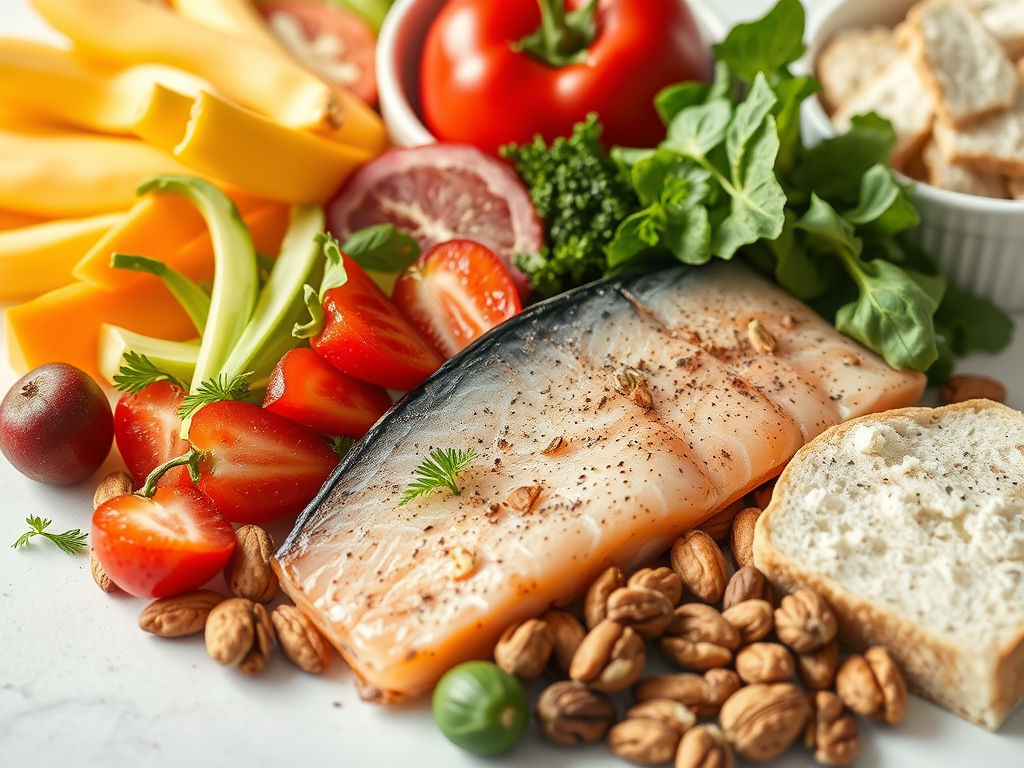
In an age where chronic diseases are on the rise, understanding the profound impact of our diet on overall health has never been more critical. One of the most talked-about concepts in nutritional science is the anti-inflammatory diet. It’s not a fad, but rather a sustainable way of eating that focuses on foods that combat chronic inflammation within the body, a silent underlying factor in a myriad of health issues from heart disease and diabetes to autoimmune conditions and even certain cancers. Think of your body like a well-oiled machine. When everything is running smoothly, it operates efficiently. But introduce friction, grit, or debris, and the gears start to grind, leading to wear and tear. In your body, that “friction” can often be chronic inflammation, a prolonged immune response that, unlike acute inflammation (your body’s natural and healthy response to injury or infection), can silently wreak havoc on your cells and tissues over time.
The good news is that we hold significant power over this internal environment through our daily food choices. An anti-inflammatory diet is less about strict rules and more about embracing a lifestyle that prioritizes whole, unprocessed foods rich in antioxidants, fiber, and healthy fats, while simultaneously minimizing items known to fuel inflammation. This approach isn’t just about avoiding illness; it’s about optimizing vitality, boosting energy, improving mood, and enhancing overall well-being. It’s about giving your body the best possible tools to heal, repair, and thrive. This article will guide you through the core principles of an anti-inflammatory diet, specifically highlighting 10 key foods to embrace and 10 to limit, empowering you to make informed decisions for a healthier, more vibrant you.
1. Embrace: Fatty Fish Rich in Omega-3s
Why it helps: Imagine a tiny fire extinguisher for your cells. That’s essentially what omega-3 fatty acids, particularly EPA and DHA found in fatty fish, act like in your body. They are potent anti-inflammatory agents that help reduce the production of inflammatory molecules. Chronic inflammation often stems from an imbalance, where pro-inflammatory omega-6 fatty acids are too high compared to anti-inflammatory omega-3s. Incorporating fatty fish regularly helps restore this balance, putting out those microscopic “fires” that can damage tissues over time. These essential fats also support brain health, joint flexibility, and cardiovascular function, making them a cornerstone of any anti-inflammatory eating plan.
Examples: Salmon, mackerel, sardines, anchovies, and trout. Aim for at least two servings per week.
2. Limit: Refined Carbohydrates and Added Sugars
Why to limit: Think of refined carbohydrates and added sugars as pouring gasoline on a smoldering fire. When you consume these foods, your body rapidly converts them into glucose, leading to a quick spike in blood sugar. This surge triggers an inflammatory response as your body tries to bring things back into balance. Regular consumption can lead to insulin resistance, increased production of inflammatory markers, and an overall pro-inflammatory state. This includes items like white bread, pastries, sugary cereals, and sweetened beverages. They offer little nutritional value and contribute significantly to systemic inflammation, which can exacerbate conditions like arthritis, heart disease, and type 2 diabetes.
Examples: White bread, pasta (non-whole grain), pastries, cakes, cookies, sugary drinks (soda, fruit juices with added sugar), candies, and high-ffructose corn syrup.
3. Embrace: Leafy Green Vegetables
Why it helps: Leafy greens are like a nutritional powerhouse, packed with vitamins, minerals, and a vast array of antioxidants and phytochemicals. These compounds work synergistically to neutralize free radicals, unstable molecules that cause cellular damage and promote inflammation. Consider them your body’s personal clean-up crew, sweeping away the debris that can accumulate and lead to inflammation. The darker the green, generally the higher the antioxidant content. Their high fiber content also supports a healthy gut microbiome, which plays a crucial role in modulating immune responses and reducing systemic inflammation.
Examples: Spinach, kale, Swiss chard, collard greens, arugula, and romaine lettuce. Incorporate them into salads, smoothies, stir-fries, or as a side dish with every meal.
4. Limit: Processed and Red Meats
Why to limit: Processed meats, such as bacon, sausage, hot dogs, and deli meats, often contain high levels of saturated fats, sodium, and nitrates, all of which can contribute to inflammation. Red meats, particularly those high in saturated fat, can also promote inflammation in the body. When these meats are cooked at high temperatures, they can form advanced glycation end products (AGEs), compounds known to trigger inflammation and oxidative stress. Reducing your intake of these meats can significantly lower your inflammatory load and support better cardiovascular health and gut health.
Examples: Bacon, sausages, hot dogs, cured meats, deli meats, and fatty cuts of beef, pork, and lamb. Opt for leaner protein sources or plant-based alternatives more frequently.
5. Embrace: Berries and Other Colorful Fruits
Why it helps: Berries are bursting with anthocyanins, powerful antioxidants that give them their vibrant hues and robust anti-inflammatory properties. These compounds help to inhibit inflammatory pathways in the body and protect cells from damage. Think of them as tiny, edible shields, guarding your body against inflammatory invaders. Beyond berries, a wide spectrum of colorful fruits offers a diverse array of vitamins and antioxidants that collectively contribute to reducing inflammation and promoting overall cellular health. The variety ensures you’re getting a broad spectrum of beneficial phytochemicals.
Examples: Blueberries, strawberries, raspberries, blackberries, cherries, pomegranates, and oranges. Enjoy them fresh, frozen, or added to oatmeal or yogurt.
6. Limit: Fried Foods and Trans Fats
Why to limit: Fried foods, often prepared in unhealthy vegetable oils, are notorious for their pro-inflammatory effects. The high heat used in frying can create harmful compounds, including AGEs and oxidized fats, which promote inflammation. Trans fats, often found in highly processed foods and hydrogenated oils, are particularly detrimental. They raise bad cholesterol (LDL) and lower good cholesterol (HDL), significantly increasing inflammation and the risk of heart disease. Avoiding these fats is one of the most impactful steps you can take to reduce systemic inflammation.
Examples: French fries, fried chicken, doughnuts, many fast-food items, margarine, shortening, and commercially baked goods (cookies, cakes, crackers) that list “partially hydrogenated oil” in their ingredients.
7. Embrace: Nuts and Seeds
Why it helps: Nuts and seeds are small but mighty powerhouses of anti-inflammatory nutrients. They provide a healthy dose of omega-3s (especially flaxseeds and walnuts), monounsaturated fats, fiber, and a variety of antioxidants like vitamin E. Consider them as building blocks for healthy cells and vital contributors to a balanced inflammatory response. The fiber content also supports gut health, which is intricately linked to immune function and inflammation. Regular consumption can help lower markers of inflammation and reduce the risk of chronic diseases.
Examples: Almonds, walnuts, chia seeds, flaxseeds, pumpkin seeds, and sunflower seeds. A small handful daily makes a great snack or addition to meals.
8. Limit: Processed Vegetable Oils (High in Omega-6)
Why to limit: While some omega-6 fatty acids are essential, the standard Western diet often contains an excessive amount of them, particularly from highly processed vegetable oils. This imbalance, with a disproportionately high omega-6 to omega-3 ratio, can shift the body into a pro-inflammatory state. These oils are often found in processed snacks, fast food, and many commercially prepared dishes. While some cooking oils like sunflower or corn oil have their place, relying heavily on them can contribute to a systemic inflammatory burden over time, making it harder for your body to maintain equilibrium.
Examples: Soybean oil, corn oil, sunflower oil, safflower oil, and cottonseed oil. Opt for olive oil, avocado oil, or coconut oil for cooking.
9. Embrace: Whole Grains
Why it helps: Unlike refined grains, whole grains retain their bran, germ, and endosperm, making them rich in fiber, B vitamins, and various minerals. The high fiber content is key here, acting as a prebiotic that feeds beneficial gut bacteria. A healthy gut microbiome, in turn, produces short-chain fatty acids that have potent anti-inflammatory effects. Furthermore, the slow release of glucose from whole grains prevents the sharp blood sugar spikes that can trigger inflammatory responses. They provide sustained energy and help regulate your body’s internal systems.
Examples: Oats, brown rice, quinoa, barley, farro, and whole-wheat bread/pasta. Ensure labels specify “100% whole grain.”
10. Limit: Excessive Alcohol and Artificial Sweeteners
Why to limit: While moderate consumption of certain alcoholic beverages (like red wine) might offer some antioxidant benefits, excessive alcohol intake is a well-known promoter of systemic inflammation. It can damage the liver, disrupt gut integrity, and increase the production of inflammatory cytokines throughout the body. Similarly, artificial sweeteners, despite being calorie-free, can negatively impact gut bacteria, potentially leading to dysbiosis (an imbalance in gut flora) and a subsequent increase in inflammatory markers. They can trick the body’s metabolic responses and may contribute to a pro-inflammatory environment.
Examples: Hard liquor, excessive beer or wine, and foods/drinks containing aspartame, sucralose, saccharin, and other synthetic sweeteners.
Adopting an anti-inflammatory diet is a powerful step towards better health, not just for managing existing conditions, but for preventing future ones and enhancing your overall vitality. It’s about making conscious choices that nourish your body at a cellular level, turning down the volume on inflammation and allowing your natural healing processes to flourish. By focusing on whole, colorful foods and limiting those known to instigate inflammation, you’re investing in a future of improved well-being and resilience.
Further Reading
- The Anti-Inflammation Diet and Recipe Book by Jessica Black, N.D.
- The UltraSimple Diet: Kick-Start Your Metabolism and Safely Lose 10 Pounds in 7 Days by Mark Hyman, M.D.
- Eat Dirt: Why Leaky Gut May Be the Root Cause of Your Health Problems and 5 Surprising Steps to Cure It by Josh Axe, D.N.M., D.C., C.N.S.
- The Inflammation Spectrum: Find Your Food Triggers and Reset Your Health by Will Cole, D.C.
- Against All Grain: Meals, Munchies, and Sweet Treats for the Paleo Enthusiast by Danielle Walker
Here at Zentara.blog, our mission is to take those tricky subjects and unlock them, making knowledge exciting and easy to grasp for everyone. But the adventure doesn’t stop on this page! We’re constantly exploring new frontiers and sharing discoveries across the digital universe. Want to dive deeper into more mind-bending Top 10s and keep expanding your world? Come join us on our other platforms – we’ve got unique experiences waiting for you on each one!
Get inspired by visual wonders and bite-sized facts: See the world through Zentara’s eyes on Pinterest!
Pin our fascinating facts and stunning visuals to your own boards. Explore Pins on Pinterest: https://uk.pinterest.com/zentarablog/
Discover quick insights and behind-the-scenes peeks: Hop over to Tumblr for snippets, quotes, and unique content you won’t find anywhere else. It’s a different flavour of discovery! Follow the Fun on Tumblr: https://www.tumblr.com/zentarablog
Ready for deep dives you can listen to or watch? We’re bringing our accessible approach to video and potentially audio! Subscribe to our YouTube channel and tune into future projects that make learning pop! Subscribe on YouTube: https://www.youtube.com/@ZentaraUK
Seeking even more knowledge in one place? We’ve compiled some of our most popular topic deep dives into fantastic ebooks! Find them on Amazon and keep the learning journey going anytime, anywhere. Find Our Ebooks on Amazon: https://www.amazon.co.uk/s?k=Zentara+UK&ref=nb_sb_noss
Connect with us and fellow knowledge seekers: Join the conversation on BlueSky! We’re sharing updates, thoughts, and maybe even asking you what wonders we should explore next. Chat with Us on BlueSky: https://bsky.app/profile/zentarablog.bsky.social
Perfect for learning on the move! We post multiple 10-minute podcasts per day on Spotify. Pop on your headphones and fill your day with fascinating facts while you’re out and about! Listen on Spotify: https://open.spotify.com/show/3dmHbKeDufRx95xPYIqKhJFollow us on Instagram for bytesize knowledge! We post multiple posts per day on our official Instagram account. https://www.instagram.com/zentarablog/ Every click helps us keep bringing honest, accessible knowledge to everyone. Thanks for exploring with us today – see you out there in the world of discovery!




Leave a Reply