
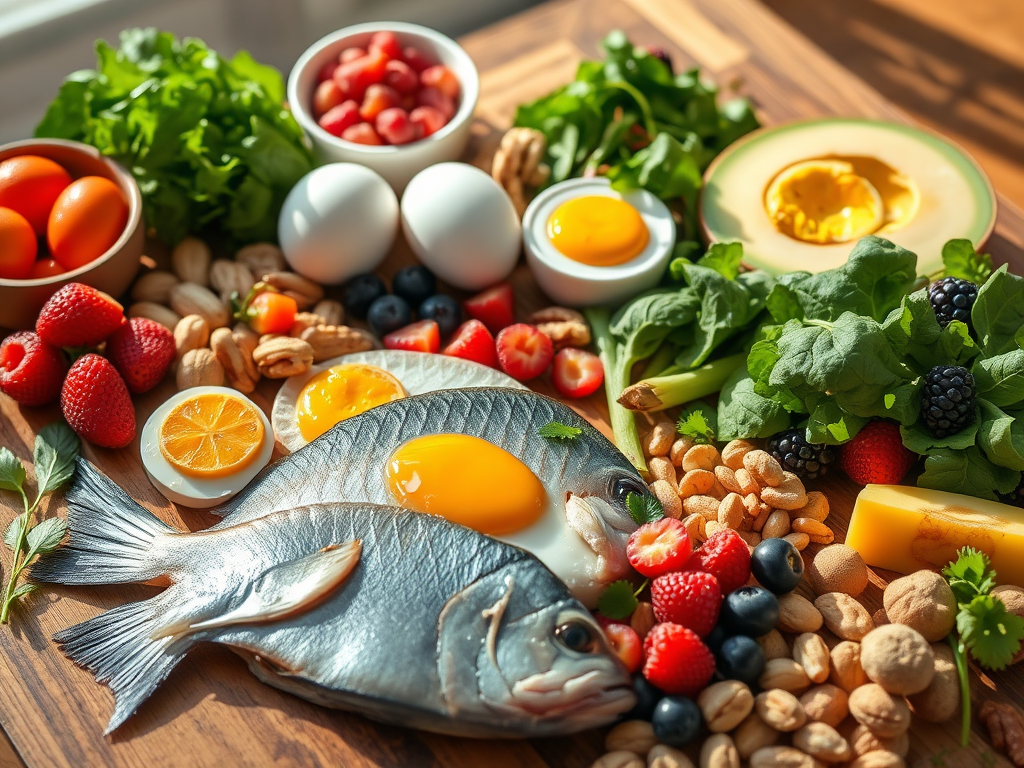
A child’s brain is a phenomenal work in progress, an intricate structure of connections being built at a truly astonishing rate. From birth through adolescence, the brain undergoes its most critical period of growth and development, forming the neural pathways that will underpin learning, memory, and emotional regulation for a lifetime. While genetics, environment, and education all play crucial roles in this process, one of the most powerful and direct influences is nutrition. The food a child eats provides the essential building blocks for their brain. Nutrients like healthy fats, vitamins, and antioxidants are the raw materials used to construct brain cells, transmit signals, and protect against damage. Feeding a child is, in a very literal sense, feeding their potential. By understanding which foods pack the most powerful punch for cognitive health, parents and caregivers can help lay the strongest possible foundation for a bright and healthy future. Here are ten of the best foods for optimal child brain development.
1. Oily Fish: The Ultimate Source of Omega-3s
If the brain had a favourite food, it would almost certainly be oily fish. Varieties like salmon, mackerel, herring, and sardines are packed with omega-3 fatty acids, particularly docosahexaenoic acid (DHA). DHA is a primary structural component of the brain and the retina, making it absolutely essential for the growth and function of brain cells. Think of DHA as the premium building material for the brain’s complex architecture. It helps form the cell membranes, making them more fluid and allowing messages to be transmitted more effectively between brain cells (neurons). A diet rich in DHA has been linked to improved reading skills, better concentration, and enhanced memory in children. It also plays a role in regulating mood. For children who don’t like the taste of fish, a high-quality, third-party tested fish oil or algae-based omega-3 supplement can be a good alternative, but incorporating the whole food provides additional benefits like vitamin D and lean protein.
2. Eggs: A Powerhouse of Choline and Protein
The humble egg is a true superfood for a growing brain. Eggs are one of the best dietary sources of choline, a nutrient that is vital for the creation of acetylcholine, a neurotransmitter essential for memory and learning. Acetylcholine is like the brain’s internal messaging service, and choline provides the key components to build the delivery trucks. Studies have shown that higher choline intake during childhood is associated with better performance on memory tests and improved cognitive function later in life. Beyond choline, eggs are also an excellent source of high-quality protein, which is crucial for the physical growth of brain tissue. They also contain important nutrients like vitamin B12, selenium, and iron, all of which play supporting roles in neurological health. Whether scrambled, boiled, or as an omelette packed with vegetables, eggs are an affordable and versatile way to fuel a child’s brain for a day of learning.
3. Berries: A Colourful Burst of Brain-Protecting Antioxidants
Blueberries, strawberries, raspberries, and blackberries are not just delicious; they are bursting with powerful plant compounds called flavonoids, particularly anthocyanins, which give them their vibrant colours. These compounds are potent antioxidants that have a special affinity for the brain. The brain is a highly active organ that generates a lot of metabolic waste and is vulnerable to “oxidative stress”—a form of cellular damage, much like rust on metal. The antioxidants in berries help to protect brain cells from this damage, reducing inflammation and improving communication between neurons. Research suggests that a regular intake of berries can help improve memory, attention, and overall cognitive performance in both children and adults. They are a perfect addition to porridge, yoghurt, or smoothies, and make a fantastic healthy snack on their own. Think of them as a colourful clean-up crew, keeping the brain’s cellular environment healthy and functioning optimally.
4. Leafy Greens: Fuel for Focus and Cognitive Function
Leafy green vegetables like spinach, kale, and chard are nutritional powerhouses for people of all ages, but they are particularly important for the developing mind. They are loaded with brain-boosting nutrients, including folate (a B vitamin), flavonoids, and vitamins E and K. Folate is critical for the formation of DNA and RNA, which are essential for the growth of new cells, including brain cells. Vitamin K is involved in the formation of sphingolipids, a type of fat that is densely packed into brain cell membranes and plays a role in cell signalling. The antioxidants, like the flavonoids found in berries, help protect the brain from harmful cellular damage. While getting children to eat their greens can sometimes be a challenge, there are many creative ways to incorporate them. Finely chopping spinach into pasta sauces or meatballs, blending kale into a fruit smoothie, or making crispy kale “chips” in the oven can make these brain-boosting vegetables more appealing to younger palates.
5. Nuts and Seeds: Plant-Based Power for Memory and Mood
Nuts and seeds are calorie-dense packages of healthy fats, protein, vitamins, and minerals that are fantastic for brain health. Walnuts are a particular standout as they are one of the best plant-based sources of omega-3 fatty acids (in the form of ALA, which the body can convert to DHA). Almonds are rich in vitamin E, a powerful antioxidant that protects cell membranes from oxidative stress. Pumpkin seeds are an excellent source of zinc, which is crucial for memory and thinking skills, and magnesium, which is important for learning and can have a calming effect on the nervous system. Sunflower seeds are packed with vitamin E and selenium. For a convenient brain-boosting snack, a small handful of mixed nuts and seeds is hard to beat. For younger children, nut and seed butters (without added sugar) spread on whole-grain toast or apple slices are a safe and delicious option, providing sustained energy and vital nutrients for a busy brain.
6. Wholegrains: Providing a Steady Supply of Energy
The brain is an energy-hungry organ, consuming about 20% of the body’s calories. However, it can’t store energy, so it needs a constant, steady supply. Wholegrains, such as oats, brown rice, quinoa, and whole-wheat bread, are the perfect fuel source. Unlike refined carbohydrates (like white bread and sugary cereals), wholegrains have a low glycaemic index. This means they release glucose (energy) into the bloodstream slowly and steadily. This prevents the sharp spikes and subsequent crashes in blood sugar that can lead to irritability, fatigue, and poor concentration—the enemy of learning. Wholegrains are also rich in B vitamins, which are essential for a healthy nervous system and play a key role in converting food into energy that the brain can use. Starting the day with a bowl of porridge (oatmeal) can provide a child with the sustained mental energy they need to stay focused and engaged throughout the school morning.
7. Beans and Lentils: For Brain Structure and Function
Beans and lentils are an often-overlooked but incredibly beneficial food for a child’s brain. They are an excellent source of plant-based protein, which is vital for the physical growth and structure of the brain. They are also packed with complex carbohydrates for that all-important steady energy supply. But their real brain-boosting power comes from their rich supply of vitamins and minerals. Lentils are loaded with folate, beans are a great source of zinc, and both are rich in iron. Iron is particularly critical for cognitive development, as it is essential for the production of neurotransmitters and for carrying oxygen to the brain. An iron deficiency in childhood can lead to problems with attention, memory, and overall school performance. Incorporating beans and lentils into soups, stews, salads, and even homemade burgers is an affordable and effective way to support a child’s neurological health.
8. Yoghurt: Gut Health for a Healthy Brain
The connection between the gut and the brain, known as the “gut-brain axis,” is a fascinating and rapidly growing area of research. A healthy gut microbiome—the community of beneficial bacteria living in our digestive system—can have a positive impact on brain health, mood, and cognitive function. Plain, unsweetened yoghurt, particularly Greek yoghurt, is a fantastic source of probiotics, which are live bacteria that help support a healthy gut. Furthermore, Greek yoghurt is an excellent source of protein and is packed with B vitamins, which are crucial for the development of brain tissue and neurotransmitters. It’s important to choose plain yoghurt and add your own fruit, like berries, for flavour and sweetness. Many flavoured yoghurts on the market are loaded with added sugar, which can be detrimental to both overall health and brain function.
9. Lean Meats: A Prime Source of Iron and Zinc
Lean meats, such as chicken, turkey, and lean cuts of beef, are another excellent source of high-quality protein and two minerals that are vital for brain function: iron and zinc. The brain relies on iron to help carry oxygen, and without enough of it, children can experience fatigue, a shortened attention span, and difficulty with learning. Zinc is a key player in communication between neurons and is essential for both memory and learning. The body absorbs iron from meat (known as heme iron) more easily than iron from plant sources, making lean meats a particularly effective way to prevent deficiencies. For vegetarian or vegan children, ensuring adequate intake of these minerals from sources like beans, lentils, fortified cereals, and pumpkin seeds is crucial, and it’s wise to pair them with a source of vitamin C (like citrus fruits or bell peppers) to enhance iron absorption.
10. Water: The Essential Nutrient for Concentration
While technically not a food, water is arguably the most important nutrient for a healthy, functioning brain. Even mild dehydration can have a significant negative impact on a child’s cognitive abilities, leading to headaches, irritability, poor concentration, and reduced short-term memory. The brain’s cells require a delicate balance of water to function properly, and dehydration can disrupt this balance, impairing the transmission of signals between neurons. Children are often so busy playing and learning that they can forget to drink, so it’s important for adults to provide regular reminders and ensure water is always readily available. Encouraging a child to have a water bottle with them at school and during activities is a simple but incredibly effective way to support their brain health. It’s the foundation upon which all other nutritional strategies are built, ensuring the brain is hydrated and ready to learn.
Further Reading
For those who wish to learn more about the powerful connection between food and a child’s development, these books offer accessible and science-backed advice:
- Brain Food: The Surprising Science of Eating for Cognitive Power by Lisa Mosconi, PhD
- The Good-for-Your-Child-Cookbook: 100+ Kid-Friendly Recipes to Boost Brain and Body Health by Amanda L. Miller
- Raising a Healthy, Happy Eater: A Parent’s Handbook by Nimali Fernando, MD, MPH, and Melanie Potock, MA, CCC-SLP
- Smart Food for Smart Kids: Easy Recipes to Boost Your Child’s Health and Intelligence by Patrick Holford and Fiona McDonald Joyce
Here at Zentara.blog, our mission is to take those tricky subjects and unlock them, making knowledge exciting and easy to grasp for everyone. But the adventure doesn’t stop on this page! We’re constantly exploring new frontiers and sharing discoveries across the digital universe. Want to dive deeper into more mind-bending Top 10s and keep expanding your world? Come join us on our other platforms – we’ve got unique experiences waiting for you on each one!
Get inspired by visual wonders and bite-sized facts: See the world through Zentara’s eyes on Pinterest!
Pin our fascinating facts and stunning visuals to your own boards. Explore Pins on Pinterest: https://uk.pinterest.com/zentarablog/
Discover quick insights and behind-the-scenes peeks: Hop over to Tumblr for snippets, quotes, and unique content you won’t find anywhere else. It’s a different flavour of discovery! Follow the Fun on Tumblr: https://www.tumblr.com/zentarablog
Ready for deep dives you can listen to or watch? We’re bringing our accessible approach to video and potentially audio! Subscribe to our YouTube channel and tune into future projects that make learning pop! Subscribe on YouTube: https://www.youtube.com/@ZentaraUK
Seeking even more knowledge in one place? We’ve compiled some of our most popular topic deep dives into fantastic ebooks! Find them on Amazon and keep the learning journey going anytime, anywhere. Find Our Ebooks on Amazon: https://www.amazon.co.uk/s?k=Zentara+UK&ref=nb_sb_noss
Connect with us and fellow knowledge seekers: Join the conversation on BlueSky! We’re sharing updates, thoughts, and maybe even asking you what wonders we should explore next. Chat with Us on BlueSky: https://bsky.app/profile/zentarablog.bsky.social
Perfect for learning on the move! We post multiple 10-minute podcasts per day on Spotify. Pop on your headphones and fill your day with fascinating facts while you’re out and about! Listen on Spotify: https://open.spotify.com/show/3dmHbKeDufRx95xPYIqKhJFollow us on Instagram for bytesize knowledge! We post multiple posts per day on our official Instagram account. https://www.instagram.com/zentarablog/ Every click helps us keep bringing honest, accessible knowledge to everyone. Thanks for exploring with us today – see you out there in the world of discovery!




Leave a Reply