
Navigating the world of kids’ nutrition can feel like a full-time job. Between grappling with a picky eater who suddenly declares their favourite food “yucky,” deciphering confusing food labels, and worrying if you’re getting it right, it’s easy for parents and caregivers to feel overwhelmed. The goal is simple: to provide our children with the fuel they need to grow, learn, play, and thrive. But in a world of conflicting advice and endless options, the path to achieving that goal can seem complicated.
The good news is that it doesn’t have to be. Building a foundation for a lifetime of healthy eating isn’t about exotic superfoods or rigid, joyless meal plans. It’s about consistently offering a variety of wholesome, nutrient-dense foods. This guide cuts through the noise to focus on 10 nutritional powerhouses—accessible, versatile, and essential foods that provide the crucial building blocks for growing bodies and developing minds. Think of this as your foundational shopping list for raising a healthy, happy eater.
1. Eggs: The Complete Protein Powerhouse
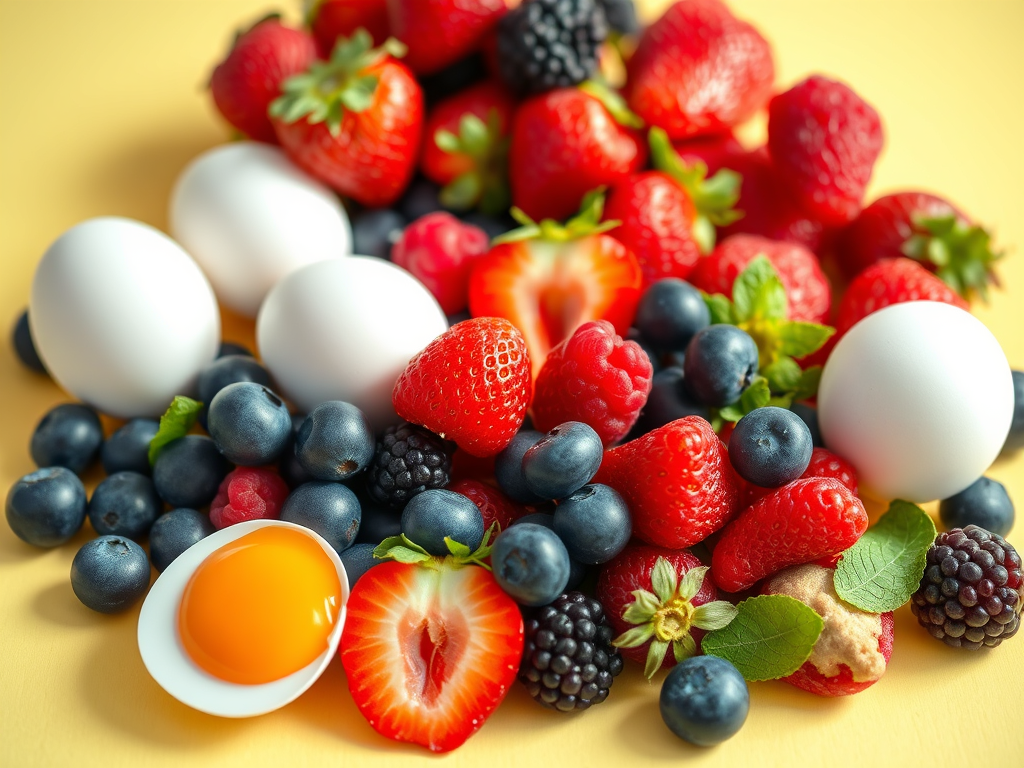
Often called “nature’s multivitamin,” the humble egg is one of the most complete and affordable sources of nutrition you can offer a child. Each egg is packed with high-quality protein, which is fundamental for building and repairing everything in a growing body, from muscles and organs to skin and hair. What makes egg protein so special is that it’s “complete,” meaning it contains all nine essential amino acids that the body cannot produce on its own. These are the literal building blocks of life.
Beyond protein, eggs are a rich source of crucial, and sometimes hard-to-get, nutrients. They are one of the best food sources of choline, a vitamin-like nutrient that is vital for brain development, memory, and cognitive function. They also provide Vitamin D, essential for helping the body absorb calcium for strong bones, and lutein and zeaxanthin, antioxidants that protect the eyes. From simple scrambled or hard-boiled eggs for breakfast to frittatas and omelettes packed with veggies, their versatility makes them an easy and essential addition to any child’s diet.
2. Berries: The Antioxidant Superstars
In the world of fruit, berries are the undisputed superstars. Blueberries, strawberries, raspberries, and blackberries are bursting with flavour, vibrant colour, and an incredible density of protective nutrients. Their deep red, blue, and purple hues come from powerful compounds called antioxidants, particularly a type known as anthocyanins. Think of antioxidants as tiny bodyguards for our cells; they help protect the body from damage caused by harmful molecules called free radicals, which can contribute to illness over time. This protective quality is crucial for a child’s developing immune system.
Berries are also an excellent source of Vitamin C, which is not only essential for fighting off coughs and colds but also plays a key role in building collagen, the protein that gives structure to skin, bones, and blood vessels. Plus, they are packed with dietary fibre, which is essential for maintaining a healthy digestive system and preventing constipation. Whether tossed into yoghurt or oatmeal, blended into a smoothie, or simply enjoyed by the handful, berries are a delicious way to deliver a powerful nutritional punch.
3. Yoghurt: The Gut-Friendly Builder
Plain, unsweetened yoghurt is a triple-threat for kids’ nutrition, offering a powerful combination of protein, calcium, and probiotics in one kid-friendly package. Greek yoghurt, in particular, is strained to be thicker and contains nearly double the protein of regular yoghurt, making it incredibly effective for building strong muscles and keeping little tummies feeling full and satisfied. The calcium content is, of course, a major benefit, providing the primary mineral needed to build strong bones and teeth during these critical years of growth.
Perhaps its most unique benefit is the presence of probiotics—live, beneficial bacteria that support a healthy gut microbiome. A flourishing gut microbiome is linked to improved digestion, a stronger immune system, and even better mental well-being, thanks to the fascinating “gut-brain axis.” When choosing a yoghurt, be sure to opt for plain versions to avoid the high amounts of added sugar found in most flavoured products. You can easily add natural sweetness and extra nutrients yourself by stirring in some berries or a tiny drizzle of honey (for children over one year old).
4. Leafy Greens: The Mighty Mineral Source
The “eat your greens” refrain is a classic for a reason, but it can also be a classic dinner table battle. Yet, finding ways to incorporate leafy greens like spinach, kale, and chard is worth the effort due to their incredible mineral content. These greens are loaded with iron, a mineral that is absolutely critical for carrying oxygen in the blood. Without enough iron, kids can become fatigued, weak, and develop iron-deficiency anaemia, which can impact concentration and learning.
Leafy greens are also a fantastic non-dairy source of calcium, contributing to the bone-building team. Furthermore, they are rich in Vitamin K, a nutrient essential for proper blood clotting—a process you definitely want working well when your child gets the inevitable scraped knee. For picky eaters, the trick is often in the preparation. Finely chop spinach and mix it into pasta sauce, meatballs, or lasagne. Blend a handful of kale into a fruit smoothie (the fruit flavour will dominate). Or try making crispy “kale chips” by baking leaves with a little olive oil and a pinch of salt for a crunchy, fun snack.
5. Salmon & Oily Fish: The Brain-Boosting Fats
While the word “fat” used to be a nutritional villain, we now know that healthy fats are essential for children, especially for their rapidly developing brains. Oily fish like salmon are the single best source of a specific type of omega-3 fatty acid called DHA (docosahexaenoic acid). The human brain is made up of nearly 60% fat, and DHA is the primary structural fat in both the brain and the retina of the eye. Consuming adequate amounts of DHA is directly linked to better cognitive function, reading skills, concentration, and vision.
Salmon is often called “brain food,” and for good reason. It’s also an excellent source of high-quality protein and Vitamin D. If your child is hesitant about fish, start with a milder-tasting variety like pink salmon and try preparing it in kid-friendly ways. Flake cooked salmon into pasta with a creamy sauce, make it into salmon patties or “burgers,” or bake it with a slightly sweet marinade like honey-soy or teriyaki. Canned salmon is a fantastic, budget-friendly, and convenient alternative to fresh fillets.
6. Legumes: The Humble Fibre and Protein Hero
The legume family—which includes beans, lentils, and chickpeas—might be humble, but they are nutritional giants. They are one of the best sources of plant-based protein, making them an excellent food for all children, and especially important in vegetarian or vegan diets. This protein provides the necessary fuel for growth and development. But their real superpower lies in their incredible fibre content. Legumes are rich in soluble fibre, which helps to keep the digestive system running smoothly and prevent constipation.
This high fibre content also plays a crucial role in regulating blood sugar. Unlike sugary snacks that cause a rapid spike and subsequent crash in energy and mood, the fibre in legumes slows down the absorption of sugar into the bloodstream. This provides a steady, sustained release of energy, which is perfect for keeping kids focused at school and energized for the playground. From hummus with veggie sticks and lentil soup to adding black beans to tacos, legumes are an inexpensive and versatile way to boost protein and fibre.
7. Nuts and Seeds: The Tiny Nutritional Giants
Don’t underestimate the power of nuts and seeds. Walnuts, almonds, chia seeds, and flaxseeds are packed with healthy fats, protein, fibre, and essential minerals. Walnuts and flaxseeds are particularly noteworthy as they are excellent plant-based sources of ALA (alpha-linolenic acid), an omega-3 fatty acid that the body can convert into the brain-boosting DHA. Nuts are also a great source of magnesium, a mineral involved in hundreds of bodily functions, including muscle function, nerve transmission, and maintaining a steady heartbeat. It’s also known for its calming effect on the nervous system.
A crucial safety note: whole nuts and seeds are a serious choking hazard for children under the age of four. For toddlers and young children, always serve them in a safe form. This means using smooth nut butters spread thinly on toast or apple slices, or using ground nuts and seeds (like flax meal or almond flour) stirred into oatmeal, yoghurt, or pancake batter.
8. Whole Grains: The Sustained Energy Champions
Carbohydrates are the body’s preferred source of energy, but not all carbs are created equal. The key is to choose whole grains over their refined counterparts. Whole grains—like oats, quinoa, brown rice, and whole-wheat bread—contain the entire grain kernel, including the fibrous bran and the nutrient-rich germ. Refined grains (like white bread and white pasta) have had these parts removed, stripping them of most of their fibre and nutrients.
The fibre in whole grains is the magic ingredient for sustained energy. Think of it like a log on a fire, which burns slowly and provides steady heat for a long time. Refined grains are like a piece of paper that flares up quickly and then burns out, leading to the classic “sugar rush and crash” cycle that can leave kids feeling irritable and tired. Starting the day with a bowl of oatmeal or choosing whole-wheat bread for a sandwich provides that slow-release energy needed to power through a busy day of learning and play.
9. Colourful Vegetables: Eating the Rainbow for Vitamins
While leafy greens get a lot of attention, it’s crucial for kids to eat a wide variety of colourful vegetables. The different colours in produce are created by different phytonutrients—natural plant compounds that have unique health benefits. Encouraging your child to “eat a rainbow” is a fun and easy way to ensure they are getting a broad spectrum of vitamins and minerals.
Red vegetables like tomatoes and red peppers contain lycopene, a powerful antioxidant good for heart health. Orange and yellow vegetables like carrots, sweet potatoes, and butternut squash are packed with beta-carotene, which the body converts into Vitamin A. Vitamin A is critical for healthy vision, a strong immune system, and skin health. Purple vegetables like beetroot and aubergine have those same anthocyanins found in berries. By filling their plate with a mosaic of colours, you ensure they are receiving a diverse range of nutrients that work together to support overall health.
10. Water: The Unsung Hero of Hydration
It may not technically be a “food,” but water is arguably the most essential nutrient for a growing body. Every single cell, tissue, and organ needs water to function correctly. It’s vital for transporting nutrients around the body, regulating body temperature, lubricating joints, and preventing constipation. Even mild dehydration can cause children to feel tired, irritable, and have difficulty concentrating at school.
Many kids today consume too many sugary drinks like juice, squash, and fizzy pop, which provide empty calories and can contribute to tooth decay and weight gain. The best drink for a child is plain water. To encourage consumption, make it fun! Get them a special reusable water bottle with their favourite character on it. Try infusing a jug of water in the fridge with slices of lemon, cucumber, or a handful of berries to add a hint of natural flavour without any sugar. Prioritizing water over sugary alternatives is one of the simplest and most effective nutritional habits you can instill.
Further Reading
“Fearless Feeding: How to Raise Healthy Eaters from High Chair to High School” by Jill Castle and Maryann Jacobsen
“Secrets of Feeding a Healthy Family” by Ellyn Satter
“First Bite: How We Learn to Eat” by Bee Wilson
“The Family Meal Solution: A-to-Z Guide for Dinnertime Sanity” by Miriam Weinstein
“Getting to Yum: The 7 Secrets of Raising Eager Eaters” by Karen Le Billon
Here at Zentara.blog, our mission is to take those tricky subjects and unlock them, making knowledge exciting and easy to grasp for everyone. But the adventure doesn’t stop on this page! We’re constantly exploring new frontiers and sharing discoveries across the digital universe. Want to dive deeper into more mind-bending Top 10s and keep expanding your world? Come join us on our other platforms – we’ve got unique experiences waiting for you on each one!
Get inspired by visual wonders and bite-sized facts: See the world through Zentara’s eyes on Pinterest!
Pin our fascinating facts and stunning visuals to your own boards. Explore Pins on Pinterest: https://uk.pinterest.com/zentarablog/
Discover quick insights and behind-the-scenes peeks: Hop over to Tumblr for snippets, quotes, and unique content you won’t find anywhere else. It’s a different flavour of discovery! Follow the Fun on Tumblr: https://www.tumblr.com/zentarablog
Ready for deep dives you can listen to or watch? We’re bringing our accessible approach to video and potentially audio! Subscribe to our YouTube channel and tune into future projects that make learning pop! Subscribe on YouTube: https://www.youtube.com/@ZentaraUK
Seeking even more knowledge in one place? We’ve compiled some of our most popular topic deep dives into fantastic ebooks! Find them on Amazon and keep the learning journey going anytime, anywhere. Find Our Ebooks on Amazon: https://www.amazon.co.uk/s?k=Zentara+UK&ref=nb_sb_noss
Connect with us and fellow knowledge seekers: Join the conversation on BlueSky! We’re sharing updates, thoughts, and maybe even asking you what wonders we should explore next. Chat with Us on BlueSky: https://bsky.app/profile/zentarablog.bsky.social
Perfect for learning on the move! We post multiple 10-minute podcasts per day on Spotify. Pop on your headphones and fill your day with fascinating facts while you’re out and about! Listen on Spotify: https://open.spotify.com/show/3dmHbKeDufRx95xPYIqKhJ
Follow us on Instagram for bytesize knowledge! We post multiple posts per day on our official Instagram account. https://www.instagram.com/zentarablog/ Every click helps us keep bringing honest, accessible knowledge to everyone. Thanks for exploring with us today – see you out there in the world of discovery!




Leave a Reply