
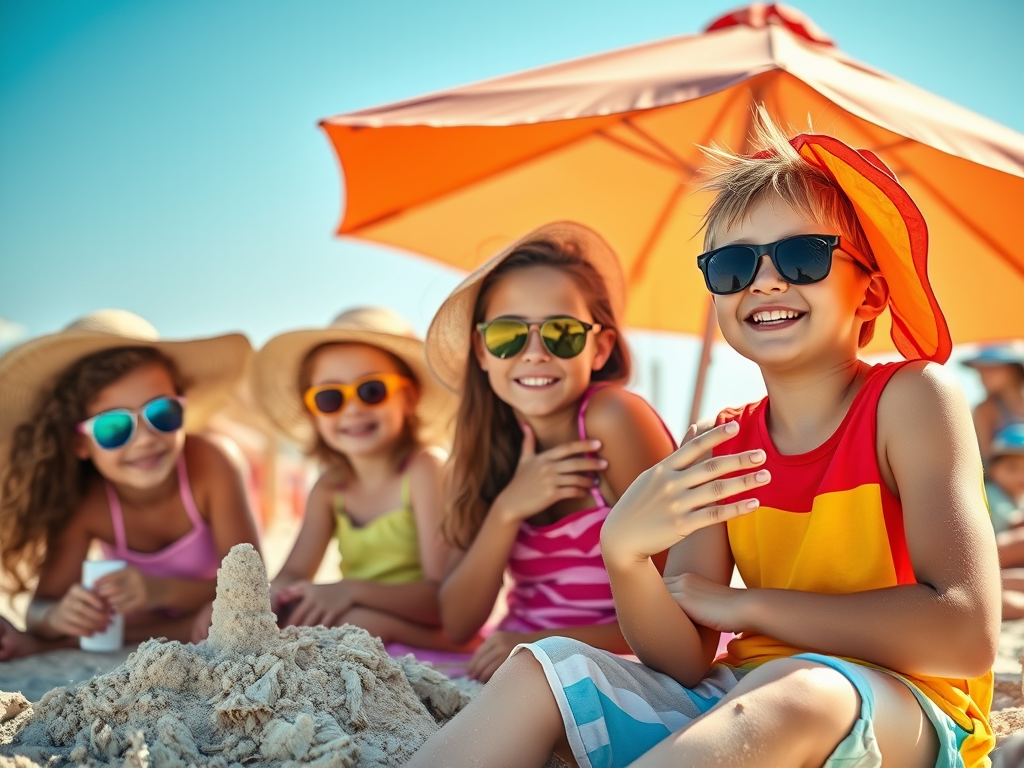
Summer days and outdoor adventures are the stuff of cherished family memories. From building sandcastles at the beach to picnics in the park and hiking through sun-dappled trails, these moments are precious. However, the same sun that warms our faces and brightens our days emits powerful ultraviolet (UV) radiation that can be harmful to our skin, especially the delicate skin of children. A few serious sunburns in childhood can significantly increase the risk of skin cancer later in life. But fear not! With a bit of knowledge and preparation, you can embrace the outdoors and ensure your family’s fun in the sun is safe and worry-free. This guide provides ten essential tips to help you master sun safety, turning it into a simple and natural part of your family’s routine for every outdoor excursion.
1. Master the Art of Sunscreen Application: More is More
We all know sunscreen is important, but applying it correctly is a game-changer. Think of sunscreen as a shield. If the shield has holes, you’re not fully protected. The first rule is generosity; most people apply only 25-50% of the recommended amount. For an average adult, a full ounce (about a shot glass full) is needed to cover their body. Adjust accordingly for children. The second rule is timing. Sunscreen needs time to bind to the skin to be effective, so apply it a full 20-30 minutes before heading outdoors. Choose a broad-spectrum sunscreen with an SPF of 30 or higher. “Broad-spectrum” is a key term, as it means the product protects against both UVA rays (which cause premature aging) and UVB rays (which cause sunburn). For children, a mineral-based sunscreen containing zinc oxide or titanium dioxide is often recommended as it’s less likely to irritate sensitive skin. Reapplication is non-negotiable: slather it on again at least every two hours, and more frequently if your family has been swimming, sweating, or towel drying.
2. Seek Shade Strategically During Peak Hours: Make it a Game
The sun’s rays are at their most intense and damaging between 10 a.m. and 4 p.m. While it’s not always practical to stay indoors during these hours, it is crucial to make seeking shade a priority. This doesn’t mean hiding away; it means being smart about your environment. Plan your outdoor activities for the early morning or late afternoon when possible. If you are out during peak hours, make shade your home base. Set up your beach blanket under a large umbrella or a pop-up UV shelter. Have picnics under a large, leafy tree in the park. Teach your children to play “shadow tag” or become “shade explorers,” making a game out of finding and playing in shaded spots. This simple shift in mindset—viewing shade as a cool and fun destination rather than a restriction—can instill lifelong sun-safe habits without dampening the spirit of adventure.
3. Dress for Success: The Power of Sun-Protective Clothing
Sunscreen is a vital tool, but clothing is your first and most reliable line of defense against UV radiation. Not all fabrics are created equal, however. A thin, white cotton t-shirt may feel cool, but it can have a UPF (Ultraviolet Protection Factor) as low as 5, which drops even lower when wet. Instead, look for clothing specifically designed with a UPF rating of 30 or higher. These garments are made from tightly woven fabrics that physically block UV rays from reaching the skin. Long-sleeved rash guards are perfect for the beach or pool, providing excellent coverage even when wet. For hiking and playing, lightweight, long-sleeved shirts and trousers in darker colours offer better protection than their lighter counterparts. Investing in a few key pieces of sun-protective clothing for your children can significantly reduce the amount of exposed skin you need to cover with sunscreen, making your sun safety routine quicker and more effective.
4. Don’t Forget the Hat: A Shield for the Face, Neck, and Ears
A hat is one of the most important accessories for sun safety, yet it’s often overlooked. It provides a physical barrier for the highly exposed and sensitive skin on the face, scalp, and ears—areas that are common sites for skin cancer. The best choice is a wide-brimmed hat that offers shade to the entire face, neck, and ears. Look for a brim that is at least three inches wide all the way around. While baseball caps are popular, they leave the ears and the back of the neck completely exposed and vulnerable to sunburn. To ensure your child keeps their hat on, let them help choose one they love, and look for features like an adjustable toggle or chin strap to keep it secure during active play. Make wearing a hat a non-negotiable rule for outdoor time, just like buckling a seatbelt in the car. Leading by example is powerful, so make sure parents and caregivers wear their hats, too!
5. Protect Those Peepers: The Importance of UV-Blocking Sunglasses
Just as UV rays can damage the skin, they can also harm the eyes, leading to conditions like cataracts and other long-term vision problems. Protecting your children’s eyes from a young age is a crucial part of comprehensive sun safety. When shopping for sunglasses for your family, don’t be swayed by dark lenses or high price tags alone. The most important feature to look for is a label stating that the lenses block 99% or 100% of UVA and UVB rays. Look for “UV400” or “100% UV protection” on the tag. For kids, choose durable, wrap-around styles that fit snugly to prevent light from seeping in from the sides. Encouraging children to wear sunglasses can be tricky, but like hats, involving them in the selection process and consistently wearing your own can make a big difference. They protect the delicate skin around the eyes and reduce glare, making outdoor fun more comfortable and safer.
6. Know Your UV Index: A Daily Weather Check with a Twist
Most of us check the weather forecast for temperature or rain, but adding the UV Index to your daily check-in is a smart sun safety habit. The UV Index is a scale from 0 (low) to 11+ (extreme) that forecasts the intensity of UV radiation for the day. A higher number means you’ll burn faster. You can find it in most weather apps, online, or in local news reports. Use it as a practical guide to plan your day. On days when the UV Index is 3 or higher, sun protection measures are necessary. When the index is 8 or higher (very high to extreme), it’s especially important to be vigilant, seek shade during peak hours, and be extra diligent with sunscreen, hats, and protective clothing. Teaching your kids what the UV Index means can empower them to understand why they need to take precautions, turning it into a science lesson rather than just a parental rule.
7. Hydration is Key: A Cool Body is a Happy Body
While not a direct defense against UV rays, staying hydrated is a critical component of overall safety during outdoor fun. Spending time in the sun and heat increases the risk of dehydration and heat-related illnesses like heat exhaustion or heatstroke. Children are particularly susceptible because their bodies have more difficulty regulating temperature than adults. Always pack plenty of water when you head outdoors, and remind everyone to drink regularly, even before they feel thirsty. A good rule of thumb is to take consistent “water breaks” throughout your activity. Fun, reusable water bottles can encourage kids to drink up. For longer excursions, consider packing hydrating snacks like watermelon, cucumbers, or oranges. A well-hydrated body is better equipped to handle the heat, keeping energy levels up and ensuring the fun can continue safely.
8. Special Care for Babies: Shade is Their Best Friend
Babies under six months of age have incredibly delicate skin that is far too sensitive for direct sun exposure and, according to many paediatricians, too sensitive for sunscreen. The American Academy of Pediatrics recommends keeping infants this young out of direct sunlight altogether. For this age group, shade is the absolute best and only form of sun protection. Use the full canopy of their pram, find a shady tree, or use a pop-up tent. Dress them in lightweight, long-sleeved clothing and a wide-brimmed hat. If some sun exposure is unavoidable, small amounts of a mineral-based sunscreen (zinc oxide or titanium dioxide) can be applied to tiny areas like the back of the hands or tops of the feet, but always consult with your paediatrician first. Prioritizing shade and coverage is the safest path for your family’s newest member.
9. Don’t Be Fooled by Clouds or Cool Breezes
One of the most common sun safety mistakes is assuming that if you can’t feel the sun’s heat, you’re not at risk. This is a dangerous myth. Up to 80% of the sun’s UV radiation can penetrate through clouds, mist, and fog. This means you can still get a significant sunburn on an overcast or cool day. Similarly, a cool breeze or being in the water can trick you into thinking you’re not getting much sun exposure, but UV rays are just as potent. The reflection of UV rays off surfaces like water, sand, and even snow can increase your exposure significantly. Therefore, it’s essential to apply the same sun safety rules—sunscreen, hats, protective clothing—regardless of the temperature or whether the sun is fully visible. Sun safety is about protecting against UV radiation, not just heat.
10. Lead by Example: Make Sun Safety a Family Habit
Ultimately, the most effective way to instill lifelong sun safety habits in your children is to practice them yourself. Kids are incredibly observant and are more likely to adopt behaviours they see modeled by their parents and caregivers. When you consistently put on your own hat and sunglasses, apply sunscreen alongside them, and actively seek out shade, you send a powerful message that this is a normal and important part of being outdoors. Talk openly about why you’re taking these steps, framing it in a positive light: “We’re putting on our sun cream so we can play outside all afternoon!” By making sun protection a seamless and positive family routine, you’re not just protecting them today; you’re giving them the tools and the mindset to protect themselves for a lifetime of healthy and happy outdoor adventures.
Further Reading
For those who wish to learn more about family health, skincare, and making the most of the great outdoors safely:
- The Skin Cancer Foundation’s Guide to Block the Sun, Not the Fun by The Skin Cancer Foundation
- There’s No Such Thing as Bad Weather: A Scandinavian Mom’s Secrets for Raising Healthy, Resilient, and Confident Kids by Linda Åkeson McGurk
- The American Academy of Pediatrics’ Caring for Your Baby and Young Child: Birth to Age 5 by Tanya Altmann
- Beyond the Lullaby: A New Mom’s Guide to Getting It All Done by Joli Guenther and Tami Goveia (includes sections on practical family care and safety)
Here at Zentara.blog, our mission is to take those tricky subjects and unlock them, making knowledge exciting and easy to grasp for everyone. But the adventure doesn’t stop on this page! We’re constantly exploring new frontiers and sharing discoveries across the digital universe. Want to dive deeper into more mind-bending Top 10s and keep expanding your world? Come join us on our other platforms – we’ve got unique experiences waiting for you on each one!
Get inspired by visual wonders and bite-sized facts: See the world through Zentara’s eyes on Pinterest!
Pin our fascinating facts and stunning visuals to your own boards. Explore Pins on Pinterest: https://uk.pinterest.com/zentarablog/
Discover quick insights and behind-the-scenes peeks: Hop over to Tumblr for snippets, quotes, and unique content you won’t find anywhere else. It’s a different flavour of discovery! Follow the Fun on Tumblr: https://www.tumblr.com/zentarablog
Ready for deep dives you can listen to or watch? We’re bringing our accessible approach to video and potentially audio! Subscribe to our YouTube channel and tune into future projects that make learning pop! Subscribe on YouTube: https://www.youtube.com/@ZentaraUK
Seeking even more knowledge in one place? We’ve compiled some of our most popular topic deep dives into fantastic ebooks! Find them on Amazon and keep the learning journey going anytime, anywhere. Find Our Ebooks on Amazon: https://www.amazon.co.uk/s?k=Zentara+UK&ref=nb_sb_noss
Connect with us and fellow knowledge seekers: Join the conversation on BlueSky! We’re sharing updates, thoughts, and maybe even asking you what wonders we should explore next. Chat with Us on BlueSky: https://bsky.app/profile/zentarablog.bsky.social
Perfect for learning on the move! We post multiple 10-minute podcasts per day on Spotify. Pop on your headphones and fill your day with fascinating facts while you’re out and about! Listen on Spotify: https://open.spotify.com/show/3dmHbKeDufRx95xPYIqKhJ




Leave a Reply