
Table of Contents
Survival scenarios capture our imagination like few other topics. From reality TV shows like Survivor and Man vs. Wild to blockbuster movies where the hero battles the elements, we are inundated with images of gritty resilience. We watch a protagonist wrestle a wolf or squeeze water from elephant dung and think, “I could do that if I had to.” We collect these bits of trivia like mental merit badges, assuming that if we ever found ourselves lost in the woods, this pop-culture knowledge would save us.
However, there is a dangerous disconnect between Hollywood survivalism and biological reality. In a true survival situation, your margin for error is razor-thin. Your body is a finite battery of energy and heat; wasting either on a “trick” you saw in a movie can be the difference between rescue and tragedy. Many of the most pervasive myths are not just wrong—they are actively counterproductive, leading to faster dehydration, hypothermia, or injury.
In this guide, we are going to dismantle the pseudo-science that pervades outdoor lore. We will look at why your body reacts the way it does, the physics of the environment, and the updated protocols from wilderness medicine experts. Here are the top 10 common survival myths that you probably believe, which could cost you your life.
1. You Should Suck the Venom Out of a Snakebite
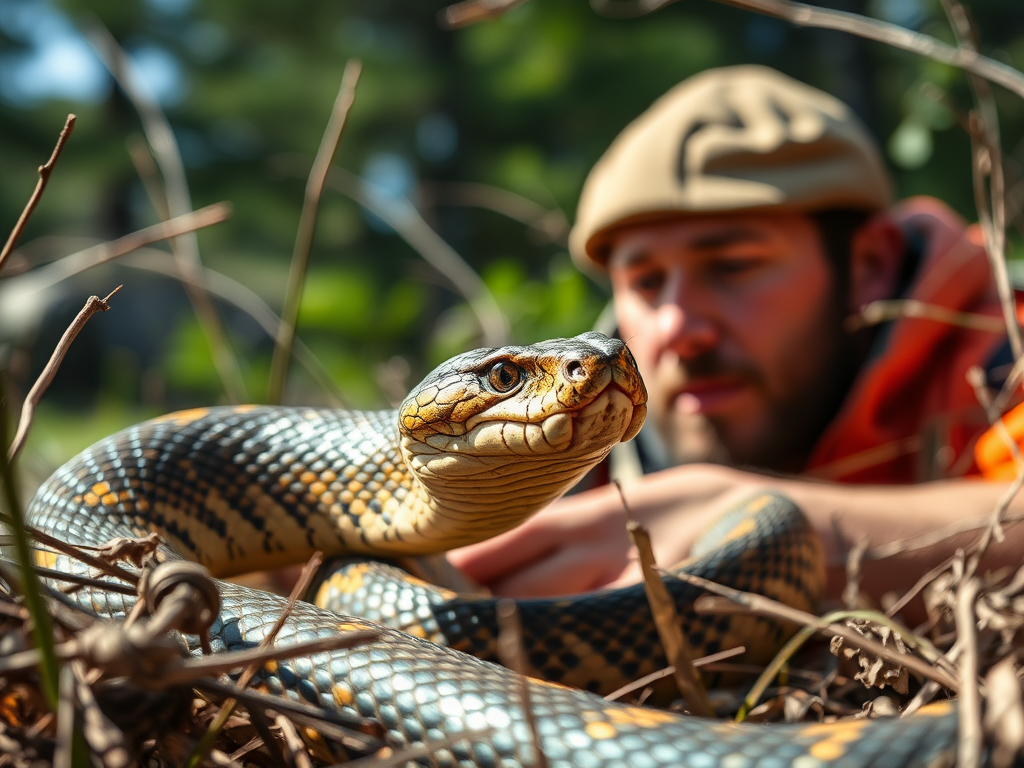
This is arguably the most cinematic of all survival myths. The scene is classic: the hero gets bitten by a viper, and a brave companion immediately cuts the wound with a knife and sucks out the poison, spitting it onto the ground. It looks heroic, proactive, and effective. In reality, attempting this snakebite first aid technique is one of the worst things you can do.
Snake venom is not a simple liquid that sits in a pool under the skin waiting to be removed. It is a complex cocktail of proteins and enzymes that enters the bloodstream and soft tissue almost instantly. By the time you react, the venom is already circulating. Cutting the wound with a knife—which is likely dirty—introduces bacteria deep into the bloodstream and causes further trauma to tissue that is already beginning to undergo necrosis (cell death) from the venom.
Furthermore, the human mouth is a bacteria factory. Placing your mouth on an open wound increases the risk of severe infection. If you have any cuts or sores in your mouth, you are also exposing yourself to the venom. Modern wilderness medical standards are clear: keep the victim calm to slow their heart rate, keep the bitten limb lower than the heart, and evacuate to professional medical care immediately. Do not use tourniquets, ice, or suction devices. The only cure for envenomation is antivenom, not suction.
2. Drinking Cactus Water Will Save You from Dehydration
The image of the desperate cowboy hacking open a cactus to drink the refreshing water inside is a staple of Western fiction. It relies on the logic that since cacti survive in the desert, they must be full of water. While cacti do store liquid, the fluid found inside most species is not water as we know it—it is a highly alkaline, noxious soup of acids and alkaloids.
For the vast majority of cactus species, including the iconic Saguaro, the internal fluid is toxic to humans. Consuming it will almost certainly induce severe vomiting and diarrhea. In a survival situation, particularly in a hot desert environment, vomiting is a death sentence. It accelerates dehydration, depletes your electrolytes, and leaves you weaker than you were before. You are essentially trading a moment of wet lips for a massive loss of internal fluids.
There is one exception: the Fishhook Barrel Cactus can provide drinkable fluid in dire emergencies, but identifying it correctly without botanical expertise is difficult. The risk of selecting a toxic species is simply too high. If you are stranded in the desert, your energy is better spent finding shade and conserving the sweat you have, rather than hacking at plants that will likely poison you.
3. Moss Always Grows on the North Side of Trees
Navigation is the cornerstone of survival. If you can orient yourself, you can self-rescue. A piece of folklore passed down to almost every child is that “moss grows on the north side of the tree.” The logic posits that in the Northern Hemisphere, the north side gets the least sun, making it damp and hospitable for moss. While there is a grain of scientific truth regarding sunlight patterns, relying on this for natural navigation is a recipe for walking in circles.
Moss does not care about cardinal directions; it cares about moisture and shade. While the north side of a tree might be shadier on average, local environmental factors easily override this. If a tree is located in a dense forest, the entire trunk might be shaded. If there is a stream nearby, the side facing the water will be mossier regardless of direction. If the prevailing wind brings rain from the south, the south side might be the dampest.
Relying on a single tree for direction is foolhardy. At best, looking for moss can provide a general hint if you observe hundreds of trees and find a consistent pattern, but even then, it is unreliable. You are much better off learning to read the sun’s arc, the stars, or simply carrying a magnetic compass. Trusting a fungus to be your GPS is a quick way to get hopelessly lost.
4. You Should Ration Your Water Immediately
You are lost. You have one canteen of water left. Your instinct screams, “Save it!” You decide to take only tiny sips, trying to make the supply last for days. This practice, known as voluntary dehydration, has resulted in search and rescue teams finding hikers dead from heatstroke or dehydration with half-full canteens by their sides.
This is a tragic misunderstanding of human physiology. Water in your canteen does your body zero good. It needs to be in your cells to maintain blood volume, regulate body temperature through sweating, and—most importantly—fuel your brain. Dehydration impacts cognitive function almost immediately. As you dehydrate, you become confused, lethargic, and prone to making terrible decisions (like wandering away from a trail).
If you are thirsty, you are already dehydrated. The correct survival protocol is to drink what you have to stay rational and energetic for as long as possible. A clear head gives you the best chance of finding a new water source or signaling for help. Dying with water in your bottle is the ultimate irony of survival mistakes. Drink to stay sharp, then focus all your energy on finding the next source.
5. Eating Snow Is a Good Way to Rehydrate
When surrounded by frozen water in a winter survival scenario, it seems logical to just eat the snow. It’s just water, right? While chemically true, physically, eating snow is a thermodynamic disaster for your body.
Converting ice (at 0°C or lower) into liquid water (at 37°C body temperature) requires a massive amount of caloric energy. Your body has to act as a furnace to melt the snow. This process rapidly drains your core body temperature from the inside out. In a cold environment, preserving core heat is your number one priority to prevent hypothermia. Eating snow accelerates the cooling process, bringing on the “umbles” (stumbles, mumbles, fumbles) of hypothermia much faster.
Furthermore, snow is mostly air. You have to eat a tremendous volume of snow to get a significant amount of water, which compounds the cooling effect. The correct method is to melt the snow first. If you have a fire and a container, boil it. If you have no fire, place snow in a water bottle and put it inside your jacket (not directly against the skin) to let your ambient body heat melt it slowly, or mix it with any liquid water you already have. Never eat it raw unless you are overheating.
6. Alcohol Will Warm You Up
The image of the St. Bernard dog carrying a small barrel of brandy to rescue freezing travelers is iconic. Many people believe that a shot of whiskey or schnapps acts as a “liquid sweater” because it creates a burning sensation in the chest and a flush of warmth in the cheeks. This feeling is real, but the result is deadly.
Alcohol is a vasodilator. It causes the blood vessels near the surface of your skin to open up (dilate). This rushes warm blood from your core to your skin, which is why you feel warm and look flushed. However, in a freezing environment, this is exactly what you don’t want. You want your blood to stay deep in your core to keep your heart, lungs, and brain functioning.
By sending your blood to the surface, alcohol accelerates heat loss to the environment. It essentially opens the windows of your house in the middle of winter. Additionally, alcohol impairs your judgment and coordination, making it harder to build a shelter or start a fire. In a cold-weather emergency, stick to warm sugar water or herbal tea. Alcohol is a fast track to freezing to death.
7. Always Play Dead if You See a Bear
“If it’s brown, lay down. If it’s black, fight back. If it’s white, goodnight.” This rhyme is a simplified attempt to categorize bear encounter safety, but the myth that you should always play dead is pervasive and dangerous. Playing dead is a specific strategy for a specific type of bear in a specific mood, and applying it broadly can turn you into prey.
You generally only play dead if attacked by a Brown (Grizzly) bear that is acting defensively—usually a mother protecting cubs or a bear defending a food source. In this case, the bear wants to neutralize the threat (you). By lying flat on your stomach, hands over your neck, and spreading your legs to prevent being flipped, you signal that you are not a threat. Once the bear feels safe, it may leave.
However, if you encounter a Black Bear, playing dead is often the wrong move. Black bears are rarely defensive in the same way; if a black bear attacks, it is more likely a predatory response. If you play dead with a predatory bear (Black or Grizzly), you are simply serving yourself up as dinner. In a predatory attack, you must fight back with everything you have—rocks, sticks, and fists—aiming for the nose and eyes. Furthermore, running is never the answer; it triggers the chase instinct in all predators.
8. A Lean-To Is the Best Shelter to Build
The lean-to is the quintessential “survival shelter.” It appears in every boy scout handbook and cartoon: a simple slanted roof made of branches propped up against a ridgepole. While it is better than nothing, it is rarely the best shelter, and in severe cold, it is inadequate.
A lean-to has one major flaw: it is open on three sides (or at least one large side). While it can deflect rain and wind from one direction, it cannot trap body heat. In a survival situation, particularly at night, your body heat is your most precious resource. A lean-to acts like a wind tunnel, sucking warmth away from you. To make a lean-to effective, you need a massive fire running all night to reflect heat into the shelter, which requires immense energy to gather wood for.
A much better alternative is a “debris hut” or an A-frame shelter that is enclosed and small. You want a space just big enough to crawl into, piled high with leaves, grass, and debris for insulation. This creates a “cocoon” effect that traps your body heat, keeping you alive even without a fire. The goal is insulation, not just a roof.
9. You Can Eat Anything Animals Eat
“If the birds and squirrels are eating those berries, they must be safe for me.” This logic seems sound—animals live in the wild, so they know the menu. Unfortunately, human biology is vastly different from that of birds, rodents, and deer.
Many animals have specialized digestive systems or enzymes that allow them to process toxins that would be fatal to humans. For example, squirrels can eat certain mushrooms that are deadly to humans. Birds can consume berries like those of the Pokeroot or Poison Ivy, which cause severe reactions in people. Deer can browse on plants that contain compounds toxic to our liver.
Relying on animal behavior to determine foraging safety is a form of Russian Roulette. Unless you can positively identify a plant as a known edible species (like dandelions, cattails, or pine needles), do not eat it. The hunger pangs are uncomfortable, but you can survive weeks without food. You can die in hours from ingesting neurotoxic berries or poisonous mushrooms.
10. If You’re Lost, Keep Moving to Find Help
The panic of being lost triggers a fight-or-flight response. The urge to “do something” usually manifests as walking—trying to find a road, a trail, or a clearing. This instinct is responsible for turning minor “lost” events into massive search and rescue operations (SAR).
When you keep moving, you become a moving target for rescuers. You expand the search area exponentially with every hour you walk. You also burn valuable energy and water, and you risk injury by navigating unfamiliar terrain. Furthermore, people who are lost tend to walk in circles due to “lateral drift” (one leg being slightly stronger than the other), meaning you exert effort only to end up where you started.
The moment you realize you are lost, follow the S.T.O.P. rule: Sit, Think, Observe, Plan. Stay put. Find a nearby open area where you can be seen from the air. Build a signal fire. Construct a shelter. You are much easier to find if you are stationary. The only time you should self-rescue is if you have a clear line of sight to civilization or if your immediate location poses a direct environmental threat (like flooding or fire).
Further Reading
To truly equip yourself with knowledge that works when the chips are down, consider adding these essential volumes to your library:
- Bushcraft 101: A Field Guide to the Art of Wilderness Survival by Dave Canterbury – A modern classic that focuses on the “5 Cs” of survivability and practical, low-tech skills.
- Deep Survival: Who Lives, Who Dies, and Why by Laurence Gonzales – This is less about knots and fires and more about the psychology of survival. It explains why some people panic and die while others stay calm and live.
- SAS Survival Guide by John ‘Lofty’ Wiseman – Written by a former SAS survival instructor, this is the definitive encyclopedia of survival in any climate, from the arctic to the desert.
- 98.6 Degrees: The Art of Keeping Your Ass Alive by Cody Lundin – A survival instructor focuses heavily on the physiology of thermoregulation, debunking many myths about clothing and shelter.
Here at Zentara.blog, our mission is to take those tricky subjects and unlock them, making knowledge exciting and easy to grasp for everyone. But the adventure doesn’t stop on this page! We’re constantly exploring new frontiers and sharing discoveries across the digital universe. Want to dive deeper into more mind-bending Top 10s and keep expanding your world? Come join us on our other platforms – we’ve got unique experiences waiting for you on each one!
Get inspired by visual wonders and bite-sized facts: See the world through Zentara’s eyes on Pinterest!
Pin our fascinating facts and stunning visuals to your own boards. Explore Pins on Pinterest: https://uk.pinterest.com/zentarablog/
Discover quick insights and behind-the-scenes peeks: Hop over to Tumblr for snippets, quotes, and unique content you won’t find anywhere else. It’s a different flavour of discovery! Follow the Fun on Tumblr: https://www.tumblr.com/zentarablog
Ready for deep dives you can listen to or watch? We’re bringing our accessible approach to video and potentially audio! Subscribe to our YouTube channel and tune into future projects that make learning pop! Subscribe on YouTube: https://www.youtube.com/@ZentaraUK
Seeking even more knowledge in one place? We’ve compiled some of our most popular topic deep dives into fantastic ebooks! Find them on Amazon and keep the learning journey going anytime, anywhere. Find Our Ebooks on Amazon: https://www.amazon.co.uk/s?k=Zentara+UK&ref=nb_sb_noss
Connect with us and fellow knowledge seekers: Join the conversation on BlueSky! We’re sharing updates, thoughts, and maybe even asking you what wonders we should explore next. Chat with Us on BlueSky: https://bsky.app/profile/zentarablog.bsky.social
Perfect for learning on the move! We post multiple 10-minute podcasts per day on Spotify. Pop on your headphones and fill your day with fascinating facts while you’re out and about! Listen on Spotify: https://open.spotify.com/show/3dmHbKeDufRx95xPYIqKhJFollow us on Instagram for bytesize knowledge! We post multiple posts per day on our official Instagram account. https://www.instagram.com/zentarablog/ Every click helps us keep bringing honest, accessible knowledge to everyone. Thanks for exploring with us today – see you out there in the world of discovery!




Leave a Reply