
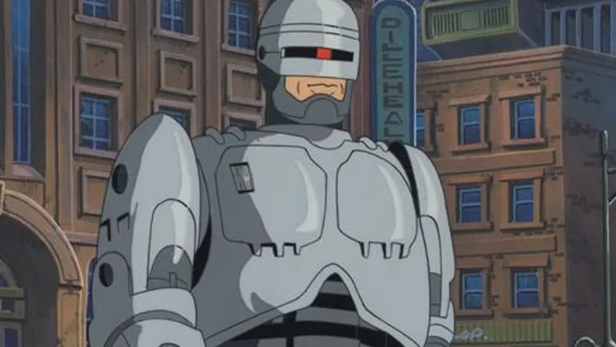
When people think of RoboCop, they usually envision the R-rated, ultra-violent 1987 masterpiece directed by Paul Verhoeven—a film famous for its biting satire and visceral gore. However, in the late 1980s, the franchise took a sharp turn into the world of Saturday morning cartoons. Produced by Marvel Productions, RoboCop: The Animated Series attempted to take the “Future of Law Enforcement” and make him palatable for a demographic that wasn’t even old enough to buy a movie ticket.
The result was a fascinating, often overlooked piece of animation history that blended sci-fi action with the strict broadcast standards of the era. Whether you grew up watching Alex Murphy fight crime on your living room floor or you’re a die-hard fan of the original film, there is much to uncover about this short-lived series.
1. It Was Produced by Marvel (But Not the One You Think)
Long before the Marvel Cinematic Universe dominated the box office, Marvel Productions was a powerhouse in the animation industry. While they are famous for Transformers and G.I. Joe, they were also the studio responsible for bringing the RoboCop animated series to life in 1988. This created a strange corporate synergy where the grittiest hero in cinema was being handled by the same company making Muppet Babies.
Think of this like a high-end gourmet chef being asked to design a Happy Meal. Marvel Productions had to take the complex, adult themes of the Orion Pictures film and distill them into a format that wouldn’t upset parents’ groups. Despite these constraints, the quality of the animation was surprisingly high for the time, featuring detailed character designs and fluid movement. It serves as a reminder of a time when Marvel’s brand was as much about Saturday morning TV as it was about comic books.
2. The Infamous Laser Gun Mandate
In the original film, RoboCop’s Auto-9 handgun was a legendary piece of cinematic weaponry, known for its rapid-fire bursts and devastating impact. However, in the 1980s, children’s television had strict “no bullets” policies. To circumvent this, the show equipped RoboCop with a laser pistol that fired bright red beams instead of lead.
This was a classic trope of 80s cartoons, where lasers were used as a “safe” alternative to realistic violence. If a character was hit by a laser, they usually just fell over or suffered a mechanical malfunction rather than a grizzly injury. Even the ED-260 (the cartoon’s version of ED-209) traded its twin cannons for high-tech energy blasters. It’s a bit like watching a professional boxer wearing oversized foam mitts—the intent to fight is there, but the “sting” has been intentionally removed to satisfy the censors.
3. It Tied Directly Into a Massive Toy Line
During the 80s and 90s, cartoons were often essentially 22-minute commercials for plastic figures. RoboCop: The Animated Series was no exception, as it was designed to support the RoboCop Ultra-Police toy line produced by Kenner. This toy line featured various versions of Murphy with “cap-firing” action, allowing kids to replicate the sounds of a shootout in their backyards.
The series introduced several characters and vehicles specifically to sell toys. For example, the “Turbo-Copter” and various specialized suits of armor appeared in the show to ensure that there were plenty of accessories for the Kenner figures. It’s a fascinating example of the “merchandise-first” mentality of the era. While the show only lasted 12 episodes, the toys remained on shelves for years, often outliving the very series that was meant to promote them.
4. Only One Original Actor Returned for the Show
While fans might have hoped to hear Peter Weller’s iconic monotone or Nancy Allen’s tough-as-nails performance as Anne Lewis, most of the original cast did not make the jump to animation. The voice of RoboCop was provided by Dan Hennessey. However, there was one notable exception: Robert DoQui, who played Sergeant Reed in the first three live-action movies, returned to voice the character in the animated series.
Having the original Sergeant Reed provided a small but vital link to the movies. In the world of voice acting, consistency can help ground a spin-off, and DoQui’s authoritative yet fatherly tone kept the precinct feeling like the OCP-run Detroit fans knew. Everyone else was recast with seasoned Canadian voice talent, many of whom also worked on shows like X-Men: The Animated Series and Inspector Gadget.
5. It Replaced the ED-209 with the ED-260
The ED-209 is one of the most famous “villains” in sci-fi history, primarily because of its glitchy programming and terrifying design. In the animated series, the creators introduced the ED-260, an upgraded version of the bumbling droid. While it looked very similar to its movie counterpart, the ED-260 was treated as a more competent, recurring antagonist that RoboCop had to regularly outsmart.
Changing the model number was a subtle way for the writers to indicate that technology had progressed. In the cartoon, these droids weren’t just accidental killers; they were often used as tools for OCP’s corporate espionage. Think of the ED-260 as the “iPhone 14” to the original movie’s “iPhone 6″—it’s the same basic idea, but with a few software updates and a lot more screen time to cause trouble for our cybernetic hero.
6. The Setting Was Changed to “Old Detroit” vs. “New Detroit”
The original movie focused on the decay of Detroit and the promise of “Delta City.” The animated series leaned heavily into this world-building, focusing on the stark contrast between the futuristic, gleaming New Detroit and the crumbling, crime-ridden Old Detroit. This environment allowed the show to explore social themes that were surprisingly deep for a kids’ show.
By highlighting the wealth gap between the two sections of the city, the series managed to retain a sliver of the social commentary that made the film famous. While it didn’t show the gruesome side of urban decay, it did depict OCP as a heartless corporation that prioritized profit over the well-being of the citizens in the “Old” sector. It taught a generation of children that the real villains weren’t just the guys in masks, but the suits in the boardrooms.
7. It Featured a High-Tech Supercomputer Named A.N.N.I.E.
In a move to make the show feel more “sci-fi” and high-tech, the writers introduced A.N.N.I.E. (Artificial Neural Network Intelligence Entity). This was a sophisticated OCP supercomputer that often assisted RoboCop or, conversely, became a target for hackers and corporate rivals.
The inclusion of A.N.N.I.E. reflected the 1980s obsession with the burgeoning computer age. At the time, home computers were still a novelty, and the idea of a sentient or highly intelligent network was the height of futuristic storytelling. A.N.N.I.E. served as a plot device to explain complex technical concepts to the audience, acting as a bridge between RoboCop’s cybernetic brain and the analog world around him.
8. The Show Avoided the “Murphy is Dead” Reality
In the R-rated film, the death of Alex Murphy is a traumatic, prolonged sequence that defines the character’s internal struggle. For the animated adaptation, this was understandably glossed over. The show rarely discussed the fact that Murphy had been brutally executed. Instead, it focused on him as a “man who became a machine” to save his life.
This shift changed the tone of the character significantly. In the movie, RoboCop is a ghost in the machine trying to reclaim his humanity. In the cartoon, he is more of a traditional superhero who happens to be made of titanium. This helped keep the show’s energy lighter and more adventurous, avoiding the existential dread and body horror that would have likely given 10-year-olds nightmares for weeks.
9. It Preceded the “Alpha Commando” Reboot
Many fans confuse the 1988 series with a later show called RoboCop: Alpha Commando, which aired in 1998. While both are animated, they are very different animals. The 1988 series stayed relatively close to the aesthetic of the original movie, while Alpha Commando went full “90s extreme,” giving RoboCop gadgets like rollerblades and even more outlandish weapons.
The 1988 Marvel Productions version is generally held in higher regard by purists because it attempted to maintain the atmosphere of the first film, albeit in a sanitized way. Alpha Commando felt more like a generic action show that happened to star RoboCop. Understanding the distinction between these two eras of animation is key for any collector or historian of the franchise.
10. The Series Ended After Only 12 Episodes
Despite the massive push for toys and the popularity of the brand, RoboCop: The Animated Series was incredibly short-lived. It produced only 12 episodes before being cancelled. The reasons for its short run are varied, but much of it came down to the shifting landscape of Saturday morning TV and the difficulty of marketing an R-rated character to children without losing what made the character “cool” in the first place.
In the world of television production, 12 episodes is barely a “season.” However, those 12 episodes have gained a cult following over the years. They represent a unique moment in pop culture history where Hollywood was trying to figure out how to turn every adult-oriented “tough guy” (like Rambo or the Toxic Avenger) into a cartoon hero. Though brief, the show remains a fascinating time capsule of 1980s animation trends and marketing strategies.
Further Reading
- The Art and Making of RoboCop by Titan Books – A comprehensive look at the visual development of the entire franchise, including its animated iterations.
- Saturday Morning Fever: Growing up with Cartoon Culture by Timothy Burke and Kevin Burke – An insightful exploration of how 80s and 90s cartoons were developed to sell toys.
- RoboCop: The Definitive History by Calum Waddell – This book covers everything from the original script to the various spin-offs, providing deep context for the animated series.
- The Encyclopedia of American Animated Television Shows by David Perlmutter – A great reference for the technical and production details of the Marvel Productions era.




Leave a Reply