
Beyond the Jetpack: 10 Jaw-Dropping Secrets About Jonny Quest That Changed Animation Forever
The golden age of animation is often associated with slipping on banana peels and heavy anvils falling from the sky. However, amidst the “wabbits” and “stone-age families,” a revolutionary program emerged that traded slapstick for suspense and punchlines for peril. That program was Jonny Quest.
When it first arrived on the airwaves, it didn’t just break the mold; it shattered the entire factory. It introduced audiences to a world of global espionage, high-tech gadgetry, and genuine danger. It was a cinematic experience delivered in thirty-minute installments, and its DNA can still be found in every modern action-adventure franchise today. To understand why this show remains a titan of the industry, we must look beneath the surface of its ink and paint.
1. The Revolutionary Comic Book Aesthetic of Doug Wildey
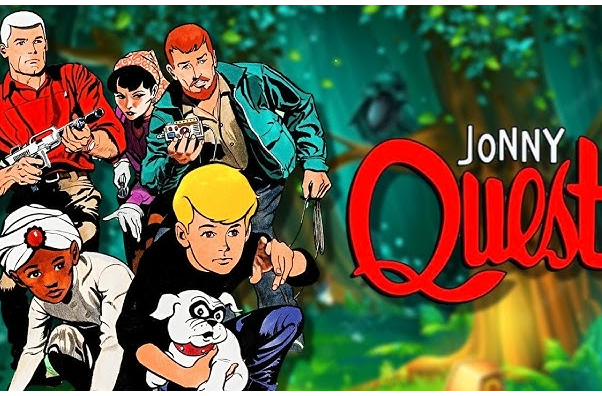
Before this series debuted, television animation was defined by the “limited animation” style of the era—think thick lines, simplified movements, and bright, flat colors. Everything changed when comic book veteran Doug Wildey was brought on board. Wildey didn’t want the show to look like a cartoon; he wanted it to look like a moving comic strip.
He utilized heavy “feathering” and deep black shadows, a technique known as chiaroscuro, to create a sense of depth and realism rarely seen on the small screen. Instead of the rubbery physics of other characters, the Quest crew had anatomical weight. This stylistic choice was a gamble. It required significantly more detail in every frame, moving away from the “cute” aesthetics of the time toward something grittier and more adult. This artistic foundation is what gives the series its timeless, sophisticated feel, ensuring that it remains visually striking decades after its initial release.
2. Why Jonny Quest Premiered in Primetime Rather Than Saturday Mornings
It is a common misconception that all classic cartoons were born for Saturday morning cereal sessions. In reality, this series was designed as a primetime powerhouse. It originally aired on Friday nights, competing directly with live-action dramas and sitcoms. The creators at Hanna-Barbera weren’t targeting toddlers; they were aiming for the same audience that enjoyed James Bond movies and Terry and the Pirates.
By placing the show in a primetime slot, the network acknowledged that its themes—scientific mystery and international intrigue—required a more mature attention span. The pacing was deliberate, the dialogue was surprisingly grounded, and the stakes felt meaningful. This strategic placement allowed the show to bridge the gap between “kids’ stuff” and “family entertainment.” While it eventually found a permanent home in the Saturday morning rotation for future generations, its origins as a primetime contender set a standard for quality and sophistication that few animated series of that era could match.
3. The High Stakes and Real Peril of 1960s Action Animation
One of the most surprising elements for modern viewers returning to the series is the sheer level of intensity. Unlike other cartoons where characters might bounce back from an explosion with a bit of soot on their faces, the world of Jonny Quest felt dangerous. People—and monsters—didn’t just disappear; they were often met with definitive, sometimes grim, endings.
The show featured mummies, pterodactyls, giant spiders, and cold-blooded mercenaries. When a character was cornered, there was a palpable sense of dread. This “real peril” was central to the show’s identity. It taught a young audience that the world was a vast, mysterious, and sometimes frightening place. By refusing to “soften” the adventure, the creators respected the intelligence of their viewers. This commitment to genuine tension is a primary reason why the show’s action sequences still hold up today as genuinely thrilling examples of storytelling.
4. Race Bannon: The Ultimate Blueprint for the Modern Action Hero
If Dr. Benton Quest was the brain of the operation, Race Bannon was the undisputed muscle. With his shock of white hair and impeccable combat skills, Race was the prototype for the “super-spy bodyguard” trope. What made him unique was his multifaceted nature; he wasn’t just a hired gun, but a tutor, a pilot, and a surrogate older brother/father figure to Jonny and Hadji.
Interestingly, Race was heavily inspired by the classic action stars of the mid-century, specifically actors like Jeff Chandler. His competence was absolute. Whether he was wrestling an alligator or outmaneuvering a fighter jet, Race Bannon set the bar for the “unstoppable protector” archetype. He paved the way for future icons like G.I. Joe’s Duke or even the gritty protectors seen in modern cinema. His presence gave the show a sense of security, yet his occasional vulnerability reminded the audience that even the best could be pushed to their limits.
5. How Real-World Science and Gadgetry Fueled the Quest Missions
While many contemporary shows relied on “magic” or impossible physics, this series leaned heavily into speculative science. The gadgets used by the Quest team weren’t just plot conveniences; they were often based on emerging technologies of the time or realistic extrapolations of scientific theory. From hydrofoils and jetpacks to lasers and para-sails, the technology felt tangible.
Dr. Benton Quest wasn’t a wizard; he was a government-contracted scientist working on the cutting edge of physics and biology. This “hard science” approach gave the adventures a veneer of authenticity. It inspired an entire generation of children to pursue careers in STEM, as they saw the “man of science” as the ultimate adventurer. The show depicted a world where intelligence and technological innovation were the keys to solving global crises, making science appear just as cool as a fistfight.
6. The Sophisticated Big Band Jazz Score of Hoyt Curtin
You cannot discuss the impact of this show without mentioning its iconic theme and background music. Composer Hoyt Curtin moved away from the whimsical, orchestral sounds of typical animation and instead leaned into a high-energy, big band jazz aesthetic. The result was a pulse-pounding soundscape that felt more like a spy thriller than a cartoon.
The heavy use of brass and driving percussion mirrored the fast-paced action on screen. The music didn’t just accompany the scenes; it drove them. Whether the team was sneaking through a jungle or engaged in a high-speed chase, the score provided a sophisticated, adult energy. Even today, the opening theme is widely regarded as one of the greatest pieces of television music ever composed. Its driving rhythm perfectly encapsulated the “jet-age” excitement of the era, making the viewer feel like they were embarking on a mission of global importance.
7. Dr. Benton Quest and the Rise of the Intellectual Protagonist
In many adventure stories, the “scientist” is a side character who stays in the lab while the hero does the heavy lifting. This series flipped that dynamic. Dr. Benton Quest was frequently the catalyst for the adventure. His expertise was the very reason they traveled to remote islands or polar ice caps. He was a hero defined by his intellect, proving that the smartest person in the room could also be the most important.
Dr. Quest represented a specific ideal: the academic as an adventurer. He was calm under pressure and used logic to defeat supernatural-seeming threats, often debunking “ghosts” or “monsters” as technological hoaxes or biological anomalies. This move away from a traditional “brawny” lead toward a “brainy” lead was a significant shift in how protagonists were framed in media. It validated curiosity and education as heroic traits, a message that remains incredibly potent.
8. The Global Scope: Bringing International Espionage to Children
Long before “world-building” became a buzzword, this show was introducing audiences to a massive, interconnected globe. Episodes took place in the Sargasso Sea, the Himalayas, the Amazon rainforest, and the Egyptian desert. It wasn’t just a change of scenery; the show attempted to incorporate the mythology, geography, and atmosphere of these locales.
For many young viewers, this was their first introduction to the concept of international espionage. The Quest team dealt with foreign agents, hidden bases, and global conspiracies. By taking the characters out of a domestic American setting and placing them on the world stage, the creators expanded the horizons of their audience. This global scope made every episode feel like an event. It suggested that the world was a vast place full of secrets waiting to be uncovered, fueling a sense of wonder and wanderlust in everyone who watched.
9. The Enduring Controversy and Impact of the Body Count
It is a well-documented fact that this series was significantly more violent than its peers. While the show avoided explicit gore, it did not shy away from the consequences of conflict. Enemies didn’t just “go to jail”; their planes exploded, their boats sank, and their bases collapsed. This led to significant pushback from various advocacy groups over the years, who felt the show was too intense for younger viewers.
However, this “edge” is exactly what has preserved its cult status. Because the show refused to pull its punches, it felt honest. The threats were real, and the victories were hard-won. This sense of consequence added a layer of weight to the storytelling that was absent from almost every other animated show of the time. It proved that animation could handle serious themes and high-stakes action, effectively paving the way for the later success of “darker” animated series in the decades that followed.
10. A Lasting Legacy: From Star Wars to The Venture Bros.
The footprint of the Quest family can be seen across the entire landscape of modern pop culture. Filmmakers and creators have frequently cited the show as a primary influence on their work. The blend of high adventure, exotic locations, and familial bonds served as a direct inspiration for the Indiana Jones franchise. George Lucas’s vision of a “lived-in” sci-fi world also shares DNA with the tech-heavy realism of the Quest universe.
Furthermore, the show’s specific tropes were so influential that they spawned one of the most successful parodies in history: The Venture Bros. That series serves as a loving deconstruction of everything Jonny Quest represented, from the traumatized boy adventurer to the hyper-masculine bodyguard. When a show is so iconic that it can be parodied for nearly twenty years and still remain recognizable, you know it has achieved legendary status. It remains the “gold standard” for the animated adventure genre.
Further Reading
- The Art of Hanna-Barbera by Ted Sennett
- Hanna-Barbera: The Art of Animation by Jerry Beck
- Doug Wildey: Art of the Adventure by Hermes Press
- The Hanna-Barbera Treasury by Jerry Beck
- 10 Things You Should Know About Foghorn Leghorn – Looney Tunes
- 10 Futurama TV SHOW Facts That Still Hold Up
- 10 Things You Should Know About Speedy Gonzales – Looney Tunes
- 10 Things You Should Know About Yosemite Sam – Looney Tunes
- 10 Things You Should Know About The Looney Tunes
- 10 Things You Should Know About Road Runner – Looney Tunes
- 10 Things You Should Know About Wile E. Coyote – Looney Tunes
- 10 Things You Should Know About Tweety Pie – Looney Tunes
- 10 Things You Should Know About Sylvester The Cat – Looney Tunes
- 10 Things You Should Know About Porky Pig – Looney Tunes



