
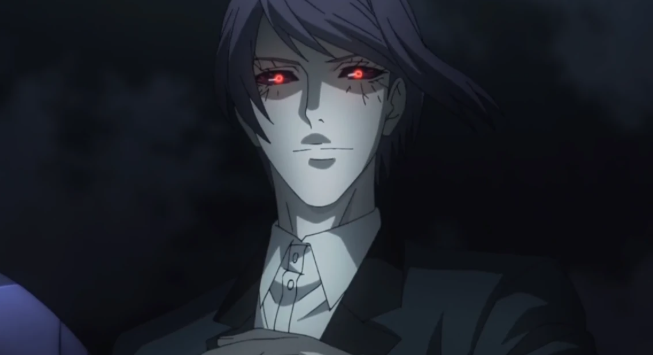
Tokyo is a city of millions, a sprawling metropolis where the neon lights of Shinjuku and the quiet alleys of Nerima hide a terrifying reality. In the world of Tokyo Ghoul, the shadows don’t just hold secrets—they hold predators. Ghouls, beings that look exactly like humans but possess a biological necessity to consume human flesh, live among the populace, sparking a silent, bloody war for survival. At the center of this storm is Ken Kaneki, a bookish college student whose life is shattered by a single, ill-fated date.
For the uninitiated, Tokyo Ghoul is far more than a simple horror story or a supernatural action series. It is a profound meditation on identity, the cycle of violence, and the blurred lines between “us” and “them.” Whether you are just picking up the manga or starting the anime, the depth of this world can be overwhelming. To navigate the blood-stained streets of this dark fantasy epic, one must understand the intricate lore and psychological underpinnings that have made it a modern masterpiece. This guide serves as your essential primer to the tragic, beautiful, and visceral world created by the enigmatic Sui Ishida.
1. The Biological Nightmare of the One-Eyed Ghoul
The story of Tokyo Ghoul begins with a medical anomaly that defies the natural order of its world. Ken Kaneki, an ordinary human, survives a ghoul attack only to have the organs of his predator, Rize Kamishiro, transplanted into his body to save his life. This act creates a “One-Eyed Ghoul,” a hybrid entity that exists in the liminal space between two warring species. While natural-born ghouls have two “Kakugan” (eyes that turn red and black when hungry or excited), Kaneki only possesses one.
This transformation is not merely physical; it is a spiritual and social exile. As a hybrid, Kaneki possesses the raw power of a ghoul—often exceeding that of pure-bloods due to “hybrid vigor”—but retains a human heart and conscience. This dual nature is the engine of the series’ drama. He is too “ghoul” for the human world and too “human” for the ghoul world. For new fans, understanding this biological fluke is vital because it positions Kaneki as the only bridge between two societies that are otherwise incapable of communication. He is a living paradox, a man forced to eat those he once called peers to survive.
2. The Science of the Kagune: A Predatory Evolution
What makes a ghoul truly terrifying in combat is their “Kagune,” a predatory organ that functions as both a weapon and a shield. The Kagune is composed of “Rc cells,” which are stored in an organ called the Kakuhou. When a ghoul releases these cells, they harden into various shapes, effectively becoming biological “liquid muscles” that are as hard as steel but as flexible as water. There are four distinct types of Kagune based on the location of the Kakuhou: Ukaku (wings), Koukaku (armored blades), Rinkaku (tentacles), and Bikaku (tails).
Each type operates on a “rock-paper-scissors” style of biological advantage. For example, the high-speed Ukaku is effective against the heavy Bikaku, while the defensive Koukaku can withstand the piercing power of a Rinkaku. For a newcomer, learning these classifications is like learning the rules of engagement in a high-stakes chess match. The Kagune is not just a tool for killing; it is a manifestation of the ghoul’s personality and survival instinct. Watching how different characters utilize their unique biological gifts provides some of the most tactical and visually stunning combat sequences in modern fiction.
3. The Tragic Diet: Why Ghouls Can’t “Just Eat Bread”
One of the most heart-wrenching aspects of Tokyo Ghoul is the dietary restriction of the species. Ghouls possess an enzyme that makes human food taste like rotting garbage. To a ghoul, a delicious-looking sandwich might taste like oxidized metal and fish guts. They lack the ability to digest anything other than human flesh and water, with one singular, mysterious exception: coffee. This simple beverage is the only human luxury ghouls can enjoy, as its chemical composition is tolerable to their systems.
This dietary constraint is the foundation of the series’ moral complexity. Unlike many monsters in fiction who kill for sport or malice, ghouls in this universe kill because they are biologically required to do so. They are obligate carnivores in the most tragic sense. This forces the audience to confront a difficult question: Is a creature “evil” for eating, or is the tragedy found in the design of the world itself? For fans, the scenes where characters try to force down human food to blend in are some of the most uncomfortable and effective moments of body horror and empathy in the series.
4. The CCG: Guardians of Humanity or High-Tech Killers?
To combat the ghoul threat, the Japanese government established the CCG—the Commission of Counter Ghoul. These investigators, often referred to by ghouls as “Doves” due to their bird-themed insignia, are highly trained humans dedicated to the extermination of ghouls. Because humans lack natural superpowers, the CCG uses “Quinque”—specialized weapons crafted from the harvested Kakuhou of defeated ghouls. This means the CCG literally fights fire with fire, using the flesh of their enemies to create swords, scythes, and shields.
The CCG is not a monolithic group of “good guys.” While they protect the public, their methods are often brutal and their worldview is frequently uncompromising. Figures like Kureo Mado and Kotaro Amon provide a human perspective on the conflict, showing the grief and loss that drive people to become hunters. The existence of the CCG creates a mirror image of the ghoul struggle; both sides are fueled by the loss of loved ones, and both sides justify their violence as a means of survival. Understanding the CCG is essential to grasping the “grey morality” that defines the series.
5. The Enigma of Sui Ishida and Literary Symbolism
The creator of Tokyo Ghoul, Sui Ishida, is as mysterious as his characters. Remaining largely reclusive and using a stylized avatar, Ishida infused the series with a deep love for literature, poetry, and tarot symbolism. The protagonist, Ken Kaneki, is a fan of the (fictional) author Sen Takatsuki, and the themes of her books often mirror the events of the series. References to Franz Kafka’s The Metamorphosis are woven throughout the narrative, drawing parallels between Kaneki’s transformation and the existential dread of Kafka’s protagonist, Gregor Samsa.
Ishida’s artwork also hides “hidden numbers” and tarot cards in the hair, clothing, and backgrounds of characters to foreshadow their fates. For example, the number “12” (The Hanged Man) or “10” (Wheel of Fortune) might appear during a pivotal chapter to signal a character’s internal state. This layer of depth encourages fans to analyze every panel with a detective’s eye. The series isn’t just an action manga; it is a literary puzzle where every name, book title, and hidden number serves a greater thematic purpose.
6. Anteiku: The Sanctuary of the 20th Ward
In the violent world of Tokyo Ghoul, “Anteiku” is a small, peaceful cafe in the 20th Ward that serves as a sanctuary for ghouls who wish to live without harming humans. Led by the elderly and wise Yoshimura, the staff at Anteiku help “civilian” ghouls find food through ethical means (such as collecting the bodies of those who have passed away by suicide) and teach them how to blend into human society. This organization represents the hope for coexistence.
Anteiku is where Kaneki learns the “art” of being a ghoul. It is here that he meets Touka Kirishima, a fierce young woman trying to balance school life with her ghoul nature. For new fans, Anteiku serves as the emotional heart of the story. It challenges the notion that all ghouls are mindless monsters. By showing ghouls folding laundry, studying for exams, and worrying about their friends, the series humanizes the “enemy” and makes the inevitable conflicts with the CCG feel all the more devastating. It is the calm before—and during—the storm.
7. The Psychological Weight of the Mask
Ghouls are required to wear masks when they engage in “ghoul activities” to prevent the CCG from identifying them in their daily human lives. These masks are crafted by a flamboyant and enigmatic ghoul named Uta, who views his work as an art form. Each mask is custom-designed to reflect the wearer’s inner psyche or their predatory style. Kaneki’s iconic leather mask, featuring a bolted-shut mouth and a single eye patch, symbolizes his inability to speak his truth and his “one-eyed” perspective on the world.
The mask is a central metaphor for the entire series: the “persona” we present to the world versus our true, often darker, nature. For ghouls, the mask is a tool of survival, but it also becomes a source of identity. When they put on the mask, they can release their pent-up rage and hunger; when they take it off, they must play the part of the polite neighbor or the diligent student. This duality creates a profound psychological strain on the characters, leading to “persona cracks” that drive much of the series’ character development.
8. The Manga vs. Anime: A Necessary Distinction
For new fans entering the franchise, it is crucial to understand that the Tokyo Ghoul manga and its anime adaptation offer significantly different experiences. While the first season of the anime follows the source material relatively closely, the subsequent seasons—particularly Tokyo Ghoul √A—diverge into original storylines that were not present in the manga. Furthermore, the later Tokyo Ghoul:re anime is often criticized for its fast pacing, which condenses dozens of manga chapters into a single episode.
The manga is widely considered the definitive way to experience the story. Sui Ishida’s art evolves from gritty and sketch-like to breathtakingly beautiful and abstract, capturing the mental state of the characters in a way that animation often struggles to replicate. The manga provides the necessary breathing room for political intrigue, side-character backstories, and the complex “lore drops” that make the world feel lived-in. If you find the anime confusing or feel like you’ve missed a step, turning to the manga is the solution. It is a more cohesive, atmospheric, and emotionally resonant journey.
9. Aogiri Tree: The Radical Ghoul Revolution
As the series progresses, a new player emerges: the Aogiri Tree. This is a militant ghoul organization that believes in ghoul supremacy and seeks to overthrow the human-led CCG through terror and force. Unlike the peaceful residents of Anteiku, Aogiri members embrace their predatory nature and view humans as nothing more than cattle. They are led by the mysterious “One-Eyed King,” a figure who represents the ultimate threat to the status quo.
The rise of Aogiri Tree shifts the scale of the story from local skirmishes to a full-scale urban war. They represent the “dark reflection” of Kaneki’s struggle. While Kaneki seeks a way for the two worlds to meet, Aogiri seeks to burn the human world down. Their presence introduces iconic villains and anti-heroes, like the sadistic Jason and the lethal Eto. For a new fan, Aogiri provides the high-octane action and high-stakes drama that tests Kaneki’s resolve and forces him to choose between his peaceful ideals and the brutal reality of the world he now inhabits.
10. The Theme of the “Tragedy” and Personal Transformation
From the very first page of the manga, Kaneki tells the reader: “If you were to write a story with me in the lead role, it would certainly be… a tragedy.” This isn’t just dramatic flair; it is a structural promise. Tokyo Ghoul is a tragedy in the classical sense, where the protagonist’s flaws and the cruelties of fate lead to a downward spiral of loss. Kaneki undergoes multiple radical transformations throughout the series—physical, mental, and ideological—each triggered by intense trauma.
The series explores how trauma changes a person. Kaneki’s hair changing from black to white is a famous visual shorthand for the “Marie Antoinette Syndrome,” representing the immense stress and torture he endured. However, the story isn’t just about suffering; it’s about the endurance of the human spirit. It asks whether one can remain “kind” in a world that is inherently “wrong.” For fans, watching Kaneki lose and find himself over and over again is a grueling but rewarding experience. It is a story that refuses to provide easy answers, insisting instead that life is found in the struggle to find meaning within the tragedy.
Further Reading
To fully immerse yourself in the psychological and artistic depth of the Tokyo Ghoul universe, consider exploring these essential texts:
- Tokyo Ghoul (Manga Series) by Sui Ishida
- Tokyo Ghoul:re (Manga Series) by Sui Ishida
- Tokyo Ghoul Illustrations: Zakki by Sui Ishida
- The Metamorphosis by Franz Kafka (A primary influence on the series’ themes)
- Demian by Hermann Hesse (Often cited regarding the “breaking of the shell” and rebirth)




Leave a Reply