
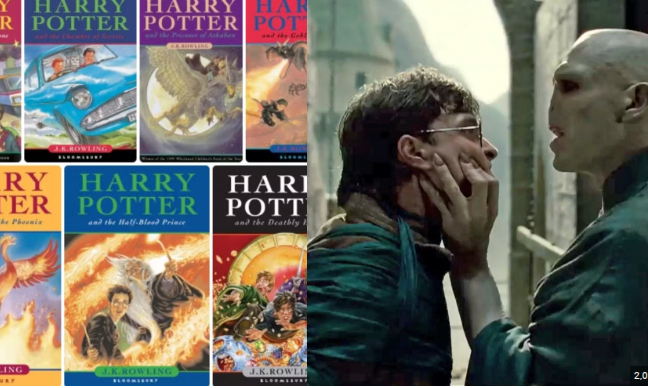
The Boy Who Lived has captured the hearts of millions, creating a cultural phenomenon that transcends age and geography. For a newcomer, the gates of Hogwarts are wide open, but a crucial question remains: should you reach for the ink-stained pages of a novel or the flickering light of a cinematic masterpiece? This debate has sparked countless discussions in common rooms across the globe.
Entering the Wizarding World is more than just consuming a story; it is an immersion into a meticulously crafted universe filled with lore, logic, and life lessons. Whether you are a parent introducing a child to the magic or an adult seeking a legendary escape, the path you choose—books first or movies first—will fundamentally shape your perception of this enchanting realm. This guide explores the nuances of both mediums to help you decide exactly where your journey should begin.
1. The Imaginative Spark: Building Your Own Hogwarts
When you open the first book, you are given the blueprints to a castle, but your mind is the architect. Reading the series allows for a deeply personal experience where the characters’ voices, the smell of the Great Hall, and the terrifying presence of a Dementor are all tailored to your own imagination. This internal world-building creates a unique bond between the reader and the story that is difficult to replicate once a visual version has been presented.
In contrast, the films provide a definitive aesthetic. While the production design is undeniably breathtaking, seeing the silver screen’s interpretation can sometimes “overwrite” a reader’s personal vision. If you prefer to let your imagination run wild before being shown exactly what a Mandrake or a Golden Snitch looks like, the books are your essential starting point. There is a specific kind of magic in wondering what a “Pensieve” looks like based only on a beautifully descriptive paragraph, and once you see the movie version, that mystery is permanently solved. For those who value the creative exercise of visualization, the literature offers a playground that the screen simply cannot match.
2. The Internal Monologue: Understanding Harry’s Heart
One of the most significant advantages of the books is the access they provide to Harry’s internal thoughts. In the written word, we aren’t just watching a boy deal with fame and danger; we are living inside his head. We feel his biting sarcasm, his profound loneliness, and the weight of the expectations placed upon him. This depth of character development allows for a much more empathetic connection, making his triumphs feel more personal and his losses more devastating.
The movies, while featuring stellar performances, must rely on external actions and facial expressions to convey emotion. While the actors do a magnificent job, certain nuances of Harry’s personality—specifically his “book sass” and his complex internal struggles—can sometimes be lost in translation. If you want to truly understand the motivations of the hero, the books provide a psychological profile that the films can only hint at. This depth extends to supporting characters as well; the novels allow for internal growth and subtle shifts in loyalty that require the space of several hundred pages to breathe, ensuring that every character feels like a fully realized human being rather than a trope.
3. The Richness of Lore: Exploring the “B-Plots”
The Wizarding World is dense with history, mythology, and magical theory. Because of the constraints of cinema, the movies must prioritize the “A-plot”—the central conflict between Harry and Lord Voldemort. This means that many fascinating subplots, historical backstories, and secondary characters are either condensed or removed entirely. Fans of world-building will find the books to be a treasure trove of information that clarifies how the magical society actually functions.
From the complex history of the four Hogwarts founders to the tragic backstory of the House of Gaunt, the books provide context that makes the world feel ancient and lived-in. Characters like Peeves the Poltergeist, Ludo Bagman, and Winky the House-Elf provide color and complexity to the narrative but never made it to the screen. For a beginner who wants to know the “why” behind the magic—such as the specific laws of wandlore or the intricate politics of the Ministry of Magic—the books are an exhaustive encyclopedia. Reading them first ensures that when you do watch the movies, you aren’t left wondering about the logic behind certain magical occurrences or the true identity of a background character.
4. Cinematic Grandeur: The Power of Visual Storytelling
While the books offer depth, the movies offer a sensory spectacle that is hard to ignore. The transition from the mundane, gray world of Privet Drive to the vibrant, gold-hued warmth of Diagon Alley is one of the most iconic moments in cinematic history. For many, the visual and auditory elements—specifically the haunting, whimsical score—are what truly make the magic feel “real.” The movies excel at capturing the scale of the world, from the sweeping vistas of the Scottish Highlands to the claustrophobic tension of the Ministry’s depths.
Starting with the movies can be an excellent choice for visual learners or those who find dense fantasy novels intimidating. The films act as a “highlight reel,” showcasing the most exciting action sequences, the most beautiful locations, and the most pivotal plot points. They provide a shared cultural language; when someone mentions a “Hogwarts letter,” most people immediately picture the specific font and wax seal from the films. If you are looking for an accessible, fast-paced entry point that allows you to share the experience with others immediately, the cinematic journey provides a level of immersion that is both instant and awe-inspiring.
5. The Mystery Element: Clues and Red Herrings
The series is, at its heart, a collection of mystery novels. The books are famous for planting tiny details in the first few chapters that don’t become relevant until several volumes later. This “Chekhov’s Gun” style of writing is a masterclass in foreshadowing. When you read the books, you have the opportunity to play detective, piecing together clues about the true nature of certain characters or the location of hidden objects.
The movies, due to time limitations, often have to be more direct. Because they cannot include every detail, the “clues” they do include often stand out more prominently, making the eventual twists sometimes easier to predict. The books allow for a slower burn, leading the reader down garden paths and through red herrings that make the eventual “aha!” moments incredibly satisfying. If you enjoy a narrative that rewards careful attention and rewards you for remembering a throwaway line from three hundred pages ago, the literary path offers a far more intricate puzzle-solving experience than the films.
6. Pacing and Growth: The Seven-Year Journey
The structure of the series follows seven years of schooling, and the books allow for a gradual maturation process that feels organic. We see the characters grow from eleven-year-old children into young adults facing life-and-death consequences. This slow progression allows the reader to “grow up” alongside the trio, experiencing the mundane days of classes and exams interspersed with the high-stakes adventures. This pacing makes the transition from the whimsical tone of the early entries to the dark, operatic tone of the finale feel earned.
In the film format, the passage of time is naturally accelerated. A school year that takes hundreds of pages to detail is condensed into two hours of footage. While the movies do a great job of showing the physical aging of the actors, some of the emotional growth can feel slightly rushed. The books capture the “in-between” moments—the quiet evenings in the common room, the teenage angst, and the developing romances—that give the story its heart. For those who want to feel like they’ve truly spent seven years at Hogwarts, the books provide the necessary time and space for that transformation to occur.
7. The Legend of the Marauders: Missing Backstories
One of the most frequent critiques from fans of the series involves the handling of the “Marauders”—the generation of students who came before Harry, including his father and his friends. Their story is the backbone of the series’ emotional stakes, explaining the origins of the Marauder’s Map and the deep-seated rivalries that drive the plot of the later books. In the novels, this backstory is revealed in layers, adding tragic depth to the adults in Harry’s life.
The movies touch on these elements but often omit the specific details that make the revelations so impactful. For instance, the identities of “Moony, Wormtail, Padfoot, and Prongs” are never explicitly explained in the cinematic version of the third story, leaving casual viewers to piece it together themselves. By reading the books, you gain a full understanding of the sacrifices, betrayals, and friendships of the previous generation, which in turn makes Harry’s own journey feel like part of a much larger, more tragic tapestry of history.
8. Iconic Performances: Adding Face to the Name
It is impossible to discuss starting with the movies without acknowledging the legendary casting. For many, the actors have become inseparable from the characters. The gravitas of the various professors and the sneering brilliance of the antagonists bring a level of charisma to the story that is uniquely cinematic. These performances can help “anchor” a new fan, providing a clear reference point for who these people are and what they stand for.
Starting with the movies allows you to carry these iconic voices and faces into the books if you choose to read them later. Hearing a specific actor’s dry wit in your head while reading a line of dialogue can enhance the experience for some. However, the flip side is that the movies sometimes soften characters to make them more “likable” for a general audience. The books present characters who are often more flawed, more irritable, and ultimately more human. Whether you prefer the polished, iconic versions from the screen or the grit and imperfection of the page is a matter of personal taste, but the movies certainly provide a “star power” that makes the world feel prestigious and grand.
9. Plot Holes and Clarifications
Because the movies had to adapt books that were sometimes still being written, there are occasionally moments where the logic on screen doesn’t quite hold up without the context of the novels. Certain magical items appear without explanation, or characters seem to know things they shouldn’t. These minor “plot holes” are almost always addressed in the literature, where the mechanics of magic and the flow of information are strictly regulated.
For a beginner who dislikes being confused or who values airtight logic in their fantasy, the books are the superior resource. They explain the “Priori Incantatem,” the rules of Apparition, and the complex nature of the protective charms surrounding Harry. Reading the books ensures that you never feel like the plot is moving forward simply because the script requires it; instead, you see how every action is a direct result of established magical laws and character choices. This clarity makes the world feel robust and “real” in a way that condensed adaptations occasionally struggle to achieve.
10. The Ultimate Strategy: The Hybrid Approach
If you are truly torn on where to start, the “Hybrid Approach” is often considered the gold standard for the modern fan. This involves reading the first book, then watching the first movie, and continuing this pattern through the series. This allows you to experience the imaginative freedom and depth of the prose while immediately following it up with the visual payoff and iconic music of the films.
This method prevents you from being spoiled by the movies while ensuring you don’t miss out on the cultural touchstones the films provide. It also allows you to notice the differences in real-time, turning the consumption of the series into a comparative study of storytelling. By the time you reach the final installments—which are significantly longer and more complex—you will have a solid foundation in both the lore and the visual language of the world. No matter which path you choose, the most important thing is to enjoy the magic. Hogwarts will always be there to welcome you home, whether through a dusty spine or a high-definition screen.
Further Reading
- Harry Potter and the Sorcerer’s Stone by J.K. Rowling
- The Psychology of Harry Potter: An Unauthorized Examination of the Boy Who Lived by Neil Mulholland
- The Unofficial Harry Potter Cookbook: From Cauldron Cakes to Knickerbocker Glory by Dinah Bucholz
- Harry Potter: A History of Magic by The British Library



