
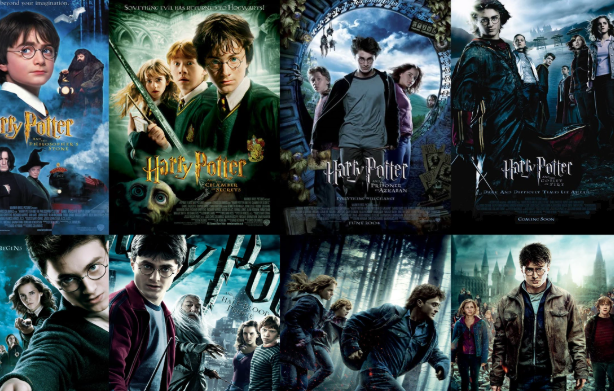
Stepping into the Wizarding World for the first time is akin to walking through a hidden brick wall into a realm of infinite possibility. Since the first silver-screen adaptation of the boy with the lightning-bolt scar, the cinematic journey of Harry Potter has become a cultural touchstone, defining a generation of storytelling. For the uninitiated, the sheer volume of films—spanning multiple eras, prequels, and a massive two-part finale—can feel as daunting as a final exam in Advanced Arithmancy. However, the beauty of this franchise lies in its meticulous progression, as we watch the actors and the world itself age, darken, and mature in real-time.
Watching the Harry Potter movies in order is more than just a chronological necessity; it is an emotional experience. The series transitions from a whimsical, wide-eyed children’s fantasy into a gritty, complex war drama that explores the nuances of political corruption, the weight of grief, and the ultimate power of choice. This guide provides a comprehensive roadmap through the eight core films and the expanded cinematic universe, ensuring you don’t miss a single horcrux or hidden detail along the way. Whether you are preparing for a weekend-long marathon or introducing the magic to a new fan, this is the definitive sequence to follow.
1. The Sorcerer’s Stone: A Masterclass in Magical World-Building
The journey begins with a sense of wonder that remains unparalleled in modern cinema. This first entry introduces us to Harry Potter, an eleven-year-old orphan living a miserable life with his neglectful relatives, the Dursleys. When a giant named Hagrid delivers a letter from Hogwarts School of Witchcraft and Wizardry, the film shifts from the drab, grey tones of the Muggle world into a vibrant, golden-hued sanctuary of magic. The direction captures the sheer scale of the Wizarding World, from the bustling shops of Diagon Alley to the breathtaking first sight of the Hogwarts castle.
This film is essential because it establishes the foundational rules of magic and the core relationships that drive the entire decade-long narrative. We meet the studious Hermione Granger and the loyal Ron Weasley, forming the iconic trio that serves as the heart of the saga. While the plot focuses on the mystery of a hidden object protected by a three-headed dog, the real magic lies in the discovery of the “Boy Who Lived” mythos. It sets the stage for the recurring battle against the specter of Lord Voldemort, all while maintaining a cozy, “evergreen” atmosphere of childhood adventure that makes it a perfect entry point for viewers of all ages.
2. The Chamber of Secrets: Deepening the Lore and Darker Shadows
The second film in the sequence maintains the whimsical aesthetic of the first but begins to introduce the darker, more institutionalized prejudices of the magical world. When students are found “petrified” throughout the school, Harry and his friends must uncover the history of the Chamber of Secrets—a legendary vault built by one of the school’s founders, Salazar Slytherin. This film introduces the concept of “blood purity,” an ideology that serves as a central theme throughout the rest of the franchise.
From a cinematic standpoint, the stakes are significantly higher here. We see the introduction of Dobby the House-Elf, the terrifying Basilisk, and the first “memory” version of Tom Riddle. The story uses these elements to build a bridge between Harry’s current life and the dark history of his nemesis. It’s a film about heritage and legacy, questioning whether one’s ancestors define their future. The atmosphere begins to shift toward a gothic mystery, proving that Hogwarts is just as dangerous as it is enchanting. This entry is vital for understanding the origins of Voldemort and the long-standing tensions between the Four Houses of Hogwarts.
3. The Prisoner of Azkaban: A Stylistic Pivot Toward Mature Storytelling
Widely considered a turning point in the franchise, the third film introduces a distinct visual and emotional shift. The primary colors of the earlier films are replaced by a cooler, more atmospheric palette. The story moves away from the mystery of the “villain of the year” and focuses instead on Harry’s personal history and the truth about his parents’ deaths. The central threat is Sirius Black, a notorious prisoner who has escaped the wizarding prison, Azkaban, and is believed to be coming for Harry.
This film is a masterpiece of world-building because it expands the universe beyond the castle walls to the village of Hogsmeade and introduces the Dementors—soul-sucking creatures that represent depression and fear. It also introduces the concept of the Patronus Charm, a magical embodiment of hope. By utilizing time-travel mechanics and a more complex, non-linear narrative, the film challenges the audience to look beyond surface-level appearances. It serves as the bridge between the innocence of childhood and the complicated reality of adolescence, making it a favorite for many longtime fans who appreciate the depth of its storytelling and the evolution of its characters.
4. The Goblet of Fire: The End of Innocence and the Dark Lord’s Return
The fourth installment is the “Coming-of-Age” epic of the series. Centered around the Triwizard Tournament—a dangerous magical competition between three different schools—the film balances the awkwardness of teenage romance and the Yule Ball with a looming, existential threat. Harry is unexpectedly entered into the tournament, forcing him to face challenges far beyond his skill level. This film effectively broadens the scope of the Wizarding World, showing us that magic exists globally and that other cultures have their own traditions and hierarchies.
The climax of this film is perhaps the most pivotal moment in the entire timeline. The transition from a sporting competition to a ritualistic graveyard scene marks the physical return of Lord Voldemort. For the first time, the danger is no longer a shadow or a memory; it is a tangible, terrifying man. The loss of a student during the finale shatters the protective bubble of Hogwarts, signaling to the characters and the audience that the “fun” adventures are over. From this point forward, the series becomes a war story, and the “order” of the movies moves into a much darker, high-stakes political landscape.
5. The Order of the Phoenix: Rebellion and the Weight of Authority
As the fifth film begins, the Wizarding World is in a state of civil war, though not everyone is willing to admit it. This entry focuses heavily on the Ministry of Magic’s denial of Voldemort’s return and the psychological toll this gaslighting takes on Harry. The introduction of Dolores Umbridge—a bureaucratic villain who is arguably more hated than Voldemort himself—serves as a brilliant critique of institutional corruption and the suppression of truth.
The film is characterized by the formation of “Dumbledore’s Army,” a secret student group dedicated to learning defensive magic. This emphasizes the theme of grassroots rebellion and the idea that the younger generation must sometimes lead when their elders fail. The emotional core of the film is Harry’s relationship with his godfather, Sirius Black, and the devastating loss he faces during the climactic battle at the Department of Mysteries. The visual effects in the final duel between Dumbledore and Voldemort remain some of the most impressive in the franchise, showcasing the raw, elemental power of magic when wielded by masters.
6. The Half-Blood Prince: Secrets, Sorrows, and the Path to the End
The sixth film serves as a “calm before the storm,” focusing on character development and the tragic history of Tom Riddle. While the romantic subplots of the students provide some much-needed levity, the overarching narrative is focused on Albus Dumbledore and Harry’s mission to uncover the secret to Voldemort’s immortality: the Horcruxes. The film’s aesthetic is somber and sickly, reflecting the decay of the world as the Dark Lord’s influence spreads.
This entry is essential for understanding the complexity of Severus Snape, whose true loyalties remain the series’ greatest enigma. The relationship between Harry and Dumbledore reaches its peak here, shifting from a student-teacher dynamic to one of partners in a desperate mission. The film’s shocking conclusion, involving the death of a major character on the Astronomy Tower, leaves the protagonists (and the audience) feeling completely vulnerable. It sets the stage for the final act, ensuring that the final movies are not about school, but about survival and the search for the fragments of a broken soul.
7. The Deathly Hallows – Part 1: The Isolation of the Hunt
In a bold departure from the previous six films, the seventh entry leaves Hogwarts behind entirely. Harry, Ron, and Hermione are on the run, living in tents and traveling across the desolate landscapes of Great Britain to find and destroy Voldemort’s Horcruxes. The film has the feel of a psychological thriller or a “road movie,” emphasizing the isolation, paranoia, and exhaustion that comes with being an outlaw. The friendship between the trio is tested to its breaking point, showing that even the strongest bonds can fray under the weight of an impossible task.
The film introduces the legend of the Deathly Hallows—three magical objects that, if united, make someone the “Master of Death.” This adds a layer of folklore to the series, providing a secondary quest that tempts Harry to abandon his mission for the sake of power. The pacing is deliberate, allowing the audience to feel the heavy burden the characters are carrying. The film ends on a heartbreaking note with the death of a beloved companion, driving home the reality that victory requires immense sacrifice. It is the perfect setup for the explosive conclusion that follows.
8. The Deathly Hallows – Part 2: The Epic Finale and the Battle of Hogwarts
The eighth and final film in the core series is an all-out war epic. The narrative focuses almost entirely on the Battle of Hogwarts, where the students, teachers, and members of the Order of the Phoenix make their final stand against Voldemort’s army. Every character arc that began in the first film is brought to a resolution here. We see the bravery of Neville Longbottom, the tragic truth of Severus Snape’s past, and Harry’s ultimate realization that he must face death to save his friends.
The film manages to balance massive, cinematic scale with intimate, emotional moments. The final duel between Harry and Voldemort is the culmination of years of buildup, and the victory is won not through superior power, but through a deep understanding of the “ancient magic” of sacrifice. The epilogue, set nearly two decades later, provides a sense of closure that is rare in long-running franchises. It proves that despite the darkness, life goes on and the magic remains. Watching this film is the essential final step in the chronological journey of Harry Potter’s life.
9. The Fantastic Beasts Trilogy: A Global Prequel Adventure
To truly complete the “order” of the movies, one must look at the prequel series that explores the Wizarding World decades before Harry Potter was born. These films follow Newt Scamander, a magizoologist, as he becomes embroiled in the global conflict between Albus Dumbledore and the dark wizard Gellert Grindelwald. These movies expand the lore significantly, showing us the magical communities in New York, Paris, and Berlin, and introducing the concept of the Obscurus.
While these films differ in tone from the original eight, they provide essential context for the history of the Dumbledore family and the origin of the Deathly Hallows quest. Seeing a younger, more conflicted Dumbledore adds layers to his character in the original series. For viewers who want the full “Lore Order,” these films are often watched first, as they set the political and social stage for the rise of Voldemort. However, for first-time viewers, they are best enjoyed as an “expansion pack” that enriches the world after the main story has been completed.
10. Viewing Strategies: Release Order vs. Chronological Lore
When determining the “best” order to watch these films, two schools of thought exist. The most common and recommended path is the Release Order (The 8 Harry Potter films, followed by the Fantastic Beasts series). This allows you to experience the magic just as the world did, growing up with the characters and discovering the mysteries in the sequence they were intended to be revealed. It preserves the “twists” and ensures that the emotional impact of the finale isn’t diluted by prior knowledge from the prequels.
Alternatively, the Chronological Lore Order (Starting with Fantastic Beasts and ending with Deathly Hallows Part 2) offers a unique perspective on the rise and fall of dark wizards over the span of a century. This order highlights the cyclical nature of history and the recurring themes of power and prejudice. Whichever order you choose, the consistency of the world-building and the heart of the characters remain the defining features of this cinematic journey. The Harry Potter movies are an evergreen treasure, designed to be watched, re-watched, and passed down to the next generation of seekers.
Further Reading
- The Archive of Magic: The Film Wizardry of Fantastic Beasts: The Crimes of Grindelwald by Signe Bergstrom
- Harry Potter: Page to Screen: The Complete Filmmaking Journey by Bob McCabe
- The Art of Harry Potter by Marc Sumerak
- Harry Potter: Film Wizardry by Brian Sibley
- Unlock the Magic: The Ultimate Guide to Watching the Harry Potter Movies in Perfect Order
- The Boy Who Lived Returns: Everything We Know About the Epic Harry Potter TV Series Adaptation
- Beyond the Seven Books: The Definitive Chronological Journey Through the Harry Potter Universe
- The Boy Who Lived: The Ultimate Guide to the Harry Potter Saga and Its Hidden Depths
- 10 Things You Should Know About Fantastic Beasts: The Secrets of Dumbledore (2022)
- 10 Things You Should Know About Fantastic Beasts: The Crimes of Grindelwald (2018)
- 10 Things You Should Know About Fantastic Beasts and Where to Find Them (2016)
- 10 Things You Should Know About Harry Potter and the Deathly Hallows – Part 2 (2011)
- 10 Things You Should Know About Harry Potter and the Deathly Hallows – Part 1 (2010)
- 10 Things You Should Know About Harry Potter and the Half-Blood Prince (2009)



