
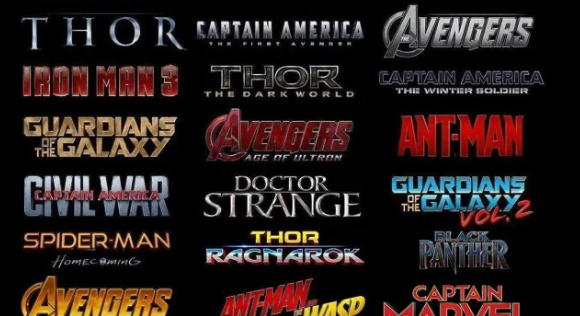
One of the most ambitious experiments in cinematic history isn’t just about the heroes on screen—it is about the meticulous, rhythmic way their stories were shared with the world. For anyone looking to dive into the Marvel Cinematic Universe (MCU), the most common question is: “Where do I start?” While watching chronologically by in-universe dates is a popular choice, the release order is how the creators intended the audience to experience the mystery, the post-credit reveals, and the steady escalation of stakes.
Following the release order allows you to grow alongside the characters, experiencing the same “water cooler moments” that defined a generation of filmmaking. It is a journey that began with a single man in a metal suit and has since expanded into a sprawling multiverse of gods, monsters, and alternate realities. This guide breaks down the release structure of the MCU into ten definitive pillars, ensuring you understand the narrative logic behind every Phase and every crossover.
The 10 Essential Pillars of the MCU Release Order
1. Phase One: The Assembly of the Original Icons
The release order begins with a period of high-stakes experimentation. This era focused on introducing the core members of the “Avengers” team through individual standalone films. The logic here was simple: build a foundation of beloved characters before asking the audience to care about them as a group. Starting with the high-tech origins of a billionaire inventor, the release schedule then moved to the gamma-radiated struggle of a scientist, the arrival of a Norse god on Earth, and the historical heroism of a World War II soldier.
This sequence was revolutionary because it utilized “post-credit scenes” to tease a larger world. By the time the heroes finally united in a massive crossover event, the audience already had an emotional investment in each person on the team. This phase proved that a shared universe could function in cinema just as it did in the pages of a comic book. It established the “Phase” system as a way to categorize narrative chapters, ending this first volume with the definitive “First Assembly” that changed the landscape of blockbusters forever.
2. Phase Two: Technological Threats and Galactic Horizons
Once the core team was established, the release order shifted toward expanding the boundaries of the universe. This era is characterized by the fallout of the first major team-up. The stories followed the heroes as they dealt with the psychological and physical consequences of alien invasions. However, the release order also took a massive gamble by introducing a group of cosmic misfits who had no prior connection to the Earth-based heroes.
This shift into “space opera” territory was a critical moment in the release schedule. It signaled to the audience that the MCU was not just about New York City or even Earth; it was about the entire cosmos. As the films progressed, the narrative threads began to tighten around the mystery of the elemental crystals known as the Infinity Stones. This phase also explored the dangers of unchecked artificial intelligence and the weight of legacy, concluding with a smaller-scale, heist-inspired story that served as a “palette cleanser” before the massive conflicts of the future.
3. Phase Three: The Climax of the Infinity Saga
Many fans consider this the “golden era” of the release order. This phase was significantly longer and more ambitious than the previous two, featuring a rapid-fire succession of films that escalated the stakes to a universal level. The release strategy here was to introduce “magic” and “multiversal” concepts while simultaneously fracturing the central team of heroes through internal political conflict. This made the heroes vulnerable just as the ultimate antagonist of the saga began his active quest for the Infinity Stones.
The release of these films was meticulously timed to build tension. We saw the introduction of a high-tech African kingdom, the arrival of a sorcerer supreme, and the debut of a teenage web-slinger, all leading toward a massive two-part event that concluded the decade-long story of the Infinity Stones. The release order during this time was designed to feel like a countdown. Every film added a crucial piece to the puzzle, resulting in a cinematic conclusion that felt earned through years of patient world-building and character development.
4. The Transition to Episodic Television: The Disney+ Era
A major evolution in the MCU release order occurred when the story expanded from the big screen to long-form, episodic television. Following the conclusion of the first major saga, the narrative shifted toward exploring the immediate aftermath of universal trauma through television series. This allowed for deeper character studies that a two-hour movie simply couldn’t provide. The release schedule began to alternate between theatrical releases and streaming series, making the MCU a year-round narrative experience.
This period was essential for fleshing out supporting characters who had previously lived in the shadows of the main icons. By using the release order to interweave TV shows with movies, the creators created a more immersive “transmedia” experience. A character’s journey might begin in a series and conclude in a film, or vice-versa. This strategy kept the audience engaged during the gaps between major cinematic releases and allowed the universe to experiment with different genres, such as sitcom parodies, legal comedies, and psychological thrillers.
5. Phase Four: Processing Grief and the Multiversal Spark
In the wake of a massive universal conflict, the release order entered a period of transition and mourning. This era focused heavily on how the world—and the surviving heroes—coped with loss. The release schedule introduced a “New Generation” of heroes while providing closure for the original members of the team. This phase was also the official starting point for the “Multiverse Saga,” as the release of various films and shows began to tear at the seams of reality itself.
Unlike the previous phases, this era felt more experimental and diverse. The release order introduced ancient protector beings, master martial artists, and deities from various cultures. The logic was to broaden the scope of what a “superhero” could be. By the end of this phase, the concept of alternate realities and “variants” of familiar characters had been firmly established, setting the stage for a new kind of threat that could come from anywhere in the infinite timelines.
6. Special Presentations: The Power of Short-Form Cinema
As the release order grew more complex, the creators introduced a new format: the “Special Presentation.” These are standalone, mid-length stories that usually focus on a specific theme or a holiday. This release strategy allowed the MCU to explore niche corners of the universe—such as the supernatural or the purely comedic—without the pressure of a full-length feature film or an entire TV season.
These presentations are often used as “world-building snapshots.” They might introduce a character who will become important later or simply provide a fun, self-contained adventure. By including these in the release schedule, the MCU maintains a sense of variety. It reminds the audience that the universe is vast enough to accommodate small, intimate stories alongside its massive cosmic battles. This format has been particularly effective for exploring the “horror” and “supernatural” elements of the comics that hadn’t found a place in the main theatrical releases.
7. Phase Five: New Alliances and Subatomic Stakes
The release order continued to evolve by diving deeper into the “micro-verse” and the “cosmic-verse” simultaneously. This era is defined by the crystallization of the new status quo. The heroes are no longer just fighting for their lives; they are fighting to understand the rules of a changing reality. The release schedule during this period focused on “legacy” characters taking on their predecessors’ roles while new teams began to form in the shadows.
This phase also emphasized the “connective tissue” of the Multiverse Saga. Characters who were introduced in television series began to cross over into major theatrical films, rewarding fans who had kept up with the entire release order. The stakes shifted from Earth-bound politics to the survival of the timeline itself. This era served as the “bridge” between the initial exploration of the multiverse and the massive, reality-shattering events that were looming on the horizon.
8. The Animated Frontier: Infinite Variations on a Theme
Animation has become a vital pillar of the MCU release order. By utilizing animated series, the creators can explore “What If?” scenarios that would be too expensive or logistically difficult to produce in live-action. These series are not just “side stories”; they are integral to the understanding of the Multiverse. They introduce the concept of a “Watcher” who observes the infinite branching paths of history.
The release of these animated projects often mirrors the themes of the live-action films. For example, an animated series might explore a specific alternate reality that is later referenced in a theatrical release. This layering of content makes the release order feel more like a three-dimensional web than a simple line. It allows for the return of iconic voices and the exploration of wildly different art styles, ensuring that the MCU remains visually and narratively fresh for all types of viewers.
9. The Integration of Legacy and Street-Level Heroes
One of the most exciting developments in the recent release order is the formal integration of “street-level” heroes and characters from legacy franchises. For a long time, the MCU focused on global and cosmic threats, but the release schedule eventually shifted back to the gritty, grounded stories of the city. This involved bringing back fan-favorite characters from previous television iterations and making them official parts of the main cinematic timeline.
This pillar of the release order is about “tonal variety.” It ensures that for every story about a god fighting in space, there is a story about a lawyer-turned-vigilante fighting for justice in a neighborhood. This diversity of scale is what keeps the universe feeling “lived-in.” The release of these grounded projects provides a necessary contrast to the high-concept multiversal chaos, reminding the audience that the “little guy” still matters in a world of giants.
10. Phase Six: The Road to the Grand Conclusion
The current trajectory of the release order is leading toward a definitive climax for the Multiverse Saga. This final phase is designed to bring every disparate thread—from the cosmic heroes and the street-level vigilantes to the multiversal variants—into a singular, massive conflict. The release schedule for this era is built around the idea of “The Final Stand,” where the stakes are the existence of reality itself.
This phase introduces the “First Family” of the universe and prepares the audience for a collision of worlds. The release order is intended to feel like the final acts of a grand play. Every project released in this window is a building block toward a finale that promises to redefine the universe once again. Just as the first era ended with a battle for a single city, this era is designed to end with a struggle for the survival of the infinite multiverse, bringing the entire release journey full circle.
Further Reading
- The Story of Marvel Studios: The Making of the Marvel Cinematic Universe by Tara Bennett and Paul Terry
- Marvel Studios: The Marvel Cinematic Universe An Official Timeline by Anthony Breznican, Amy Ratcliffe, and Rebecca Theodore-Vachon
- Marvel Encyclopedia (New Edition) by Stephen Wiacek and Adam Bray
- MCU: The Reign of Marvel Studios by Joanna Robinson, Dave Gonzales, and Gavin Edwards



