
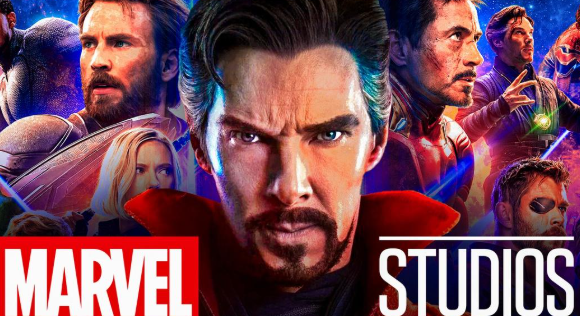
Stepping into the Marvel Cinematic Universe (MCU) for the first time is like standing at the edge of a vast, shimmering ocean. With dozens of films, streaming series, and specials spanning galaxies and dimensions, it’s easy to feel a sense of “continuity dread.” Where do you put your foot down first? Do you start at the very beginning of the timeline, or do you jump in where the water is warmest? The beauty of this shared universe is that it isn’t a single straight line; it is a sprawling web of stories where every thread eventually connects to a grander design.
For a newcomer, the MCU is more than just a collection of “superhero movies.” It is a modern mythology that blends high-tech espionage, cosmic opera, mystical fantasy, and relatable human drama. Whether you are drawn to the snarky brilliance of a billionaire inventor or the regal duty of a hidden kingdom, there is a path designed just for you. This guide is your compass through the multiverse, breaking down the ten most effective entry points to help you navigate this cinematic phenomenon without getting lost in the weeds.
10 Essential Entry Points to the Marvel Cinematic Universe
1. The Iron Foundation: Starting with the Golden Standard
If you want to understand the DNA of the entire universe, there is no better place to start than with the story of the billionaire industrialist who built a suit of armor in a cave. This first entry point is the “Big Bang” of the MCU. It established the tone that would define a decade of storytelling: a perfect balance of grounded character stakes, witty dialogue, and spectacular action. By starting here, you witness the birth of the “Marvel Formula,” where the hero’s personality is just as important—if not more so—than their superpowers.
Starting with the first solo film of the armored avenger allows you to experience the world-building in the same way the original audiences did. You see the subtle hints of a larger world, the first mentions of secret government agencies, and the slow realization that this hero is not alone. This path is recommended for those who appreciate seeing a legacy built from the ground up. It provides the necessary context for why this specific character remains the moral and technological anchor for almost every story that follows, ensuring that later “team-up” moments carry the maximum emotional weight.
2. The First Assembly: The Quick-Start Team-Up Shortcut
For those who find the prospect of watching a dozen solo films daunting, the first major “crossover” event serves as a fantastic alternative entry point. This story functions as a “Super Bowl” of cinema, bringing together the core icons—the soldier, the god, the monster, and the billionaire—into one explosive narrative. While you might miss some minor backstories, the film is expertly written to introduce the personalities and abilities of each hero within the first twenty minutes. It is a high-octane introduction to the concept of the “shared universe.”
Starting with the assembly allows you to see the “Big Picture” immediately. You get to witness the friction and eventual synergy of the team as they face an extraterrestrial invasion in the heart of a major city. This entry point is ideal for viewers who want to see the “best of the best” right away. It serves as a narrative hub; if you find yourself fascinated by the Norse god’s family drama or the super-soldier’s fish-out-of-water struggle, you can then “branch out” and watch their individual solo films to fill in the gaps. It turns your viewing experience into a customizable adventure.
3. The Galactic Side-Quest: A Fresh Start in Deep Space
If capes and secret agents feel a bit too traditional for your tastes, your best entry point might be billions of miles away from Earth. The “Cosmic Side-Quest” path introduces a group of interstellar outlaws who are far from your typical heroes. This starting point is a complete tonal shift, embracing the “Space Opera” genre with a vibrant color palette, a retro-inspired soundtrack, and a heavy dose of irreverent humor. Because these characters operate in deep space, they are largely disconnected from the complicated politics of the Earth-based heroes for a long period.
This entry point is perfect for beginners who want a self-contained story that doesn’t require any homework. You don’t need to know who the billionaire inventor is to appreciate a talking raccoon or a sentient tree. By starting here, you get a front-row seat to the “Cosmic” side of the universe, which becomes increasingly important in later sagas. It showcases the MCU’s ability to reinvent itself and proves that the universe is big enough to include both gritty urban vigilantes and colorful galactic guardians. It’s a low-pressure, high-reward gateway into the lore.
4. The Tactical Entry: Espionage and Political Thrills
Some viewers prefer their heroics with a side of political intrigue and high-stakes espionage. If you enjoy “spy thrillers” more than “comic book movies,” starting with the second solo outing of the First Avenger is a masterful choice. This entry point shifts the focus away from aliens and gods and toward the shadows of global security and government conspiracy. It re-introduces the world through the eyes of a soldier who realizes that the agency he works for may not be what it seems.
The tactical entry point is often cited as a favorite for those who value tight plotting and intense, grounded choreography. It introduces key characters who will become the backbone of the “street-level” and “government-level” stories for years to come. By starting here, you bypass some of the more fantastical elements of the early phases and dive straight into a narrative that feels like a modern-day thriller. It provides a sophisticated look at the MCU, proving that these stories can tackle complex themes of liberty, security, and personal loyalty without losing their sense of wonder.
5. The Mystic Portal: Diving into Magic and Mystery
If you find science and technology boring, perhaps the “Mystic Portal” is your ideal beginning. This path introduces the concept of sorcery, alternate dimensions, and the “Sorcerer Supreme.” It follows a brilliant but arrogant surgeon who, after a life-altering accident, seeks healing in a hidden Himalayan enclave and discovers that reality is far more fragile than he ever imagined. This entry point is visually stunning, featuring mind-bending “mirror dimensions” and sequences that feel more like fantasy than traditional science fiction.
Starting with the mystic side of the universe allows you to skip the military and industrial storylines and head straight into the metaphysical. It establishes the “hidden world” that exists alongside the one we know. This is a crucial entry point for understanding the later “multiversal” conflicts that define the more recent eras of the MCU. It introduces a hero who uses intellect and ancient relics rather than physical strength, offering a unique perspective for beginners who are fans of the supernatural or high fantasy genres.
6. The Street-Level Grittiness: Urban Justice and Real-World Stakes
Not every hero is fighting for the fate of the galaxy; some are just trying to save their own neighborhood. For beginners who prefer a darker, more “R-rated” tone, starting with the “Street-Level” stories is a viable and compelling path. These narratives focus on the underbelly of major cities, where vigilantes face off against mob bosses and corrupt politicians. This entry point is characterized by visceral action, complex moral dilemmas, and a slower, more deliberate pace that allows for intense character development.
This path is a “hidden door” into the MCU. While these characters eventually interact with the larger universe, their initial stories are very self-contained. It’s the perfect starting point for viewers who want to see the “human cost” of living in a world of gods and aliens. By focusing on the lawyer by day and vigilante by night, or the master of the “iron fist,” you see a side of the universe that the theatrical films often overlook. It provides a grounded, gritty foundation that makes the eventually-introduced cosmic elements feel even more extraordinary by comparison.
7. The Legacy Path: Starting with the Next Generation
Sometimes, the best way to understand a history is to look at its legacy. The “Legacy Path” involves starting with the heroes who represent the future of the universe—characters like the king of a hidden African nation or the young web-slinger from Queens. These entry points are often “cultural touchstones” that stand perfectly well on their own. They introduce the themes of responsibility, heritage, and the burden of carrying on a name or a symbol that is bigger than oneself.
Starting here allows a beginner to feel the “weight” of the universe’s history without having to live through every second of it. You see the impact that previous heroes had on the world through the eyes of those they inspired. This path is especially effective for younger audiences or those looking for diverse perspectives and modern storytelling techniques. It highlights the MCU’s ability to evolve and stay relevant, showing that while the founding members may move on, the ideal of heroism is evergreen and belongs to everyone.
8. The Multiversal Leap: Jumping into Infinite Realities
For the most adventurous beginners, the “Multiversal Leap” involves jumping straight into the stories that deal with alternate realities and branching timelines. This is a “deep end” entry point, but it is also one of the most exciting. It introduces the idea that every choice creates a new universe, and that familiar characters can have vastly different lives in other dimensions. This path often involves “reality-bending” visuals and high-concept scientific theories that challenge the viewer’s imagination.
While this might seem overwhelming, many of these stories are designed to be “reintroductions.” They often recap the history of the “main” timeline while showing you what could have been. This entry point is ideal for fans of “What If?” scenarios and sci-fi enthusiasts. It places you at the cutting edge of the current narrative, where the stakes aren’t just about one world, but about existence itself. It’s a fast-track to the most modern and complex era of the MCU, perfect for those who want to see how the rules of the universe are being rewritten in real-time.
9. The Animation Gateway: A Stylized Introduction
Animation offers a unique and accessible gateway for those who want to dip their toes into the lore without committing to a live-action marathon. These series often explore “pivotal moments” in the timeline from a different perspective. One series in particular uses an “anthology” format to show how a single change in history could have altered the entire universe. This provides a “crash course” in Marvel history, introducing you to dozens of characters and concepts in a fraction of the time.
This gateway is visually distinct and allows for creative storytelling that live-action sometimes can’t achieve. It’s an excellent way for beginners to learn the “who’s who” of the universe in a fun, fast-paced environment. Because these stories are often narrated by a cosmic observer, they feel like being told a series of myths or legends. Once you find a character or a timeline that you love in animated form, you can then seek out their live-action counterparts for a deeper dive. It’s the ultimate “sampler platter” of the MCU.
10. The Chronological Gauntlet: The Long-Distance Run
Finally, for the true completionist, there is the “Chronological Gauntlet.” This involves watching the events of the universe as they happened in time, starting with the super-soldier’s origins in the 1940s and ending with the most recent multiversal conflicts. This path is a massive commitment, but it offers the most cohesive understanding of the “History of the MCU.” You see the ripples of the past affecting the future in a way that release-order viewers often miss.
The Chronological Gauntlet turns the MCU into a single, epic historical saga. You watch technology advance, secret organizations rise and fall, and the cosmic balance of power shift over decades of in-universe time. This entry point is recommended for those who have a lot of time on their hands and a desire to see the “Full Picture.” It is the most rewarding way to experience the world-building, as every “Easter egg” and reference lands with its intended impact. It’s not just watching movies; it’s witnessing the construction of a whole new reality, piece by painstaking piece.
Further Reading
- Marvel Studios: The Marvel Cinematic Universe An Official Timeline by Anthony Breznican, Amy Ratcliffe, and Rebecca Theodore-Vachon
- The Story of Marvel Studios: The Making of the Marvel Cinematic Universe by Tara Bennett and Paul Terry
- Marvel Encyclopedia (New Edition) by Stephen Wiacek and Adam Bray



