
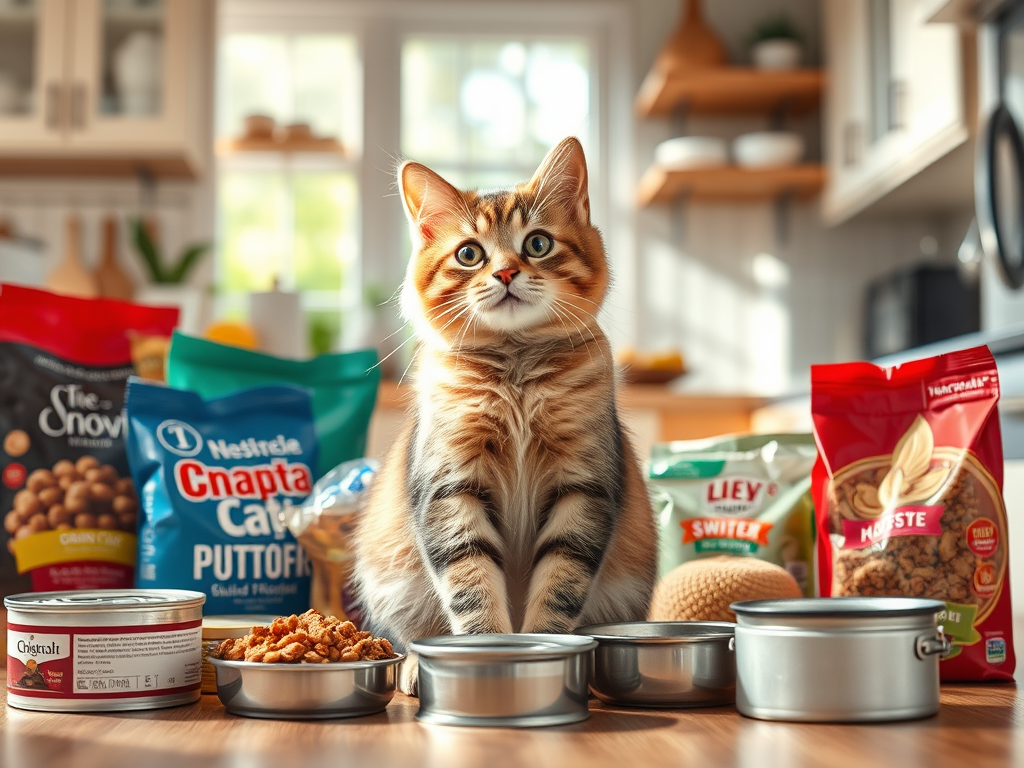
As devoted cat owners, we want nothing but the best for our feline companions. This often translates to carefully selecting their food. However, the world of cat nutrition is rife with misinformation, perpetuated by clever marketing, anecdotal evidence, and outdated beliefs. Falling prey to these myths can not only drain your wallet but, more importantly, negatively impact your cat’s long-term health and well-being. Let’s debunk ten common cat food myths that might be costing you dearly in both finances and feline vitality.
1. Myth: Grain-Free Food is Inherently Healthier for All Cats.
Reality: The grain-free trend, fueled by the idea that cats are obligate carnivores and thus shouldn’t eat grains, isn’t universally applicable. While cats do require a meat-based diet, moderate amounts of easily digestible grains like rice or oats can be a source of fiber and other nutrients. For most healthy cats, well-formulated foods containing grains are perfectly nutritious. Unless your cat has a diagnosed grain allergy or sensitivity (which is relatively rare, according to veterinary dermatologists [Mueller et al., 2016]), opting solely for grain-free options can be unnecessarily expensive. Some grain-free diets also compensate for the lack of grains with higher levels of plant-based proteins or carbohydrates that may not be ideal for all cats.
2. Myth: Raw Food Diets are Always Superior.
Reality: Raw food diets have gained popularity, with proponents claiming they are more “natural” and offer superior health benefits. While a carefully formulated raw diet can be nutritionally sound, it also carries significant risks if not properly balanced and handled. Potential dangers include bacterial contamination (like Salmonella and E. coli), nutritional imbalances (if not formulated by a veterinary nutritionist), and the risk of bone fragments causing internal damage. High-quality commercial cat foods undergo strict safety and nutritional testing to mitigate these risks. Raw diets can also be considerably more expensive and time-consuming to prepare safely. Consult your veterinarian before considering a raw diet to ensure it’s appropriate for your cat’s individual needs and that you understand the necessary safety precautions.
3. Myth: Dry Food is Bad for Cats and Causes Kidney Problems.
Reality: This is a widespread misconception. While it’s true that dry food has a lower moisture content than wet food, it doesn’t inherently cause kidney problems in healthy cats. Cats can obtain sufficient hydration through drinking water, especially when fed a balanced diet. High-quality dry foods are formulated to be nutritionally complete. However, ensuring your cat has access to fresh water at all times is crucial, regardless of the type of food they eat. For cats with pre-existing kidney issues, a higher moisture content in wet food can be beneficial, but this is a specific dietary recommendation, not a general condemnation of dry food. The quality and formulation of the food are far more critical than its texture.
4. Myth: All “Premium” or “Natural” Cat Foods Are Worth the Higher Price.
Reality: The terms “premium” and “natural” on pet food labels are often marketing terms and don’t always guarantee superior nutritional quality. These labels can sometimes command a higher price without necessarily offering significantly better ingredients or nutritional balance than more affordable options. It’s essential to look beyond the marketing claims and scrutinize the ingredient list and guaranteed analysis. Look for foods that meet the nutritional standards set by the Association of American Feed Control Officials (AAFCO) and contain high-quality protein sources. Consulting your veterinarian can help you navigate the marketing jargon and choose a food that truly meets your cat’s needs without breaking the bank.
5. Myth: Cats Need Milk.
Reality: While kittens can digest lactose in their mother’s milk, most adult cats become lactose intolerant. Feeding adult cats cow’s milk can lead to digestive upset, including diarrhea and vomiting. While some cats might tolerate small amounts, it offers little nutritional value and can contribute to weight gain. Fresh, clean water is the most appropriate and healthy beverage for adult cats. There are specially formulated “cat milk” products available that are lactose-free, but these should be considered treats and not a dietary staple.
6. Myth: Fish-Based Foods Are the Healthiest Option for Cats.
Reality: While many cats enjoy the taste of fish, a diet exclusively based on fish is not ideal. Some fish contain high levels of mercury and other heavy metals, and excessive consumption can lead to health problems. Additionally, fish-only diets can be deficient in certain essential nutrients, such as taurine (though most fish-based cat foods are supplemented with it). Furthermore, some cats can develop allergies or sensitivities to fish. While fish can be a good source of omega-3 fatty acids, it’s best offered in moderation as part of a balanced diet that includes other protein sources like chicken or turkey.
7. Myth: You Should Switch Your Cat’s Food Regularly to Prevent Allergies or Pickiness.
Reality: Frequent food switching can actually lead to digestive upset and finicky eating habits in cats. Cats thrive on consistency. Unless there’s a specific medical reason to change your cat’s food, sticking with a high-quality, well-tolerated diet is generally best. Food allergies in cats typically develop over time to a protein source they have been exposed to for a while. If a food change is necessary, it should be done gradually over 7-10 days to allow your cat’s digestive system to adjust.
8. Myth: Table Scraps Are a Good Way to Supplement Your Cat’s Diet.
Reality: While it can be tempting to share your meals with your feline friend, many human foods are unhealthy or even toxic for cats. Fatty, salty, or sugary foods can lead to digestive issues and weight gain. Onions, garlic, chocolate, grapes, and raisins are just a few examples of foods that can be harmful to cats. Additionally, feeding table scraps can encourage begging behavior and make your cat a picky eater. A balanced commercial cat food provides all the necessary nutrients in the correct proportions.
9. Myth: Overweight Cats Just Need Less Food of the Same Kind.
Reality: While reducing portion sizes is crucial for weight loss, simply feeding less of a calorie-dense food might not be the most effective or healthy approach for overweight cats. These foods may still be high in carbohydrates and fats, making it difficult for your cat to feel satiated and maintain muscle mass during weight loss. Specially formulated weight management cat foods are often lower in calories and fat and higher in protein and fiber to help cats lose weight safely and effectively while feeling fuller. Consult your veterinarian for guidance on the best weight loss plan for your cat.
10. Myth: Dry Food Cleans Cats’ Teeth Effectively.
Reality: While some specially formulated dental kibble can have a mild abrasive effect that helps reduce tartar buildup, dry food in general is not a substitute for proper dental care. Many cats swallow kibble whole without much chewing, negating any potential dental benefits. Furthermore, the carbohydrates in dry food can contribute to plaque formation. Regular tooth brushing, dental treats, and professional veterinary cleanings are far more effective in maintaining your cat’s oral health. Relying solely on dry food for dental care can lead to costly and painful dental issues down the line.
Conclusion
Navigating the world of cat food can be confusing, but arming yourself with factual information is the best way to make informed decisions that benefit both your wallet and your cat’s health. By debunking these common myths, you can avoid unnecessary expenses on trendy or inappropriate foods and focus on providing a balanced, high-quality diet that truly supports your feline companion’s long-term well-being. Always consult with your veterinarian for personalized dietary recommendations based on your cat’s individual needs, age, and health status.
Further Reading
- American Animal Hospital Association (AAHA) Nutritional Guidelines for Cats.
- American College of Veterinary Nutrition (ACVN) website.
- VeterinaryPartner.com (a reliable source of veterinary information).
- Scientific studies on feline nutrition published in peer-reviewed journals (e.g., Journal of Feline Medicine and Surgery).
- Consultations with a board-certified veterinary nutritionist.
Here at Zentara.blog, our mission is to take those tricky subjects and unlock them, making knowledge exciting and easy to grasp for everyone. But the adventure doesn’t stop on this page! We’re constantly exploring new frontiers and sharing discoveries across the digital universe.
Want to dive deeper into more mind-bending Top 10s and keep expanding your world? Come join us on our other platforms – we’ve got unique experiences waiting for you on each one!
- Get inspired by visual wonders and bite-sized facts: See the world through Zentara’s eyes on Pinterest! Pin our fascinating facts and stunning visuals to your own boards. Explore Pins on Pinterest: https://uk.pinterest.com/zentarablog/
- Discover quick insights and behind-the-scenes peeks: Hop over to Tumblr for snippets, quotes, and unique content you won’t find anywhere else. It’s a different flavour of discovery! Follow the Fun on Tumblr: https://www.tumblr.com/zentarablog
- Ready for deep dives you can listen to or watch? We’re bringing our accessible approach to video and potentially audio! Subscribe to our YouTube channel and tune into future projects that make learning pop! Subscribe on YouTube: https://www.youtube.com/@ZentaraUK
- Seeking even more knowledge in one place? We’ve compiled some of our most popular topic deep dives into fantastic ebooks! Find them on Amazon and keep the learning journey going anytime, anywhere. Find Our Ebooks on Amazon: https://www.amazon.co.uk/s?k=Zentara+UK&ref=nb_sb_noss
- Connect with us and fellow knowledge seekers: Join the conversation on BlueSky! We’re sharing updates, thoughts, and maybe even asking you what wonders we should explore next. Chat with Us on BlueSky: https://bsky.app/profile/zentarablog.bsky.social
- Perfect for learning on the move! We post multiple 10-minute podcasts per day on Spotify. Pop on your headphones and fill your day with fascinating facts while you’re out and about! Listen on Spotify: https://open.spotify.com/show/3dmHbKeDufRx95xPYIqKhJ
Every click helps us keep bringing honest, accessible knowledge to everyone. Thanks for exploring with us today – see you out there in the world of discovery!




Leave a Reply