
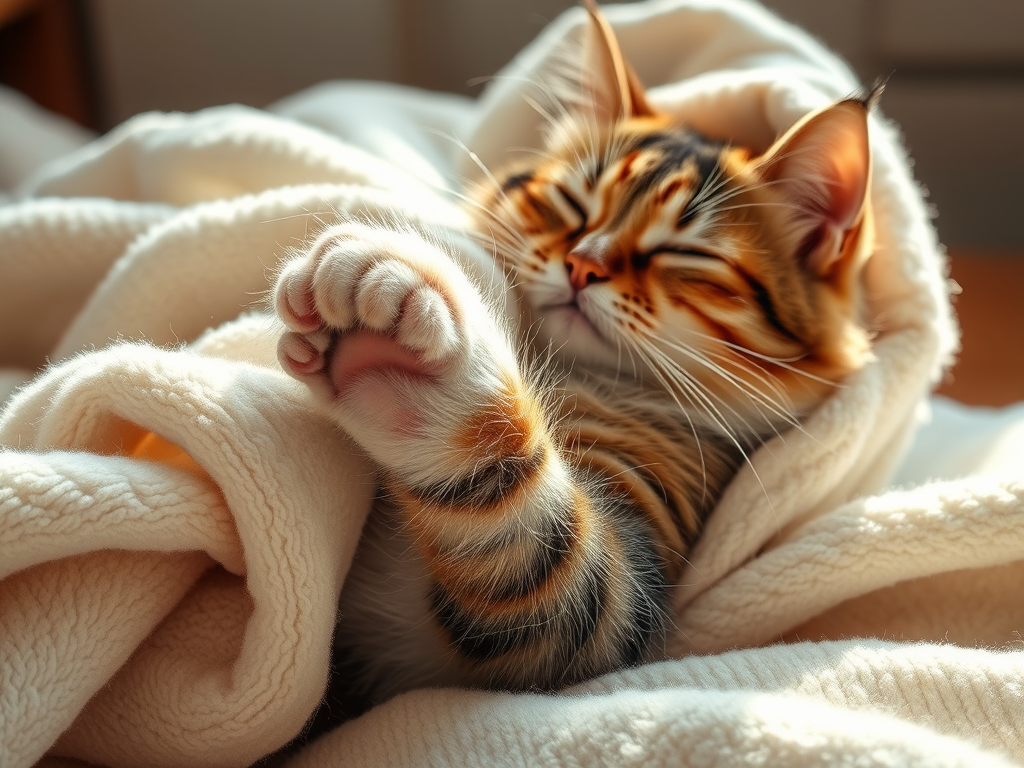
Cats are amazing creatures! One moment they’re curled up purring on your lap, and the next they’re chasing an invisible dust bunny with intense focus. They have so many unique behaviors that can leave us scratching our heads, wondering, “Why did they just do that?” If you’ve ever watched your cat “make biscuits” on your blanket, stare intently at nothing, or suddenly get a burst of wild energy, you’re not alone in your curiosity!
Understanding your cat’s strange and wonderful habits is like learning a secret language. Every purr, every tail twitch, every meow, and every kneading session is a clue to what your feline friend is feeling and thinking. By paying attention to these little signals, you can build an even stronger bond with your cat and truly understand their mysterious ways.
This article is going to dive into some of the most common and fascinating feline behaviors. We’ll explore why your cat kneads, what their purrs really mean, why they bring you “presents,” and so much more. Get ready to unlock the secrets of your furry companion and become the ultimate cat whisperer! Knowing these things will help you be an even better cat parent, making sure your feline friend is happy, healthy, and understood.
1. The Biscuit Maker: Why Does My Cat Knead Me?
One of the most common and endearing (though sometimes sharp!) cat behaviors is kneading, often called “making biscuits.” This is when your cat rhythmically pushes their paws, claws extended, into a soft surface, like your lap, a blanket, or even a soft toy. It looks just like someone kneading dough to make bread!
This behavior actually starts when cats are tiny kittens. When they nurse from their mother, kittens knead her tummy to help stimulate milk flow. It’s a comforting and familiar action that brings them warmth and safety. When adult cats knead, especially on you, it’s a huge sign that they feel incredibly happy, safe, and loved – just like they did with their mom. They’re telling you, “I feel safe and content with you!” It’s a sign of deep affection and trust. Sometimes, a super happy cat might even drool a little while kneading, which is another leftover habit from their kittenhood. So, next time your cat starts making biscuits, know that you’re making them feel incredibly comfortable and cherished.
2. The Mighty Rumble: Why Do Cats Purr?
That soft, rumbling sound your cat makes, the purr, is one of the most comforting sounds in the world. Most of the time, we hear it when our cat is curled up, getting pets, and seems completely content. And often, that’s exactly what it means: “I’m happy and relaxed!”
However, the purr is a bit more complex than just a happy sound. Cats can also purr when they’re stressed, in pain, or even when they’re healing. It’s thought that the low-frequency vibrations of a purr can actually help cats self-soothe and promote healing in their bones and tissues. Think of it like a cat’s own internal therapy! Kittens purr to let their mothers know they are okay and where they are. So, while a purr usually means contentment and affection, it’s also a powerful self-soothing tool. If your cat is purring in an unusual situation (like at the vet, or if they seem unwell), it might be their way of trying to feel better. Always observe their other body language to get the full story.
3. The Slow Blink: What is a Cat Kiss?
Have you ever noticed your cat looking at you, then slowly closing their eyes and slowly opening them again? This isn’t just them being sleepy! This “slow blink” is one of the most beautiful and subtle ways a cat shows affection and trust. It’s often called a “cat kiss” for a good reason.
In the feline world, direct, unblinking eye contact can be seen as a challenge or a threat. So, when your cat slowly blinks at you, they’re showing you that they feel completely safe and comfortable in your presence. They’re telling you, “I trust you, and I love you.” It’s a vulnerable gesture, as closing their eyes makes them temporarily unable to see a threat. The best part? You can “kiss” your cat back! Try slowly blinking back at them. If they return the slow blink, you’ve just shared a special moment of deep connection and mutual affection. It’s a purr-fect way to say “I love you” in cat language.
4. The Head Bunt and Cheek Rub: Marking You as Their Own
When your cat head-butts you gently or rubs their cheek against your leg, hand, or even your face, it’s not just a cute way of saying hello. They’re actually doing something very important in the cat world: scent marking! Cats have special scent glands on their cheeks, chins, forehead, and paws. These glands release natural scents (pheromones) that are invisible to us but very important to cats.
When your cat rubs their head or body against you, they’re depositing their unique scent onto you. This is their way of saying, “You are part of my family, and you belong to me!” It’s a sign of ownership and affection. They’re creating a shared “colony scent” with you and your home, which makes them feel safe and secure. It’s a huge compliment because it means they consider you a trusted member of their inner circle. So, next time your cat head-butts you, know that you’re being marked with their special “love scent”!
5. The “Present” Delivery: Why Do Cats Bring You Dead Animals?
Okay, this one might not feel like a “mystery” you want to solve, especially if you wake up to a “gift” on your pillow! But if your cat brings you a dead mouse, bird, or even a toy that they’ve “caught,” they’re not trying toGross you out. This behavior is rooted deeply in their natural hunting instincts and their affection for you.
Cats are natural predators, even if they get all their food from a bowl. They have an instinct to hunt and catch prey. When a mother cat teaches her kittens to hunt, she brings them “presents” – sometimes dead, sometimes still alive – to teach them how to eat and survive. When your cat brings you a “gift,” they’re essentially treating you like one of their kittens. They see you as part of their family, and they’re sharing their hunting success with you. It’s their way of providing for you and showing you how to “hunt.” While it might be a bit messy, try to see it as a sign of their love and care, even if you gently dispose of the “gift” later.
6. The Tail Tale: Decoding Cat Tail Language
A cat’s tail is like a mood ring, constantly moving and telling you how they’re feeling without saying a single word. Learning to read your cat’s tail signals is one of the best ways to understand their mood.
- Tail held high, with a slight curve or twitch at the tip (like a question mark): “I’m happy to see you and friendly!” This is a welcoming sign.
- Tail held straight up: “I’m confident and happy!” This shows they feel secure in their environment.
- Tail tucked between their legs: “I’m scared or insecure.” This cat is feeling vulnerable and might be trying to make themselves look smaller.
- Tail thrashing back and forth rapidly: “I’m agitated or annoyed!” This is a warning sign; they might be about to lash out or are overstimulated. It’s different from a dog’s happy tail wag.
- Tail “fluffed up” like a bottle brush: “I’m terrified and trying to look bigger!” This is a defensive posture, trying to scare away a perceived threat.
- Tail twitching gently at the tip: “I’m focused and alert.” This often happens when they’re watching something intently, like a bird outside the window.
Paying attention to your cat’s tail can help you know when it’s safe to approach for a cuddle or when it’s best to give them some space.
7. The Bathroom Companion: Why Do Cats Follow You There?
Many cat owners find their feline friends mysteriously following them to the bathroom. They’ll watch you brush your teeth, sit on the bathmat while you shower, or even jump onto the sink. It might seem strange, but there are a few good reasons for this curious behavior.
Firstly, the bathroom is often a quiet, contained space where you’re not distracted by your phone or other activities. This means you’re a “captive audience,” and your cat knows they can get your undivided attention! Secondly, cats are creatures of habit and routine. They might simply be curious about your routine and want to be part of it. The running water in the sink or shower might also be fascinating to them. Lastly, it often comes down to affection and a desire to be near you. Even independent cats love company, and the bathroom can be a place where they feel close to you without too many distractions. So, your cat isn’t judging your singing in the shower; they just want to hang out with their favorite human!
8. The Chattering Jaw: What’s with the Squirrel Talk?
Have you ever seen your cat sitting at a window, staring intently at a bird or squirrel, and making a strange chattering or chirping sound with their jaw? It looks like they’re trying to talk to the prey, or maybe they’re just really frustrated! This fascinating behavior is called “chattering” or “twittering.”
Scientists aren’t entirely sure why cats do this, but there are a few leading theories. One idea is that it’s an instinctive “mock kill” behavior. The cat is so excited and frustrated by not being able to reach the prey that they’re mimicking the killing bite. Another theory is that it’s a way for them to practice their hunting skills, strengthening the muscles they would use to dispatch prey. Some even suggest it’s a form of vocalization meant to mimic their prey, though this is less common. Whatever the exact reason, it’s a clear sign of intense excitement and hunting instinct, a reminder that even your cuddly house cat is a tiny, efficient predator at heart, even if they can’t quite get to their target.
9. The Zoomies: Sudden Bursts of Energy Explained
One minute your cat is peacefully sleeping, and the next, they’re tearing through the house at top speed, sliding around corners, batting at invisible foes, and generally acting like a furry tornado. These sudden bursts of wild energy are affectionately known as “the zoomies” or Frenetic Random Activity Periods (FRAPs).
Zoomies are completely normal and are often a sign of a healthy, playful cat. Cats are crepuscular, meaning they are most active during dawn and dusk. If your cat has been napping all day, they might be building up a lot of energy. When that energy needs to be released, it comes out in these explosive bursts. It’s a way for them to burn off excess energy, practice their hunting skills (even if it’s just chasing imaginary prey), and simply have fun. Providing your cat with toys, scratching posts, and opportunities for interactive play can help them release this energy in a healthy way. So, next time your cat gets the zoomies, enjoy the show – it’s just their way of staying fit and entertained!
10. The Lap Napper: Why Do Cats Choose You for Sleep?
There’s nothing quite like the feeling of your cat choosing your lap for a nap. It’s warm, comforting, and makes you feel incredibly special. But why do they choose you over a soft bed or a cozy blanket? It all comes down to trust, warmth, and security.
When your cat sleeps on you, they’re putting themselves in a vulnerable position. This means they feel absolutely safe and secure in your presence. They trust you completely to protect them while they’re sleeping soundly. Your body also provides warmth, which cats absolutely adore. Plus, they love your scent – it’s familiar and comforting to them. By choosing your lap, they’re not just getting a comfy bed; they’re reinforcing their bond with you, claiming you as their special person, and showing immense affection. It’s one of the highest compliments a cat can give, a clear sign that you are their chosen family and their favorite safe space in the whole wide world.
Further Reading
- How to Speak Cat: The Complete Guide to Decoding Your Cat’s Body Language by Aline Alexander Newman and Dr. Gary Weitzman
- The Cat Whisperer: Why Cats Do What They Do–and How to Get Them to Do What You Want by Mieshelle Nagelschneider
- Cat Sense: How the New Feline Science Can Make You a Better Friend to Your Pet by John Bradshaw
- Total Cat Mojo: The Ultimate Guide to Life with Your Cat by Jackson Galaxy
- Think Like a Cat: How to Raise a Well-Adjusted Cat–Not a Sour Puss by Pam Johnson-Bennett




Leave a Reply