
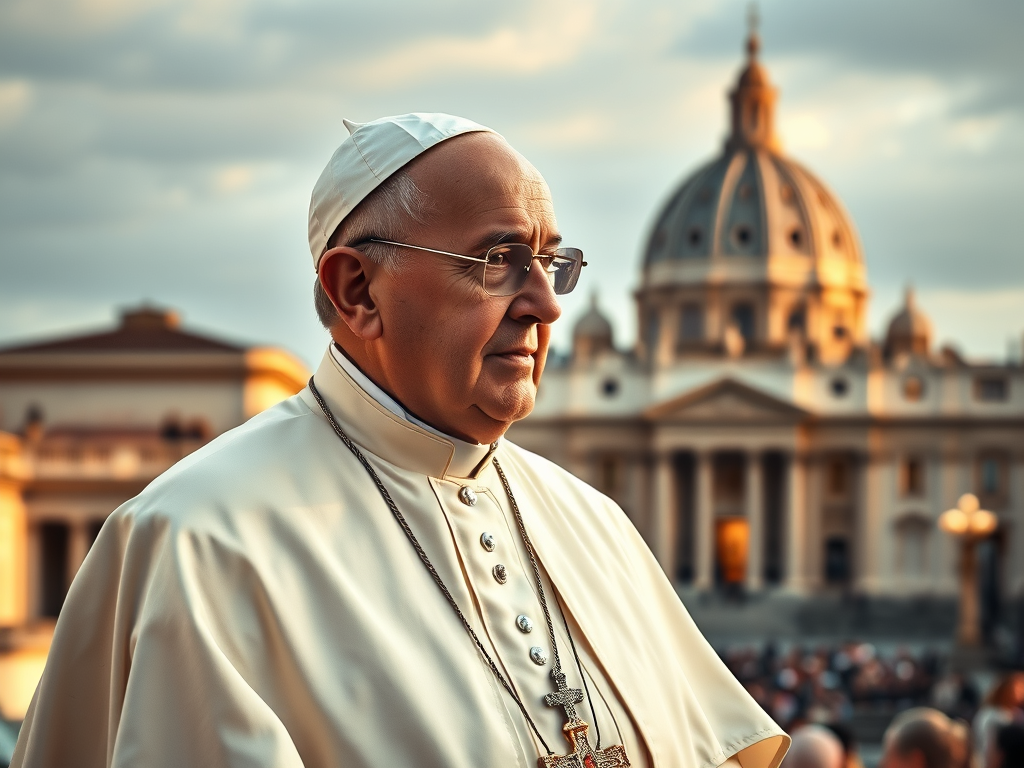
Imagine having a job where you live in your own tiny country, wear unique clothes, and are the spiritual leader for millions of people around the world! That’s just scratching the surface of what it’s like to be the Pope. The Pope is a really important figure, the head of the Catholic Church, and there’s a long history and lots of fascinating things about this role. It’s not just about fancy hats and big buildings; it’s a job with huge responsibilities and a rich past. Let’s dive into some of the most interesting facts about being the Pope, perfect for anyone curious about this unique position.
Being the Pope involves traditions that go back hundreds and hundreds of years, but also requires leading in the modern world. It’s a mix of history, faith, and connecting with people all over the globe. If you’ve ever wondered how someone becomes the Pope, what they actually do all day, or where they live, you’re in the right place. We’re going to explore some truly unique aspects of this job, from their special home to their surprising daily routines. Get ready to learn some cool new things!
1. The Pope Lives in His Own Country: Vatican City
Did you know the Pope lives in the smallest country in the world? It’s called Vatican City! This tiny country is like its own independent state right inside the city of Rome, Italy. Think of it like a special neighborhood that gets to make its own rules, has its own post office, its own police (called the Swiss Guard), and even its own bank. Living in Vatican City means the Pope isn’t just a religious leader, but also the head of state for this little country.
Vatican City is home to some incredible buildings, the most famous being St. Peter’s Basilica, a massive and beautiful church, and the Vatican Museums, which hold amazing art, including the Sistine Chapel with its famous painted ceiling. When you visit Vatican City, you need your passport stamped, just like entering any other country! This unique setup means the Pope has a special place to live and work, separate from the rest of the world, allowing him to focus on his role as the leader of the Catholic Church. It’s a fascinating blend of spiritual and political leadership, all within the walls of this unique city-state.
2. How is the Pope Chosen? It’s a Secret Election!
Becoming the Pope isn’t like applying for a regular job. It’s a really unique process! When a Pope passes away or decides to retire (which is very rare), Catholic Cardinals from all over the world gather in Rome for something called a “conclave.” This word comes from Latin and means “with a key,” because historically, they were locked inside until they made a decision! Today, they meet in the Sistine Chapel within Vatican City.
During the conclave, the Cardinals pray and discuss who they think would be the best person to lead the Church. They vote secretly, and the ballots are burned. If the smoke from the chimney is black, it means they haven’t chosen a Pope yet. But when they finally agree on someone with a two-thirds majority vote, the smoke is white! This white smoke, along with the ringing of bells, tells the world that a new Pope has been elected. It’s a moment of great excitement and anticipation for Catholics everywhere. The process is designed to be guided by faith and careful consideration, selecting a leader who they believe is best suited for this enormous role.
3. The Pope Gets a New Name
When a Cardinal is chosen to be the Pope, they usually pick a new name. This tradition started many centuries ago. It’s a way for the new Pope to mark the beginning of their time as the leader and often, the chosen name has special meaning. For example, a Pope might choose the name of a saint they admire or a previous Pope they wish to honor. It’s like starting a new chapter with a name that reflects their hopes or goals for their time in this important position.
Picking a new name is a significant moment. Pope Francis, for instance, chose his name in honor of Saint Francis of Assisi, known for his humility and dedication to the poor. This choice signals the new Pope’s priorities and the direction he hopes to lead the Church. While they could keep their birth name, taking a new one has become a strong tradition and a symbolic act of stepping into this unique and historic role. It helps connect them to the long line of Popes who have come before them, each with their own chosen name and legacy.
4. The Pope Wears Special Clothes
The Pope’s clothing is very distinct and has a lot of history behind it. The most recognizable part is the white cassock, which is a long, robe-like garment. This white color symbolizes purity. On top of the cassock, the Pope often wears a short cape called a mozetta, which can be red or white depending on the time of year. During ceremonies, the Pope might wear even more elaborate vestments, which are special robes and garments used in religious services.
The Pope’s headwear is also iconic. The zucchetto is a small skullcap, usually white for the Pope, that sits on the back of his head. For more formal occasions, he might wear a mitre, a tall, pointed hat with two lappets (pieces of fabric) hanging down the back. These clothes aren’t just for show; they are rich with symbolism and tradition, representing the Pope’s role as the spiritual leader and his connection to the long history of the Church. They help make the Pope instantly recognizable and highlight the unique nature of his position.
5. What Does The Pope Do Every Day? It’s a Busy Job!
You might wonder what a typical day is like for the Pope. It’s definitely not a boring job! The Pope’s days are usually packed with prayer, reading, writing speeches and documents, and meeting with people. He meets with world leaders, religious figures from other faiths, and many different groups of people who come to Vatican City. These meetings are important for discussing faith, peace, and global issues.
The Pope also spends time leading religious services, giving blessings, and writing important letters called encyclicals, which share his thoughts and teachings on important matters of faith and morality. He has staff who help him with his duties, including secretaries and advisors. Even with all the official work, the Pope also makes time for personal prayer and reflection. His schedule is demanding, requiring a lot of energy and focus, as he leads and guides millions of people around the world. It’s a job that requires constant dedication and a deep connection to his faith and the people he serves.
6. The Pope is Also the Bishop of Rome
While the Pope is the leader of the entire Catholic Church worldwide, his very first role is actually the Bishop of Rome. This is a really important historical fact because the position of Pope developed from the early Christian community in Rome. Catholics believe that St. Peter, one of Jesus’ closest followers, was the first Bishop of Rome, and that the Popes who came after him are his successors.
So, when a new Pope is chosen, he doesn’t just become the head of the global Church; he specifically takes on the role of overseeing the Catholic community in the city of Rome. This connection to Rome is central to the identity of the Papacy. It links the modern Pope directly to the earliest days of Christianity and the role of St. Peter. Being the Bishop of Rome gives the Pope a local base and a specific community to pastor, even as he leads a worldwide church. It’s a reminder of the historical roots of his authority and the continuity of leadership within the Catholic Church.
7. The Pope Has a Special Car Called the Popemobile
You’ve probably seen pictures of the Pope riding in a special vehicle that looks like a modified truck or car with a glass box on the back. This is famously known as the “Popemobile.” The Popemobile was created to allow the Pope to travel safely through crowds while still being visible to people. The enclosed glass area provides protection, and its height allows people to see him easily during public appearances and parades.
There isn’t just one Popemobile; there are several different versions used depending on where the Pope is traveling and the type of event. Some are more open, while others are more heavily armored. The design has evolved over time, with safety becoming a key factor, especially after an attempt on Pope John Paul II’s life in 1981. The Popemobile has become an iconic symbol of the modern Papacy, allowing the Pope to connect with large numbers of people in a secure way as he travels within Vatican City, Rome, or on international trips. It’s a practical tool that helps the Pope carry out his ministry in the public eye.
8. The Pope Can Speak Many Languages
Leading a global church means communicating with people from all different countries and cultures. That’s why many Popes are able to speak several languages! While Latin is the traditional language of the Catholic Church and Italian is important because of the Vatican’s location, Popes often learn and use other languages like Spanish, French, German, English, and more.
Speaking multiple languages helps the Pope connect directly with Catholics around the world when he travels or gives speeches. It shows respect for different cultures and makes his message more accessible to a wider audience. Imagine being able to greet and speak to people in their own language in different countries – it makes a big difference! This linguistic skill is a valuable asset for the Pope in his role as a global leader, allowing him to build relationships and share his message effectively across diverse communities and regions.
9. The Pope Has Important Symbols
The Papacy is full of important symbols that represent the Pope’s authority and role. One of the most famous is the Papal Tiara, a crown with three levels, though it hasn’t been regularly worn by Popes since the 1960s. Each level was traditionally said to represent different aspects of the Pope’s authority. While not worn, it remains an important historical symbol.
Another key symbol is the Fisherman’s Ring. This is a signet ring that the Pope wears, featuring an image of Saint Peter fishing from a boat. This symbolizes the Pope’s role as a “fisher of men,” following in the footsteps of Peter. The ring is unique to each Pope and is ceremonially broken after his death or resignation to show the end of his reign. The Keys of Heaven and Earth, often depicted in the Vatican flag and coat of arms, are another powerful symbol, representing the authority given to Peter by Jesus. These symbols are steeped in history and meaning, visually communicating the Pope’s unique position and spiritual authority within the Catholic Church.
10. The Pope Can Resign (But It’s Very Rare)
For most of history, being Pope was a job for life. Popes would serve until they passed away. However, it is possible for a Pope to resign from his position, though it is incredibly rare. The most recent example was Pope Benedict XVI in 2013, who chose to resign because he felt he no longer had the physical and mental strength required to lead the Church effectively. This was the first time a Pope had resigned in nearly 600 years!
Resigning is a very significant decision, and the rules for it are outlined in Church law. It requires the Pope to make the decision freely and for it to be announced publicly. When a Pope resigns, he becomes known as the “Pope Emeritus.” This possibility shows that while the role of Pope is a lifelong commitment for almost all who hold it, there is a provision for a Pope to step down under extraordinary circumstances. It highlights the demanding nature of the job and the recognition that sometimes, a leader may discern that it is best for the Church for someone else to take on the role.
Being the Pope is a truly unique and multifaceted role, blending deep spiritual leadership with historical tradition, diplomatic responsibilities, and the challenge of guiding a global community in the modern world. From living in the world’s smallest country to communicating in multiple languages and being chosen in a secret election, the facts about being the Pope are certainly interesting!
Further Reading
- Pope Francis: Builder of Bridges by Andrea Tornielli
- The Story of the Pope by Carolyn Sherwin Bailey
- What the Pope Does by Bill Dodds
- Pope John Paul II: A Life of Faith by Patti Armstrong




Leave a Reply