
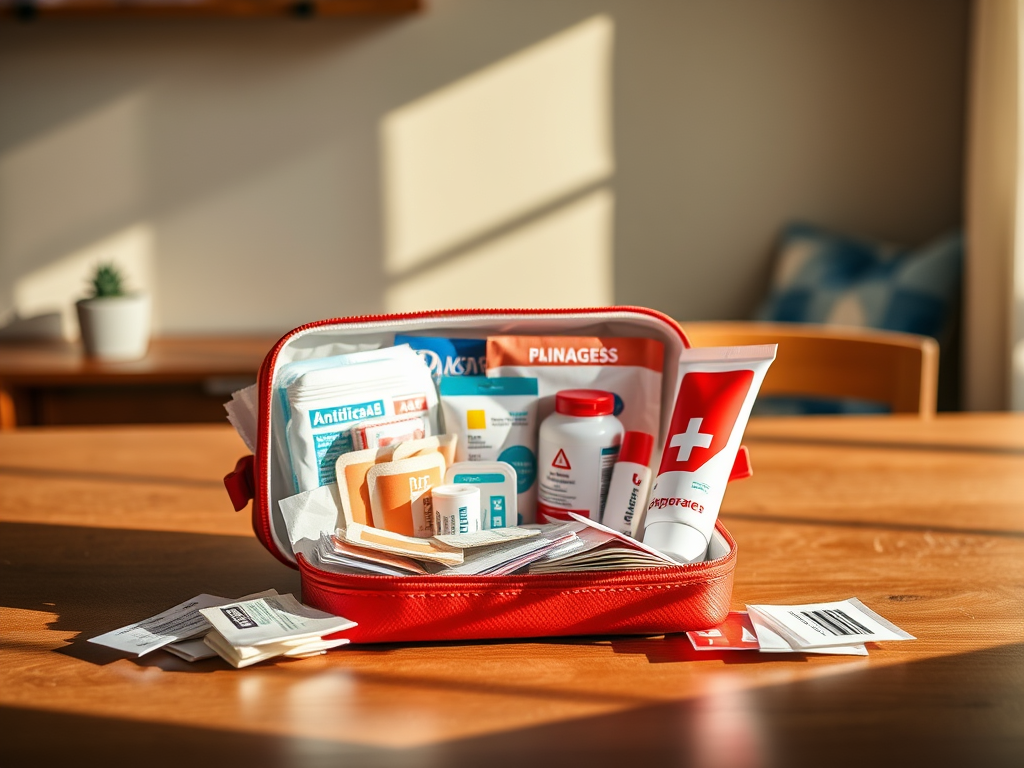
In the rhythm of family life, bumps, scrapes, and fevers are as inevitable as school runs and laundry piles. From a toddler’s tumble on the pavement to a teenager’s kitchen mishap while attempting to cook, minor medical situations are a rite of passage. While you can’t prevent every accident, you can be remarkably well-prepared to handle them. This is where a well-stocked, organized family first aid kit becomes one of the most important tools in your home. It’s more than just a box of plasters; it’s your first line of defence, a source of reassurance, and a means to provide immediate care when it’s needed most.
Creating a comprehensive home medical kit isn’t about preparing for a major catastrophe; it’s about efficiently managing the common, everyday incidents that can cause pain and distress. Having the right supplies on hand saves you from frantic, late-night trips to the pharmacy and empowers you to act calmly and confidently. Whether you buy a pre-made kit and customize it or build a DIY first aid kit from scratch, knowing what’s inside and how to use it is key. This guide will walk you through the ten absolute essentials, forming the core of a kit that will see your family safely through cuts, fevers, stings, and sprains.
1. High-Quality Adhesive Bandages in Assorted Sizes
This might seem obvious, but the humble plaster, or adhesive bandage, is the cornerstone of any first aid kit checklist. However, not all bandages are created equal. For a family kit, variety is crucial. You need an assortment that can cover everything from a papercut on a finger to a scraped knee on an active child. Your kit should include a wide range of sizes and shapes: small circular ones for minor punctures, standard rectangular strips, larger patch-style bandages for bigger scrapes, and fingertip or knuckle bandages designed for awkward joints. It’s also wise to invest in good quality, durable brands. Look for sterile, individually wrapped bandages with strong adhesive that won’t fall off at the first sign of movement, and consider waterproof options for added resilience. For families with little ones, having a selection of colourful, character-themed plasters can be a game-changer, turning a moment of pain and tears into a small distraction and comfort.
2. Antiseptic Wipes and Antiseptic Cream/Ointment
Before you cover a wound, you must clean it. Proper wound care is essential to prevent infection, and this starts with antiseptics. Your kit needs two types. First, antiseptic wipes are invaluable for the initial cleaning. They are convenient, sterile, and perfect for wiping away dirt and germs from the skin around a cut or scrape. Look for single-use, alcohol-free wipes, as these are less likely to sting, which is a major plus when dealing with a distressed child. Once the wound is clean and dry, the second step is applying an antiseptic or antibiotic cream/ointment (like Savlon or Germolene). This provides a protective barrier that continues to fight germs long after the initial cleaning, promoting faster healing and significantly reducing the risk of infection. A small tube of this cream is one of the most crucial first aid essentials for ensuring minor injuries don’t become major problems.
3. Sterile Gauze Pads and Medical Tape
For cuts and grazes that are too large for a standard plaster, sterile gauze pads are the answer. These are absorbent, non-stick pads that can be placed directly over a wound to control bleeding and protect it from contamination. It’s essential to have them in various sizes, from small 2×2 inch squares to larger 4×4 inch ones. Always ensure they are individually wrapped to maintain their sterility. But a gauze pad is useless without a way to secure it. This is where medical tape comes in. A roll of hypoallergenic paper tape (like Micropore) is a must-have. It’s gentle on the skin, reducing the risk of irritation, yet strong enough to hold a gauze pad or bandage securely in place. It’s also easy to tear by hand, meaning you won’t be fumbling for scissors in a stressful moment. This combination allows you to create a custom dressing for almost any wound.
4. Pain and Fever Relief Medication (for Adults and Children)
Pain and fever are two of the most common ailments you’ll face as a family. Having appropriate, in-date medication is non-negotiable for your home medical kit. It is critically important to have separate, clearly labelled medications for adults and children. For adults, this could be paracetamol or ibuprofen. For children, you must use a paediatric formulation, such as Calpol or Nurofen for Children, and it’s essential to have an oral syringe or measuring spoon for accurate dosing. Children’s dosages are based on weight and age, so always read the label carefully. Check the expiry dates on your medications every six months and replace them as needed. Having these on hand means you can provide immediate comfort for anything from a teething baby or a child with a post-vaccination fever to an adult with a headache or muscle pain, saving you a potential midnight pharmacy run.
5. Tweezers and Small Scissors
A good pair of fine-tipped tweezers is an unsung hero of the first aid kit. They are essential for safely removing splinters, shards of glass, or tick heads from the skin. Trying to remove a splinter with your fingernails can push it deeper or break it, making it much harder to extract and increasing the risk of infection. Opt for a pair of sterilizable, stainless-steel tweezers with a sharp, pointed tip for precision. Alongside tweezers, a small, sharp pair of scissors is another indispensable tool. These aren’t your kitchen scissors; they should be dedicated to your kit to remain clean. You’ll need them for cutting medical tape to size, trimming a bandage, or cutting away clothing from around an injury. Having these dedicated tools ensures you can deal with fiddly injuries cleanly and efficiently.
6. Instant Cold Packs and Elastic Bandages
For bumps, sprains, strains, and bruises, the initial treatment is often cold therapy to reduce swelling and numb the pain. While a bag of frozen peas works in a pinch, instant cold packs are a fantastic addition to any kit, especially a travel first aid kit. These single-use packs contain chemicals that trigger an immediate cooling reaction when squeezed, requiring no refrigeration. This makes them perfect for treating an injury at the park, on the sports field, or in the car. Following up cold therapy, an elastic bandage (or compression bandage) is used to support a sprained wrist or ankle and help control swelling. Learning the basics of applying a compression wrap—not too tight, but snug—is a valuable first aid skill. Having both these items allows you to properly manage common joint and muscle injuries from the moment they happen.
7. Antihistamine Cream and Tablets
Allergic reactions can range from mildly annoying to severe. For common, localized reactions like insect bites, stings, or rashes from contact with plants like nettles, a hydrocortisone or antihistamine cream is your best friend. It provides quick relief from itching, redness, and swelling. For more systemic reactions, such as hay fever or mild hives, having oral antihistamine tablets is crucial. As with pain relief, ensure you have both adult and child-appropriate formulas (the latter often in liquid form). These medications can quickly calm an allergic response, providing significant comfort. While these are for mild to moderate reactions, it’s also critical to know the signs of a severe allergic reaction (anaphylaxis), such as difficulty breathing, and to call for emergency help immediately if you suspect one.
8. A Digital Thermometer
When a child feels warm or unwell, guessing whether they have a fever is not an option. A reliable digital thermometer is an absolute must-have in any family first aid kit. It removes the guesswork and provides an accurate temperature reading, which is vital information for deciding on a course of action—be it administering fever-reducing medication or seeking medical advice. There are various types available, from simple under-the-tongue or under-arm models to in-ear or non-contact forehead thermometers, which can be particularly useful for taking the temperature of a sleeping baby. Whichever you choose, make sure you read the instructions, understand how to use it correctly, and have spare batteries on hand. Knowing your child’s precise temperature is also critical information to provide to a doctor or NHS 111 if you need to call for advice.
9. Saline Solution or Eye Wash
Eyes are incredibly sensitive, and getting dirt, dust, or sand in them can be both painful and potentially damaging. A sterile saline solution is the safest way to flush out foreign objects from the eye. Your kit should contain either a small bottle of sterile saline or several single-use pods of eye wash. This can be used to gently rinse the eye and provide immediate relief. It’s also useful for cleaning wounds in sensitive areas where antiseptic wipes might be too harsh. It’s a simple, inexpensive item that can prevent a minor irritant from escalating into a scratched cornea or an eye infection. Trying to rinse an eye with tap water is not recommended as it is not sterile and can contain microorganisms.
10. A First Aid Manual and Emergency Contact Card
Finally, a first aid kit is only as good as the knowledge of the person using it. While you may know how to handle a small cut, would you know how to correctly treat a burn or support a sprain? Including a small, concise, and easy-to-follow first aid manual in your kit is crucial. It can provide a calm, step-by-step guide in a stressful situation. Many pre-made kits come with one, or you can download and print a guide from the NHS or St John Ambulance websites. Alongside this manual, have a waterproof card with all your important emergency contact information. This should include the numbers for 999, NHS 111, your local GP surgery, the poisons information service, and the mobile numbers for close family members or neighbours. This ensures that in an emergency, all the vital information is in one, easily accessible place.
Further Reading
- “First Aid Manual” by St John Ambulance, St Andrew’s First Aid, British Red Cross
- “The Worst-Case Scenario Survival Handbook” by Joshua Piven and David Borgenicht
- “Where There Is No Doctor: A Village Health Care Handbook” by David Werner
- “SAS Survival Handbook, Third Edition: The Ultimate Guide to Surviving Anywhere” by John ‘Lofty’ Wiseman
- “Heading Home with Your Newborn: From Birth to Reality” by Laura A. Jana and Jennifer Shu
Here at Zentara.blog, our mission is to take those tricky subjects and unlock them, making knowledge exciting and easy to grasp for everyone. But the adventure doesn’t stop on this page! We’re constantly exploring new frontiers and sharing discoveries across the digital universe. Want to dive deeper into more mind-bending Top 10s and keep expanding your world? Come join us on our other platforms – we’ve got unique experiences waiting for you on each one!
Get inspired by visual wonders and bite-sized facts: See the world through Zentara’s eyes on Pinterest!
Pin our fascinating facts and stunning visuals to your own boards. Explore Pins on Pinterest: https://uk.pinterest.com/zentarablog/
Discover quick insights and behind-the-scenes peeks: Hop over to Tumblr for snippets, quotes, and unique content you won’t find anywhere else. It’s a different flavour of discovery! Follow the Fun on Tumblr: https://www.tumblr.com/zentarablog
Ready for deep dives you can listen to or watch? We’re bringing our accessible approach to video and potentially audio! Subscribe to our YouTube channel and tune into future projects that make learning pop! Subscribe on YouTube: https://www.youtube.com/@ZentaraUK
Seeking even more knowledge in one place? We’ve compiled some of our most popular topic deep dives into fantastic ebooks! Find them on Amazon and keep the learning journey going anytime, anywhere. Find Our Ebooks on Amazon: https://www.amazon.co.uk/s?k=Zentara+UK&ref=nb_sb_noss
Connect with us and fellow knowledge seekers: Join the conversation on BlueSky! We’re sharing updates, thoughts, and maybe even asking you what wonders we should explore next. Chat with Us on BlueSky: https://bsky.app/profile/zentarablog.bsky.social
Perfect for learning on the move! We post multiple 10-minute podcasts per day on Spotify. Pop on your headphones and fill your day with fascinating facts while you’re out and about! Listen on Spotify: https://open.spotify.com/show/3dmHbKeDufRx95xPYIqKhJFollow us on Instagram for bytesize knowledge! We post multiple posts per day on our official Instagram account. https://www.instagram.com/zentarablog/ Every click helps us keep bringing honest, accessible knowledge to everyone. Thanks for exploring with us today – see you out there in the world of discovery!




Leave a Reply