
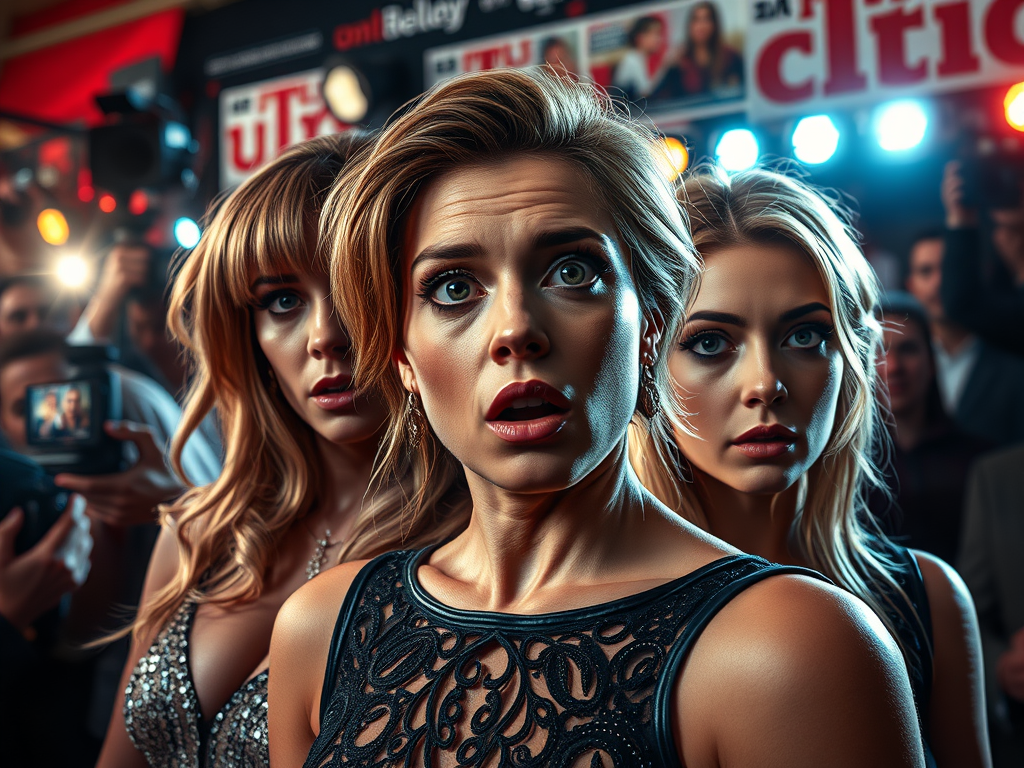
The United Kingdom has a unique, almost symbiotic relationship with its celebrities. From the glittering red carpets of London to the relentless flashbulbs of the paparazzi, the British public’s appetite for the lives of the rich and famous is insatiable. However, fame often comes with a shadow. UK celebrity scandals have long been a fixture of national conversation, serving as modern-day morality plays that test the boundaries of forgiveness, law, and public decency.
In the UK, the tabloid culture—led by titans like The Sun and The Daily Mirror—has historically acted as both the creator and the judge of celebrity status. A single photograph or a leaked text message can dismantle a career overnight, turning a “national treasure” into a persona non grata. These scandals are more than just gossip; they reflect the shifting social values of British society, from the decriminalization of private lives to the modern demands for corporate accountability and digital privacy.
As we look back from the vantage point of 2025, we can see how these events shaped the way we consume media and how celebrities manage their public personas. Whether it is a legendary actor’s brush with the law or a high-stakes legal battle between “WAGs,” these moments are etched into the cultural consciousness. Here are the top 10 most significant celebrity scandals to ever rock the United Kingdom.
1. Hugh Grant and the Sunset Boulevard Arrest: A Masterclass in PR
In June 1995, Hugh Grant was the undisputed king of the “British charmer” archetype. He was on the verge of Hollywood superstardom with the release of Nine Months and was famously dating the stunning Elizabeth Hurley. That image was shattered in an instant when Grant was arrested on Sunset Boulevard for engaging in a “lewd act” in a public place with a sex worker named Divine Brown. The mugshot—Grant looking sheepish and embarrassed in a striped shirt—became one of the most famous images of the decade.
The reason this remains a pinnacle of UK celebrity scandals is not just the act itself, but the recovery. Instead of hiding behind lawyers or issuing a cold press release, Grant went on The Tonight Show with Jay Leno and simply said, “I did a bad thing.” This radical honesty bypassed the usual “celebrity reputation management” tactics of the time. By taking full accountability without making excuses, he managed to save his career and actually increased his public likability.
Grant’s scandal changed the blueprint for how celebrities handle a crisis. It showed that the British public (and the world) is often willing to forgive a mistake if the person involved doesn’t treat the audience like they are “above the law” or too important to apologize. It remains a fascinating study in the power of authenticity over spin.
2. Wagatha Christie: The Digital Whodunnit of the Century
If you were online in October 2019, you likely remember where you were when Coleen Rooney posted that message. In what became known as the Wagatha Christie scandal, Rooney—wife of football legend Wayne Rooney—revealed she had been conducting a months-long sting operation. She suspected someone in her private circle was leaking stories to The Sun and narrowed it down by blocking everyone on her Instagram Stories except for one person: Rebekah Vardy.
The post ended with the legendary line: “…It’s………. Rebekah Vardy’s account.” What followed was a high-stakes libel trial in 2022 that captivated the nation. The case moved beyond simple gossip into the realm of British tabloid history, exposing the messy reality of how “WAG” (Wives and Girlfriends) culture operates and the ethics of leaking private information for profit or influence.
Vardy ultimately lost the libel case, with the judge ruling that Rooney’s allegations were “substantially true.” The scandal was a perfect storm for the social media age, blending traditional celebrity intrigue with digital forensics. It remains a definitive example of how “celebrity news” has evolved from paparazzi snapshots to sophisticated digital warfare, proving that in the 21st century, the celebrities are often their own most effective investigators.
3. The News of the World Phone Hacking Scandal: The Death of a Giant
While many scandals involve a single celebrity, the phone hacking scandal involved hundreds. In 2011, it was revealed that journalists at the News of the World had been illegally intercepting the voicemails of celebrities, politicians, and even victims of crime (most notably the late Milly Dowler). High-profile figures like Sienna Miller, Hugh Grant, and Prince William were among the targets of this systemic breach of privacy.
This wasn’t just a “celebrity gossip” story; it was a fundamental breakdown of media ethics that led to the permanent closure of a 168-year-old newspaper. The resulting Leveson Inquiry shone a harsh light on the “dark arts” of the British press, revealing a culture where the pursuit of a “scoop” justified breaking the law. For many celebrities, it was a moment of vindication after years of being told their complaints about privacy were merely “paranoia.”
The fallout from phone hacking fundamentally changed the relationship between the UK government and the media. It led to tighter regulations on how journalists obtain information and gave celebrities a new level of legal protection against intrusive reporting. This scandal serves as the ultimate reminder that the “price of fame” should never include the sacrifice of basic human rights and privacy.
4. Phillip Schofield: The “Morning After” the Fall
For over two decades, Phillip Schofield was the face of “friendly” British television, co-hosting This Morning and becoming a staple of the UK’s daily routine. However, in May 2023, his career came to a screeching halt. Following rumors of a rift with co-host Holly Willoughby, Schofield admitted to having an “unwise but not illegal” affair with a much younger male colleague on the show and lying about it to his employers, his family, and the public.
The scandal, often referred to in the press as the “This Morning crisis,” triggered a massive conversation about power dynamics in the workplace and the culture of “daytime TV.” The public felt a deep sense of betrayal; the man they had welcomed into their living rooms every morning had been leading a double life. The fallout was swift: Schofield resigned from ITV, was dropped by his talent agency, and essentially vanished from public life for over a year.
The Phillip Schofield scandal is a modern tragedy of “brand management.” It illustrates how a celebrity’s public persona is a fragile construct that can be shattered not just by the act itself, but by the deception used to cover it up. In an era where “authenticity” is the most valuable currency, a single proven lie can be more damaging than any tabloid headline.
5. “Cocaine Kate”: The Resilience of Kate Moss
In 2005, the fashion world was rocked when The Daily Mirror published grainy photos of supermodel Kate Moss allegedly using cocaine in a recording studio. At the time, it seemed like the end of an era. Major brands like H&M, Chanel, and Burberry immediately dropped her, and the media began writing her career obituaries. She was no longer just a model; she was “Cocaine Kate,” the face of “heroin chic” gone wrong.
However, Moss’s story didn’t end in disgrace. After a brief period of rehabilitation and a public apology, she staged one of the most incredible comebacks in British celebrity history. Within a year, she had signed more contracts than she had before the scandal. Why? Because Moss remained an icon of effortless cool, and her brand was built on rebellion rather than “girl next door” purity.
The Kate Moss scandal is significant because it marked a shift in how the public views “lifestyle” scandals. It proved that in the fashion and entertainment industries, a brush with controversy can sometimes enhance a “rock and roll” image rather than destroy it. It also highlighted the hypocrisy of an industry that often glamorized the very behaviors it publicly condemned when caught on camera.
6. George Michael and the LA Public Toilet Incident
In 1998, pop superstar George Michael was arrested for “engaging in a lewd act” in a public restroom in Beverly Hills. At a time when Michael had not yet publicly come out as gay, the arrest was a global sensation. The media expected a career-ending shaming. Instead, George Michael did something revolutionary for the late 90s: he refused to be ashamed.
He appeared on CNN for a candid interview, confirmed he was gay, and then satirized the entire event in the music video for his hit song “Outside,” which featured police officers dancing in a disco-ball-filled public toilet. By reclaiming the narrative through humor and defiance, Michael turned a potentially ruinous “celebrity arrest” into a milestone for LGBTQ+ visibility in the UK and beyond.
This scandal is an “evergreen” topic because it represents a turning point in UK entertainment news. It was the moment the public began to realize that a celebrity’s private life—and their sexuality—was not a weapon to be used against them by the tabloids. Michael’s bravery in the face of mockery paved the way for many other stars to live authentically.
7. The Jimmy Savile Revelations: A Posthumous Nightmare
While most celebrity scandals are about temporary falls from grace, the Jimmy Savile scandal was a foundational earthquake. After his death in 2011, a 2012 ITV documentary revealed that the beloved “Jim’ll Fix It” host and national icon was, in fact, one of the most prolific predatory sex offenders in British history. For decades, he had used his celebrity status and charitable work as a shield for his crimes.
The scandal was not just about Savile; it was about the institutions that allowed him to flourish. The BBC, the NHS, and even the government faced intense scrutiny for failing to act on numerous “red flags” and reports over the years. It sparked “Operation Yewtree,” a massive police investigation into historical sexual abuse by high-profile figures in the entertainment industry.
The Savile scandal changed the UK forever. It ended the era of “deferential” celebrity culture, where stars were treated as untouchable gods. It led to a permanent change in safeguarding laws and a total reassessment of how the public views “national treasures.” It remains the darkest and most significant chapter in the history of British fame controversies.
8. Ant McPartlin’s “National Treasure” Crisis
For years, Ant & Dec were the “untouchable” duo of British TV. Their chemistry and “lad next door” charm made them the most bankable stars in the country. That image was put to the ultimate test in 2018 when Ant McPartlin was involved in a drink-driving collision in London. He was subsequently fined £86,000—a record for drink-driving in the UK—and took a year-long hiatus from television to enter rehabilitation for addiction.
The scandal was a shock to the system for millions of fans. Unlike many “bad boy” celebrities, Ant’s public identity was built on being wholesome and reliable. Seeing him in the back of a police car felt like a personal disappointment to many. However, through a combination of professional distance, successful treatment, and a series of “tell-all” interviews, he was eventually welcomed back to the screen.
Ant’s journey highlights the “forgiveness threshold” in UK celebrity culture. The British public is often willing to support a star through a “battle with demons” if they see genuine remorse and a commitment to change. It also showed the incredible strength of the “Ant & Dec” brand, which proved resilient enough to survive even a major criminal conviction.
9. Jade Goody and the “Big Brother” Racism Storm
In 2007, the reality TV landscape changed forever during Celebrity Big Brother 5. Jade Goody, who had become the poster girl for reality TV success, became embroiled in a massive racism row involving Indian actress Shilpa Shetty. Goody, along with other contestants, was accused of bullying and making racially insensitive comments toward Shetty, leading to over 45,000 complaints to the regulator, Ofcom.
The scandal reached the highest levels of government, with then-Chancellor Gordon Brown being asked about it during a visit to India. It was the moment “reality TV” stopped being a social experiment and became a major cultural flashpoint. Goody went from being the “lovable airhead” to a national villain almost overnight.
However, the “scandal” took a tragic turn when Goody was diagnosed with cervical cancer just as she was attempting a career rehabilitation in the Indian version of the show. Her decision to live out her final days in the public eye to raise money for her children and awareness for the disease led to a posthumous redemption. This remains a complex case study in the volatile nature of fame and the thin line between “entertainment” and “cruelty” in the digital age.
10. Huw Edwards and the Modern BBC Crisis
As we reflect on the most recent entries in UK celebrity scandals, the fall of Huw Edwards stands out as a defining moment for the mid-2020s. In 2023, the veteran newsreader—the man who announced the death of Queen Elizabeth II—was suspended following allegations regarding payments for explicit photos. In 2024, the situation worsened when Edwards pleaded guilty to making indecent images of children, leading to a suspended prison sentence and his name being stripped from various honors.
This scandal sent shockwaves through the BBC and the wider British establishment. Like the Phillip Schofield case, it involved a man who represented the “voice of the nation” and “integrity.” The contrast between his professional gravity and his private actions was too great for the public to reconcile. It forced the BBC into yet another period of deep soul-searching regarding how it vets its top stars.
The Huw Edwards case is a sobering reminder that no matter how established a celebrity seems, the “mask” can slip at any time. In the age of 2025, with heightened awareness of digital safety and institutional accountability, these scandals are processed with a level of seriousness and legal scrutiny that simply didn’t exist in the decades prior.
Further Reading
To explore the complex intersection of fame, media, and the law in the United Kingdom, these books offer a deep and accessible dive:
- The Fall of the House of Byron by John Preston – A look at the historical roots of British scandal culture.
- Dial M for Murdoch by Tom Watson and Martin Hickman – The definitive account of the phone hacking scandal.
- The Scandalous Life of Sasha Tsenkova (A fictional but insightful look at “WAG” culture and fame).
- Me by Elton John – While an autobiography, it offers incredible insight into surviving decades of UK tabloid scrutiny.
- Tabloid Britain: Constructing a Community Through Narrative by Paula Chan – An academic yet readable look at why we love scandals.
Keep the Discovery Going!
Here at Zentara, our mission is to take tricky subjects and unlock them, making knowledge exciting and easy to grasp. But the adventure doesn’t stop at the bottom of this page. We are constantly creating new ways for you to learn, watch, and listen every single day.
📺 Watch & Learn on YouTube
Visual learner? We publish 4 new videos every day, plus breaking news shorts to keep you smarter than the headlines. From deep dives to quick facts, our channel is your daily visual dose of wonder.
Click here to Subscribe to Zentara on YouTube
🎧 Listen on the Go on Spotify
Prefer to learn while you move? Tune into the Zentara Podcast! We drop a new episode daily, perfect for your commute, workout, or coffee break. Pop on your headphones and fill your day with fascinating facts.
Click here to Listen on Spotify
Every click, view, and listen helps us keep bringing honest knowledge to everyone. Thanks for exploring with us today—see you out there in the world of discovery!




Leave a Reply