
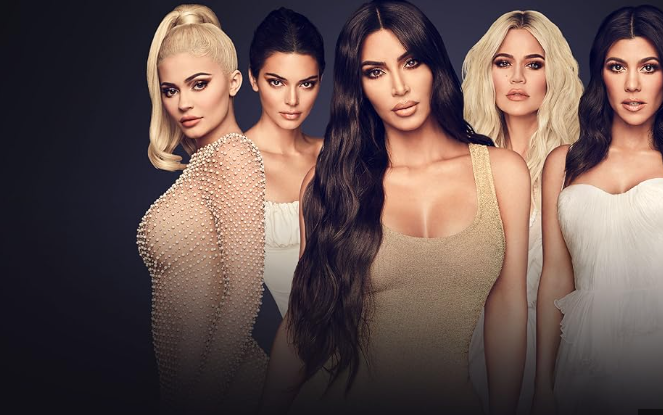
In the history of modern media, few phenomena have been as polarizing, pervasive, or profitable as the Kardashian-Jenner family. What began as a single reality television program on a cable network blossomed into a multi-hyphenate global conglomerate that fundamentally altered the DNA of celebrity culture. The “Kardashian TV Empire” is not merely a collection of shows; it is a masterclass in branding, family-oriented business strategy, and the seamless integration of traditional media with the digital frontier.
To understand the longevity of this empire, one must look past the headlines and into the machinery of “The Circle.” Like a modern-day Roman Empire of the digital age, the family leveraged a “fly-on-the-wall” perspective to build a sense of intimacy with millions. This intimacy became the fuel for a billion-dollar engine of cosmetics, apparel, and lifestyle products. This guide explores the foundational truths of their television journey, illustrating how a family once dismissed as “famous for being famous” became the architects of a new era of entrepreneurial influence.
1. The Ryan Seacrest Genesis and the Search for “Modern Chaos”
The origin of the franchise was not a guaranteed success, but rather an experiment in a new kind of “domestic comedy” reality television. At the time, the landscape was dominated by simple competition shows or “fish out of water” premises. Producer Ryan Seacrest was looking for a family that mirrored the chaotic energy of The Osbournes but with a glossy, aspirational aesthetic. When he met the Kardashian-Jenner clan, he found a family of six children, a former Olympian, and a high-energy “momager” who were willing to open their doors to 24/7 surveillance.
The first season was produced with a relatively modest budget, focusing on the friction between the older siblings and their younger half-sisters. The “secret sauce” was the relatability of their sibling squabbles—the “chaos” that Ryan Seacrest sought—packaged within the high-stakes world of Los Angeles socialites. This juxtaposition created a “curiosity gap” for viewers: they were fascinated by the wealth but stayed for the recognizable family dynamics. By establishing this “modern Brady Bunch” archetype early on, the show created a solid foundation for decades of content.
2. Kris Jenner: The Architectural Genius of the “Momager”
No discussion of the TV empire is complete without examining the role of the matriarch, Kris Jenner. She did not just manage the family; she pioneered the archetype of the “Momager”—a hybrid of maternal protection and cutthroat business acumen. Kris’s strategy was to treat the television show as a 60-minute infomercial for the family’s other interests. She ensured that every episode served as a platform to launch a new boutique, a clothing line, or a beauty product, creating a self-sustaining ecosystem of fame and commerce.
Kris famously took a 10% management fee from her children, a move that aligned her success directly with theirs. Her genius lay in her ability to “spin” personal controversies into compelling storylines, effectively controlling the narrative before the tabloid media could. By positioning the family as a unified “brand,” she made them nearly invincible to the “cancel culture” that often plagues individual celebrities. The TV empire was the vehicle, but Kris Jenner was the engine, navigating the family through the precarious waters of public opinion while simultaneously building a diversified portfolio of assets.
3. The Pivot to “Documentary-Style” Reality and Scripted Authenticity
The franchise is often credited with refining the “docu-soap” format, which balances real-life events with highly produced, structured segments. While critics often debate the “realness” of the scenes, the empire’s success was built on “scripted authenticity”—the idea that while a scene might be staged or re-shot for lighting and clarity, the underlying emotional conflict is rooted in truth. This allowed for high production values that made the show feel more like a glossy soap opera than a gritty documentary.
Over time, the production style evolved to include more “fourth wall” breaks, where the family would discuss the paparazzi, the media’s perception of them, and the very act of filming the show. This meta-narrative made the audience feel like “insiders” who were in on the secret. By acknowledging their fame within the show, the Kardashians created a unique feedback loop: the show documented the fame that the show itself was creating. This transparency (or the illusion of it) fostered a deep parasocial relationship with fans, who felt they were growing up alongside the sisters.
4. The Expansion Strategy: Spin-Offs as Market Testing
The Kardashian empire is a textbook example of brand extension through geographic and thematic spin-offs. Once the flagship show was a hit, the production team began creating “limited series” that focused on specific family members in different locations. Whether it was opening a new boutique in Miami or navigating life in New York City, these spin-offs allowed the brand to capture different regional demographics and keep the family in the news cycle year-round.
These spin-offs served as “market testing” for the various family members. They allowed the younger sisters to build their own individual fanbases outside the shadow of the eldest, and they provided a way to explore more mature or specific themes that might not fit the main show’s broader appeal. By flooding the airwaves with Kardashian-related content, the family ensured that they remained the “center of gravity” in the reality TV world. This expansion strategy transformed a single show into a “Cinematic Universe” of reality television, where characters could cross over and storylines could span multiple series.
5. Monetizing the Scandal: The Art of the “Crisis Arc”
One of the most remarkable aspects of the Kardashian TV empire is its ability to turn personal crises into high-rating television events. From broken marriages to cheating scandals and legal battles, the family chose to document their most vulnerable moments rather than hide from them. This was a radical departure from the traditional celebrity approach of issuing “no comment” statements. Instead, the Kardashians would film their reactions in real-time (or near real-time), giving them the final word on the matter.
These “crisis arcs” were meticulously edited to portray the family as a supportive unit against external threats. By leaning into the drama, they made their lives feel like a serialized drama that viewers were compelled to follow. This strategy effectively “depowered” the paparazzi; if the audience could see the “truth” on the show, the tabloids became secondary sources. This mastery of crisis management through media transformed potential PR disasters into opportunities for audience growth and emotional connection, proving that in the Kardashian world, “all press is good press” if you control the cameras.
6. Social Media Synergy and the “Second Screen” Revolution
The Kardashian-Jenner family were the first “digital natives” of reality television. They understood long before most that the show did not end when the credits rolled. They utilized social media platforms to provide a “second screen” experience, tweeting along with episodes and sharing behind-the-scenes glimpses that weren’t included in the final cut. This created a 24/7 engagement cycle that made the television show feel like the “highlights reel” of a life lived entirely online.
This synergy allowed them to bypass traditional advertising. When a family member mentioned a product on the show, they would simultaneously post about it to their hundreds of millions of followers. This “omnichannel” approach made the TV empire a powerhouse for marketing. They weren’t just reality stars; they were the world’s first and most successful “influencers” at a global scale. By merging the reach of television with the intimacy of social media, they created a blueprint for modern celebrity that is now followed by almost every major public figure.
7. The Evolution of Beauty Standards and the “Aesthetic” Influence
The TV empire had a profound impact on global beauty standards, a phenomenon often referred to as the “Kardashian Effect.” Through the show’s high-definition cameras, the world was introduced to specific makeup techniques like “contouring” and “baking,” as well as a specific body type that became the new ideal. The family’s ever-changing looks became a central theme of the show, often sparking intense public debate about plastic surgery, fashion trends, and cultural appropriation.
This influence was not accidental; it was highly lucrative. The “Kardashian aesthetic” was the primary driver for multi-million dollar brands in the beauty and wellness space. By documenting their beauty routines and fitness journeys on screen, they created an aspirational lifestyle that fans could “buy into” via their products. The TV show acted as the “look-book” for a global audience, proving that television could be a more effective tool for shaping aesthetic trends than traditional fashion magazines.
8. Transitioning from Cable to Streaming: A Strategic Leap
As the media landscape shifted from traditional cable to digital streaming, the Kardashian empire showed remarkable adaptability. Recognizing that their audience was moving away from “appointment viewing” on television toward “on-demand” content, the family made a high-profile move to a major streaming platform. This transition allowed for higher production values, a more cinematic look, and a shift in tone toward a more sophisticated, “executive” perspective on their lives.
The move to streaming also allowed for a more global reach, as episodes could be released simultaneously in hundreds of countries without the limitations of regional cable networks. This “reboot” of the franchise focused less on the “wild” antics of their youth and more on their roles as business moguls and parents. By evolving their content to match the platform, they avoided the “relic” status that many long-running reality shows suffer from, ensuring that their brand remained at the cutting edge of the industry.
9. The Financial Architecture: Profit Participation and Ownership
Unlike many reality stars who are merely “talent” for hire, the Kardashian-Jenner family eventually negotiated positions as executive producers of their own content. This gave them not only creative control but a larger share of the profits. They understood that the true value of the TV empire was not in the salary per episode, but in the ownership of the intellectual property and the data they collected about their audience.
This ownership allowed them to use the show as a “sandbox” for their various business ventures. They could track which storylines led to the most product sales and adjust their business strategies accordingly. The TV empire was essentially a massive R&D (Research and Development) laboratory. This level of vertical integration—where the stars are also the producers and the owners of the advertised products—is what elevated the Kardashians from television personalities to legitimate media moguls.
10. Cultural Longevity: The Dynasty of the Next Generation
The final secret to the Kardashian TV empire is its focus on legacy. From the very beginning, the show featured the younger members of the family, allowing the audience to watch them grow from children into influential adults in their own right. This multi-generational approach ensures that the “story” never has to end; as the older sisters move into different phases of life, the younger generation steps into the spotlight with their own unique perspectives and fanbases.
By introducing the children of the original stars into the narrative, the franchise has created a “dynasty” that can theoretically continue indefinitely. Each new “character” brings a new demographic of viewers, keeping the brand fresh and relevant. The Kardashian TV empire is more than just a show; it is a permanent fixture of the media landscape, a self-perpetuating mythos that has rewritten the rules of how families, business, and fame intersect in the 21st century.
Further Reading
- Kardashian Dynasty: The Controversial Rise of America’s Royal Family by Ian Halperin
- Kris Jenner… and All Things Kardashian by Kris Jenner
- The Kardashian Way: Complexity, Contradiction, and the Consumption of Celebrity (Academic Analysis) by various contributors
- Selfish by Kim Kardashian (Visual History)
- 10 Things Every Fan Should Know About Sabrina Carpenter
- 10 Things Every Fan Should Know About Bad Bunny
- 10 The Crown TV SHOW Facts That Keep People Watching
- 10 Futurama TV SHOW Facts That Still Hold Up
- 10 Things You Should Know About Speedy Gonzales – Looney Tunes
- 10 Things You Should Know About Yosemite Sam – Looney Tunes
- 10 Things Every Fan Should Know About The Weeknd
- 10 Things You Should Know About Starlight From The Boys TV Show
- 10 Things You Should Know About Road Runner – Looney Tunes
- 10 Things Every Fan Should Know About Taylor Swift



