
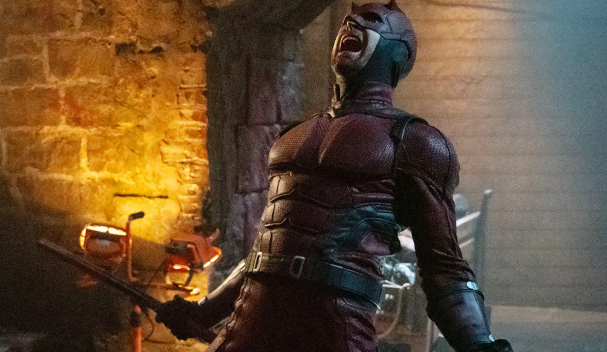
Time constraints often make it difficult to stay current with every television series. Zentara.blog provides recaps of major plot points, including spoilers, to ensure you remain updated or are prepared for an upcoming season.
The return of Matt Murdock to the gritty streets of New York City marks a definitive shift in the landscape of urban heroism. This narrative is not merely a continuation; it is a profound reimagining of the struggle between a man driven by faith and a titan driven by power. Daredevil: Born Again strips the Man Without Fear down to his absolute core, forcing him to navigate a city that has been legally weaponized against him.
In this high-stakes legal and physical battle, the lines between justice and the law are blurred. The story explores a New York City undergoing a radical political transformation under the shadow of its most notorious former crime lord. As old allies fall and new threats emerge from the shadows of the art world and the police precinct, the soul of Hell’s Kitchen hangs in the balance.
For enthusiasts and newcomers alike, the narrative complexity of this saga offers a masterclass in tension, trauma, and resilience. Below is a comprehensive breakdown of the ten most pivotal plot points that define this chapter of the Daredevil mythos.
1. The Heart-Wrenching Fall of Foggy Nelson
The foundational stability of Matt Murdock’s world is shattered in the opening movements of the story. Foggy Nelson, the moral compass and loyal partner of the firm, meets a tragic end at the hands of Benjamin “Dex” Poindexter, also known as Bullseye. This event is more than a simple character death; it is the destruction of Matt’s sanctuary. Foggy’s murder occurs just as the firm is beginning to uncover deep-seated corruption within the city’s infrastructure. The loss of his best friend drives Matt into a period of deep mourning and self-imposed exile from his vigilante persona, illustrating the devastating cost of a life spent fighting the powerful.
2. Mayor Wilson Fisk’s Anti-Vigilante Crusade
In a move that mirrors the most ambitious political maneuvers of the underworld, Wilson Fisk successfully transitions from a kingpin of crime to the Mayor of New York City. His platform is built on a singular, populist promise: the eradication of “masked vigilantes.” By framing heroes as the primary cause of urban chaos, Fisk manages to legalize the persecution of the very people who once stood in his way. This political shift fundamentally changes the rules of engagement, as Daredevil is no longer just fighting criminals; he is technically a fugitive from the state, operating against a democratically elected official with the full weight of the law behind him.
3. The Tragedy of White Tiger and the Hector Ayala Trial
The legal drama reaches a fever pitch with the introduction of Hector Ayala, the vigilante known as White Tiger. Hector is framed for a murder he did not commit while attempting to stop a crime, leading to a landmark trial where Matt Murdock serves as his defense. The case serves as a microcosm for the entire series’ themes—the bias against masked heroes and the fragility of the justice system. Although Matt secures a rare legal victory, the triumph is hollow. Hector is murdered by a corrupt operative shortly after his acquittal, proving that under Fisk’s regime, the courtroom is merely a stage for a much deadlier game of shadows.
4. The Arrival of Muse: A New Breed of Artistic Terror
While Fisk represents the structural evil of the city, a new antagonist named Muse emerges to represent its psychological rot. Muse is a deranged artist who uses human victims as the “canvas” for horrific, public installations. His presence adds a layer of gothic horror to the narrative, as Daredevil must track a killer who views violence as a form of divine expression. Muse’s anonymity and unpredictability make him a uniquely dangerous threat, challenging Matt’s sensory abilities and forcing him to confront the dark reality that some monsters cannot be reasoned with or easily understood through the lens of traditional law.
5. The Corruption of the Punisher’s Symbol
One of the most provocative narrative threads involve the widespread misuse of Frank Castle’s iconic skull emblem. A faction of corrupt, trigger-happy police officers within the city begins wearing the Punisher’s logo as a badge of unauthorized authority. This development explores the dangerous territory of radicalization within law enforcement. The symbol, which once represented one man’s private war on crime, is co-opted by the state to justify brutality. This forces a confrontation between the “fan club” and the real Frank Castle, highlighting the difference between a vigilante’s personal code and the systemic abuse of power.
6. Vanessa Fisk: The True Architect of the Shadows
While Wilson Fisk occupies the public eye, his wife, Vanessa, is revealed to be the cold, calculating heart of their operation. In a shocking revelation, it is discovered that it was Vanessa—not Wilson—who ordered the assassination of Foggy Nelson. Her motivation was purely pragmatic: Foggy had discovered financial discrepancies that threatened her private interests. This plot point adds a layer of domestic tension to the Fisk household and complicates the rivalry between Matt and Wilson. It suggests that while the Kingpin may have a code of honor regarding his enemies, his wife is bound by no such limitations.
7. The Red Hook Free Port Conspiracy
The strategic endgame of the Fisk administration revolves around the development of the Red Hook port. Through a series of legal loopholes and political manipulations, Fisk aims to turn this area into a “free port”—a territory effectively exempt from the laws of the United States. This “city within a city” would allow for unchecked criminal activity, smuggling, and corporate espionage, all under the guise of economic revitalization. The discovery of Foggy Nelson’s hidden files regarding this charter provides the smoking gun Matt and his allies need to eventually dismantle Fisk’s political legitimacy, making the port the literal and figurative battleground for the city’s soul.
8. Frank Castle’s Reluctant Return to the War
Frank Castle, the Punisher, is pulled back into the fray not by a desire for justice, but by a visceral reaction to the corruption of his own legacy. His return is brutal, uncompromising, and initially at odds with Matt Murdock’s methods. The dynamic between the two men is revisited with renewed intensity; they are forced into an uneasy alliance against Fisk’s private militia. Frank’s involvement raises the body count and the stakes, as his “permanent solutions” contrast sharply with Matt’s belief in redemption. However, it is Frank’s tactical expertise that ultimately allows Matt to survive the onslaught of the Anti-Vigilante Task Force.
9. The Implementation of Martial Law in New York
The climax of the first chapter sees Wilson Fisk utilizing a city-wide crisis—partially of his own making—to declare martial law. By cutting the city’s power and deploying his Anti-Vigilante Task Force with unrestricted power, Fisk transforms New York into a police state. This move is the ultimate realization of his mayoral campaign, allowing him to bypass the courts and the press to hunt down his detractors. The streets of Manhattan become a literal war zone, with curfews and military checkpoints creating an atmosphere of total surveillance. This state of emergency serves as the ultimate test of the city’s resilience.
10. The Birth of a Resistance: The Final Stand at Josie’s
The season concludes with a shift from a solitary struggle to a collective movement. In the face of Fisk’s totalitarian control, Matt Murdock realizes that he cannot save the city alone. He assembles a group of survivors, including Karen Page and remnants of the honest police force, at their old haunt, Josie’s Bar. This point marks the transition of Daredevil from a lone vigilante to a leader of a burgeoning resistance. The final moments suggest a wider conflict on the horizon, hinting that the “rebirth” of the title refers not just to Matt, but to the spirit of New York itself as it prepares to reclaim its freedom.
Further Reading
- Daredevil: Born Again by Frank Miller and David Mazzucchelli
- Daredevil: The Man Without Fear by Frank Miller and John Romita Jr.
- Daredevil: Underboss by Brian Michael Bendis and Alex Maleev
- The Punisher: Welcome Back, Frank by Garth Ennis and Steve Dillon




Leave a Reply