
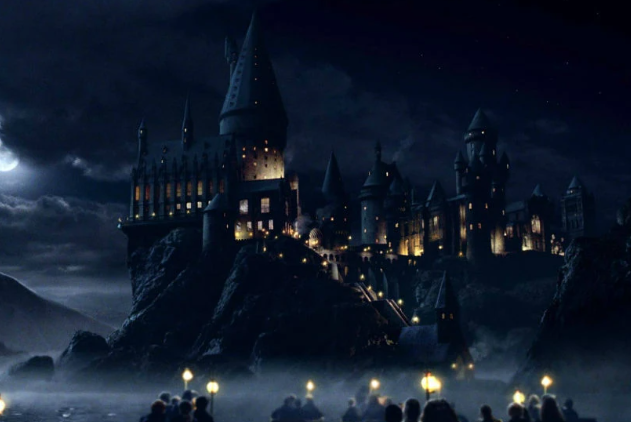
For many, the name “Hogwarts” evokes more than just a fictional setting; it represents the ultimate sanctuary of imagination. Nestled deep within the rugged mountains of Scotland, the Hogwarts School of Witchcraft and Wizardry stands as a thousand-year-old bastion of magical learning. It is a place where the ceiling reflects the sky, staircases have a mind of their own, and the very walls are steeped in ancient enchantments. But Hogwarts is more than just a castle; it is a complex ecosystem designed to mold young minds, foster lifelong alliances, and preserve the delicate balance between the magical and non-magical worlds.
Understanding Hogwarts requires looking past the surface level of wands and owls. It is a masterpiece of world-building that mirrors the complexities of real-world adolescence while heightening them through the lens of the supernatural. From the moment a student receives their emerald-inked invitation to the final, bittersweet departure on the Hogwarts Express, the school acts as a crucible for character. This guide provides a comprehensive deep dive into the mechanics, history, and hidden wonders of the institution that defined a generation.
1. The Sorting Hat: A Sentient Gateway to Identity
The journey at Hogwarts begins not with a textbook, but with a psychological assessment conducted by a frayed, patched, and remarkably vocal piece of headwear. The Sorting Hat is one of the most clever enchantments in the school, possessed of a sharp wit and the ability to peer into a student’s mind. It looks for more than just raw talent; it seeks out the fundamental values that will define a child’s future. By placing students into one of four houses—Gryffindor, Slytherin, Ravenclaw, or Hufflepuff—the hat creates an immediate sense of belonging and community.
This ceremony is a masterclass in the “found family” trope. For many students, the house they are sorted into becomes their primary social unit, providing a dormitory, a common room, and a group of peers who value the same virtues. Whether it is the bravery associated with Gryffindor or the loyalty of Hufflepuff, the Sorting Hat ensures that every student finds a place where their natural inclinations are nurtured. However, the hat also famously takes a student’s choice into account, reminding us that while we may have innate traits, it is our decisions that truly determine our path.
2. A Living Architecture: The Shifting Mysteries of the Castle
Hogwarts is famously described as having 142 staircases, some of which lead to different places on different days. The castle is not a static structure; it is a semi-sentient environment that adapts to the needs and secrets of its inhabitants. This “living architecture” creates an atmosphere of perpetual discovery. Walls might hide doorways that only open if you tickle a painted pear, and corridors might lead to dead ends unless you know the specific password or rhythm to tap on a brick.
The architectural layout of Hogwarts serves as a metaphor for the learning process itself. Much like the magic the students study, the school is layered, complex, and occasionally dangerous for those who don’t pay attention. The portraits on the walls are not mere decorations but the echoes of past wizards and witches who can offer advice, deliver messages, or simply grumble about the noise in the hallways. This interconnectedness ensures that a student at Hogwarts is never truly alone, as the history of the school is physically present in every stone and canvas.
3. The Four Houses: The Pillars of Magical Society
Hogwarts is built upon the disparate philosophies of its four founders: Godric Gryffindor, Salazar Slytherin, Rowena Ravenclaw, and Helga Hufflepuff. Each house represents a different facet of the human spirit. Gryffindor is the home of the daring and the chivalrous, often producing leaders who are willing to charge into the fray. Slytherin prizes ambition, resourcefulness, and a certain disregard for the rules in the pursuit of greatness. Ravenclaw attracts the intellectual and the eccentric, those who value knowledge for its own sake. Hufflepuff, often unfairly overlooked, is the backbone of the school, valuing hard work, patience, and a sense of fair play.
The house system creates a competitive yet collaborative environment, symbolized by the House Cup. Throughout the year, students earn points for academic excellence or good deeds and lose them for rule-breaking. This system instills a sense of collective responsibility; an individual’s actions reflect upon their entire house. While this can lead to intense rivalries—most notably between Gryffindor and Slytherin—it also fosters a deep-seated loyalty that often lasts well into adulthood, shaping the political and social landscape of the broader wizarding world.
4. The Curriculum: Mastering the Laws of the Impossible
Academic life at Hogwarts is a rigorous endeavor that goes far beyond waving a stick and muttering a few words. The curriculum is designed to provide a foundational understanding of the physical and metaphysical laws of magic. Core subjects like Transfiguration (the art of changing one object into another) and Charms (the enchantment of objects to behave in specific ways) require immense focus and precision. Potions class, meanwhile, introduces students to the scientific and often volatile nature of magical chemistry, demanding a meticulous attention to detail.
As students progress, they take on more specialized subjects. Herbology teaches the care and use of magical plants, while Defense Against the Dark Arts prepares them for the practical realities of protecting themselves from malevolent forces. The school also offers elective courses like Care of Magical Creatures, Divination, and Arithmancy. This structured approach to magic suggests that it is a discipline to be mastered through study and practice, rather than an chaotic force. The O.W.L. (Ordinary Wizarding Level) and N.E.W.T. (Nastily Exhausting Wizarding Test) examinations serve as the ultimate benchmarks for a student’s progress, determining their future career paths in the Ministry of Magic or beyond.
5. The Great Hall: The Social and Spiritual Heart
If the dormitories are the students’ homes, the Great Hall is the school’s communal hearth. Dominated by four long house tables and a high table for the staff, the hall is where the most significant events of the school year occur. Its most famous feature is the enchanted ceiling, which is charmed to look like the sky outside, bringing the Scottish weather indoors without the chill. Thousands of floating candles provide a warm, ethereal glow, making the hall a place of both grandeur and comfort.
The Great Hall is the site of the legendary feasts that mark the beginning and end of the terms, as well as holidays like Halloween and Christmas. Beyond the food, which appears magically on gold plates, the hall serves as the central hub for communication. Every morning, hundreds of owls fly in to deliver mail and packages from home. It is in the Great Hall that the headmaster delivers important announcements, where the House Cup is awarded, and where the community gathers in times of both celebration and mourning. It is the one place where all four houses are brought together, reminding them that they are part of a single, unified institution.
6. The Forbidden Forest: The Boundary of Civilization
Bordering the well-manicured lawns of the castle is the Forbidden Forest, a vast, dark woodland that is strictly off-limits to students. The forest represents the “wild” side of magic—the parts of the natural world that cannot be easily tamed or understood within a classroom. It is home to a diverse and often dangerous ecosystem of magical creatures, including centaurs, unicorns, giant spiders, and the occasional escaped hippogriff.
The forest serves as a vital pedagogical tool, even if indirectly. It teaches students about the importance of boundaries and respect for nature. While the castle is a place of safety and order, the forest is a place of ancient laws and unpredictable instincts. The centaurs, for instance, are a proud and intelligent race who live by their own astrological observations rather than wizarding law. The existence of the forest right on the school’s doorstep ensures that students never forget that magic is a part of a larger, untamed world that exists beyond human control.
7. The Room of Requirement: The Castle’s Ultimate Secret
Among the many hidden chambers in Hogwarts, the Room of Requirement (also known as the “Come and Go Room”) is perhaps the most extraordinary. It is a secret room that only appears when someone is in great need of it, and it equips itself according to that need. If a student is looking for a place to hide, the room becomes a labyrinth of hidden objects; if they need a place to practice defensive magic, it becomes a fully equipped training hall.
The Room of Requirement is the ultimate expression of the castle’s “living” nature. It demonstrates that Hogwarts is designed to support its students in ways that are not always obvious. Throughout the history of the school, the room has served many purposes—from a storehouse for contraband to a sanctuary for those resisting tyranny. It is a place where the ordinary rules of space and time seem even more flexible than elsewhere in the castle, acting as a physical manifestation of the school’s ability to provide exactly what its inhabitants need at their most critical moments.
8. Quidditch: The Cultural Phenomenon of the Skies
No explanation of Hogwarts is complete without Quidditch, the premier sport of the wizarding world. Played on broomsticks high above the ground, Quidditch is a fast-paced, often violent game that involves four balls: the Quaffle, two Bludgers, and the elusive Golden Snitch. Each house fields a team, and the matches are the primary source of entertainment and school spirit throughout the year.
Quidditch is more than just a game; it is a vital part of the school’s social fabric. It provides an outlet for physical prowess and strategic thinking, offering a different kind of prestige than academic success. The Quidditch Cup is a source of immense pride, and the matches bring the entire school together in a frenzy of color and cheers. The sport also emphasizes the physical risks of the magical world, with the school’s Matron, Madam Pomfrey, often kept busy mending broken bones and regrowing limbs after a particularly spirited match. It reflects the wizarding world’s love for tradition, spectacle, and a bit of high-flying danger.
9. The Staff: Mentors, Guardians, and Human Flaws
The professors at Hogwarts are some of the most skilled witches and wizards of their age, but they are also deeply human characters with their own histories, prejudices, and secrets. Led by the venerable Albus Dumbledore, the staff provides more than just academic instruction; they act as the guardians of the students’ well-being. Figures like Minerva McGonagall represent the strict but fair discipline of the school, while others like Severus Snape illustrate the complexities of loyalty and the lingering shadows of the past.
The relationship between the staff and students is central to the Hogwarts experience. Because it is a boarding school, the professors often take on a parental role, guiding students through the trials of adolescence as much as the trials of magic. The staff’s diverse backgrounds—ranging from the gentle, creature-loving Hagrid to the meticulous and demanding Professor Flitwick—ensure that students are exposed to a wide variety of perspectives. Their presence provides a sense of continuity and stability, even when the world outside the castle walls is in turmoil.
10. Ancient Protections: Why Muggles Never Find It
One of the most frequent questions about Hogwarts is how such a massive castle remains hidden in the modern world. The answer lies in a series of ancient and powerful “Muggle-repelling” charms. To a non-magical person, Hogwarts does not look like a castle at all; instead, they see a moldering ruin with a sign warning them of danger and telling them to keep out. The school is also “Unplottable,” meaning it cannot be placed on a conventional map.
These protections are not just for privacy; they are a fundamental part of the wizarding world’s “Statute of Secrecy.” The magic surrounding the school is so intense that it actually interferes with electronic devices, which is why you won’t find computers or cell phones working within its grounds. This creates a unique atmosphere where students must rely on older methods of communication and research, such as parchment, quills, and massive library tomes. This isolation preserves the unique culture of the magical world, allowing Hogwarts to remain a timeless pocket of wonder, shielded from the rapidly changing world of technology.
Further Reading
- Hogwarts: An Incomplete and Unreliable Guide by J.K. Rowling
- Harry Potter: Page to Screen by Bob McCabe
- The Unofficial Harry Potter Character Compendium by The Editors of MuggleNet
- Harry Potter: Exploring Hogwarts: An Illustrated Guide by Jody Revenson




5 responses to “Hogwarts Explained: The School of Witchcraft and Wizardry”
[…] Hogwarts Explained: The School of Witchcraft and Wizardry […]
[…] Hogwarts Explained: The School of Witchcraft and Wizardry […]
[…] as the war progressed, Augusta’s perception changed. When Neville began leading the resistance at Hogwarts, she famously expressed her pride, stating that he was finally living up to his parents. Their […]
[…] most jarring aspect of this installment is the absence of the series’ most iconic setting: Hogwarts School of Witchcraft and Wizardry. For five films, the castle served as a sanctuary. In this chapter, the world itself becomes the […]
[…] Hogwarts Explained: The School of Witchcraft and Wizardry […]