
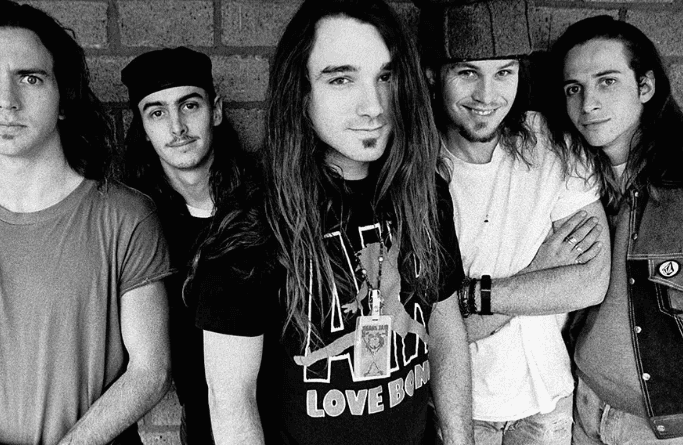
The Pacific Northwest is famous for its evergreen forests and persistent mist, but its most enduring export isn’t timber or coffee—it is a sonic earthquake that reshaped the landscape of modern rock. Pearl Jam didn’t just survive the explosion of the Seattle sound; they became its most resilient stewards. While many of their contemporaries burned out or faded away, this quintet opted for a slow, steady burn that prioritizes artistic integrity over commercial accessibility. To understand Pearl Jam is to understand a philosophy of resistance: resistance against industry norms, resistance against the stagnation of fame, and resistance against the idea that a rock band has an expiration date.
Whether you are a newcomer drawn in by the haunting baritone of Eddie Vedder or a longtime listener who remembers the first time you heard the opening notes of “Even Flow,” there is a depth to this band that transcends their radio hits. They are a complex machine powered by tragedy, surf culture, social activism, and an unbreakable bond with their audience. To truly appreciate their journey, one must look past the flannel-clad caricatures of the early nineties and examine the foundational pillars that make them one of the most significant live acts in history.
1. The Phoenix Rising from the Ashes of Mother Love Bone
To understand the soul of Pearl Jam, one must first understand the heartbreak that preceded it. Before there was a band called Pearl Jam, there was Mother Love Bone, a group poised to be the next global superstars of the Seattle scene. Led by the charismatic and flamboyant Andrew Wood, the band represented a bridge between glam rock and the burgeoning “grunge” sound. However, on the eve of their debut album’s release, Wood succumbed to a tragic overdose. This loss sent shockwaves through the community, but it also left guitarist Stone Gossard and bassist Jeff Ament in a state of creative limbo.
Instead of quitting, Gossard and Ament began recording instrumental demos, eventually enlisting the help of guitarist Mike McCready. These tapes, famously known as the “Stone Gossard Demos,” found their way to a surfer and gas station attendant in San Diego named Eddie Vedder. Vedder recorded vocals over the tracks, creating what would become the “Mamasan Trilogy.” The chemistry was instantaneous and haunting. The band’s inception wasn’t just a business venture; it was a communal healing process. This origin story is vital because it explains the underlying themes of mortality and survival that permeate their entire discography. They are a band built on the premise that out of profound loss, something enduring and beautiful can be forged.
2. The Mysterious Origins of the Mookie Blaylock Era
Before the world knew them as Pearl Jam, the group performed under the name Mookie Blaylock, named after the prolific NBA point guard. This wasn’t just a random choice; it reflected the band’s deep-seated love for basketball and their desire to avoid the pretentiousness often associated with rock naming conventions. They even toured briefly under this moniker, and their debut album, Ten, is a direct homage to Blaylock’s jersey number. The transition to the name “Pearl Jam” remains a bit of a mythic centerpiece in rock history. For years, Eddie Vedder told a tall tale about his Great Aunt Pearl, who supposedly made a “special” hallucinogenic preserve.
While the “Aunt Pearl” story was eventually debunked as a playful prank on the media, the name stuck for its organic, rhythmic feel. The “Mookie Blaylock” roots show a band that never took the “rock star” persona too seriously, preferring to identify with the grit and teamwork of professional sports rather than the ego of the stage. This athletic mindset translated into their live performances—intense, physical, and requiring immense stamina. Even as they became global icons, that early identity as a scrappy team from Seattle remained part of their DNA, ensuring they stayed grounded even as their fame reached the stratosphere.
3. The “Mamasan” Trilogy and the Weight of Lyricism
Eddie Vedder’s entry into the band wasn’t just through a standard audition; it was through a mini-opera of sorts. The three songs he recorded over Stone Gossard’s demos—”Alive,” “Once,” and “Footsteps”—form a narrative arc known as the “Mamasan Trilogy.” This story follows a protagonist dealing with the shock of discovering his father isn’t his biological parent, descending into madness and eventually committing a crime that leads to his execution. While “Alive” became a massive anthem of survival and triumph, its lyrical roots are significantly darker and more autobiographical for Vedder than many listeners realize.
This depth of storytelling set the standard for the band’s songwriting. Vedder didn’t write generic “rock” lyrics; he wrote short stories and character studies. Whether he is channeling the perspective of a troubled student in “Jeremy” or exploring the existential dread of aging in later works, the lyrics are the heartbeat of the Pearl Jam experience. Fans don’t just listen to Pearl Jam; they deconstruct the verses like poetry. This commitment to narrative weight ensures that the songs remain “evergreen”—they deal with universal human emotions like isolation, grief, and the search for identity, making them just as relevant to a teenager today as they were to a listener decades ago.
4. The David vs. Goliath Battle Against Ticketmaster
In the mid-nineties, at the absolute height of their commercial power, Pearl Jam did something unthinkable for a major label artist: they declared war on the ticket industry. Frustrated by high service fees that made their concerts unaffordable for their younger fans, the band took a stand against the corporate giant Ticketmaster. They testified before Congress and attempted to tour using only non-Ticketmaster venues, such as fairgrounds and independent stadiums. It was a logistical nightmare that cost the band millions in lost revenue and nearly broke their momentum.
While the band didn’t “win” the battle in a legal sense, they won the moral high ground and the eternal loyalty of their fanbase. This period defined Pearl Jam as an activist entity. They proved they were willing to sacrifice their own commercial convenience to protect the integrity of the fan-artist relationship. This move shifted the band away from being “pop stars” and solidified their status as a “people’s band.” The boycott is a crucial chapter because it signaled the end of their interest in the mainstream industry machine. From that point forward, they operated on their own terms, focusing on the quality of the experience rather than the volume of the sales.
5. The Musical Chairs of the Drum Throne
For much of their early career, the drummer’s seat in Pearl Jam was something of a revolving door, reminiscent of the “Spinal Tap” trope but with far more talent involved. The band went through several distinct eras of percussion: the steady hand of Dave Krusen on Ten, the aggressive and technical flair of Dave Abbruzzese during their rise to superstardom, and the experimental, jazz-influenced style of Jack Irons. Each drummer brought a different texture to the band’s sound, influencing the direction of the albums they played on. Krusen provided the foundational rock beat, Abbruzzese brought the stadium-filling power, and Irons introduced a more nuanced, world-music sensibility.
The search for a permanent rhythmic anchor finally ended when Matt Cameron, formerly of Soundgarden, joined the fold. Cameron’s arrival brought a sense of stability and technical mastery that allowed the band to explore more complex song structures. Understanding the different “drummer eras” is key for any fan, as it explains why certain albums feel vastly different from others. The band’s ability to integrate these different styles without losing their core identity is a testament to the strength of the Gossard-Ament-McCready-Vedder nucleus. It shows a group that is adaptable and willing to let new influences reshape their collective sound.
6. The Philosophy of the Ever-Changing Setlist
If you go to a Pearl Jam concert two nights in a row, you are virtually guaranteed to see two completely different shows. Unlike many arena acts that rely on choreographed lighting and rigid setlists, Pearl Jam treats every night as a unique conversation with the local audience. Eddie Vedder is known to spend hours before a show researching the city and hand-writing a setlist that reflects the mood of the venue. This spontaneity keeps the band sharp and ensures that the “die-hard” fans—many of whom follow the band for multiple dates—never see the same performance twice.
This philosophy extends to their “Official Bootlegs” series. In an effort to combat low-quality illegal recordings, the band began releasing professionally mixed recordings of nearly every live show they perform. This has created a massive library of live music that allows fans to hear the evolution of a song over time. A track like “Yellow Ledbetter” might feature a different improvised solo and lyrical ad-lib every night. This commitment to the “live” moment is why the band has such a high “repeat” attendance rate. They aren’t just playing songs; they are creating a shared, ephemeral experience that exists only for those in the room that night.
7. Mike McCready and the Spirit of Hendrix
While the “grunge” label often implied a lack of technical virtuosity, Mike McCready shattered that stereotype with his soaring, blues-infused lead guitar work. Influenced heavily by Jimi Hendrix and Stevie Ray Vaughan, McCready brought a classic rock sensibility to the band’s alternative sound. His solos are not just displays of speed; they are emotional outbursts that often serve as the climax of the song. His work on tracks like “Reach Down” (with the side project Temple of the Dog) and “Alive” showcased a level of “guitar hero” charisma that was rare in the early nineties Seattle scene.
McCready’s playing provides the “light” to the “shade” of Stone Gossard’s rhythmic, crunchy riffs. Their interplay is the secret sauce of the Pearl Jam sound. McCready is also known for his incredible energy on stage, often running laps or interacting with the front row while delivering complex solos. For a fan, watching McCready is like watching a lightning rod for the band’s collective energy. His ability to channel raw emotion through his Stratocaster is a major reason why Pearl Jam’s music feels so timeless—it is rooted in the same bluesy soil that nourished the greatest rock legends of the sixties and seventies.
8. Artistic Control and the Rejection of the Music Video
Following the massive success of the “Jeremy” music video—which won multiple awards and became a staple of music television—Pearl Jam made a radical decision: they stopped making music videos entirely for nearly a decade. They felt that the visual medium was beginning to overshadow the music and that it robbed the listener of the ability to create their own mental imagery for the songs. They wanted the audience to connect with the lyrics and the melodies, not the director’s interpretation of them.
This rejection of the “MTV era” was a pivotal moment in their career. It was a clear statement that they were not interested in being “celebrities” or “content creators.” They were musicians, first and foremost. This move arguably saved the band from the burnout that claimed many of their peers. By stepping out of the visual spotlight, they were able to age gracefully and maintain a sense of mystery. For the fans, this meant that the music had to speak for itself. It forced the audience to listen more closely and attend live shows to see the band, fostering a deeper, more intellectual connection with the art.
9. The Synergy of Stone Gossard and Jeff Ament
While Eddie Vedder is the face of the band, Stone Gossard and Jeff Ament are its architects. Having played together in Green River and Mother Love Bone, their musical telepathy is the foundation upon which everything else is built. Gossard is often described as the “rhythm king,” known for his unusual chord voicings and grooving, mid-tempo riffs that give Pearl Jam their distinct “swing.” Ament, an accomplished bassist often seen with his signature fretless bass or 12-string bass, provides the melodic low-end that drives the songs forward.
Their partnership is one of the longest-running in rock history. They provide the structural integrity that allows Vedder and McCready to improvise and explore. Ament is also a key figure in the band’s visual identity, often handling art direction for albums and merchandise. To be a true fan is to appreciate the “Stone and Jeff” engine. They represent the professional, compositional side of the band—the craftsmen who ensure that every song has a solid hook and a purposeful structure. Without their long-standing creative bond, the band likely would have splintered long ago.
10. The Vitalogy of the Ten Club and Activism
Pearl Jam’s relationship with their fans is codified in the “Ten Club,” one of the most organized and loyal fan organizations in music. Originally a small fan club, it has grown into a massive community that offers exclusive vinyl, early access to tickets, and a sense of belonging. The band treats their fans as stakeholders in their journey. This community isn’t just about music; it’s about shared values. Through their “Vitalogy Foundation,” the band has donated millions to various causes including environmental conservation, homelessness, and social justice.
For a Pearl Jam fan, supporting the band is often synonymous with supporting a specific worldview—one that values empathy, civic engagement, and grassroots activism. The band doesn’t just talk about change; they use their platform and their resources to facilitate it. Whether it is campaigning for the release of the West Memphis Three or supporting local food banks in Seattle, the band’s legacy is inextricably linked to their philanthropy. This makes being a fan a deeply rewarding experience that goes beyond the ears; it is a lifestyle of conscience and community.
Further Reading
- Pearl Jam Twenty by Pearl Jam
- Not for You: Pearl Jam and the Present Tense by Ronen Givony
- Pearl Jam Anthology: The Complete Scores by Hal Leonard Corp.
- Five Against One: The Pearl Jam Story by Kim Neely
- 10 Things Every Fan Should Know About Sabrina Carpenter
- 10 Things Every Fan Should Know About Bad Bunny
- 10 Things Every Fan Should Know About The Weeknd
- 10 Things Every Fan Should Know About Taylor Swift
- 10 Things You Should Know About The Band Oasis
- 10 Things You Should Know About The Band My Chemical Romance
- 10 Shocking Movie Performances by Singers Who Proved Everyone Wrong
- 10 Things You Should Know About Bruno Mars
- 10 Things You Should Know About Snoop Dogg Rapper
- 10 Things Every Fan Should Know About NSYNC



