
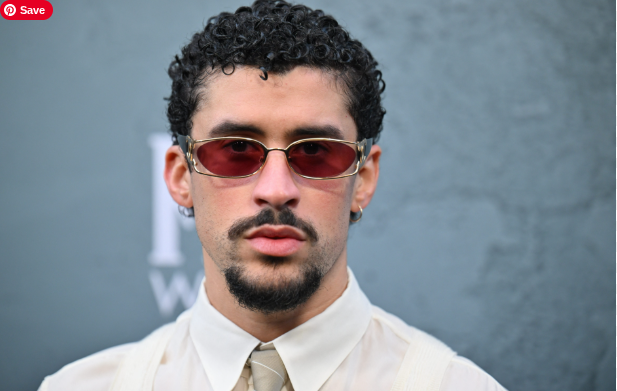
10 Hidden Truths About Bad Bunny: The Ultimate Guide to the King of Latin Trap
Few figures in the history of modern music have managed to shift the global cultural needle as dramatically as the artist known to the world as Bad Bunny. Emerging from the vibrant streets of Puerto Rico, he did not just join the ranks of international superstars; he fundamentally rewrote the playbook for what a global icon looks like, sounds like, and stands for. His rise is often described as meteoric, but a closer look reveals a career built on a foundation of fierce authenticity, strategic non-conformity, and an unwavering connection to his roots.
The fascination with his persona extends far beyond the catchy hooks of reggaeton and Latin trap. He has become a symbol of a new generation—one that rejects the rigid boundaries of gender, language, and genre. Whether he is standing atop a truck in the middle of a protest or flying through the air in a professional wrestling ring, he remains a master of the unexpected. This article dives deep into the essential facts that define his legacy, exploring how a young man who once bagged groceries became the most streamed artist on the planet while remaining, at his core, the same Benito from the island.
Keyword Research
- Primary Evergreen Keyword: Bad Bunny facts
- Secondary/Long-Tail Keywords: Benito Antonio Martínez Ocasio biography, Latin trap music origins, gender-fluid fashion in music, Puerto Rican celebrity activism, professional wrestling celebrity cameos, Spanish language global music success.
1. The Peculiar Childhood Origin of the Name “Bad Bunny”
Long before he was a household name, the artist was simply Benito Antonio Martínez Ocasio. The moniker “Bad Bunny” was not a product of a high-priced marketing firm or a focus group; rather, it was born from a moment of childhood frustration that would eventually become a billion-dollar brand. As a young boy, he was once forced by his parents to dress up in a white rabbit costume for a school event. A photograph captured that day shows him with a deeply annoyed, irritated expression on his face—a “bad” rabbit who clearly wanted to be anywhere else.
Years later, when looking for a stage name that felt both unique and memorable, he remembered that photo. He realized that the image of a grumpy rabbit perfectly encapsulated his desire to be different and his refusal to fit into the typical “macho” image of Latin music stars. The name stands as a permanent reminder of his rebellious spirit. It suggests that even from a young age, he was uncomfortable with the expectations placed upon him by others, preferring to forge an identity that was a bit more complicated, a bit more human, and significantly more interesting than the standard pop-star persona.
2. From Supermarket Bagger to Global Icon: The Grocery Store Years
One of the most inspiring aspects of his story is how recently he was living a life that mirrored that of his fans. Before his songs were played in every club across the globe, he spent his days working as a bagger at a local supermarket in his hometown of Vega Baja. While his hands were busy packing groceries for neighbors and strangers, his mind was occupied with melodies and verses. He has often spoken about this time with great fondness, noting that he never made music with the sole intent of escaping his job; he made music because he simply could not stop.
During his shifts at the grocery store, he was also a student of audiovisual communications, balancing a humble working-class reality with high-minded artistic ambitions. This period of his life is crucial to understanding his “everyman” appeal. He represents the possibility of the digital age—where a person with a dream and a laptop can bypass traditional gatekeepers. His transition from the checkout line to the Grammy stage happened with such speed that it remains a case study in the power of the internet to democratize fame, yet he remains grounded by the memory of those long hours spent under the fluorescent lights of the supermarket.
3. The SoundCloud Revolution: Disrupting the Music Industry Pipeline
He is often hailed as the ultimate “SoundCloud success story.” In the early stages of his journey, he did not wait for a record label to discover him or for a radio station to play his tracks. Instead, he utilized the open-platform nature of SoundCloud to upload his early experiments in Latin trap. These songs, characterized by their heavy bass and his uniquely deep, melodic delivery, began to catch fire among the youth of Puerto Rico. The organic growth of his fan base was so rapid that it eventually forced the industry to come to him.
His breakout moment occurred when one of his independent tracks caught the ear of an influential producer and DJ. This led to a partnership that catapulted him into the mainstream, but the DIY ethos of his SoundCloud days never truly left him. He proved that you didn’t need an English-language crossover or a massive corporate backing to build a movement. By going directly to the listeners, he established a level of intimacy and loyalty with his audience that traditional marketing could never replicate. This disruption changed how Latin music is produced and consumed, paving the way for countless independent artists to find their own voices.
4. Why He Refuses to Sing in English: Breaking the Language Barrier
Perhaps his most radical act is his steadfast refusal to record a full English-language “crossover” album. For decades, the path to global superstardom for Latin artists involved translating their hits into English to appease the North American and European markets. He turned this tradition on its head. He has consistently maintained that he makes music for his people and in his language, and if the rest of the world wants to listen, they are welcome to join—on his terms.
This stance has had a monumental impact on the global music charts. He became the first artist to reach the number-one spot on the primary Billboard album chart with an album recorded entirely in Spanish. By refusing to compromise his linguistic identity, he actually expanded his reach, proving that emotion and rhythm can transcend a language barrier. His success has given a new generation of Latin artists the confidence to stay true to their native tongue, effectively ending the era where “crossover” was a requirement for greatness. He didn’t move toward the global center; he made himself the center and forced the world to move toward him.
5. Bending the Binary: How He Redefined Masculinity in Reggaeton
The genre of reggaeton has a long and complicated history with “machismo”—a cultural emphasis on traditional, often rigid, masculine traits. He entered this space and immediately began to dismantle it. From painting his nails in vibrant colors to wearing skirts and crop tops on red carpets and in music videos, his fashion choices are a deliberate challenge to the status quo. He often uses his platform to speak out against the policing of gender expression, famously appearing on late-night television in a shirt calling attention to the murder of a transgender woman.
His approach to fashion is not just about aesthetics; it is about activism. By presenting a version of masculinity that is fluid, vulnerable, and expressive, he has provided a sense of liberation for fans who felt marginalized by traditional cultural norms. He has managed to remain an alpha figure in a genre that prizes toughness while simultaneously embracing what many would consider “feminine” traits. This duality has made him a hero to the LGBTQ+ community and a pioneer in the “gender-fluid” movement, showing that true strength lies in the courage to be oneself regardless of societal expectations.
6. More Than Music: His Fierce Advocacy for Puerto Rico
While he is a global citizen, his heart remains firmly planted in the soil of Puerto Rico. He is not a celebrity who remains silent on political issues; instead, he has used his fame as a megaphone for the frustrations of his island. During times of civil unrest and political corruption, he has walked alongside citizens in the streets of San Juan, using his social media and his physical presence to demand accountability from those in power. He has often paused his career to focus on the needs of his community, from hurricane relief to protests against government mismanagement.
His music often serves as a Trojan horse for political commentary. One of his most famous music videos includes an eighteen-minute documentary segment about the gentrification of Puerto Rico and the struggles of locals being forced out of their homes. This level of commitment to social issues is rare for an artist of his magnitude. He views his platform not just as a way to sell records, but as a responsibility to protect and celebrate the culture that birthed him. For his fans on the island, he is more than a singer; he is a defender of their identity and a witness to their struggles.
7. The Unexpected In-Ring Career: Becoming a Respected WWE Superstar
One of the most surprising chapters of his life is his genuine success in the world of professional wrestling. Many celebrities make brief, often awkward appearances in the ring for publicity, but he took a different approach. A lifelong fan of the sport, he dedicated himself to rigorous training, eventually competing in major matches that earned the respect of both the performers and the notoriously difficult-to-please wrestling fan base. He did not just “show up”; he performed high-flying maneuvers and technical strikes with the skill of a seasoned veteran.
His involvement in professional wrestling is a testament to his “fan-first” mentality. He often references wrestling legends in his lyrics and incorporates their iconic imagery into his visual style. By stepping into the ring, he fulfilled a childhood dream while also bridging the gap between Latin music and one of the world’s largest entertainment spectacles. His matches are now cited as some of the greatest “celebrity crossovers” in the history of the industry, further proving that he is a polymath who can excel in any arena he chooses to enter, provided he approaches it with passion and respect.
8. Visual Storytelling: The Meaning Behind the Aesthetic Choices
His visual output is just as important as his auditory one. Drawing on his background in audiovisual communications, he oversees every aspect of his music videos and album covers, ensuring they carry a specific, often surrealist, message. Whether he is appearing in drag to protest sexual harassment or utilizing a “sun” with a sad face to represent a complicated summer, his symbols are instantly recognizable and deeply intentional. He treats his music videos as short films, often subverting expectations and playing with different personas.
This commitment to visual storytelling has turned him into a fashion and art icon. He understands that in the modern era, an artist is a “brand” that must be expressed across multiple mediums. His aesthetic often blends the high-fashion world with the gritty, everyday reality of life in the Caribbean. This “low-brow meets high-brow” approach allows him to feel accessible to the streets while remaining a darling of the fashion elite. By controlling his image so tightly, he ensures that his message is never diluted by corporate interests, maintaining a direct line of communication with his audience through art.
9. A Sonic Alchemist: Fusing Rock, Salsa, and Trap
While he is categorized as a reggaeton or trap artist, his musical palette is much broader. He is a sonic alchemist who frequently experiments with rock, salsa, merengue, and even synth-pop. He has recorded songs that sound like classic guitar-driven alternative tracks and others that utilize the traditional brass sections of 1970s salsa. This refusal to stay in a single “lane” is what has kept his sound fresh and unpredictable. He does not follow trends; he anticipates where the music is going and gets there first.
This versatility has allowed him to collaborate with a dizzying array of artists across different genres. He can hold his own alongside legendary rappers, pop divas, and traditional Latin musicians alike. By constantly evolving his sound, he avoids the trap of becoming a “legacy act” who relies on a single hit. Each project is a reinvention, a new exploration of rhythm and melody that keeps the audience guessing. His ability to blend the traditional sounds of his heritage with the cutting-edge technology of modern production is the secret to his longevity and his universal appeal.
10. Breaking the Charts: The Global Impact of an All-Spanish Portfolio
The sheer statistical scale of his success is almost difficult to comprehend. He has consistently been the most streamed artist on the planet, outperforming English-speaking juggernauts who have much larger “native” markets. His albums don’t just top the Latin charts; they dominate the global ones. This is a historic shift in the music industry. It signals the end of the “Western-centric” model of pop music and the beginning of a truly global era where quality and vibe matter more than the specific words being sung.
His chart dominance is a victory for cultural pride. It proves that there is a massive, underserved global audience hungry for authentic stories told in their own voices. He has opened doors for non-English speaking artists from every corner of the world, showing them that the path to the top does not require assimilation. His legacy will be measured not just in the number of records sold or awards won, but in the way he empowered a global community to celebrate their roots without apology. He is the king of a new world order, one where the “Bad Bunny” is the one who leads the pack.
Further Reading
- The Rise of the Latin Trap Movement by Various Contributors (Focusing on the genre’s evolution)
- Puerto Rico: A History of Resistance and Culture by Nelson A. Denis (Context for his activism)
- The New Icons: Fashion and Identity in the 21st Century by Various Authors (Analysis of his style)
- Benito: The Story of a Legend (Biography focused on his early years and rise to fame)
- 10 Things Every Fan Should Know About Sabrina Carpenter
- 10 Things Every Fan Should Know About Bad Bunny
- 10 Things Every Fan Should Know About The Weeknd
- 10 Things Every Fan Should Know About Taylor Swift
- 10 Things You Probably Didn’t Know About The Actor Eddie Murphy
- 10 Things You Need To Know About Tom Hiddleston
- 10 Things You Should Know About The Band Oasis
- 10 Shocking Movie Performances by Singers Who Proved Everyone Wrong
- 10 Things You Should Know About Keeping Up With The Kardashians TV Empire
- 10 Things You Should Know About Bruno Mars



