
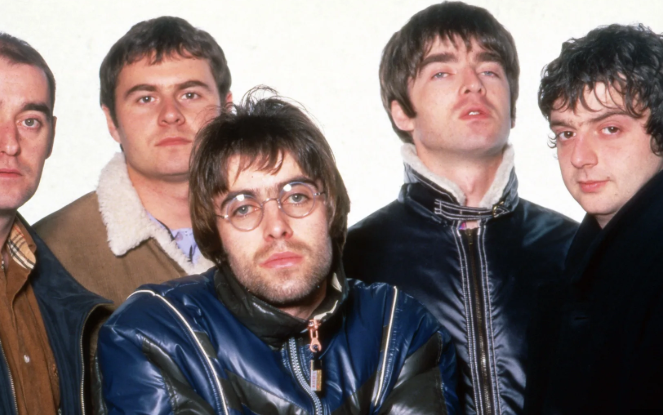
In the mid-90s, the global musical landscape underwent a seismic shift as a group of working-class lads from Manchester stormed the charts with a mixture of raw arrogance and undeniable melody. Oasis wasn’t just a band; they were a cultural movement that defined an era. With their loud guitars, Lennon-esque vocals, and a sibling rivalry that fueled both their creative fire and their eventual destruction, they became the undisputed kings of Britpop.
Understanding Oasis requires looking beyond the tabloid headlines and the “lad culture” aesthetic. At their core, they represented the aspirations of a generation, blending the optimism of the 1960s with a gritty, modern defiance. This guide dives into the history, the records, and the internal chaos of a band that proved that with enough swagger and a few great songs, a group of friends from a council estate could truly live forever.
1. The Roadie Who Became the Songwriter
The foundation of Oasis is often tied to a single moment of rejection and reinvention. Before the world knew him as a master songwriter, Noel Gallagher spent years as a roadie for the Manchester band Inspiral Carpets. While traveling the world tuning guitars and moving equipment, he was quietly honing his craft, writing songs that would eventually change the face of British music. When he returned home and discovered his younger brother, Liam, had joined a band called “The Rain,” Noel saw an opportunity.
He didn’t just join the group; he took control. Under the condition that he would be the sole songwriter and leader, the band was renamed Oasis—taking the name from a poster for a leisure centre on their bedroom wall. This transition from a roadie to a creative mastermind is a crucial part of the band’s DNA. It established the hierarchy that would both sustain and eventually fracture the group. Noel brought the vision and the songs, while Liam brought the voice and the “rock star” attitude, creating a chemical reaction that was as volatile as it was successful.
2. The Explosive Power of the “Sibling Synergy”
The heart of Oasis has always been the relationship between the Gallagher brothers. It is a dynamic defined by “sibling synergy”—a unique blend of vocal harmony and personal discord. Liam’s voice, characterized by a nasal, Lennon-esque sneer and incredible power, provided the perfect vessel for Noel’s anthemic lyrics. When they were in sync, they were arguably the most formidable duo in rock history. However, their relationship was a ticking time bomb, with their frequent on-stage and off-stage physical altercations becoming the stuff of legend.
This rivalry wasn’t just for show; it was the engine that drove the band’s intensity. Whether it was hitting each other with cricket bats during recording sessions or trading insults in every interview, the friction kept the band in the public eye and added a layer of dangerous unpredictability to their live shows. Fans weren’t just watching a concert; they were watching a high-stakes soap opera. This duality—the ability to create beautiful, soaring music while being at each other’s throats—is what made Oasis feel more authentic and “real” than their more polished contemporaries.
3. Definitely Maybe and the Fastest-Selling Debut
When Oasis released their debut album, Definitely Maybe, they didn’t just enter the music industry; they kicked the door down. The album arrived at a time when the world was moving away from the angst-ridden “grunge” scene of America and looking for something more optimistic and British. Tracks like “Supersonic,” “Shakermaker,” and “Live Forever” became instant classics, offering a sense of hope and escape for youth culture.
The album’s success was unprecedented, quickly becoming the fastest-selling debut album in British history up to that point. It was a statement of intent, filled with loud, distorted guitars and lyrics about wanting to be a rock star. The production was intentionally raw and “wall of sound” heavy, capturing the energy of their chaotic live performances. Definitely Maybe established Oasis as a voice for the working class, proving that their confidence was backed by genuine talent. It remains a cornerstone of rock history, often cited as one of the greatest albums of all time.
4. The Peak of Global Dominance: Morning Glory
If their debut made them stars, their second album, (What’s the Story) Morning Glory?, made them a global phenomenon. This record saw the band move toward a more melodic, expansive sound, incorporating strings and acoustic ballads that appealed to a much wider audience. It contained the songs that would define their legacy: “Wonderwall” and “Don’t Look Back in Anger.” These weren’t just radio hits; they became cultural anthems sung in football stadiums and at weddings across the globe.
The album’s dominance was total. It spent months at the top of the charts and sold tens of millions of copies worldwide. During this era, Oasis was inescapable. They captured a specific cultural moment in Britain, often associated with a sense of national pride and artistic revival. The record’s success proved that the band’s “swagger” was backed by a sophisticated understanding of pop melody, cementing their status as the biggest band in the world for a brief, shining period in the mid-90s.
5. The Legendary “Battle of Britpop”
One of the most famous episodes in music history is the rivalry between Oasis and the London-based band Blur, famously dubbed the “Battle of Britpop.” This wasn’t just a competition between two bands; it was a symbolic clash of cultures: the working-class North (Oasis) versus the middle-class South (Blur). The conflict reached a fever pitch when both bands released singles on the same day in a head-to-head race for the number-one spot on the UK charts.
While Blur technically won the initial battle of the singles, Oasis ultimately won the “war” in terms of overall record sales and global influence. The media frenzy surrounding the rivalry helped propel Britpop into the mainstream, turning music into front-page news. This era highlighted the Gallagher brothers’ talent for “trash-talking,” as they used every interview to disparage their rivals, further fueling their image as the “bad boys” of the industry. The rivalry remains a defining moment of the 90s, symbolizing the vibrant, competitive energy of the British music scene.
6. Knebworth: The Largest Demand for Tickets in History
The absolute pinnacle of the band’s live career occurred when they played two nights at Knebworth House. The scale of the event was staggering: over 2.5 million people—roughly 4% of the entire British population—applied for tickets. The 250,000 fans who were lucky enough to attend witnessed a band at the height of their powers, performing to a sea of people that stretched as far as the eye could see.
Knebworth wasn’t just a concert; it was a coronation. It marked the moment Oasis became more than a band; they were the focal point of the nation’s youth. The event was a testament to their “everyman” appeal, as a quarter of a million people gathered to sing along to every word of their anthems. For many fans, this remains the definitive “I was there” moment of the decade. It represented the last great gathering of the pre-internet age, where a single band could unite a massive cross-section of society through the sheer power of their music and personality.
7. The Beatles Comparison and Musical Lineage
From the very beginning, Oasis was unapologetic about their influences, most notably The Beatles. Noel Gallagher frequently cited the “Fab Four” as his primary inspiration, and the band’s music was filled with subtle nods and direct references to the 60s legends. From the melody of “Whatever” to the lyrical references in “Wonderwall,” the ghost of Lennon and McCartney haunted every track. This led to both praise for their classic sensibility and criticism for being “derivative.”
However, this lineage was a key part of their appeal. Oasis wasn’t trying to reinvent the wheel; they were trying to perfect it. They took the melodic DNA of the 60s and injected it with 90s attitude and volume. This made their music feel instantly familiar yet excitingly new. By embracing their heroes, they positioned themselves as the natural successors to the throne of British rock, a claim they backed up with an incredible run of top-ten hits. They proved that the “classic” rock format was still the most potent way to connect with a mass audience.
8. Be Here Now and the “Fastest Selling” Record
The release of their third album, Be Here Now, was perhaps the most anticipated event in British musical history. Following the massive success of their first two records, the hype was insurmountable. When the album finally hit the shelves, it became the fastest-selling album in British history, selling hundreds of thousands of copies on its first day alone. It was a massive, over-the-top production, characterized by long songs, layers upon layers of guitars, and a sense of absolute hedonism.
While the album was initially met with rave reviews, its reputation has become more complex over time. Many critics (and even Noel Gallagher himself) later viewed it as a symbol of the “excess” of the era—an album that was too loud, too long, and perhaps a bit too confident. However, it remains a fascinating document of a band with no limits, operating at the very center of the cultural universe. Its record-breaking sales figures serve as a permanent reminder of the sheer scale of “Oasis-mania” and the feverish devotion of their fanbase.
9. The Chaotic End in Paris: A Guitar and a Leather Jacket
The end of Oasis was as dramatic and public as its beginning. After nearly two decades of internal strife, the band finally imploded backstage at a music festival in Paris in 2009. The final straw was a massive argument between the Gallagher brothers, which reportedly involved a smashed guitar and a dispute over a leather jacket. Minutes before they were due on stage, the show was cancelled, and a statement was issued that the band was no longer together.
Noel Gallagher famously stated that he “simply could not go on working with Liam a day longer.” This sudden, violent end left fans around the world stunned, as the most successful British band of their generation vanished in an instant. The breakup led to years of legal disputes, separate musical projects, and a total cessation of communication between the brothers. The Paris incident is the final chapter of the original Oasis story, a reminder that the same volatile energy that made them great was ultimately what tore them apart.
10. A Lasting Working-Class Legacy
The true legacy of Oasis lies in their impact on the social fabric of Britain and the global music scene. They were one of the last major bands to emerge from a truly working-class background, and their success gave hope to a generation of people who felt overlooked. They didn’t have art school degrees or industry connections; they had talent, ambition, and an iron-clad belief in themselves.
Their music remains an evergreen presence on the radio and at sporting events, proving that their songs have a timeless quality that transcends the specific “Britpop” era. They paved the way for countless other bands to pick up guitars and tell their own stories. Oasis proved that rock and roll wasn’t dead; it just needed a bit of Manchester “attitude” to bring it back to life. Decades later, the question of whether they will ever truly “reunite” remains the most persistent rumor in the music industry, a testament to the fact that the world is still not ready to let go of the “Masterplan.”
Further Reading
- Getting High: The Adventures of Oasis by Paolo Hewitt
- Oasis: What’s The Story? by Ian Robertson
- Supersonic: The Oasis Bible by various contributors
- Oasis: The Truth by Tony McCarroll
- Some Might Say: The Definitive Story of Oasis by Richard Bowes
- 10 Things Every Fan Should Know About Sabrina Carpenter
- 10 Things Every Fan Should Know About Bad Bunny
- 10 Things Every Fan Should Know About The Weeknd
- 10 Things Every Fan Should Know About Taylor Swift
- 10 Things You Should Know About The Band Oasis
- 10 Things You Should Know About The Band My Chemical Romance
- 10 Shocking Movie Performances by Singers Who Proved Everyone Wrong
- 10 Things You Should Know About Bruno Mars
- 10 Things You Should Know About Snoop Dogg Rapper
- 10 Things Every Fan Should Know About NSYNC



