
Disclaimer: This article provides general information about Interstitial Lung Disease. It is not intended as medical advice. If you have questions about your health or a medical condition, please consult a qualified healthcare professional.
Our lungs are amazing organs! They work tirelessly every second, bringing in the oxygen our bodies need to live and getting rid of the carbon dioxide we don’t need. Most of the time, we don’t even think about breathing. But sometimes, things can go wrong with the lungs, leading to conditions that make breathing difficult. One complex group of conditions is called Interstitial Lung Disease, often shortened to ILD.
Hearing about a lung disease can sound scary, but learning more about it can help us understand what it means. ILD affects a specific part of the lungs and can happen for many different reasons. It’s important to know that doctors and researchers are working hard to understand ILD better and find ways to help people manage it. Let’s explore ten key facts about Interstitial Lung Disease to get a clearer picture.
Fact 1: It’s Not Just One Disease, But a Big Group
The first important thing to understand is that Interstitial Lung Disease isn’t a single condition. It’s actually an umbrella term for a large group of over 200 different lung disorders! While they share some similarities in how they affect the lungs, each specific type of ILD can have different causes, treatments, and outcomes. Some common types you might hear about include Idiopathic Pulmonary Fibrosis (IPF), Sarcoidosis, Hypersensitivity Pneumonitis (caused by breathing in certain dusts or molds), and ILD associated with autoimmune conditions like rheumatoid arthritis. Think of it like saying someone has a “skin condition” – that could mean many things, from eczema to sunburn. Similarly, ILD is a broad category covering many distinct lung problems. This variety is why getting an accurate diagnosis of the specific type of ILD is so important for figuring out the best way to manage it.
Fact 2: It Affects the Lung’s “Walls” – The Interstitium
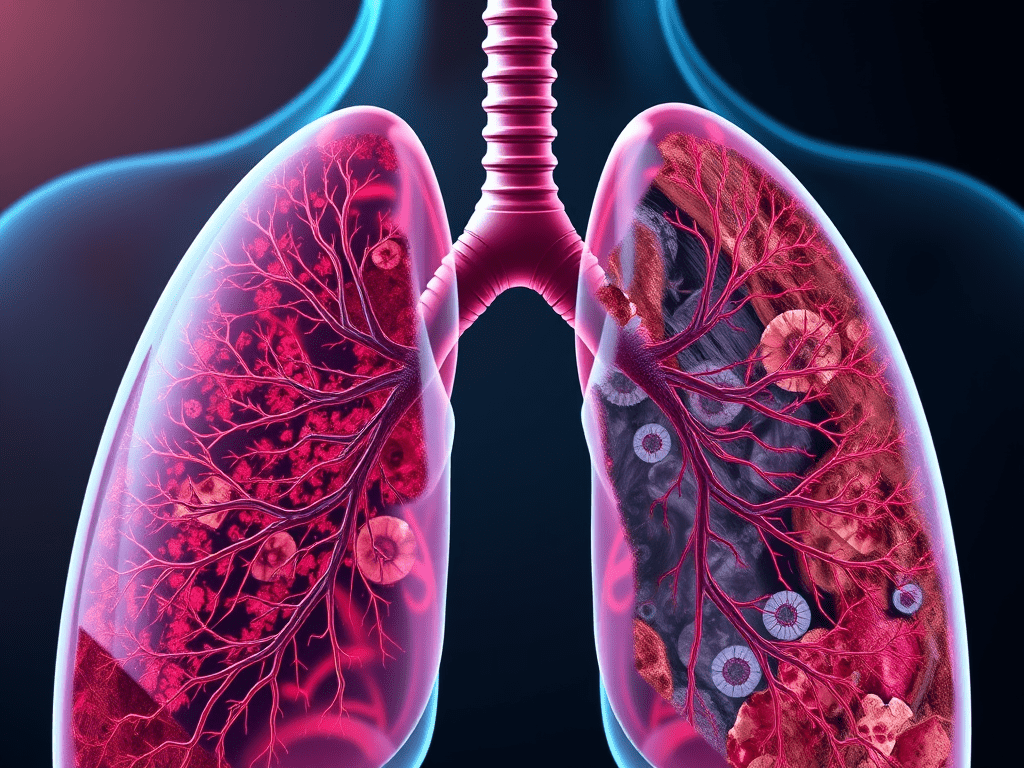
So, what part of the lung does ILD affect? It mainly impacts the interstitium. What’s that? Imagine your lungs are made up of millions of tiny air sacs, like microscopic balloons, called alveoli. These air sacs are where the magic happens – oxygen passes from the air you breathe into your blood, and carbon dioxide passes out. The interstitium is the network of tissue that surrounds and supports these tiny air sacs. Think of it like the thin walls between the rooms in a house, or the delicate lace-like scaffolding that holds everything together. This network includes tissue around the air sacs, tiny blood vessels, and small airways. In people with ILD, this supporting tissue – the interstitium – becomes inflamed (swollen) or scarred. This damage makes the “walls” thick and stiff.
Fact 3: Scarring (Fibrosis) Makes Lungs Stiff
A common problem in many types of ILD is the development of scar tissue in the interstitium. This scarring is called pulmonary fibrosis. Think about what happens when you get a cut on your skin – your body forms a scar to heal it. Scar tissue is tougher and less flexible than normal skin. Something similar happens in the lungs with fibrosis. The delicate, flexible tissue of the interstitium gets replaced by stiff scar tissue. This makes it harder for the tiny air sacs (alveoli) to expand fully when you breathe in, like trying to inflate a stiff balloon. The scarring also thickens the “walls” between the air sacs and the blood vessels, making it harder for oxygen to pass through into the bloodstream. This lack of oxygen and the stiffness of the lungs are what cause many of the symptoms of ILD.
Fact 4: Shortness of Breath & Dry Cough Are Key Symptoms
Because ILD makes the lungs stiff and affects oxygen transfer, the most common symptoms people experience are shortness of breath and a persistent dry cough. The shortness of breath, sometimes called dyspnea, often starts subtly. At first, someone might only notice it during exercise or strenuous activity, like climbing stairs. As the condition progresses, they might feel breathless during everyday activities like getting dressed or even just talking. The cough associated with ILD is typically dry and hacking, meaning it doesn’t produce mucus or phlegm. Other possible symptoms can include extreme tiredness (fatigue), unexplained weight loss, aching muscles and joints, and sometimes a widening and rounding of the fingertips called “clubbing.” If someone experiences persistent breathlessness or a dry cough, it’s important to see a doctor.
Fact 5: Causes Can Be Known or Unknown (Idiopathic)
Where does ILD come from? That’s a tricky question because there are many possible causes, and sometimes doctors can’t find a specific reason. When the cause isn’t known, it’s called idiopathic ILD. The most common type of idiopathic ILD is Idiopathic Pulmonary Fibrosis (IPF). However, many ILDs do have known triggers or associations. These can include:
- Autoimmune diseases: Conditions where the body’s immune system mistakenly attacks its own tissues, like rheumatoid arthritis, lupus, or scleroderma, can sometimes affect the lungs.
- Environmental exposures: Breathing in certain substances over time can trigger ILD. Examples include asbestos fibers, silica dust (from mining or sandblasting), coal dust, certain metal dusts, mold spores, or even proteins from bird droppings (causing hypersensitivity pneumonitis).
- Certain medications: Some drugs used to treat heart conditions, cancer (chemotherapy), or infections can have lung damage as a side effect in some people.
- Radiation therapy: Radiation treatment to the chest area, often for cancer, can sometimes lead to lung scarring later on.
Fact 6: Diagnosis is Like Solving a Puzzle
Because ILD is a group of many diseases with similar symptoms, figuring out the exact type requires some detective work by doctors, usually lung specialists called pulmonologists. It’s like putting together a puzzle using different pieces of information. Doctors will ask detailed questions about symptoms, medical history, family history, medications, hobbies, and work environments (to check for potential exposures). A physical exam, including listening to the lungs with a stethoscope (often hearing distinct crackling sounds, sometimes called “Velcro crackles”), is important. Several tests help complete the picture:
- Lung Function Tests (like Spirometry): These breathing tests measure how much air your lungs can hold and how quickly you can breathe out. ILD often causes a “restrictive” pattern, meaning the lungs hold less air than normal.
- Imaging Tests: A chest X-ray might show some changes, but a High-Resolution Computed Tomography (HRCT) scan gives a much more detailed picture of the lung tissue, often revealing patterns of inflammation or scarring typical of certain ILDs.
- Blood Tests: These can help check for underlying autoimmune diseases or signs of inflammation.
- Bronchoscopy or Biopsy: Sometimes, doctors need a closer look. A bronchoscopy involves inserting a thin tube with a camera into the airways to look around and collect fluid or tiny tissue samples. Occasionally, a surgical lung biopsy (removing slightly larger pieces of lung tissue) is needed for a definite diagnosis.
Fact 7: Treatment Focuses on Slowing the Disease & Easing Symptoms
Currently, there is no cure that can reverse the lung scarring (fibrosis) caused by many types of ILD. However, treatments can help slow down the disease’s progression, manage symptoms, improve quality of life, and prevent complications. The specific treatment depends heavily on the type of ILD and its severity. Common approaches include:
- Medications: If the ILD involves inflammation, doctors might prescribe corticosteroids or other medicines that suppress the immune system. For certain types of fibrotic ILD, like IPF, specific anti-fibrotic drugs (like pirfenidone and nintedanib) are available that can help slow the rate of scarring.
- Oxygen Therapy: If blood oxygen levels become too low, supplemental oxygen (delivered through nasal prongs or a mask) can help reduce breathlessness and allow people to stay more active.
- Pulmonary Rehabilitation: This is a special program combining exercise training (to strengthen breathing muscles and improve endurance), education about the lung condition, and breathing techniques to help manage breathlessness and improve overall well-being.
- Lung Transplant: In some severe, advanced cases, a lung transplant might be considered as an option. Removing or avoiding known causes (like specific dusts or medications) is also a crucial part of treatment.
Fact 8: You Can’t Catch ILD From Someone Else
It’s really important to know that Interstitial Lung Disease is not contagious. You cannot catch ILD from someone who has it, like you can catch a cold or the flu. It doesn’t spread through coughing, sneezing, touching, or sharing space with a person who has ILD. The inflammation and scarring happen inside a person’s own lungs due to various internal factors (like autoimmune disease) or external triggers (like inhaled dusts or medication side effects), not because of an infection being passed from person to person. Knowing this can help reduce worry and stigma sometimes associated with lung conditions. While some causes of ILD might involve infections (like certain viruses), the ILD itself, once developed, is not something that can be transmitted.
Fact 9: Smoking is a Big Risk Factor
While smoking doesn’t directly cause all types of ILD, it is a major risk factor for developing several forms and can make existing ILD worse. Some specific types of ILD, like Respiratory Bronchiolitis-Associated ILD (RB-ILD), Desquamative Interstitial Pneumonia (DIP), and Pulmonary Langerhans Cell Histiocytosis (PLCH), are almost exclusively found in smokers. For Idiopathic Pulmonary Fibrosis (IPF), the most common type, being a current or former smoker significantly increases the risk of developing the disease. Smoking damages the lungs in many ways and can interfere with the body’s natural repair processes, potentially contributing to inflammation and scarring. For anyone diagnosed with any type of ILD, quitting smoking is one of the most important steps they can take to protect their remaining lung function and potentially slow down the disease.
Fact 10: Research Brings Hope for the Future
Living with a chronic lung condition like ILD can be challenging, but it’s important to remember that scientists and doctors are constantly working to understand these diseases better. Active research is happening all over the world. Researchers are studying the complex processes that lead to lung inflammation and fibrosis, trying to identify the exact causes of idiopathic forms. They are looking for new ways to diagnose ILD earlier and more accurately, often using advanced imaging techniques and searching for specific markers (biomarkers) in blood or lung fluid. Most importantly, clinical trials are testing new potential treatments aimed at stopping or even reversing the scarring process, targeting specific molecular pathways involved in the disease. This ongoing research offers real hope for improved therapies and better outcomes for people living with ILD in the future.
Further Reading & Resources
For more detailed and reliable information about Interstitial Lung Disease, you can explore these resources (remember to always discuss specific medical questions with a doctor):
- Asthma + Lung UK: This UK charity provides comprehensive information on various lung conditions, including ILD. (Search their website:
asthmaandlung.org.uk) - Action for Pulmonary Fibrosis: Another UK charity specifically focused on supporting those affected by pulmonary fibrosis, a common feature of many ILDs. (Website:
actionpf.org) - American Lung Association: A major US organization offering extensive information on lung health and diseases, including ILD. (Website:
lung.org) - Mayo Clinic: A reputable medical institution website with detailed, patient-friendly explanations of diseases like ILD. (Search their website:
mayoclinic.org) - “The Remarkable Respiratory System: How Your Body Breathes” by John Burstein – A fun and informative book for younger readers explaining how lungs work.




Leave a Reply