
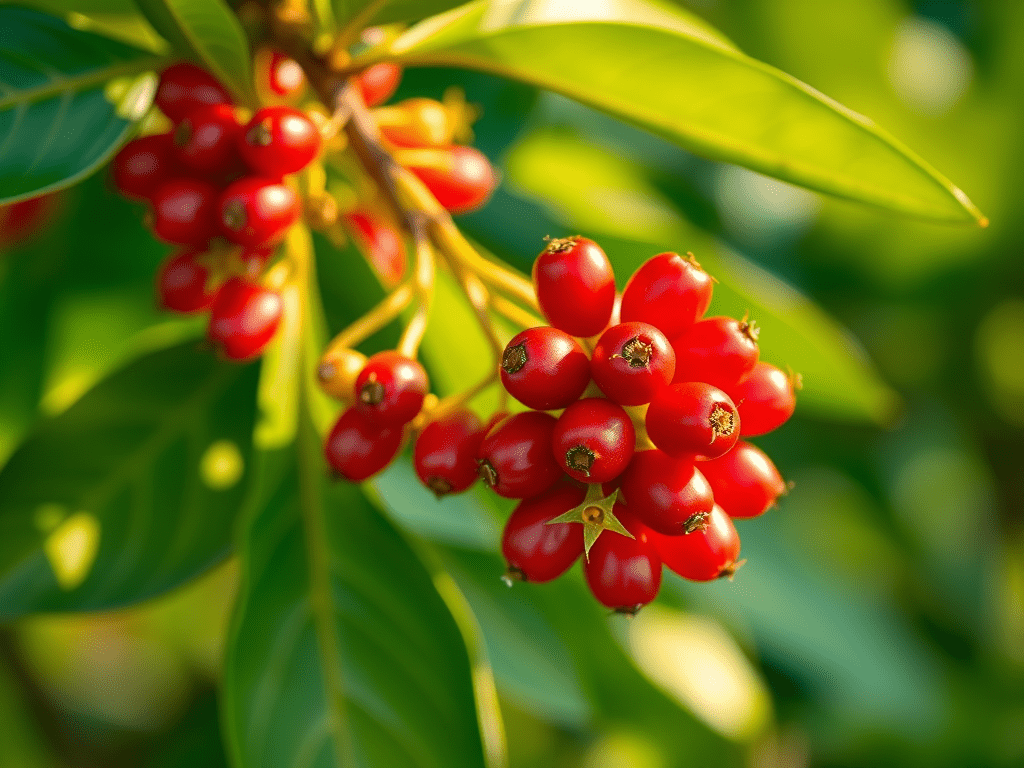
Imagine biting into a lemon and it tastes like sweet lemonade! That’s the magic of the miracle fruit, a tiny red berry with a big secret. Scientifically known as Synsepalum dulcificum, this fascinating fruit has the power to temporarily change how our taste buds perceive sour and bitter flavors, turning them into sweet sensations. Get ready to discover ten truly amazing things about this incredible natural wonder!
1. The Taste-Changing Protein: Miraculin’s Sweet Secret
The secret behind the miracle fruit’s superpower lies in a unique protein called miraculin. Think of your taste buds as tiny locks, and miraculin as a special key. When you eat the berry, miraculin binds to the sweetness receptors on your tongue. Normally, these receptors are activated by sweet things like sugar. However, when miraculin is attached, it doesn’t taste sweet on its own. Instead, it acts like a switch. When sour or acidic foods enter your mouth, the miraculin changes shape and suddenly activates those sweetness receptors, making you perceive the sourness as intense sweetness. It’s like a clever disguise for sour flavors!
2. From West Africa with Flavor: The Berry’s Origins
The miracle fruit isn’t some new invention; it has a rich history in West Africa, where it naturally grows on evergreen shrubs. For centuries, people in this region have used the berries to sweeten their meals and drinks, especially palm wine and sometimes even soured cornbread. Imagine having a natural way to make tart foods more enjoyable – that’s what the miracle berry offered long before sugar became widely available. This shows how people have always looked to nature for solutions and unique culinary experiences.
3. A Natural Sweetener with Potential Health Perks
Beyond its flavor-altering abilities, the miracle fruit is being studied for potential health benefits. Some research suggests it might help manage blood sugar levels by improving insulin sensitivity. For people who need to watch their sugar intake, like those with diabetes, this could be a natural way to enjoy sweet tastes without the actual sugar. Additionally, the miracle berry contains antioxidants, which are like tiny superheroes in your body that fight against damage to your cells.
4. Flavor Tripping Parties: An Unusual Culinary Adventure
In recent times, the miracle fruit has gained popularity for “flavor tripping” parties. Imagine a gathering where everyone eats a miracle berry and then tries all sorts of sour and bitter foods. Lemons taste like candy, hot sauce seems sweet, and even vinegar can be sipped like juice! These events highlight the dramatic effect of miraculin and offer a fun, surprising way to experience food and taste perception. It’s like a science experiment you can eat!
5. More Than Just Taste: Potential for Taste Disorders
Interestingly, the miracle fruit might have a role in helping people with taste disorders, a condition called dysgeusia where food tastes metallic or unpleasant. By altering taste perception, the miracle berry could potentially make food more palatable for individuals undergoing chemotherapy or with other medical conditions affecting their sense of taste. This is an area of ongoing research, but it shows the fruit’s potential to improve quality of life.
6. Not a True Sweetener Itself: The Magic Needs Sourness
It’s important to remember that the miracle fruit itself isn’t very sweet. It has a mildly sweet and slightly tangy flavor. The real magic happens when it interacts with sour or acidic foods. Without the presence of these flavors, the miracle berry doesn’t have a strong sweetening effect. Think of it as a catalyst – it needs something else (the sourness) to trigger its sweetening power.
7. A Delicate Plant: Growing the Miracle
The miracle fruit plant is an evergreen shrub that prefers warm, humid climates and acidic soil. It’s not very tolerant of frost, so in cooler regions, it’s often grown in pots so it can be moved indoors during winter. These plants can take a few years to start producing their unique red berries. Growing miracle berries requires patience and the right conditions, much like cultivating any special and valuable plant.
8. From Ancient Use to Modern Interest: A Long History
While “flavor tripping” might seem like a modern trend, the use of miracle fruit dates back centuries in West Africa. European explorers in the 1700s even documented its taste-altering properties. This long history shows that the unique ability of the miracle berry has been recognized and utilized by different cultures for a very long time, highlighting its enduring fascination.
9. A Glycoprotein Superstar: The Science of Miraculin
Scientists have discovered that miraculin, the key protein in miracle fruit, is a glycoprotein, meaning it’s a protein with carbohydrate molecules attached. This complex structure is what allows it to bind to the taste receptors on our tongue and perform its taste-modifying trick. Understanding the science behind miraculin helps us appreciate the intricate way our bodies perceive taste and how natural compounds can influence this process.
10. Beyond Eating: Potential Skin Benefits Too!
Believe it or not, some studies suggest that miracle fruit might have benefits beyond just altering taste. Its antioxidant properties could potentially help protect the skin from damage and even contribute to better skin health. While more research is needed in this area, it’s another fascinating aspect of this versatile berry, showing that its natural compounds might have multiple uses.
Further Reading:
- “The случайный человек” by Roald Dahl
- “The Omnivore’s Dilemma: A Natural History of Four Meals” by Michael Pollan (though for older readers, specific sections on taste and food science could be relevant with guidance)
- “Edible Wild Plants: A North American Field Guide” by Elias and Dykeman (for understanding other natural food sources)
- “DK Eyewitness Books: Taste” by Neil Curtis (a visually engaging introduction to the science of taste)




Leave a Reply