
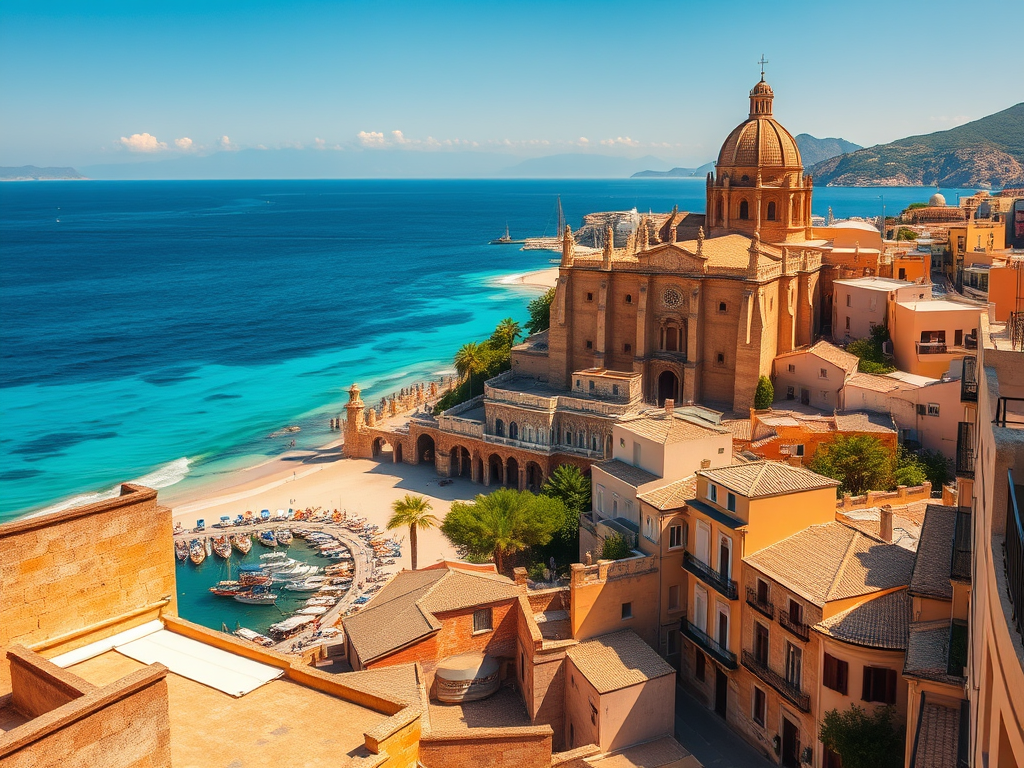
Okay, planning a holiday is exciting, and learning a little bit about your destination beforehand can make it even more fun! If Majorca is on your list, get ready for an amazing experience. It’s one of the most popular islands in the Mediterranean, and for good reason!
Majorca, also known as Mallorca, is much more than just a sunny spot with great beaches. It has a fascinating history, stunning natural beauty, delicious food, and a unique culture. Knowing some interesting facts about Majorca before you go can help you appreciate everything this beautiful island has to offer.
So, whether you’re dreaming of building sandcastles, exploring ancient castles, or hiking through rugged mountains, these ten facts will give you a great head start on your Majorca holiday planning. Let’s dive into what makes this island so special!
1. Majorca is the Biggest of the Balearic Islands
First things first, where exactly is Majorca? It’s located in the Mediterranean Sea, off the eastern coast of Spain. It’s the largest island in a group called the Balearic Islands. Imagine a little archipelago – a cluster of islands – sitting in the sparkling blue sea, and Majorca is the biggest one! The other main islands are Ibiza, Menorca, and Formentera. Being an island means Majorca is surrounded by beautiful coastline, which is definitely one of its biggest attractions for visitors. Its location also means it has a lovely Mediterranean climate, with plenty of sunshine for your holiday. Understanding Majorca’s geography facts helps you picture its setting and appreciate why the sea plays such a big role in island life and tourism.
2. Palma is the Bustling Capital City
Every island needs a capital, and for Majorca, that’s the vibrant city of Palma. Located on the southwestern coast, Palma is a hub of activity and history. One of the most famous sights you’ll see towering over the waterfront is the stunning Gothic cathedral, La Seu. It’s an absolutely enormous and beautiful building that has stood for centuries! Palma’s old town is a maze of narrow streets, charming squares, and historic buildings just waiting to be explored. You can wander through ancient courtyards, discover hidden shops, and soak up the atmosphere. Palma is also where the main airport is located, so it’s likely the first place you’ll see when you arrive. It’s a perfect mix of history, culture, and modern city life, offering plenty of things to see and do.
3. They Speak More Than Just Spanish
While Spanish is the official language spoken in Majorca (like the rest of Spain), the local language is actually Catalan, specifically a dialect called Mallorquín (or Mallorquí). Catalan is spoken by many people on the Balearic Islands and in other parts of Spain, like Catalonia. Don’t worry if you only know Spanish or English, though! Spanish is spoken everywhere, and in tourist areas, many people also speak English, especially in hotels, restaurants, and shops. Learning a few basic phrases in Spanish, like “Hola” (Hello), “Gracias” (Thank you), and “Por favor” (Please), will always be appreciated by the locals and can make interacting a bit more fun during your Majorca holiday.
4. The Coastline is Incredibly Diverse
One of the main reasons people choose Majorca for their holiday is its spectacular coastline, and for good reason! Majorca beaches facts reveal an incredible variety. You’ll find long stretches of soft, golden sand that are perfect for sunbathing and swimming, especially popular in areas like Alcúdia or Cala Millor. But the coast also has hidden gems – tiny, secluded coves with crystal-clear turquoise water, often tucked away between rocky cliffs. These calas, as they are called, are ideal for snorkeling or just enjoying a peaceful swim. Whether you prefer busy, family-friendly beaches with lots of facilities or quiet, picturesque spots off the beaten path, Majorca’s diverse coastline has something for everyone looking for a beach holiday.
5. The Serra de Tramuntana Mountains are a UNESCO Gem
While many people think of Majorca as just a beach destination, it’s also home to a stunning mountain range – the Serra de Tramuntana, which runs along the northwestern coast. These mountains are so beautiful and unique that they have been recognized as a UNESCO World Heritage Site. The landscape is dramatic, with jagged peaks, deep gorges, and picturesque terraced hillsides where olive and citrus trees grow. Exploring the Tramuntana mountains offers a completely different experience from the coast. You can go hiking along ancient trails, visit charming mountain villages like Valldemossa and Deià that cling to the hillsides, or simply enjoy a scenic drive along winding roads with breathtaking views. This mountain range is a key part of Majorca’s geography facts and offers incredible opportunities for outdoor adventures.
6. Get Ready to Enjoy Delicious Local Cuisine
Majorcan food is a delightful part of the island’s culture and a real treat for holidaymakers! The cuisine is influenced by the Mediterranean diet, with lots of fresh seafood, vegetables, olive oil, and local produce. One of the most famous local products is sobrasada, a spreadable sausage made with pork and paprika – it’s delicious on bread! Another must-try is ensaimada, a light, spiral-shaped pastry that’s often eaten for breakfast or as a snack. It’s so popular that you’ll see bakeries everywhere selling them! Don’t forget to try fresh seafood straight from the Mediterranean or enjoy some traditional Spanish tapas. Learning about Majorca’s food facts and trying the local dishes is a tasty way to connect with the island’s culture during your visit.
7. The Island Has a Rich and Layered History
Majorca has a long and fascinating history that you can still see evidence of today as you explore the island. Over centuries, it has been inhabited and influenced by different cultures, including Romans, Vandals, Byzantines, and importantly, the Moors (from North Africa). The Moorish period, which lasted for several centuries, left a significant mark on the island’s architecture, agriculture (especially irrigation systems), and even some place names. Later, the island was conquered by King James I of Aragon in the 13th century, becoming part of the Kingdom of Majorca. You can visit ancient castles, historic churches, and old city walls that tell the story of these different eras. Understanding Majorca history facts for tourists helps you appreciate the layers of the past visible throughout the island.
8. Experience the Relaxed Island Culture
Majorca has its own distinct culture and pace of life, often described as relaxed and easygoing – perfect for a holiday vibe! The islanders, known as Mallorcans, have their own traditions, music, and crafts. Local festivals, called festes, are held throughout the year, celebrating patron saints, harvests, or historical events. If you’re lucky enough to be on the island during a festa, you can experience traditional music, dancing, parades, and fireworks – a truly lively event! Majorca is also known for its traditional crafts, such as pottery (look for the clay whistles called siurells) and the artificial pearls produced in Manacor. Immersing yourself in Majorca culture for visitors means embracing the relaxed pace and enjoying the local customs and hospitality.
9. There are Amazing Attractions Beyond the Beach
While the beaches are a major draw, Majorca offers plenty of other amazing attractions to explore during your holiday. One of the most popular are the island’s stunning cave systems. The Caves of Drach (Coves del Drach) in Porto Cristo are particularly famous, featuring impressive stalactites and stalagmites, and even an underground lake where classical music concerts are held. The Caves of Hams (Coves dels Hams) are also spectacular. Visiting a local market is another great experience; you can find everything from fresh produce and local crafts to clothing and souvenirs. Exploring charming inland villages like Sóller or Valldemossa gives you a taste of traditional island life away from the coast. These interesting facts about Majorca show that there’s so much more to see and do than just sunbathing!
10. Know the Best Time to Plan Your Visit
Majorca enjoys a lovely Mediterranean climate, which means hot, dry summers and mild winters. This makes it a fantastic holiday destination for a large part of the year. The peak season is during the summer months (June to August) when it’s hottest and sunniest – perfect for beach holidays. However, this is also the busiest time. The shoulder seasons, spring (April-May) and autumn (September-October), are also wonderful times to visit. The weather is still warm and pleasant, but it’s less crowded, making it ideal for exploring, hiking, or enjoying the beaches without the peak summer crowds. Even winter can be pleasant, especially for hiking or sightseeing, though it can be cooler and wetter. Knowing the best time to visit Majorca depends on what kind of holiday you’re looking for!
Majorca is a truly special place, offering a fantastic blend of beautiful nature, rich history, delicious food, and a relaxed culture. Knowing these facts about Majorca can help you plan an unforgettable holiday filled with sunshine, adventure, and wonderful experiences. Enjoy your trip!
Further Reading
- Spain: A Colorful History for Kids by Anita C. Price
- National Geographic Kids Everything Castles by Crispin Boyer (Features European castles, relevant to Majorca’s history)
- The Travel Book: A Journey Through Every Country in the World by Lonely Planet Kids (Includes information on Spain and islands)
- Spain (A World of Cultures) by Tracey Newman




Leave a Reply