
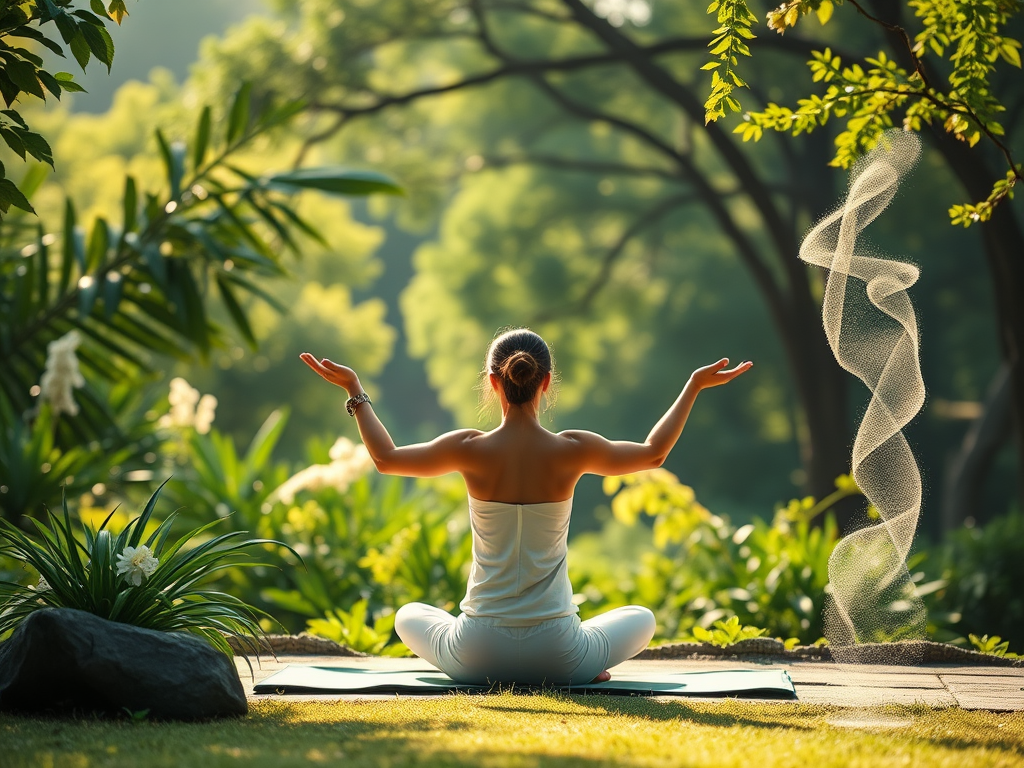
Imagine a world without pharmacies or fancy medical equipment. How did people stay healthy thousands of years ago? They didn’t have all the scientific tools we have today, but they were incredibly smart observers of nature and their own bodies. They developed amazing ways to keep themselves strong, balanced, and happy. And guess what? Many of these ancient wellness practices are not only still around, but modern science is now discovering just how brilliant they were!
In this article, we’re going on a journey back in time to explore ten incredible wellness traditions from ancient civilizations like India and China. We’ll see how their wisdom about health and well-being continues to help us today, proving that sometimes, the oldest ways are still the best ways to live a healthy life. Get ready to discover some fascinating secrets to well-being that have stood the test of time!
1. The Power of Breath: Pranayama and Qigong
Have you ever noticed how your breath changes when you’re feeling excited, nervous, or calm? Ancient cultures understood that breathing wasn’t just about getting oxygen; it was a powerful tool to control your energy and emotions. In ancient India, this was called Pranayama, a key part of yoga practices. It involves specific breathing exercises, like deep belly breathing or alternate nostril breathing, to calm the mind and energize the body.
Similarly, in Traditional Chinese Medicine (TCM), Qigong uses slow, gentle movements combined with deep breathing and meditation. The idea is to cultivate and balance your “qi” (pronounced “chee”), which is your life force energy. Think of your breath as a remote control for your internal system. When you breathe slowly and deeply, it’s like telling your body to relax and switch on its natural healing abilities. Modern science now calls this the “parasympathetic nervous system” – your body’s rest and digest mode. Studies show that these ancient breathing techniques can lower stress hormones, reduce anxiety, improve focus, and even help with sleep. So, next time you’re feeling a bit overwhelmed, try taking a few slow, deep breaths – you’ll be tapping into ancient wisdom!
2. The Art of Mindful Movement: Yoga and Tai Chi
Long before gyms and fitness trackers, people in ancient societies moved their bodies in ways that not only built strength but also brought peace to their minds. Yoga, originating in ancient India, is much more than just stretching. It’s a complete system that combines physical postures (asanas), breathing exercises, and meditation. The goal of ancient yoga was to create harmony between the body, mind, and spirit. Imagine your body as a musical instrument; yoga helps you tune it so it plays a beautiful melody.
In China, Tai Chi is a graceful, slow-motion exercise often described as “meditation in motion.” It involves a series of flowing movements that are gentle on the joints but still build strength, flexibility, and balance. Both yoga and Tai Chi teach you to be present in your body and aware of each movement and breath. Modern research confirms the amazing benefits of these practices, from reducing chronic pain and improving balance (especially important as we get older!) to lowering blood pressure and boosting mood. They are fantastic ways to stay active and connected to your body without needing special equipment or high-impact moves.
3. Harnessing Nature’s Pharmacy: Herbal Medicine
Before pills and prescriptions, plants were our primary source of healing. Almost every ancient civilization, from the Egyptians and Romans to the Chinese and Indigenous cultures around the world, had deep knowledge of herbal medicine. They understood which plants could soothe a cough, ease pain, or boost energy. Imagine a vast, natural pharmacy all around you!
In Traditional Chinese Medicine and Ayurveda, herbs are a cornerstone of treatment. They often use combinations of herbs to create a balanced effect, understanding that different parts of a plant or different plants working together can be more powerful than just one. For example, ginger was used for digestive upset, and turmeric for inflammation, thousands of years ago. Today, science is actively studying these ancient remedies. Many modern drugs actually originated from plants! For instance, aspirin’s active ingredient is similar to a compound found in willow bark, which was used for pain relief in ancient times. This timeless practice reminds us that nature holds incredible healing potential, and many of these natural remedies are still effective and widely used today.
4. The Power of Touch: Massage Therapy
Imagine how good it feels when someone gently rubs your sore muscles. Humans have instinctively known the healing power of touch for millennia. Massage therapy is one of the oldest and most widespread ancient healing techniques, with roots in almost every culture. In ancient Egypt, hieroglyphs show people receiving massages. The Greeks and Romans used massage extensively for athletes and soldiers to recover from injuries and maintain fitness.
In Ayurveda, a traditional Indian system of medicine, daily self-massage (called Abhyanga) with warm oils is a cherished ritual to nourish the skin, calm the nervous system, and improve circulation. In Traditional Chinese Medicine, Tui Na is a type of massage that focuses on meridian points (energy pathways) to balance the body’s qi. Modern science supports these ancient insights: massage reduces muscle tension, improves blood flow, lowers stress hormones like cortisol, and can even boost your immune system. It’s a simple, natural way to relax, de-stress, and support your body’s own healing processes.
5. The Wisdom of Warmth: Heat Therapy and Saunas
Think about how a warm bath feels when you’re tired or achy. Ancient civilizations understood the soothing and healing power of heat. From the Roman baths and Turkish hammams to Finnish saunas and Japanese onsens (hot springs), heat therapy has been a beloved wellness practice for thousands of years. These traditions often involved communal bathing and sweating, not just for cleanliness but also for relaxation and health.
The idea was that heat could help cleanse the body of impurities, relax muscles, and improve circulation. While ancient people might not have understood the exact science, they certainly felt the benefits. Modern science now validates these observations: heat causes blood vessels to dilate, increasing blood flow and helping deliver oxygen and nutrients to tissues while removing waste products. It also helps relax muscles, reduce stiffness, and can even promote the release of endorphins, your body’s natural pain relievers. Regular use of saunas or hot baths can be a wonderful way to relax, detoxify, and support your cardiovascular health.
6. Eating for Balance: Ayurvedic and Traditional Chinese Dietary Principles
Today, we talk a lot about “fad diets,” but ancient cultures had deep, sustainable understandings of how food affects our health. In Ayurveda, the emphasis is on eating according to your unique “dosha” (body type or constitution) and the seasons. The belief is that food isn’t just fuel; it’s medicine that can bring balance or imbalance to your system. They advocate for fresh, whole foods, specific spices for digestion, and mindful eating.
Similarly, Traditional Chinese Medicine views food as having “energetic properties” – some foods are warming, some cooling, some moistening, and some drying. They focus on balancing these qualities in your diet to support your body’s natural harmony and prevent illness. For example, if you’re feeling too “hot” (like with inflammation), they might suggest cooling foods. Modern nutrition science confirms many of these ancient principles: the importance of whole, unprocessed foods, eating a variety of fruits and vegetables, and listening to your body’s signals. These ancient dietary practices emphasize personalized nutrition and a holistic view of food as central to overall well-being.
7. The Power of Fasting: Rest for the Digestive System
The idea of fasting might sound like a new health trend, but it’s actually an ancient practice found in many cultures and religions around the world. From spiritual fasts to occasional periods of abstinence from food, people throughout history understood that giving the digestive system a break could be beneficial. They observed that animals would often fast when they were sick, allowing their bodies to focus on healing.
While ancient people didn’t have microscopes to see cellular processes, they intuitively knew that periodic fasting could “cleanse” the body. Modern science is now exploring various forms of fasting, like intermittent fasting, and discovering its potential benefits. Research suggests that controlled fasting can promote cellular repair (a process called autophagy), improve metabolic health, help regulate blood sugar, and even support brain health. It’s like giving your body a chance to reset and repair itself. However, it’s important to approach fasting safely and, if you’re a child or have any health conditions, always discuss it with a trusted adult or doctor first.
8. Connecting with Nature: Forest Bathing and Earthing
Humans evolved in close connection with the natural world. Ancient cultures deeply understood this bond and often incorporated nature into their wellness rituals. Think of Indigenous peoples who lived in harmony with their environment, or ancient Japanese practices like Shinrin-yoku, often translated as “forest bathing.” This isn’t about swimming in a forest, but rather immersing yourself mindfully in the atmosphere of the forest – taking in the sights, sounds, and smells.
The idea was that spending time in nature could calm the mind and revitalize the spirit. Another related concept is earthing, or grounding, which involves direct physical contact with the Earth’s surface, like walking barefoot on grass or sand. Ancient peoples were naturally “earthed” much of the time. Modern science is now studying how connecting with nature can reduce stress, improve mood, and even boost immunity. Being surrounded by trees can lower heart rate and blood pressure, and fresh air and natural light are vital for physical and mental health. These practices remind us that simply stepping outside and mindfully connecting with the natural world is a powerful and free form of therapy for holistic health.
9. The Importance of Community and Social Connection
While not a “physical” practice, the emphasis on community and social connection was a fundamental aspect of wellness in nearly all ancient societies. Humans are inherently social creatures, and ancient cultures understood that strong bonds with family, friends, and tribe were essential for survival and well-being. From communal meals and storytelling to shared rituals and mutual support, living in a supportive community was a natural part of life.
The wisdom here is simple yet profound: loneliness and isolation can lead to illness, while connection and belonging foster health. Modern science, particularly in fields like psychology and public health, strongly supports this ancient understanding. Studies show that people with strong social connections tend to live longer, have better mental health, and recover faster from illness. It reduces stress, provides emotional support, and gives a sense of purpose. So, make time for your friends and family, participate in group activities, and remember that being connected to others is a vital part of a healthy and happy life.
10. The Power of Sleep and Rest: Aligning with Natural Rhythms
In our busy modern world, sleep often gets pushed aside, but ancient cultures deeply respected the power of rest and sleep. They didn’t have artificial lights or screens keeping them up all night; their lives were much more aligned with the natural rhythms of day and night. Ayurveda and Traditional Chinese Medicine, for example, place a huge emphasis on sleep hygiene and understanding your body’s natural sleep-wake cycles (circadian rhythms). They believed that adequate and quality sleep was crucial for the body to repair, restore, and maintain balance.
Imagine our ancestors going to bed shortly after sunset and waking with the sun. This natural rhythm allowed their bodies to produce important hormones and carry out essential repair processes. Modern sleep science now confirms just how vital sleep is for every aspect of our health – our physical energy, mental clarity, emotional stability, and immune system. Lack of sleep can lead to all sorts of problems. So, prioritizing good sleep, creating a calm bedtime routine, and trying to align your sleep schedule with natural light cycles are ancient wellness practices that have undeniable scientific backing today. It’s the ultimate “recharge” for your entire being.
Further Reading
- “The Little Book of Hygge: Danish Secrets to Happy Living” by Meik Wiking (While Hygge is Danish, the principles of coziness and well-being connect to ancient ideas of environmental harmony).
- “Your Mind Matters: A Young Person’s Guide to Mental Health” by Matthew Johnstone (Explores the mind-body connection in an accessible way).
- “My First Book of Yoga: A Beginner’s Guide to Yoga and Mindfulness” by Katie Edwards (A simple introduction to yoga practices for younger readers).
- “Ancient Remedies for Modern Life: Natural Health Solutions from Ancient Civilizations” by Josh Axe (Provides an overview of various traditional remedies with a modern perspective).
- “The Secret Life of Plants: A Fascinating Account of the Physical, Emotional, and Spiritual Relations Between Plants and Man” by Peter Tompkins and Christopher Bird (While more advanced, it introduces the deep connection between humans and plants, relevant to herbal medicine).
Here at Zentara.blog, our mission is to take those tricky subjects and unlock them, making knowledge exciting and easy to grasp for everyone. But the adventure doesn’t stop on this page! We’re constantly exploring new frontiers and sharing discoveries across the digital universe.
Want to dive deeper into more mind-bending Top 10s and keep expanding your world? Come join us on our other platforms – we’ve got unique experiences waiting for you on each one!
- Get inspired by visual wonders and bite-sized facts: See the world through Zentara’s eyes on Pinterest! Pin our fascinating facts and stunning visuals to your own boards. Explore Pins on Pinterest: https://uk.pinterest.com/zentarablog/
- Discover quick insights and behind-the-scenes peeks: Hop over to Tumblr for snippets, quotes, and unique content you won’t find anywhere else. It’s a different flavour of discovery! Follow the Fun on Tumblr: https://www.tumblr.com/zentarablog
- Ready for deep dives you can listen to or watch? We’re bringing our accessible approach to video and potentially audio! Subscribe to our YouTube channel and tune into future projects that make learning pop! Subscribe on YouTube: https://www.youtube.com/@ZentaraUK
- Seeking even more knowledge in one place? We’ve compiled some of our most popular topic deep dives into fantastic ebooks! Find them on Amazon and keep the learning journey going anytime, anywhere. Find Our Ebooks on Amazon: https://www.amazon.co.uk/s?k=Zentara+UK&ref=nb_sb_noss
- Connect with us and fellow knowledge seekers: Join the conversation on BlueSky! We’re sharing updates, thoughts, and maybe even asking you what wonders we should explore next. Chat with Us on BlueSky: https://bsky.app/profile/zentarablog.bsky.social
- Perfect for learning on the move! We post multiple 10-minute podcasts per day on Spotify. Pop on your headphones and fill your day with fascinating facts while you’re out and about! Listen on Spotify: https://open.spotify.com/show/3dmHbKeDufRx95xPYIqKhJ
- Follow us on Instagram for bytesize knowledge! We post multiple posts per day on our official Instagram account.
https://www.instagram.com/zentarablog/
Every click helps us keep bringing honest, accessible knowledge to everyone. Thanks for exploring with us today – see you out there in the world of discovery!




Leave a Reply