
The term “gluten-free” has become a pervasive part of modern dietary discourse, seen everywhere from restaurant menus to grocery store aisles. For some, it’s a medical necessity, a life-altering prescription to manage severe health conditions. For others, it’s a lifestyle choice, driven by perceived health benefits or a desire to feel better. But what exactly is gluten, and why is avoiding it such a significant topic?
Gluten is a general name for proteins found in wheat, barley, rye, and triticale (a hybrid of wheat and rye). It acts as a “glue” that helps foods maintain their shape, providing elasticity and chewiness, particularly in baked goods. While harmless for most people, for a growing segment of the population, gluten can trigger a range of adverse reactions, from mild discomfort to severe autoimmune responses. Understanding the nuances of a gluten-free diet is crucial for those who must adhere to it and informative for anyone curious about this increasingly common dietary approach.
This article delves into ten key facts about avoiding gluten, clarifying its role in health and exploring the practicalities and implications of a gluten-free lifestyle.
1. Celiac Disease: The Primary Medical Reason for a Gluten-Free Diet
The most well-known and severe reason for adhering to a gluten-free diet is Celiac Disease (CD). This is a serious autoimmune disorder where the ingestion of gluten triggers an immune response that damages the villi, the small, finger-like projections lining the small intestine. This damage impairs the body’s ability to absorb nutrients, leading to malnutrition and a wide range of symptoms, including digestive issues (diarrhea, bloating, abdominal pain), fatigue, weight loss, anemia, skin rashes, and even neurological problems. For individuals with Celiac Disease, avoiding gluten entirely and for life is the only effective treatment to allow the small intestine to heal and prevent long-term complications. Even tiny amounts of gluten (as little as 20 parts per million) can cause damage.
2. Non-Celiac Gluten Sensitivity (NCGS): Gluten Without Intestinal Damage
Beyond Celiac Disease, a condition known as Non-Celiac Gluten Sensitivity (NCGS) affects individuals who experience symptoms similar to Celiac Disease after consuming gluten, but without the characteristic intestinal damage or the autoimmune markers of Celiac Disease. Symptoms can include abdominal pain, bloating, diarrhea or constipation, “brain fog,” headaches, fatigue, and joint pain. The exact cause and mechanisms of NCGS are not fully understood, but it is believed to involve an immune response that is different from Celiac Disease. Diagnosis typically involves ruling out Celiac Disease and wheat allergy, followed by an elimination diet and reintroduction of gluten under medical supervision. For those with NCGS, a gluten-free diet can significantly alleviate symptoms.
3. Wheat Allergy: An Immune Reaction to Wheat Proteins
A wheat allergy is distinct from both Celiac Disease and NCGS. It is an allergic reaction, meaning the immune system mistakenly identifies a protein in wheat (not necessarily just gluten) as a harmful substance. Symptoms of a wheat allergy can be immediate and severe, including hives, swelling, breathing difficulties, and in extreme cases, anaphylaxis. While wheat contains gluten, a wheat allergy means avoiding all wheat-containing products, but not necessarily other gluten-containing grains like barley and rye, unless they also trigger an allergic response. A wheat-free diet is prescribed for this condition, which largely overlaps with a gluten-free diet but has different underlying immunological mechanisms.
4. Gluten is Found in Wheat, Barley, and Rye
The primary sources of gluten are specific cereal grains:
- Wheat: The most common source, found in bread, pasta, cereals, baked goods, couscous, bulgur, semolina, spelt, farro, and many processed foods.
- Barley: Used in malt (malt extract, malt syrup, malt flavoring), beer, and some soups.
- Rye: Found in rye bread, rye crackers, and some alcoholic beverages.
- Triticale: A hybrid of wheat and rye, also contains gluten.
Understanding these core sources is the first step to navigating a gluten-free diet, as they form the backbone of many Western dietary staples.
5. Naturally Gluten-Free Foods: The Basis of a Healthy Diet
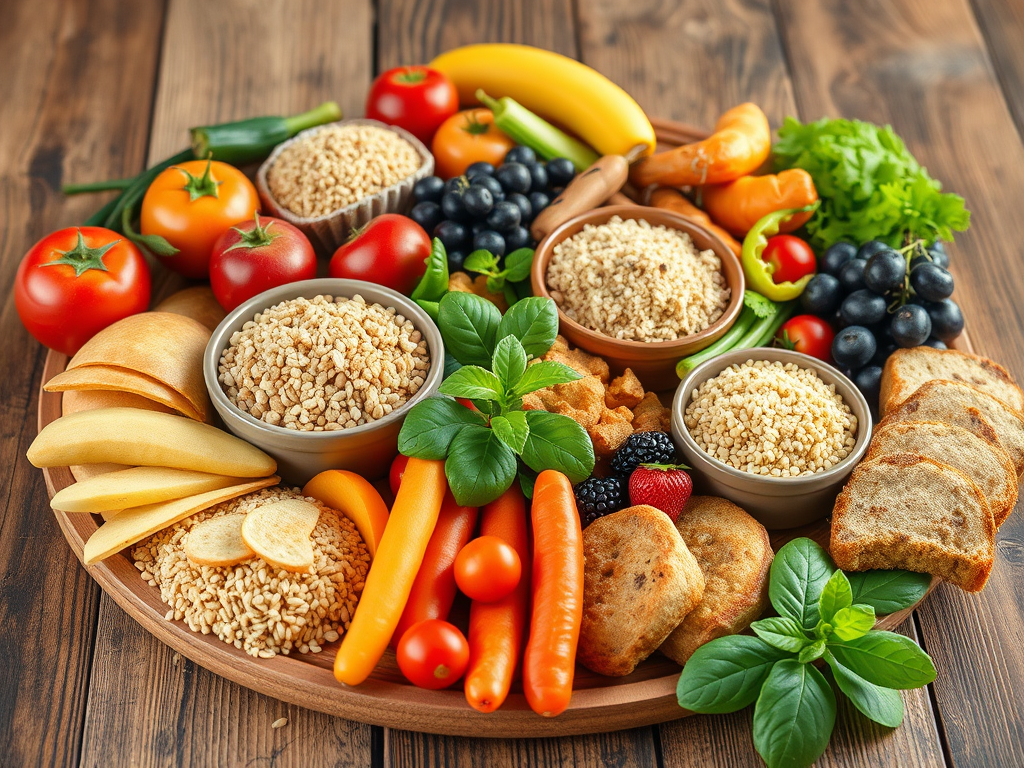
For those avoiding gluten, there is still a vast array of delicious and nutritious naturally gluten-free foods to choose from. These include:
- Fruits and vegetables: All fresh and most frozen varieties.
- Meats and poultry: Unprocessed, fresh cuts (beef, pork, chicken, turkey).
- Fish and seafood: All types.
- Dairy products: Milk, plain yogurt, cheese (check flavored varieties for additives).
- Legumes: Beans, lentils, chickpeas, peas.
- Nuts and seeds: All types.
- Naturally gluten-free grains: Rice (all types), quinoa, corn, buckwheat, millet, amaranth, teff, sorghum. Basing a gluten-free diet around these whole, unprocessed foods ensures adequate nutrient intake and provides a wide variety of culinary options.
6. Hidden Gluten: The Importance of Label Reading
One of the biggest challenges of a gluten-free diet is identifying hidden gluten in processed foods. Gluten can be present as a thickener, binder, or flavoring agent in surprising places. Common hidden sources include:
- Sauces and gravies: May contain wheat flour or malt.
- Soups and broths: Often thickened with wheat or contain barley malt.
- Marinades and salad dressings.
- Processed meats: Deli meats, sausages, hot dogs.
- Candy and chocolate: Some contain malt or other wheat-derived ingredients.
- Soy sauce: Traditional soy sauce is made with wheat (opt for tamari).
- Modified food starch: Can be wheat-derived.
- Malt flavoring/extract: Derived from barley. Thorough label reading is essential, looking for “gluten-free” certifications or checking ingredient lists for wheat, barley, rye, malt, or hydrolyzed wheat protein.
7. Gluten-Free Doesn’t Automatically Mean Healthier or Lower Calorie
A common misconception is that a gluten-free diet is inherently healthier or leads to weight loss for everyone. For those with Celiac Disease or NCGS, it is undeniably healthier as it resolves their symptoms and promotes healing. However, for individuals without a medical necessity, going gluten-free doesn’t automatically confer health benefits and can sometimes lead to nutritional deficiencies. Many commercially produced gluten-free products (e.g., breads, cookies, crackers) are often made with refined flours (like rice flour, tapioca starch, potato starch), which can be lower in fiber, vitamins, and minerals compared to their gluten-containing counterparts. They may also contain more sugar, unhealthy fats, and calories to compensate for taste and texture. A healthy gluten-free diet, therefore, must focus on naturally gluten-free whole foods.
8. Potential Nutritional Deficiencies on an Unplanned Gluten-Free Diet
If a gluten-free diet is not well-planned or medically supervised, it can lead to nutritional deficiencies. Traditional gluten-containing grains, especially fortified ones, are significant sources of:
- Fiber: Important for digestive health and blood sugar control.
- B Vitamins: Thiamin, riboflavin, niacin, and folate, crucial for energy metabolism.
- Iron: Essential for red blood cell production.
- Magnesium: Involved in over 300 biochemical reactions.
- Zinc: Important for immune function. Relying heavily on highly processed gluten-free substitutes can exacerbate these deficiencies. It’s important to replace gluten-containing staples with nutrient-rich, naturally gluten-free alternatives like quinoa, brown rice, gluten-free oats (certified), fruits, vegetables, and legumes to ensure a balanced intake.
9. Cross-Contamination is a Significant Concern for Celiac Disease
For individuals with Celiac Disease, cross-contamination is a major concern. Even trace amounts of gluten can trigger an immune response and intestinal damage. This means preventing gluten-containing foods from coming into contact with gluten-free foods, cooking surfaces, or utensils.
- In homes, this might involve separate toasters, cutting boards, and cooking utensils.
- In restaurants, it requires careful communication with staff and awareness of kitchen practices.
- Oats, while naturally gluten-free, are often processed in facilities that also handle wheat, barley, or rye, making certified gluten-free oats essential for those with Celiac Disease. Understanding and meticulously avoiding cross-contamination is critical for managing Celiac Disease effectively.
10. The History of the Gluten-Free Diet: From Wheat-Free to GF Standard
The understanding of Celiac Disease and the gluten-free diet has evolved significantly over time. Early observations connecting wheat and celiac symptoms date back to the late 19th and early 20th centuries, with Dutch pediatrician Willem Karel Dicke pioneering a wheat-free diet for children with celiac disease in the 1940s during World War II, noticing improvement when wheat bread was unavailable. The full role of gluten (not just wheat) was later confirmed. Over decades, scientific understanding deepened, leading to the development of more precise diagnostic tests and clearer dietary guidelines. The rise of gluten-free products in mainstream markets is a relatively recent phenomenon, driven by increased diagnoses and growing public awareness, making adherence to the diet more accessible than ever before.
The gluten-free diet is a complex and evolving topic, crucial for those with specific medical conditions and a lifestyle choice for others. By understanding these key facts, individuals can navigate this dietary approach more effectively, ensuring their health and well-being.
Further Reading
- Celiac Disease: A Guide to a Gluten-Free Lifestyle by Peter H.R. Green, MD, and Rory Jones
- Gluten-Free Diet: A Comprehensive Resource Guide by Tricia Thompson, MS, RD
- The G.F. Diet: The Comprehensive Gluten-Free Lifestyle Guide by Elisabeth Hasselbeck
- Living Gluten-Free For Dummies by Danna Korn
- The Celiac Disease Foundation (Celiac.org) website and resources.
Here at Zentara.blog, our mission is to take those tricky subjects and unlock them, making knowledge exciting and easy to grasp for everyone. But the adventure doesn’t stop on this page! We’re constantly exploring new frontiers and sharing discoveries across the digital universe. Want to dive deeper into more mind-bending Top 10s and keep expanding your world? Come join us on our other platforms – we’ve got unique experiences waiting for you on each one!
Get inspired by visual wonders and bite-sized facts: See the world through Zentara’s eyes on Pinterest!
Pin our fascinating facts and stunning visuals to your own boards. Explore Pins on Pinterest: https://uk.pinterest.com/zentarablog/
Discover quick insights and behind-the-scenes peeks: Hop over to Tumblr for snippets, quotes, and unique content you won’t find anywhere else. It’s a different flavour of discovery! Follow the Fun on Tumblr: https://www.tumblr.com/zentarablog
Ready for deep dives you can listen to or watch? We’re bringing our accessible approach to video and potentially audio! Subscribe to our YouTube channel and tune into future projects that make learning pop! Subscribe on YouTube: https://www.youtube.com/@ZentaraUK
Seeking even more knowledge in one place? We’ve compiled some of our most popular topic deep dives into fantastic ebooks! Find them on Amazon and keep the learning journey going anytime, anywhere. Find Our Ebooks on Amazon: https://www.amazon.co.uk/s?k=Zentara+UK&ref=nb_sb_noss
Connect with us and fellow knowledge seekers: Join the conversation on BlueSky! We’re sharing updates, thoughts, and maybe even asking you what wonders we should explore next. Chat with Us on BlueSky: https://bsky.app/profile/zentarablog.bsky.social
Perfect for learning on the move! We post multiple 10-minute podcasts per day on Spotify. Pop on your headphones and fill your day with fascinating facts while you’re out and about! Listen on Spotify: https://open.spotify.com/show/3dmHbKeDufRx95xPYIqKhJFollow us on Instagram for bytesize knowledge! We post multiple posts per day on our official Instagram account. https://www.instagram.com/zentarablog/ Every click helps us keep bringing honest, accessible knowledge to everyone. Thanks for exploring with us today – see you out there in the world of discovery!




Leave a Reply