
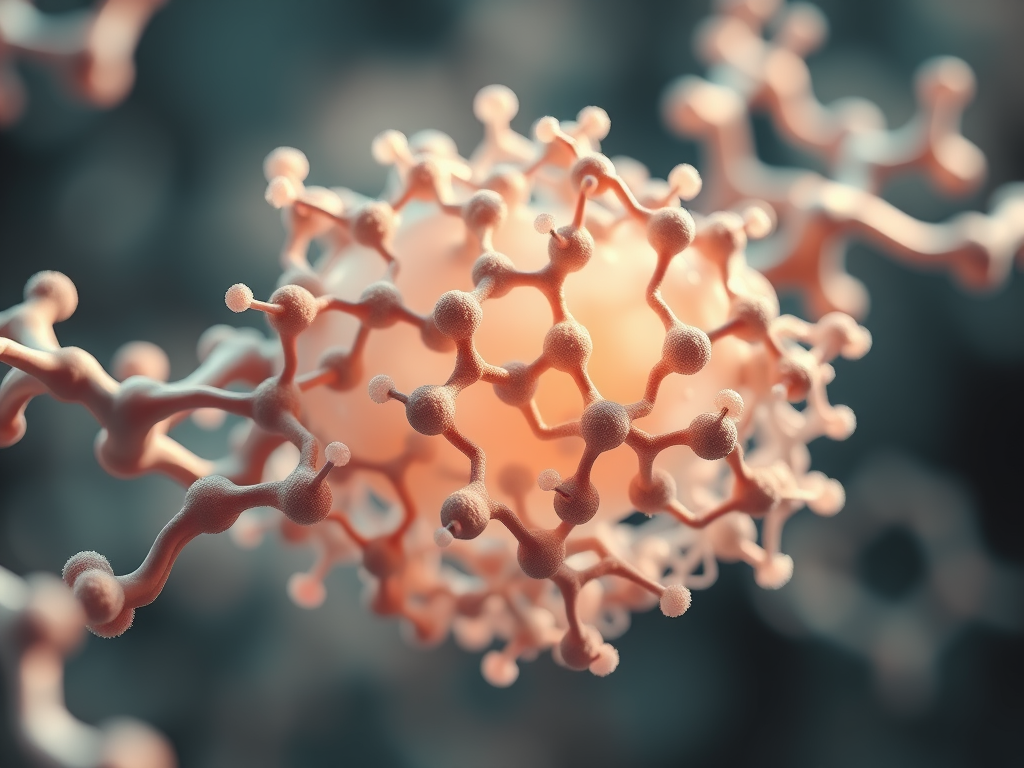
Protein is one of the three macronutrients, alongside carbohydrates and fats, essential for human life. Far from being just about building bigger muscles, protein plays a multifaceted and indispensable role in virtually every biological process within your body. It is the fundamental building block of cells, tissues, and organs, performing an astonishing array of functions that are critical for growth, repair, maintenance, and overall health. Without adequate protein, the body simply cannot function optimally.
Understanding the various roles protein plays can illuminate why it’s so crucial to include sufficient amounts in your daily diet. From the microscopic level of cellular repair to the macroscopic functions of movement and immunity, protein is constantly at work, ensuring your body operates smoothly and efficiently. This article explores ten key facts about protein, shedding light on its vital functions and why it truly is a cornerstone of good health.
1. The Body’s Primary Building Block: Construction and Repair
At its most fundamental level, protein is the primary building block for all cells and tissues in your body. Think of protein as the bricks, mortar, and scaffolding for your entire physical structure. Every cell, from your skin and hair to your muscles, bones, and internal organs, contains protein. Your body is constantly breaking down and rebuilding tissues, a process known as protein turnover. Adequate protein intake provides the necessary amino acids (the smaller units that make up proteins) to facilitate this continuous construction and repair. This is why protein is crucial for growth in children, muscle repair after exercise, wound healing, and maintaining the integrity of all bodily structures throughout life.
2. Essential for Muscle Growth and Repair: Beyond the Gym
While protein’s role in muscle growth and repair is widely known, it’s not just for bodybuilders. When you exercise, particularly resistance training, you create microscopic tears in your muscle fibers. Protein provides the amino acids necessary for your body to repair these “damages,” and in the process, build the muscle fibers back stronger and larger. This process is called muscle protein synthesis. Without sufficient protein, your body lacks the raw materials to effectively repair and grow muscle tissue, leading to slower recovery and hindered progress. For active individuals, adequate protein intake is crucial for performance, recovery, and preventing muscle loss, a process that naturally occurs with aging (sarcopenia).
3. Production of Enzymes and Hormones: The Body’s Chemical Messengers
Many of the body’s vital functions are regulated by enzymes and hormones, both of which are primarily made of protein. Enzymes are biological catalysts that speed up nearly all chemical reactions in your body, from digestion (breaking down food) to energy production. Without enzymes, these reactions would occur too slowly to sustain life. Hormones, such as insulin (which regulates blood sugar) or growth hormone, are protein-based molecules that act as chemical messengers, coordinating processes between different cells and organs. For instance, insulin’s primary function is to signal cells to absorb glucose from the bloodstream. Adequate protein intake ensures that your body has the raw materials to produce these critical regulatory molecules, allowing for proper metabolism and bodily function.
4. Crucial for Immune Function: Your Body’s Defense System
Protein plays a critical role in supporting a robust immune system, which defends your body against infections, viruses, and diseases. Antibodies, the specialized proteins that identify and neutralize foreign invaders like bacteria and viruses, are directly made from dietary protein. Various immune cells, such as white blood cells, also rely on protein for their structure and function. A deficiency in protein can compromise immune response, making individuals more susceptible to illness and impairing their ability to fight off infections effectively. Maintaining adequate protein intake is therefore essential for keeping your body’s defense mechanisms strong and resilient, especially during times of stress or illness.
5. Transportation of Nutrients and Substances: The Internal Delivery System
Proteins act as crucial transport molecules within your body, facilitating the movement of various substances. Hemoglobin, a protein found in red blood cells, is responsible for carrying oxygen from your lungs to all the tissues and cells throughout your body. Other transport proteins embed themselves in cell membranes, acting as channels or pumps that regulate the movement of nutrients (like glucose and amino acids), electrolytes (like sodium and potassium), and waste products in and out of cells. Without these transport proteins, vital nutrients wouldn’t reach their destinations, and waste products would accumulate, severely disrupting cellular function and overall health. They are the body’s internal delivery and waste management system.
6. Maintaining Fluid Balance: Preventing Swelling and Dehydration
Protein, particularly a protein called albumin in the blood plasma, plays a critical role in maintaining proper fluid balance within the body. Albumin contributes significantly to osmotic pressure, which is the force that helps to keep fluid within your blood vessels and prevent it from leaking into surrounding tissues. If protein levels in the blood are too low (due to malnutrition or certain medical conditions), fluid can accumulate in the interstitial spaces, leading to swelling (edema), often visible in the ankles and feet. Furthermore, proteins embedded in cell membranes regulate the movement of water and ions across cell boundaries, ensuring proper hydration and cellular integrity.
7. Provides a Source of Energy (When Needed): Fuel of Last Resort
While carbohydrates and fats are the body’s preferred primary energy sources, protein can also be used for energy production, though it’s typically considered the “fuel of last resort.” When carbohydrate and fat stores are insufficient (e.g., during prolonged fasting, intense exercise without adequate fuel, or extreme calorie restriction), the body can break down protein, primarily from muscle tissue, into amino acids. These amino acids can then be converted into glucose (gluconeogenesis) or other compounds that can be used for energy. However, using protein for energy means it’s not available for its more crucial structural and functional roles, which can lead to muscle loss and compromised bodily functions.
8. Forms Structural Components: Hair, Skin, Nails, and Connective Tissues
Beyond muscles, protein forms the fundamental structural components of various tissues, giving them strength, elasticity, and shape. Keratin, a fibrous protein, is the primary component of your hair, skin, and nails. Collagen and elastin are structural proteins that provide strength, flexibility, and elasticity to connective tissues throughout the body, including skin, tendons, ligaments, and cartilage. They are essential for maintaining the integrity and flexibility of your joints and organs. Adequate protein intake ensures the continuous regeneration and health of these vital structural elements, contributing to healthy skin, strong nails, and flexible joints.
9. Composed of Amino Acids: Essential vs. Non-Essential
All proteins are made up of smaller units called amino acids. There are 20 different amino acids commonly found in human proteins. Of these, nine are considered “essential amino acids” (EAAs) because your body cannot synthesize them on its own; they must be obtained through your diet. The other eleven are “non-essential amino acids,” meaning your body can produce them from other amino acids or molecules. To ensure your body has all the necessary building blocks for its diverse protein functions, it’s crucial to consume a diet that provides all nine essential amino acids.
10. Complete vs. Incomplete Proteins: Dietary Sources
Proteins are categorized as “complete” or “incomplete” based on their amino acid profile.
- Complete proteins contain all nine essential amino acids in sufficient quantities. Most animal-based protein sources, such as meat, poultry, fish, eggs, and dairy products, are complete proteins.
- Incomplete proteins are deficient in one or more essential amino acids. Most plant-based protein sources, such as legumes (beans, lentils), grains, nuts, and seeds, are incomplete proteins individually. However, vegetarians and vegans can still obtain all essential amino acids by consuming a variety of incomplete plant proteins throughout the day (e.g., rice and beans, hummus and pita), as their amino acid profiles complement each other. Soy (tofu, tempeh, edamame), quinoa, and hemp seeds are examples of plant-based complete proteins.
Understanding the diverse and critical roles protein plays underscores why it’s not just a nutrient for athletes, but a fundamental requirement for the health and optimal functioning of every individual, every single day.
Further Reading
- Nutrition for Dummies by Carol Ann Rinzler
- The Complete Idiot’s Guide to Sports Nutrition by Jamie Lee Curtis and Josh Clark
- Eat, Drink, and Be Healthy: The Harvard Medical School Guide to Healthy Eating by Walter C. Willett, MD
- Deep Nutrition: Why Your Genes Need Traditional Food by Catherine Shanahan, MD
- Protein Power: The High-Protein/Low-Carbohydrate Way to Lose Weight, Feel Fit, and Boost Your Health–in Just Weeks! by Michael Eades and Mary Dan Eades
Here at Zentara.blog, our mission is to take those tricky subjects and unlock them, making knowledge exciting and easy to grasp for everyone. But the adventure doesn’t stop on this page! We’re constantly exploring new frontiers and sharing discoveries across the digital universe. Want to dive deeper into more mind-bending Top 10s and keep expanding your world? Come join us on our other platforms – we’ve got unique experiences waiting for you on each one!
Get inspired by visual wonders and bite-sized facts: See the world through Zentara’s eyes on Pinterest!
Pin our fascinating facts and stunning visuals to your own boards. Explore Pins on Pinterest: https://uk.pinterest.com/zentarablog/
Discover quick insights and behind-the-scenes peeks: Hop over to Tumblr for snippets, quotes, and unique content you won’t find anywhere else. It’s a different flavour of discovery! Follow the Fun on Tumblr: https://www.tumblr.com/zentarablog
Ready for deep dives you can listen to or watch? We’re bringing our accessible approach to video and potentially audio! Subscribe to our YouTube channel and tune into future projects that make learning pop! Subscribe on YouTube: https://www.youtube.com/@ZentaraUK
Seeking even more knowledge in one place? We’ve compiled some of our most popular topic deep dives into fantastic ebooks! Find them on Amazon and keep the learning journey going anytime, anywhere. Find Our Ebooks on Amazon: https://www.amazon.co.uk/s?k=Zentara+UK&ref=nb_sb_noss
Connect with us and fellow knowledge seekers: Join the conversation on BlueSky! We’re sharing updates, thoughts, and maybe even asking you what wonders we should explore next. Chat with Us on BlueSky: https://bsky.app/profile/zentarablog.bsky.social
Perfect for learning on the move! We post multiple 10-minute podcasts per day on Spotify. Pop on your headphones and fill your day with fascinating facts while you’re out and about! Listen on Spotify: https://open.spotify.com/show/3dmHbKeDufRx95xPYIqKhJFollow us on Instagram for bytesize knowledge! We post multiple posts per day on our official Instagram account. https://www.instagram.com/zentarablog/ Every click helps us keep bringing honest, accessible knowledge to everyone. Thanks for exploring with us today – see you out there in the world of discovery!




Leave a Reply