
The term “hyperlipidemia” might sound complex and intimidating, but it simply means you have high levels of lipids (fats), such as cholesterol and triglycerides, in your blood. You’ve almost certainly heard of its more common name: high cholesterol. This widespread condition affects millions of people in the UK and worldwide, yet it’s often misunderstood. Because it typically has no symptoms, many people are unaware they have it until a serious health event, like a heart attack or stroke, occurs. Understanding the fundamentals of high cholesterol is one of the most powerful steps you can take to protect your cardiovascular health. It’s not just about “good” and “bad” numbers on a lab report; it’s about comprehending how your lifestyle and genetics can influence your risk and what you can do about it. Join us as we demystify this silent condition with ten essential facts about hyperlipidemia.
1. It’s More Than Just “High Cholesterol”
While “high cholesterol” is the common term, hyperlipidemia is a broader and more accurate description. The condition involves high levels of any or all lipids in the blood. The two most important lipids to know are cholesterol and triglycerides. Think of your bloodstream as a busy motorway. Cholesterol and triglycerides are like different types of cargo that need to be transported, but they can’t travel on their own because they don’t dissolve in blood. So, they are packaged into particles called lipoproteins. The main types are Low-Density Lipoprotein (LDL) and High-Density Lipoprotein (HDL). Hyperlipidemia means the balance is off—there might be too much LDL cholesterol, too many triglycerides, or not enough HDL cholesterol. A standard lipid panel blood test will measure all these components, giving your doctor a complete picture of your lipid profile, not just a single cholesterol number. Understanding this full profile is key to assessing your true cardiovascular risk.
2. LDL is the “Bad” Cholesterol, and HDL is the “Good”
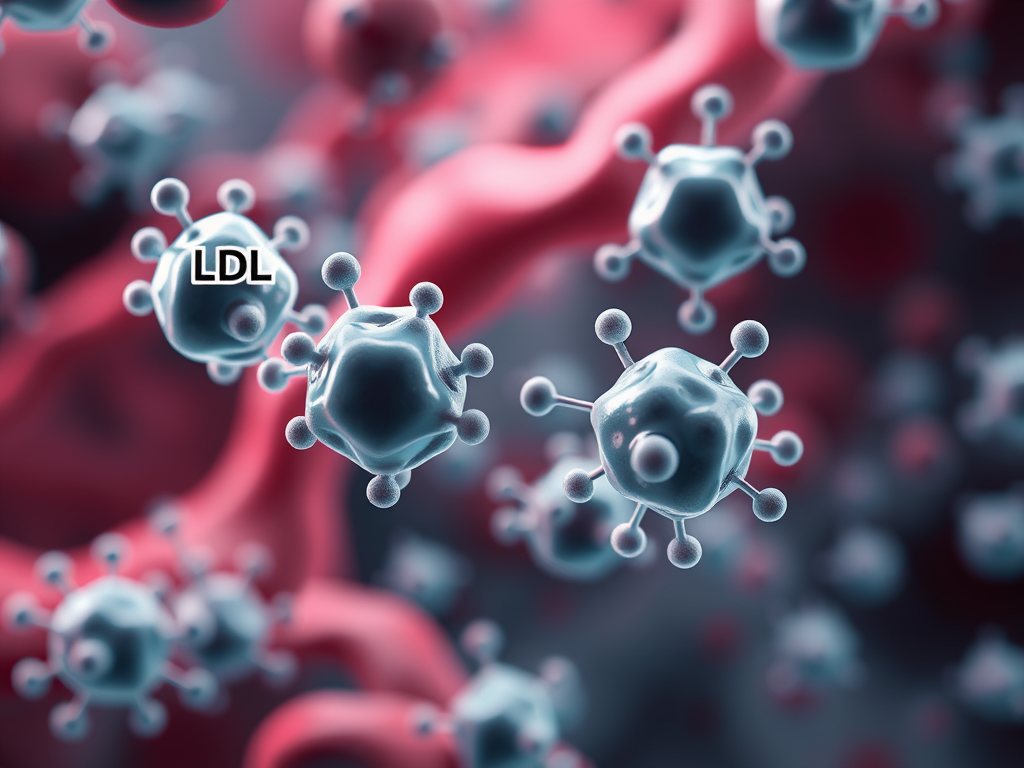
To grasp hyperlipidemia, it’s crucial to understand the difference between LDL and HDL cholesterol. Imagine LDL as a careless delivery driver. Its job is to deliver cholesterol from the liver to cells throughout the body, which need it for building cell walls and producing hormones. However, when there’s too much LDL, it becomes reckless. It starts dumping its cargo on the “motorway”—the walls of your arteries. This buildup, called plaque, can narrow and harden the arteries in a process known as atherosclerosis. This is why LDL is labelled the “bad” cholesterol. On the other hand, HDL is like the diligent cleanup crew. Its job is to travel through the bloodstream, scavenge excess cholesterol from the artery walls, and transport it back to the liver for disposal. Higher levels of HDL are therefore protective, which is why it’s known as the “good” cholesterol. The goal of managing hyperlipidemia isn’t just to lower total cholesterol, but specifically to lower the “bad” LDL and maintain or raise the “good” HDL.
3. High Cholesterol Has No Obvious Symptoms
One of the most dangerous aspects of hyperlipidemia is that it is a “silent” condition. Unlike many diseases that produce clear warning signs like pain, fever, or discomfort, high cholesterol typically causes no symptoms on its own. A person can have dangerously high levels of LDL cholesterol and feel perfectly healthy. The damage happens quietly and insidiously over many years as plaque slowly accumulates in the arteries. The first sign that something is wrong is often a major cardiovascular event. This could be angina (chest pain) caused by reduced blood flow to the heart, a heart attack (when an area of plaque ruptures and a blood clot completely blocks an artery), or a stroke (when a clot blocks an artery in the brain). Because you can’t feel it, the only way to know if you have high cholesterol is to have it checked with a simple blood test. This is why regular health screenings, especially for adults over 40, are so vital.
4. Lifestyle and Genetics Both Play a Major Role
What causes high cholesterol? The answer is a complex interplay between your lifestyle choices and your genetic makeup. For many people, lifestyle is the primary driver. A diet high in saturated and trans fats (found in fatty meats, full-fat dairy, and many processed and fried foods) can significantly raise LDL cholesterol. A sedentary lifestyle, smoking, and excessive alcohol consumption also contribute negatively to your lipid profile. However, genetics can also play a powerful role. Some people inherit genes from their parents that cause their bodies to produce too much LDL cholesterol or struggle to remove it from the blood. This condition, known as familial hypercholesterolemia (FH), can cause very high cholesterol levels from a young age, even in people who are slim and live a healthy lifestyle. This is why it’s not uncommon to see someone who is physically fit have high cholesterol, highlighting that it’s not solely a condition of poor lifestyle choices.
5. Atherosclerosis is the Primary Danger
The real danger of untreated hyperlipidemia is atherosclerosis. Think of your arteries as smooth, flexible pipes that carry oxygen-rich blood to your organs. When LDL cholesterol levels are high, this “bad” cholesterol starts to accumulate in the artery walls, combining with other substances like fat, calcium, and cellular waste to form hard structures called plaques. This is atherosclerosis. Over time, these plaques can grow, causing the arteries to become narrow, stiff, and less flexible. This process can happen in any artery in the body. If it occurs in the coronary arteries that supply the heart, it’s called coronary artery disease, which can lead to a heart attack. If it happens in the carotid arteries that supply the brain, it can lead to a stroke. In the legs, it causes peripheral artery disease, leading to pain and cramping. Essentially, hyperlipidemia is the fuel, and atherosclerosis is the fire that ultimately leads to most cardiovascular diseases.
6. A Heart-Healthy Diet is Your First Line of Defence
The good news is that for many people, high cholesterol can be significantly improved through dietary changes. This is the cornerstone of management. A heart-healthy diet focuses on reducing “bad” fats and incorporating more beneficial foods. This means limiting saturated fats and aiming to eliminate artificial trans fats altogether. Instead, focus on unsaturated fats, particularly monounsaturated fats found in olive oil, avocados, and nuts, and polyunsaturated fats (including omega-3 fatty acids) found in oily fish like salmon and mackerel, flaxseeds, and walnuts. Increasing your intake of soluble fibre is also key. Soluble fibre, found in oats, barley, apples, and beans, acts like a sponge in your digestive system, binding to cholesterol and preventing it from being absorbed into your bloodstream. Foods fortified with plant sterols and stanols, found in some yogurts, spreads, and milks, can also actively block cholesterol absorption. Making these simple, sustainable dietary swaps can have a powerful impact on lowering your LDL cholesterol levels.
7. Physical Activity Boosts “Good” Cholesterol
Alongside diet, regular physical activity is a powerful tool for managing hyperlipidemia. Exercise works on your lipid profile in several beneficial ways. While its effect on lowering “bad” LDL cholesterol is modest, its most significant impact is on raising “good” HDL cholesterol. Remember, HDL is the cleanup crew, and having more of it helps to remove plaque from your arteries. Aiming for at least 150 minutes of moderate-intensity aerobic exercise (like brisk walking, cycling, or swimming) or 75 minutes of vigorous-intensity exercise per week is the standard recommendation from the NHS. Exercise also helps with weight management, which is crucial because being overweight or obese tends to raise LDL and lower HDL. Furthermore, physical activity helps lower blood pressure and triglyceride levels, providing a comprehensive boost to your cardiovascular health. It doesn’t require running marathons; simply incorporating consistent, moderate movement into your routine can make a real difference.
8. Statins Are Highly Effective, But Not the Only Option
When lifestyle changes alone are not enough to lower cholesterol to a safe level, or when a person’s risk of a heart attack or stroke is considered high, doctors often prescribe medication. The most common and well-known class of cholesterol-lowering drugs is statins. Statins work primarily by blocking an enzyme in the liver that is necessary for producing cholesterol. This reduces the amount of cholesterol your body makes, which in turn lowers the level of LDL in your blood. They are highly effective and have been proven in countless studies to significantly reduce the risk of heart attacks and strokes. However, they are not the only option. Other medications include ezetimibe, which works by preventing the absorption of cholesterol from your food in the intestine. For very high-risk individuals or those with familial hypercholesterolemia, newer injectable medications like PCSK9 inhibitors can produce a dramatic reduction in LDL levels. The choice of medication depends on a person’s individual risk profile, cholesterol levels, and any other health conditions they may have.
9. Triglycerides Are a Different, But Related, Risk
While cholesterol often gets the spotlight, another type of fat in your blood, called triglycerides, is also an important part of your lipid profile. Your body converts any calories it doesn’t need to use right away into triglycerides, which are then stored in fat cells to be used for energy later. While some triglycerides are necessary, high levels (hypertriglyceridemia) are also linked to an increased risk of heart disease and atherosclerosis. High triglycerides are often associated with the same factors that cause high LDL cholesterol, such as being overweight, a diet high in sugar and refined carbohydrates, excessive alcohol consumption, and uncontrolled diabetes. Sometimes, high triglycerides can be a sign of metabolic syndrome—a cluster of conditions that increase your risk for heart disease, stroke, and type 2 diabetes. Lowering triglycerides often involves the same strategies as lowering LDL: weight loss, reducing sugar and alcohol intake, and increasing physical activity.
10. Knowing Your Numbers is Key to Taking Control
Ultimately, knowledge is power when it comes to managing hyperlipidemia. The first step is to know your numbers. This means getting a lipid panel blood test as recommended by your GP or healthcare provider. This test will give you values for your total cholesterol, LDL cholesterol, HDL cholesterol, and triglycerides. Understanding these numbers in the context of your overall health—including your age, blood pressure, smoking status, and family history—allows your doctor to calculate your cardiovascular risk. In the UK, this is often done using a risk calculator like QRISK. This assessment helps to guide treatment decisions and determines whether lifestyle changes alone are sufficient or if medication is needed. Don’t be passive about your health. Ask your doctor about getting tested, understand what your results mean, and work with them to create a personalized plan. Taking control of your cholesterol is one of the most proactive and impactful things you can do for your long-term health and well-being.
Further Reading
For those who wish to learn more about managing cholesterol and improving heart health, these books offer practical guidance and accessible information:
The Great Cholesterol Myth, Revised and Expanded: Why Lowering Your Cholesterol Won’t Prevent Heart Disease–and the Statin-Free Plan that Will by Jonny Bowden and Stephen T. Sinatra
The New 8-Week Cholesterol Cure by Robert E. Kowalski
The Low-Cholesterol Cookbook & Health Plan: A practical guide to cutting cholesterol and reducing the risk of heart disease by Christine France
Eat to Beat Disease: The New Science of How Your Body Can Heal Itself by Dr. William W. Li
The Complete Family Guide to Heart-Healthy Living by the American Heart Association
Here at Zentara.blog, our mission is to take those tricky subjects and unlock them, making knowledge exciting and easy to grasp for everyone. But the adventure doesn’t stop on this page! We’re constantly exploring new frontiers and sharing discoveries across the digital universe. Want to dive deeper into more mind-bending Top 10s and keep expanding your world? Come join us on our other platforms – we’ve got unique experiences waiting for you on each one!
Get inspired by visual wonders and bite-sized facts: See the world through Zentara’s eyes on Pinterest!
Pin our fascinating facts and stunning visuals to your own boards. Explore Pins on Pinterest: https://uk.pinterest.com/zentarablog/
Discover quick insights and behind-the-scenes peeks: Hop over to Tumblr for snippets, quotes, and unique content you won’t find anywhere else. It’s a different flavour of discovery! Follow the Fun on Tumblr: https://www.tumblr.com/zentarablog
Ready for deep dives you can listen to or watch? We’re bringing our accessible approach to video and potentially audio! Subscribe to our YouTube channel and tune into future projects that make learning pop! Subscribe on YouTube: https://www.youtube.com/@ZentaraUK
Seeking even more knowledge in one place? We’ve compiled some of our most popular topic deep dives into fantastic ebooks! Find them on Amazon and keep the learning journey going anytime, anywhere. Find Our Ebooks on Amazon: https://www.amazon.co.uk/s?k=Zentara+UK&ref=nb_sb_noss
Connect with us and fellow knowledge seekers: Join the conversation on BlueSky! We’re sharing updates, thoughts, and maybe even asking you what wonders we should explore next. Chat with Us on BlueSky: https://bsky.app/profile/zentarablog.bsky.social
Perfect for learning on the move! We post multiple 10-minute podcasts per day on Spotify. Pop on your headphones and fill your day with fascinating facts while you’re out and about! Listen on Spotify: https://open.spotify.com/show/3dmHbKeDufRx95xPYIqKhJ
Follow us on Instagram for bytesize knowledge! We post multiple posts per day on our official Instagram account. https://www.instagram.com/zentarablog/ Every click helps us keep bringing honest, accessible knowledge to everyone. Thanks for exploring with us today – see you out there in the world of discovery!




Leave a Reply