
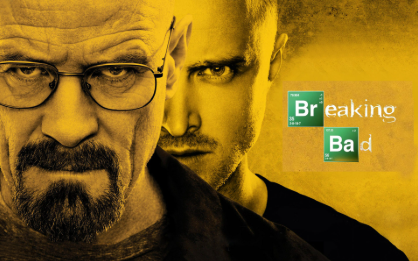
When the final episode of Breaking Bad aired in 2013, it didn’t just conclude a five-season television show; it cemented a legacy. The story of Walter White, a meek high school chemistry teacher who transforms into the ruthless drug kingpin “Heisenberg,” is more than a simple crime drama. It’s a modern epic, a descent into darkness that captivated audiences and fundamentally changed the landscape of television. In an era often called “Peak TV,” where a plethora of high-quality shows vie for attention, Breaking Bad stands out, consistently ranked among the greatest of all time. Its influence can be seen in the rise of the anti-hero, the cinematic quality of modern television, and the power of long-form, character-driven storytelling.
Vince Gilligan, the show’s creator, had a simple but revolutionary premise: to take a character from “Mr. Chips to Scarface.” This wasn’t a show where the protagonist stayed in a moral stasis for years; it was a carefully plotted, inexorable journey of a man’s moral decay. The success of this ambitious vision is why Breaking Bad is so often cited as a masterpiece. It’s a show that forces you to confront uncomfortable truths about human nature, ambition, and the seductive nature of power. Each episode, each season, was a step deeper into the abyss, and viewers were hooked, watching with a mixture of horror and fascination as Walter White’s good intentions became a flimsy excuse for his monstrous actions. This article will explore ten key reasons why Breaking Bad has earned its place in the pantheon of television greatness, from its groundbreaking character development to its meticulous, cinematic execution.
1. Walter White’s Transformative Character Arc: From Mr. Chips to Scarface
The core of Breaking Bad’s genius lies in its central character study: the complete moral and psychological transformation of Walter White. At the beginning, he is a sympathetic figure—a brilliant chemist whose life has been a series of disappointments and missed opportunities. When a cancer diagnosis gives him a sense of finality and a perverse kind of freedom, he makes the fateful decision to cook methamphetamine to secure his family’s financial future. This seemingly noble motivation is the seed from which “Heisenberg” grows. The genius of the show’s writing is that this transformation isn’t a sudden switch; it’s a slow, agonizing process. We see Walter rationalize his increasingly violent and selfish actions, slowly shedding his morality until he is unrecognizable. The “Mr. Chips to Scarface” arc is a masterclass in long-form storytelling, as it forces the audience to grapple with their initial empathy for a character who becomes a truly evil man. It’s a cautionary tale about how pride, ego, and a craving for power can corrupt even a seemingly ordinary person, making Walter White one of the most complex and compelling anti-heroes in television history.
2. The Unforgettable Performance of Bryan Cranston
No discussion of Breaking Bad’s greatness is complete without acknowledging the monumental performance of Bryan Cranston. Prior to the show, he was best known for his comedic role as Hal in Malcolm in the Middle. His portrayal of Walter White, however, was a revelation. Cranston inhabited the character with a breathtaking range, seamlessly transitioning from the awkward, meek schoolteacher to the terrifyingly confident drug lord Heisenberg. The subtle shifts in his body language, the chilling stares, and the thunderous, ego-driven monologues are all part of a performance that is both nuanced and utterly captivating. Cranston’s ability to convey Walter’s internal conflict, his fleeting moments of regret, and his full embrace of his own darkness is what made the character so compelling. It earned him four Primetime Emmy Awards for Outstanding Lead Actor in a Drama Series and cemented his place as one of the greatest actors of his generation. His performance is the engine that drives the show’s central narrative, making Walter’s descent feel terrifyingly real.
3. Jesse Pinkman: The Moral Compass and Tragic Counterpart
While Walter White’s story is one of moral decay, his partner Jesse Pinkman’s journey is one of immense tragedy and shattered innocence. Played by the phenomenal Aaron Paul, Jesse begins as a seemingly simple-minded burnout, but his character arc reveals a deeply sensitive and tormented soul. He is the show’s true moral compass, constantly horrified and guilt-ridden by the violence and destruction they unleash. His relationship with Walter is the emotional heart of the series, shifting from a reluctant partnership to a twisted father-son dynamic and eventually a relationship of pure manipulation and betrayal. Jesse is the personification of the human cost of Walter’s ambition. He suffers immensely, losing everything he holds dear, and his struggles with addiction and trauma serve as a grim reminder of the real-world consequences of their actions. Aaron Paul’s three Emmy wins for his role are a testament to his ability to bring a raw, heartbreaking vulnerability to a character who could have easily been a one-dimensional sidekick. His journey is the tragic inverse of Walter’s, and it’s what gives Breaking Bad its emotional weight.
4. Meticulous and Intentional Storytelling by Vince Gilligan
Vince Gilligan’s vision for Breaking Bad was one of unprecedented meticulousness and narrative control. From the pilot episode’s famous “Skylar’s List” to the final, masterful scene, the show is a puzzle box of symbolism, foreshadowing, and callbacks. Gilligan and his writing team constructed a narrative where every detail mattered, every action had a consequence, and no moment was wasted. This is evident in the show’s use of flashforwards, subtle visual cues, and the perfect pacing that allowed tension to build to an almost unbearable degree. The story moves with a relentless and logical progression, a domino effect where one bad decision leads inexorably to a cascade of catastrophic events. This intentionality created a show that rewarded careful viewing and re-watching, allowing fans to uncover new layers and connections with each pass. It set a new standard for long-form television, proving that a serialized story could be as tightly plotted and impactful as a feature film.
5. The Power of Cinematic Cinematography and Direction
Breaking Bad transcended the limitations of the small screen with its breathtaking and deliberate visual style. The show’s cinematography, often shot in the vast, sun-drenched landscapes of New Mexico, is as much a character as the actors themselves. Director of Photography Michael Slovis and the show’s directors used striking wide shots to emphasize the characters’ isolation and the smallness of their actions in a vast, uncaring world. They employed unusual and creative camera angles, from POV shots from inside objects like a washing machine or a trash can, to dynamic time-lapses that captured the passage of time. The use of color is also deeply symbolic, with each character’s wardrobe reflecting their emotional state and moral alignment. This cinematic approach gave the show a distinct and unforgettable aesthetic, elevating it beyond a typical television drama and solidifying its reputation as a work of art.
6. Supporting Characters That Are as Complex as the Leads
While Walter and Jesse are the narrative’s center, the world of Breaking Bad is populated by a cast of supporting characters who are rich, complex, and fully realized. From the formidable and terrifying Gus Fring to the shrewd and tormented Skyler White, each character is given their own detailed backstory and motivation. Gus Fring is not just a drug lord; he is a man of chilling precision and hidden depth, a villain who operates with a meticulous, almost corporate, efficiency. Skyler White is more than a nagging wife; she is a woman trapped in an impossible situation, forced to compromise her own morals to protect her family from the monster her husband has become. Other characters like the tragic DEA agent Hank Schrader, the morally ambiguous lawyer Saul Goodman, and the stoic enforcer Mike Ehrmantraut are all given their own powerful arcs. The show’s ability to create a deep and believable world filled with multi-faceted characters is a testament to its exceptional writing.
7. The Unflinching Exploration of Moral Ambiguity
One of the most enduring themes of Breaking Bad is its unflinching exploration of moral ambiguity. The show challenges viewers to constantly question their own judgments of right and wrong. Are Walter White’s early actions justified by his cancer diagnosis? At what point does his motivation shift from “for the family” to “for himself”? The show never provides easy answers. It forces the audience to sit in the uncomfortable space between hero and villain, to understand the flawed logic and justifications that lead people down a dark path. The journey is not just for the characters, but for the viewers themselves, as we watch a good man “break bad” and are forced to confront our own capacity for both good and evil. This moral complexity is what makes the show so compelling and its themes so evergreen.
8. The Perfect, Heart-Pounding Pacing and Cliffhangers
Breaking Bad is a masterclass in building tension. The show is famous for its meticulously crafted, high-stakes cliffhangers that would leave audiences breathless and desperate for the next episode. Each season was structured with a rising sense of dread, culminating in an explosive finale that fundamentally altered the narrative landscape. This perfect, heart-pounding pacing was a key element of its success and its legacy. It was a show designed for a modern, binge-watching audience, but it also built a loyal weekly following that would dissect every detail and speculate on what would happen next. The show’s rhythm, from the slow burn of a moral dilemma to the sudden explosion of violence, keeps viewers on the edge of their seats, making it a truly immersive and unforgettable experience.
9. A Masterful and Resonant Finale: “Felina”
The end of a beloved television series is often its most difficult and scrutinized moment. Breaking Bad delivered one of the most satisfying and impactful series finales of all time with the episode “Felina.” The finale provides a sense of closure while still leaving room for interpretation. Walter White, having lost everything, returns to Albuquerque to tie up his loose ends. He ensures his family will receive his money, seeks a final reckoning with his enemies, and, most importantly, saves Jesse Pinkman. In a final, chilling moment of honesty, he admits to Skyler that he didn’t do it all for his family—he did it for himself, because he “liked it.” The final scene, with a dying Walter lying on the floor of a meth lab, is a perfect visual summation of his journey, leaving him with his one true love: chemistry. The finale cemented the show’s legacy as a complete and cohesive story, one that didn’t overstay its welcome and provided a powerful, logical, and emotionally resonant conclusion to its central narrative.
10. The Cultural Impact and Enduring Relevance
Beyond its critical acclaim, Breaking Bad left an undeniable mark on popular culture. It’s the show that proved a “niche” cable drama could grow into a global phenomenon through word-of-mouth and the power of streaming services like Netflix. It inspired countless parodies, memes, and academic dissections. The character of Walter White became a cultural icon, and the show’s dark, complex tone influenced a generation of television writers and creators. Its themes of economic desperation, the American dream gone wrong, and the corrupting influence of power remain as relevant today as they were when the show first aired. Breaking Bad’s legacy isn’t just about its own greatness; it’s about how it elevated the medium of television, proving that it could be as profound, artistic, and narratively rich as any other form of storytelling.
Further Reading
Breaking Bad: The Official Book by Vince Gilligan and David Diez
The Chemistry of Breaking Bad by Dawn O. Jones
Breaking Bad and Philosophy: Badder is Better edited by David R. Koepsell and Robert Arp
The Art and Making of Breaking Bad by Vince Gilligan
The Psychology of Breaking Bad by Mark D. White
Here at Zentara.blog, our mission is to take those tricky subjects and unlock them, making knowledge exciting and easy to grasp for everyone. But the adventure doesn’t stop on this page! We’re constantly exploring new frontiers and sharing discoveries across the digital universe. Want to dive deeper into more mind-bending Top 10s and keep expanding your world? Come join us on our other platforms – we’ve got unique experiences waiting for you on each one!
Get inspired by visual wonders and bite-sized facts: See the world through Zentara’s eyes on Pinterest!
Pin our fascinating facts and stunning visuals to your own boards. Explore Pins on Pinterest: https://uk.pinterest.com/zentarablog/
Discover quick insights and behind-the-scenes peeks: Hop over to Tumblr for snippets, quotes, and unique content you won’t find anywhere else. It’s a different flavour of discovery! Follow the Fun on Tumblr: https://www.tumblr.com/zentarablog
Ready for deep dives you can listen to or watch? We’re bringing our accessible approach to video and potentially audio! Subscribe to our YouTube channel and tune into future projects that make learning pop! Subscribe on YouTube: https://www.youtube.com/@ZentaraUK
Seeking even more knowledge in one place? We’ve compiled some of our most popular topic deep dives into fantastic ebooks! Find them on Amazon and keep the learning journey going anytime, anywhere. Find Our Ebooks on Amazon: https://www.amazon.co.uk/s?k=Zentara+UK&ref=nb_sb_noss
Connect with us and fellow knowledge seekers: Join the conversation on BlueSky! We’re sharing updates, thoughts, and maybe even asking you what wonders we should explore next. Chat with Us on BlueSky: https://bsky.app/profile/zentarablog.bsky.social
Perfect for learning on the move! We post multiple 10-minute podcasts per day on Spotify. Pop on your headphones and fill your day with fascinating facts while you’re out and about! Listen on Spotify: https://open.spotify.com/show/3dmHbKeDufRx95xPYIqKhJ
Follow us on Instagram for bytesize knowledge! We post multiple posts per day on our official Instagram account. https://www.instagram.com/zentarablog/ Every click helps us keep bringing honest, accessible knowledge to everyone. Thanks for exploring with us today – see you out there in the world of discovery!




Leave a Reply