
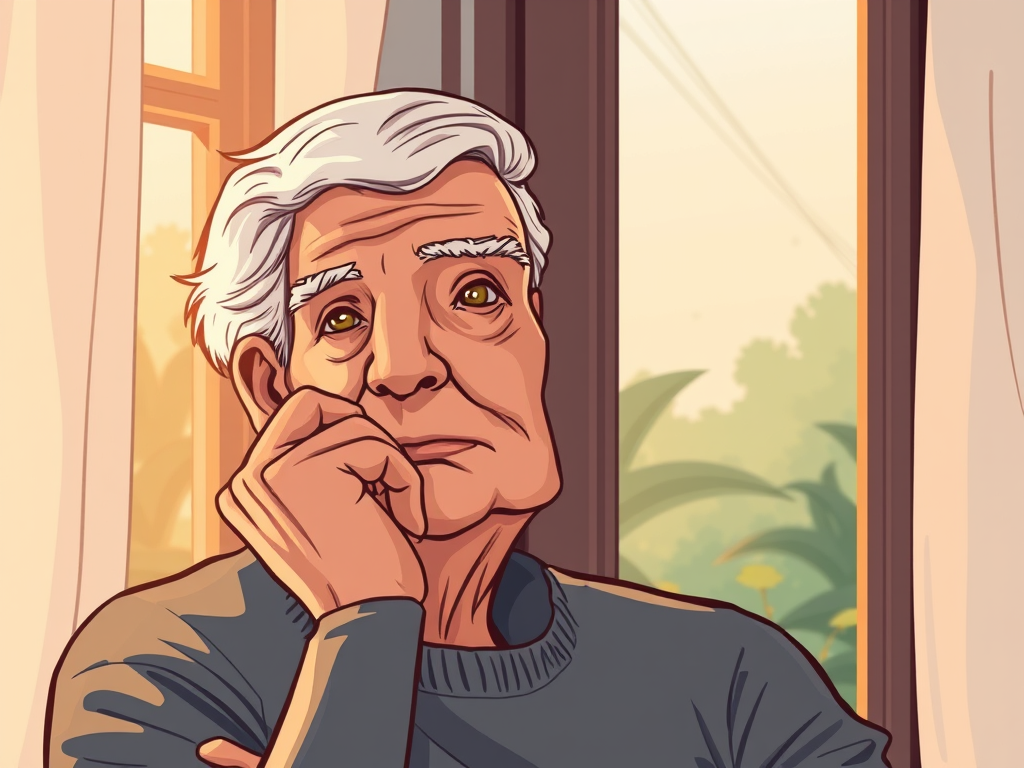
The word “dementia” often conjures fear and brings to mind a fog of confusion and memory loss. It’s a topic shrouded in misunderstanding, frequently and incorrectly used as a simple synonym for the forgetfulness that can come with old age. But dementia is far more complex. It is not a single disease, nor is it a normal part of the aging process. It is a general term describing a decline in mental ability severe enough to interfere with a person’s daily life.
As our global population ages, understanding the landscape of dementia is more important than ever. It is a journey that affects millions of individuals and their families, requiring immense compassion, patience, and knowledge. By demystifying the condition, we can reduce stigma, encourage early diagnosis, and improve the quality of life for those living in the fog and for those who care for them. This guide will explore 10 essential facts to provide a clearer understanding of Alzheimer’s disease and the related dementias it represents.
1. “Dementia” is the Umbrella, Alzheimer’s is One Type
This is the most fundamental and often confused concept. “Dementia” is not a specific disease. It is a general, umbrella term for a set of symptoms that includes memory loss, impaired judgment, and difficulties with language and problem-solving. For a diagnosis of dementia to be made, these cognitive problems must be severe enough to impact a person’s ability to perform everyday activities independently.
Think of it this way: “cancer” is an umbrella term for diseases involving abnormal cell growth. There are many specific types, such as lung cancer, breast cancer, etc. Similarly, dementia is the category, and there are many different diseases that can cause it. Alzheimer’s disease is simply the most common and well-known cause, accounting for an estimated 60-80% of all dementia cases. When you hear someone say a person “has dementia,” it’s like saying they “have cancer”; the crucial next question is, “what type?”
2. Beyond Alzheimer’s: Understanding Other Common Dementias
While Alzheimer’s is the most prevalent, it is vital to be aware of other common types of dementia, as their symptoms and progression can differ significantly. Vascular Dementia is the second most common type and is caused by conditions that damage blood vessels and reduce blood flow to the brain, such as a major stroke or a series of mini-strokes. Symptoms can appear suddenly and often progress in a noticeable “step-like” pattern, where abilities decline, stabilize for a time, and then decline again after another vascular event.
Lewy Body Dementia (LBD) is characterized by abnormal protein deposits called Lewy bodies that develop in nerve cells. LBD has a unique combination of symptoms that can include problems with movement similar to Parkinson’s disease (slowness, tremors), vivid visual hallucinations, and significant fluctuations in alertness and attention from one day to the next. Frontotemporal Dementia (FTD) typically affects people at a younger age (often between 40 and 65) and primarily damages the brain’s frontal and temporal lobes. Because these areas control personality and language, the earliest symptoms are often dramatic changes in behaviour, personality, and social conduct, or problems with speech, rather than memory loss.
3. The Brain Under Attack: What Happens in Alzheimer’s Disease
Alzheimer’s disease is a progressive neurodegenerative disorder, meaning it causes brain cells to sicken and die over time. The damage is caused by the build-up of two abnormal proteins. The first are beta-amyloid plaques, which are sticky, toxic clumps of protein that accumulate in the spaces between nerve cells. These plaques are thought to disrupt cell-to-cell communication and trigger inflammation. The second culprit is tau tangles. Tau is a protein that normally helps to stabilize the internal skeleton of a neuron. In Alzheimer’s, the tau protein changes shape, forming twisted fibres, or tangles, inside the cells. These tangles block the neuron’s transport system, preventing nutrients from moving through the cell and ultimately leading to cell death.
This process of plaque and tangle accumulation is thought to begin years, or even decades, before the first symptoms of memory loss appear. As more and more brain cells die, the brain itself begins to shrink, leading to the devastating decline in cognitive function.
4. More Than Just Memory Loss: Recognizing the Spectrum of Symptoms
While memory loss, particularly forgetting recently learned information, is a hallmark of Alzheimer’s, it is far from the only symptom. For a diagnosis of dementia, a person must have problems in at least two areas of cognitive function. Beyond memory, this can include difficulty with executive function, which means trouble with planning, organizing, or complex problem-solving. A person might struggle to follow a familiar recipe or manage a household budget.
Other common symptoms include confusion with time or place, such as losing track of the date or season, or forgetting where they are and how they got there. Problems with language can emerge, with the person struggling to find the right words or follow a conversation. Impaired visual-spatial skills can make judging distances or navigating familiar environments difficult. Crucially, dementia also brings changes in mood and personality. A person may become uncharacteristically confused, suspicious, depressed, fearful, or anxious. They may also lose interest in hobbies and social activities they once enjoyed.
5. The Journey Through Stages: The Progression of Alzheimer’s
Alzheimer’s disease typically progresses over many years, and while every person’s journey is unique, it can be helpful to think of it in three general stages. In the Early Stage (Mild), the person can still function independently. They may drive, work, and be part of social activities, but they feel they are having memory lapses, like forgetting familiar words or the location of everyday objects. This is often when family and friends begin to notice changes.
The Middle Stage (Moderate) is typically the longest and can last for many years. As the disease progresses, the person will require a greater level of care. They may confuse words, get frustrated or angry, and act in unexpected ways. The damage to nerve cells in the brain can make it difficult to express thoughts and perform routine tasks. In the Late Stage (Severe), individuals lose the ability to respond to their environment, to carry on a conversation, and, eventually, to control movement. They need extensive, round-the-clock assistance with daily personal care.
6. It’s Not Normal Aging: Knowing the Difference
One of the biggest sources of anxiety for older adults is distinguishing between normal, age-related memory changes and the early signs of dementia. It’s crucial to understand the difference. A certain level of forgetfulness is a normal part of aging. A typical age-related change might be sometimes forgetting names or appointments but remembering them later, or occasionally misplacing your keys. Making a bad decision once in a while is also normal.
The signs of dementia are different in scale and consistency. Instead of forgetting a name and remembering it later, a person with dementia might forget the names of very close family members. Instead of misplacing keys, they might put them in an unusual place, like the refrigerator, and have no memory of doing so. Instead of making one bad decision, they may show consistently poor judgment, for example, with money. The key difference is the pattern and the degree to which these lapses disrupt daily life.
7. The Power of a Diagnosis: Why Seeing a Doctor Matters
It can be frightening to face the possibility of dementia, and denial is a common reaction. However, seeking an early and accurate diagnosis is one of the most empowering steps a family can take. Firstly, it’s essential to rule out other, potentially reversible conditions that can mimic dementia symptoms, such as thyroid problems, vitamin deficiencies, or side effects from medication.
Secondly, while there is no cure for Alzheimer’s, an early diagnosis provides access to medical treatments that can help manage symptoms and preserve independence for a time. It allows the person with dementia to be involved in crucial future planning—making legal and financial arrangements and expressing their wishes for future care. Finally, a diagnosis unlocks a world of support. It gives families access to education, resources, clinical trials, and support groups that can help them navigate the challenging road ahead. Knowledge and preparation are powerful tools in the fight against dementia.
8. Risk Factors: What We Can and Cannot Change
The risk of developing dementia is a complex interplay of factors, some of which are beyond our control. The single greatest risk factor is age; the likelihood of developing Alzheimer’s doubles about every five years after age 65. Genetics also plays a role. Having a parent or sibling with Alzheimer’s increases one’s risk, and certain genes, like the APOE-e4 gene, are known to increase risk, though they don’t guarantee the disease will develop.
However, a growing body of research shows that there are modifiable risk factors we can influence. There is a strong connection between heart health and brain health. Therefore, managing cardiovascular risk factors is key. This includes controlling high blood pressure, managing cholesterol, maintaining a healthy weight, not smoking, and limiting alcohol intake. Furthermore, staying physically active, eating a balanced diet (like the Mediterranean diet), and keeping your brain engaged and socially active throughout life have all been shown to help reduce the risk of cognitive decline.
9. There Is No Cure, But There Is Care: The Focus of Treatment
It is a difficult truth that there is currently no cure for Alzheimer’s disease or most other progressive dementias. The available treatments cannot stop or reverse the underlying disease process. Instead, the focus of care is on managing symptoms, improving quality of life, and supporting both the patient and the family. Medical treatments fall into two main categories. Some medications, like cholinesterase inhibitors, can temporarily help with memory and thinking problems in the early to moderate stages. Newer, anti-amyloid antibody treatments have been approved in some countries, but they have shown only modest effects in slowing cognitive decline and come with significant side effects.
Therefore, non-pharmacological approaches are the cornerstone of high-quality dementia care. This involves creating a safe, calm, and structured environment, simplifying tasks, and developing clear communication strategies. Therapies such as music therapy, art therapy, and reminiscence therapy can be incredibly powerful for reducing agitation and connecting with the person beyond their cognitive symptoms. The goal shifts from curing the disease to caring for the person with dignity and compassion.
10. The Unseen Patient: The Immense Toll on Caregivers
Dementia is often called a “family disease” because its impact radiates outward, profoundly affecting spouses, children, and friends. Caring for a person with dementia is an incredibly demanding role that takes an immense physical, emotional, and financial toll. As the disease progresses, the caregiver’s responsibilities grow, from managing finances and appointments to assisting with personal care like bathing, dressing, and eating, often 24 hours a day.
Caregivers frequently report high levels of stress, depression, and anxiety, and their own health often suffers as a result. It is vital for caregivers to understand that they are not alone and that seeking support is a sign of strength, not weakness. Connecting with local Alzheimer’s associations, joining caregiver support groups, and utilizing respite care (which provides short-term relief) are all crucial steps. To provide the best care for a loved one with dementia, caregivers must first remember to care for themselves.
Further Reading
“The 36-Hour Day: A Family Guide to Caring for People Who Have Alzheimer Disease, Other Dementias, and Memory Loss” by Nancy L. Mace and Peter V. Rabins
“Still Alice” by Lisa Genova (A powerful novel written from the perspective of a woman with early-onset Alzheimer’s)
“Creating Moments of Joy Along the Alzheimer’s Journey” by Jolene Brackey
“Contented Dementia” by Oliver James
“Untangled: Guiding You Through the Ravages of Alzheimer’s Disease” by Dr. F. J. Flashman
Here at Zentara.blog, our mission is to take those tricky subjects and unlock them, making knowledge exciting and easy to grasp for everyone. But the adventure doesn’t stop on this page! We’re constantly exploring new frontiers and sharing discoveries across the digital universe. Want to dive deeper into more mind-bending Top 10s and keep expanding your world? Come join us on our other platforms – we’ve got unique experiences waiting for you on each one!
Get inspired by visual wonders and bite-sized facts: See the world through Zentara’s eyes on Pinterest!
Pin our fascinating facts and stunning visuals to your own boards. Explore Pins on Pinterest: https://uk.pinterest.com/zentarablog/
Discover quick insights and behind-the-scenes peeks: Hop over to Tumblr for snippets, quotes, and unique content you won’t find anywhere else. It’s a different flavour of discovery! Follow the Fun on Tumblr: https://www.tumblr.com/zentarablog
Ready for deep dives you can listen to or watch? We’re bringing our accessible approach to video and potentially audio! Subscribe to our YouTube channel and tune into future projects that make learning pop! Subscribe on YouTube: https://www.youtube.com/@ZentaraUK
Seeking even more knowledge in one place? We’ve compiled some of our most popular topic deep dives into fantastic ebooks! Find them on Amazon and keep the learning journey going anytime, anywhere. Find Our Ebooks on Amazon: https://www.amazon.co.uk/s?k=Zentara+UK&ref=nb_sb_noss
Connect with us and fellow knowledge seekers: Join the conversation on BlueSky! We’re sharing updates, thoughts, and maybe even asking you what wonders we should explore next. Chat with Us on BlueSky: https://bsky.app/profile/zentarablog.bsky.social
Perfect for learning on the move! We post multiple 10-minute podcasts per day on Spotify. Pop on your headphones and fill your day with fascinating facts while you’re out and about! Listen on Spotify: https://open.spotify.com/show/3dmHbKeDufRx95xPYIqKhJ
Follow us on Instagram for bytesize knowledge! We post multiple posts per day on our official Instagram account. https://www.instagram.com/zentarablog/ Every click helps us keep bringing honest, accessible knowledge to everyone. Thanks for exploring with us today – see you out there in the world of discovery!




Leave a Reply